





 Portuguese
  English
  Spanish
  5 min of reading
  0 comments


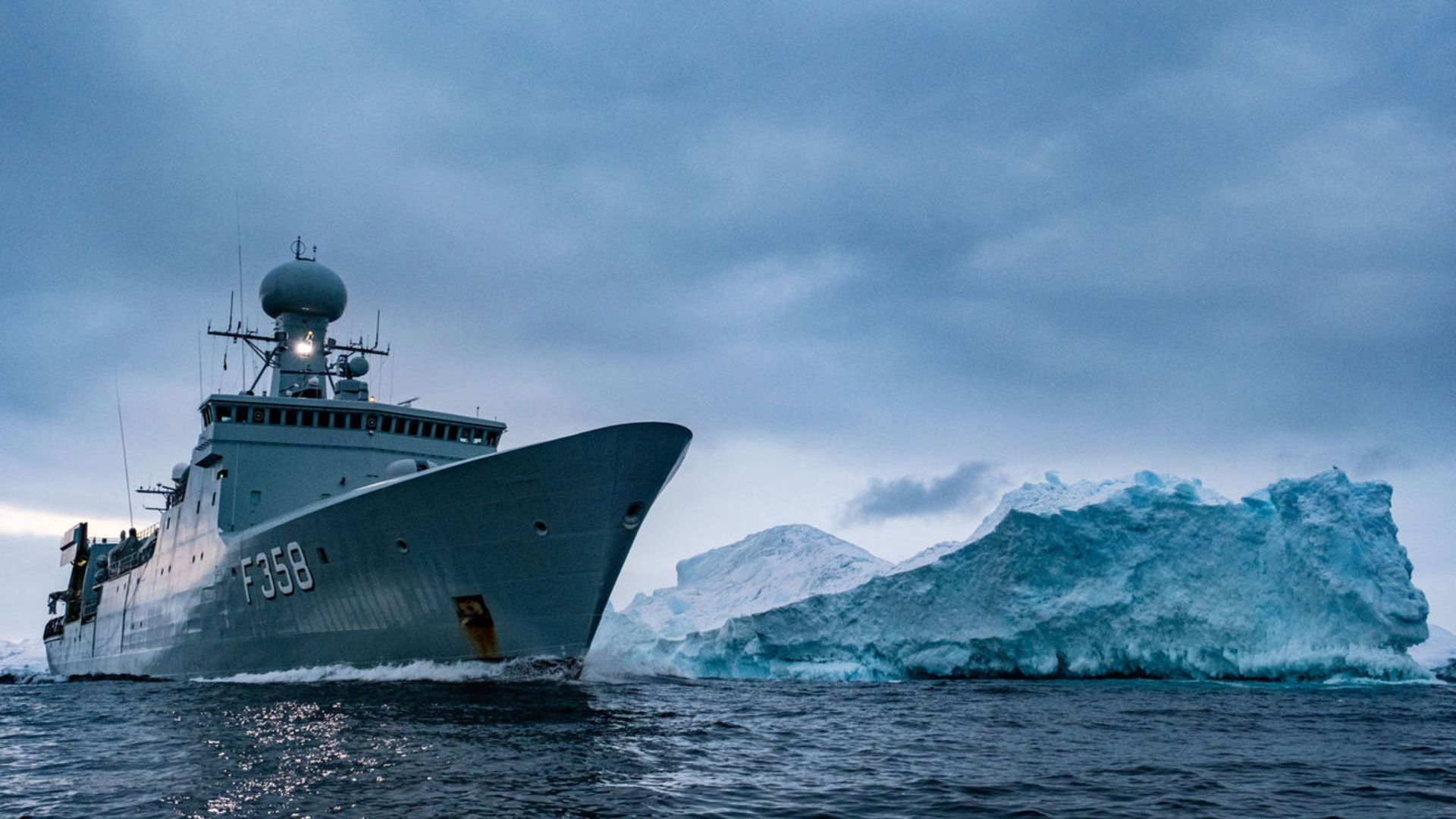
The Dispute Over Resources in the Far North Gains Momentum. Greenland, An Arctic Territory with High Oil Potential, Enters the Radar of Major Powers and Expands the Debate on Sovereignty and Economic Future
The debate over the independence of Greenland has returned to the center of international news following the release of analyses that reinforce the enormous energy potential of the Arctic territory, estimated at around 17 billion recoverable barrels of oil. The information, released in a report by Estado de Minas on Monday (19), positions the region as one of the last major energy frontiers on the planet and explains why the interest of major powers has intensified in recent years.
Greenland at the Center of the New Arctic Geopolitics
Greenland is now viewed not only as a remote and sparsely populated area but as a strategic asset capable of influencing global decisions. Energy, sovereignty, and geopolitics now go hand in hand in the territory’s future, in a context marked by resource disputes, energy transition, and a reorganization of global power.
The Greenland is the world’s largest island territory and occupies a unique position in the far north of the planet. Positioned in an Arctic territory that is increasingly accessible due to melting ice, the region has begun to draw renewed attention for concentrating large reserves of oil that remain unexplored.
-
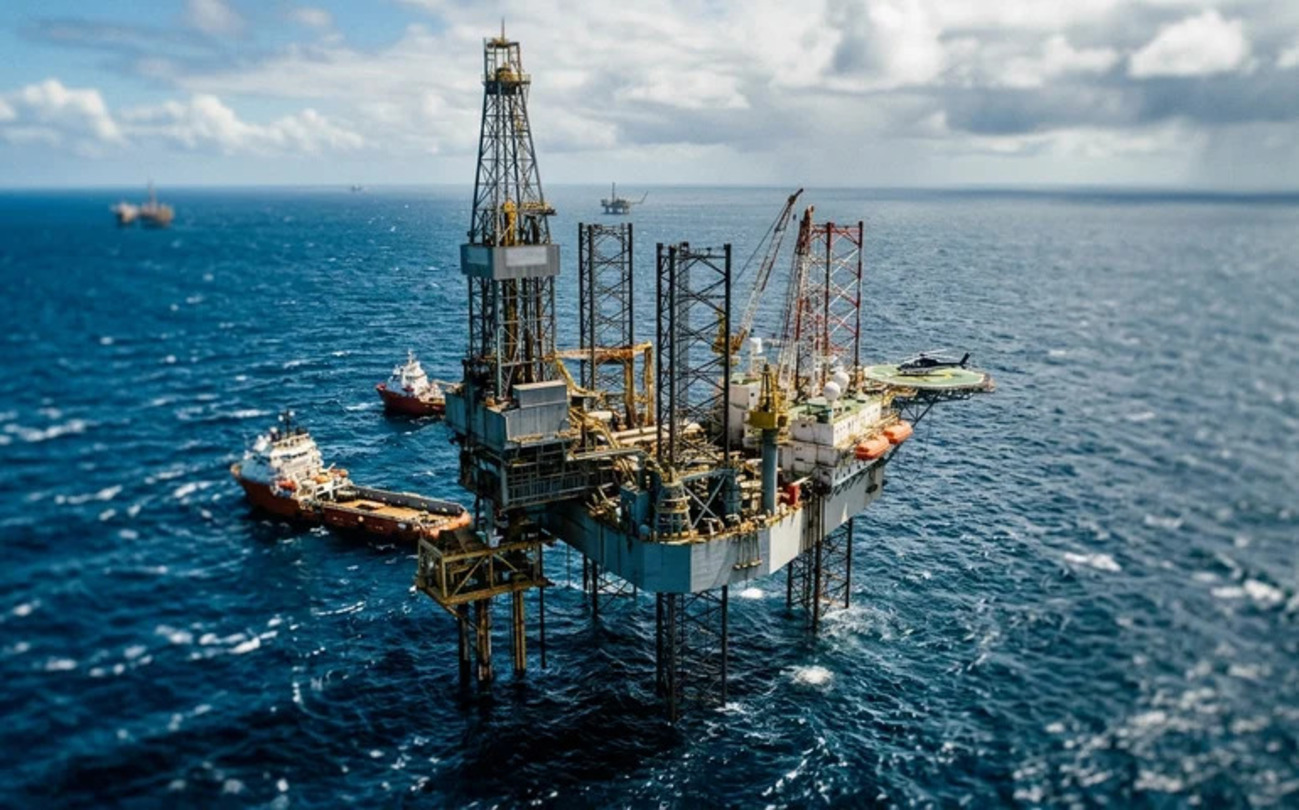
Brazilian giant expands borders in the Southeast: Petrobras confirms new oil discovery in ultra-deep waters in the pre-salt of the Campos Basin.
-
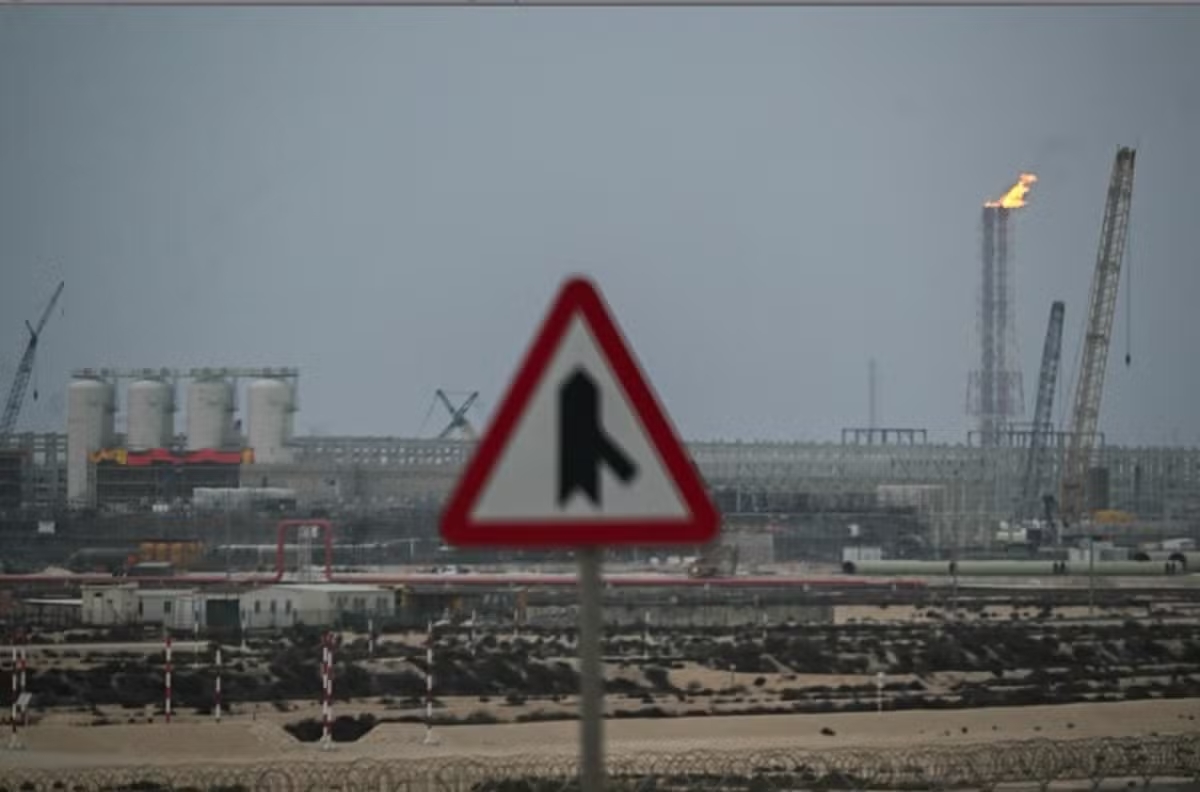
Alert in the global energy market: Severe tropical cyclone hits the coast and disrupts gas production at major plants in Australia, threatening global supply.
-
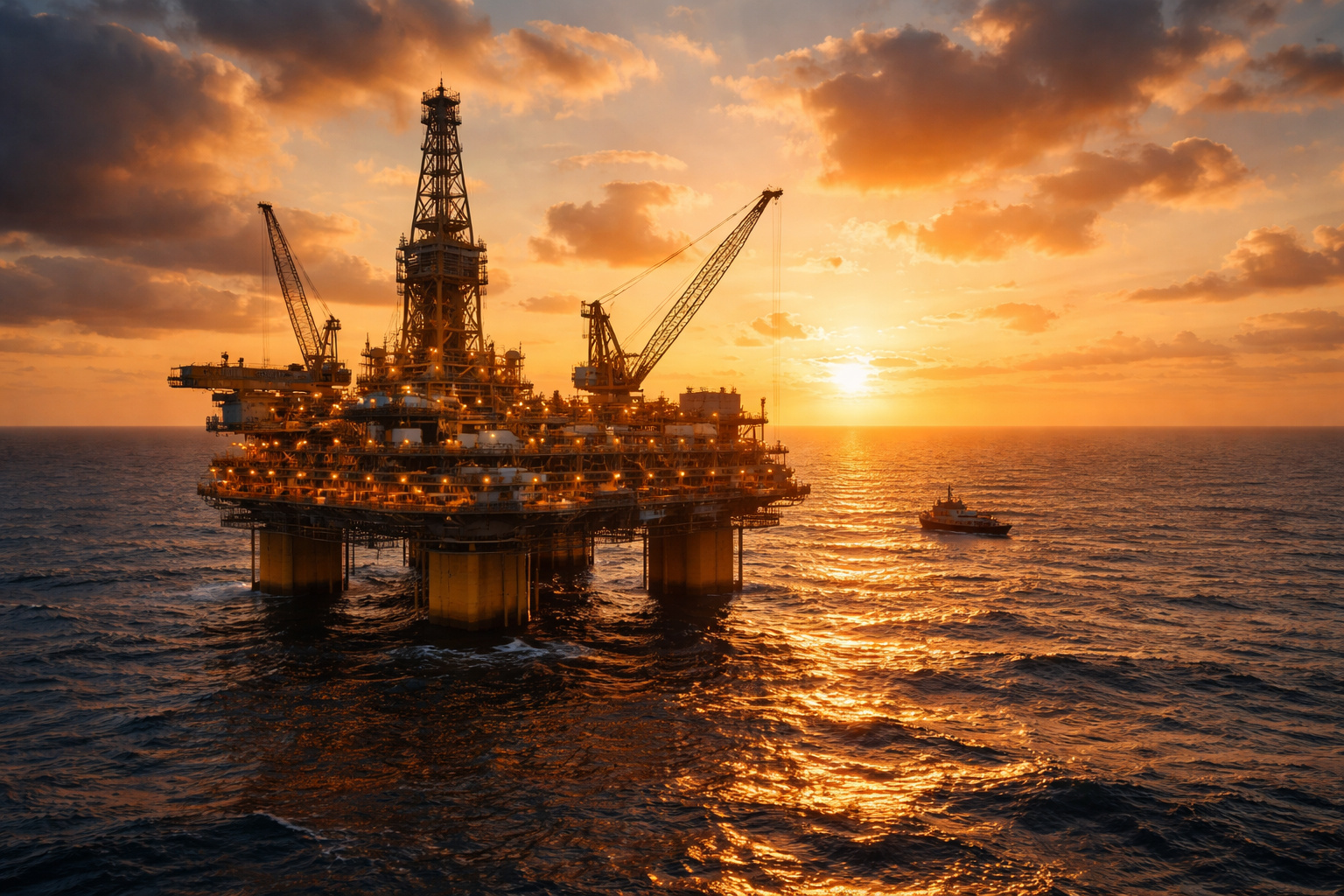
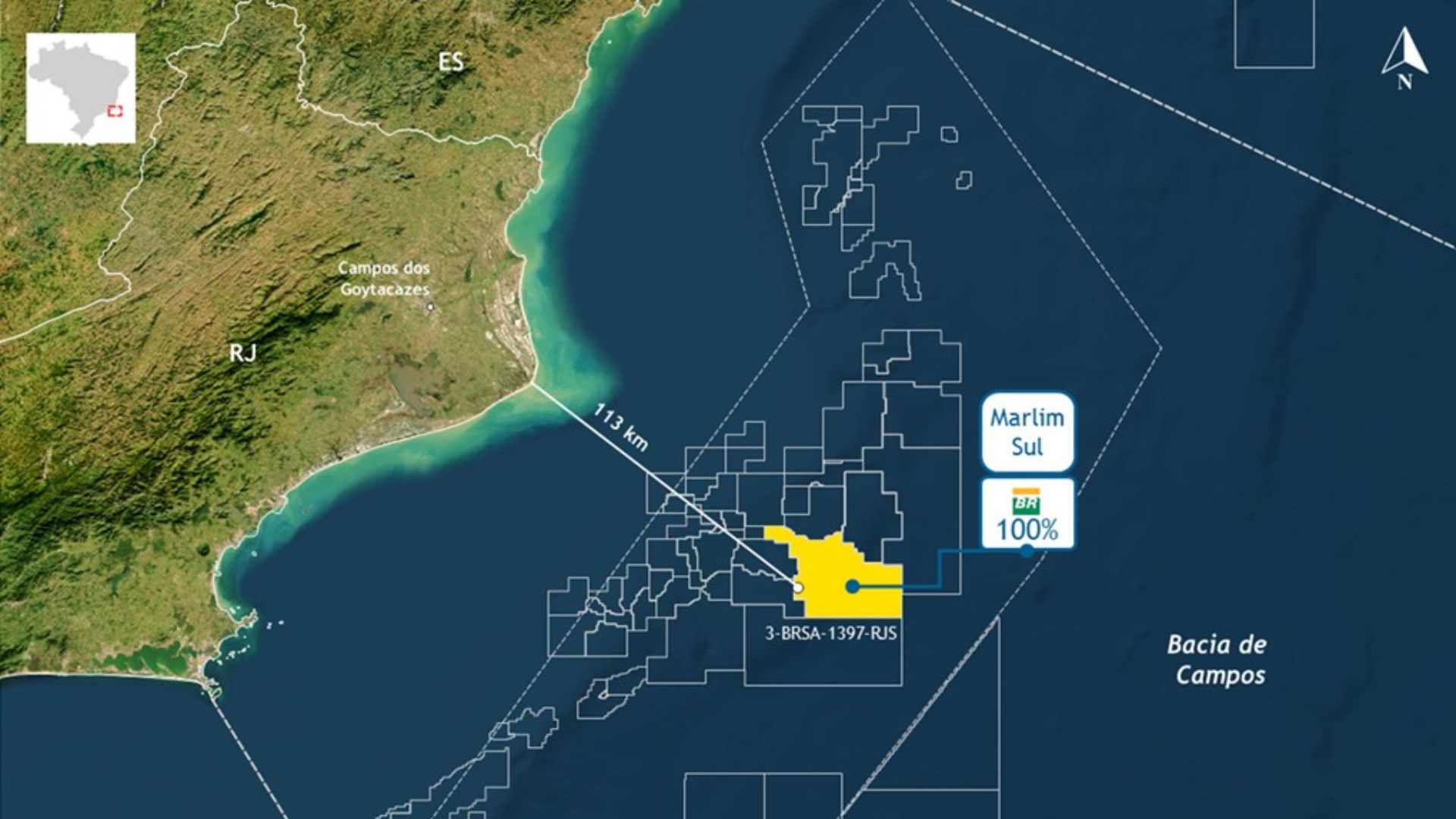
Petrobras finds high-quality oil in the pre-salt at 113 km from RJ and reignites expectations about strategic reserves in the Campos Basin.
-
Ocyan opens registrations for startups focused on innovation in the oil and gas sector and will select projects for Innovation Day with the support of Nexio.


This scenario completely alters the geopolitical weight of the territory, as energy exploration can redefine alliances, trade flows, and security strategies. Consequently, the interest of the major powers has shifted from being merely diplomatic to having a strong economic and military component.
Why Greenland Advances in the Debate on Political Independence
The movement towards independence gained momentum after the 2009 Autonomy Act, which granted Greenland greater control over its internal affairs and, above all, over its natural resources. Since then, the Arctic territory has gained decision-making power over mining licenses and potential oil explorations, strengthening the sovereignty discourse.
However, the main challenge remains economic. Full autonomy depends on reducing the annual subsidy sent by Denmark, which represents a significant portion of the local budget. For this reason, the monetization of energy resources appears as a concrete alternative to enable a financially sustainable state, something closely monitored by the major powers.
Oil in Greenland and the Energy Potential Still Unexplored
Studies conducted by the United States Geological Survey indicate that Greenland ranks among the world’s largest unexplored energy frontiers. Situated in an Arctic territory, the estimated potential reaches approximately 17.5 billion recoverable barrels of oil, as well as vast reserves of natural gas.
These figures place the region on par with established producing areas, such as the North Sea and the coast of Guyana. As new technologies reduce costs and operational risks, the interest of major powers is likely to grow, especially in a global context of seeking energy security.


Arctic Territory and Its Strategic Position Between Continents
The location of Greenland is one of the factors that greatly enhance its relevance. Positioned between North America and Europe, the Arctic territory benefits from the emergence of new maritime routes that shorten distances and reduce global logistical costs.
Furthermore, its proximity to the United States grants additional strategic value, especially in the field of defense. The Pituffik airbase plays an essential role in monitoring the North Atlantic, reinforcing the interest of major powers in political stability and indirect control of the region.

Major Powers Expand Interest Beyond Oil
Although oil is the main economic attraction, international interest goes beyond that. Greenland is home to significant rare earth reserves, essential ingredients for batteries, turbines, and high-tech equipment. Being in an Arctic territory, these reserves become even more strategic in a context of global technological rivalry.
United States, European Union, and China closely monitor local political developments, as any change in the territory’s status can affect critical supply chains. Thus, the actions of the major powers involve diplomacy, investments, and scientific cooperation.
Oil Exploration and Environmental Limits in the Arctic
Despite the economic potential, the future exploration of oil in Greenland faces strong environmental debate. The Arctic territory harbors extremely sensitive ecosystems and is already experiencing direct impacts from climate change, such as the accelerated melting of ice caps.
The central challenge is to reconcile economic growth and environmental preservation, avoiding irreversible damage. Local authorities discuss models for responsible exploration, using lower-impact technologies and strict environmental regulations, a theme that also concerns the major powers, pressured by international climate commitments.
Energy as an Instrument of Economic Autonomy
For Greenland, controlled exploration of oil represents more than immediate revenue. It is an instrument for building economic autonomy and reducing external dependency. Situated in an Arctic territory, this process requires long-term planning and solid governance.
The proposed strategy aims to use part of the energy revenue to fund education, infrastructure, and the transition to renewable sources, creating a more diversified economy. This model seeks to limit the direct influence of major powers on internal decisions, reinforcing local sovereignty.
What Is at Stake in the Future of Greenland
Greenland has ceased to be merely a remote region to become an Arctic territory with a direct impact on global geopolitics. Its reserves of oil, strategic position, and the advancement of the debate on independence place the island at the center of energy, environmental, and military decisions.
The interest of major powers reflects the struggle for resources, influence, and security in the 21st century. Thus, the future of Greenland is likely to remain on the international radar, demonstrating that, even with a small population, the territory exerts a disproportionate weight on the global stage.








Seja o primeiro a reagir!