





 Portuguese
  English
  Spanish
  6 min of reading
  0 comments


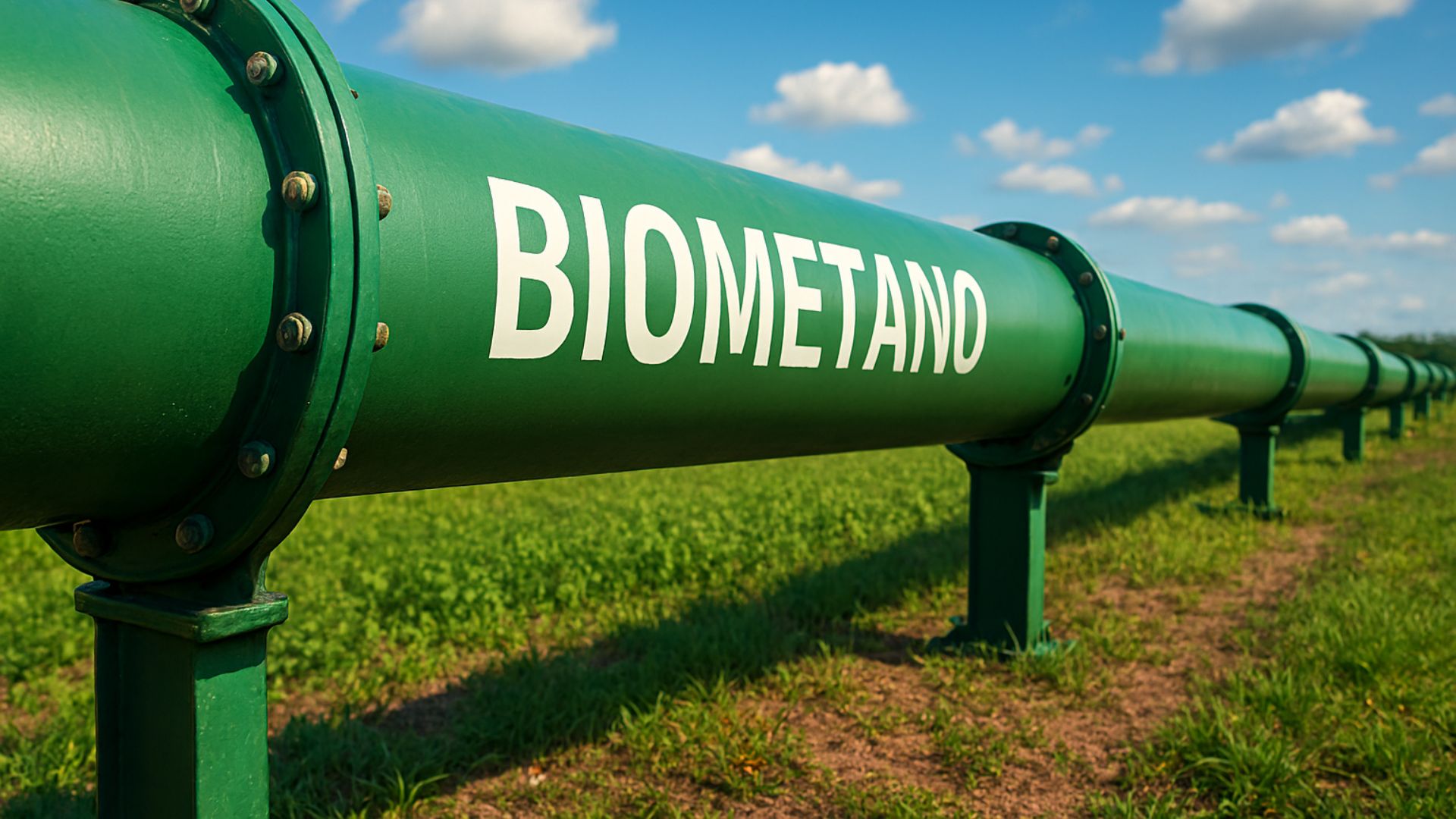
The Energisa Group Strengthens Its Presence in the Renewable Energy Sector with an Investment of R$ 100 Million in the Expansion of Waste Treatment and the Construction of a New Biogas Plant Scheduled to Operate by 2028
The Energisa Group announced this Monday (3) the acquisition of 52% of the stake in Lurean, a Paraná-based company specialized in waste treatment and biofertilizer production.
According to an article from Agência Eixos this Tuesday (4), as part of this operation, the group confirmed an investment of R$ 100 million in the construction of its second biogas plant in Brazil, with operations expected to start in the first quarter of 2028.
Expansion of Energisa Strengthens Bet on Biogas
The investment in the new biogas plant and the acquisition of Lurean mark a decisive step in the diversification of the group’s portfolio. According to information released by Energisa itself, the project aligns with the corporate goal of expanding solutions in sustainable energy and strengthening the circular economy model in the country.
-
The Economist states that Brazil has a “secret weapon” against expensive oil and highlights how the country can reduce economic impacts even in international scenarios of high volatility.
-
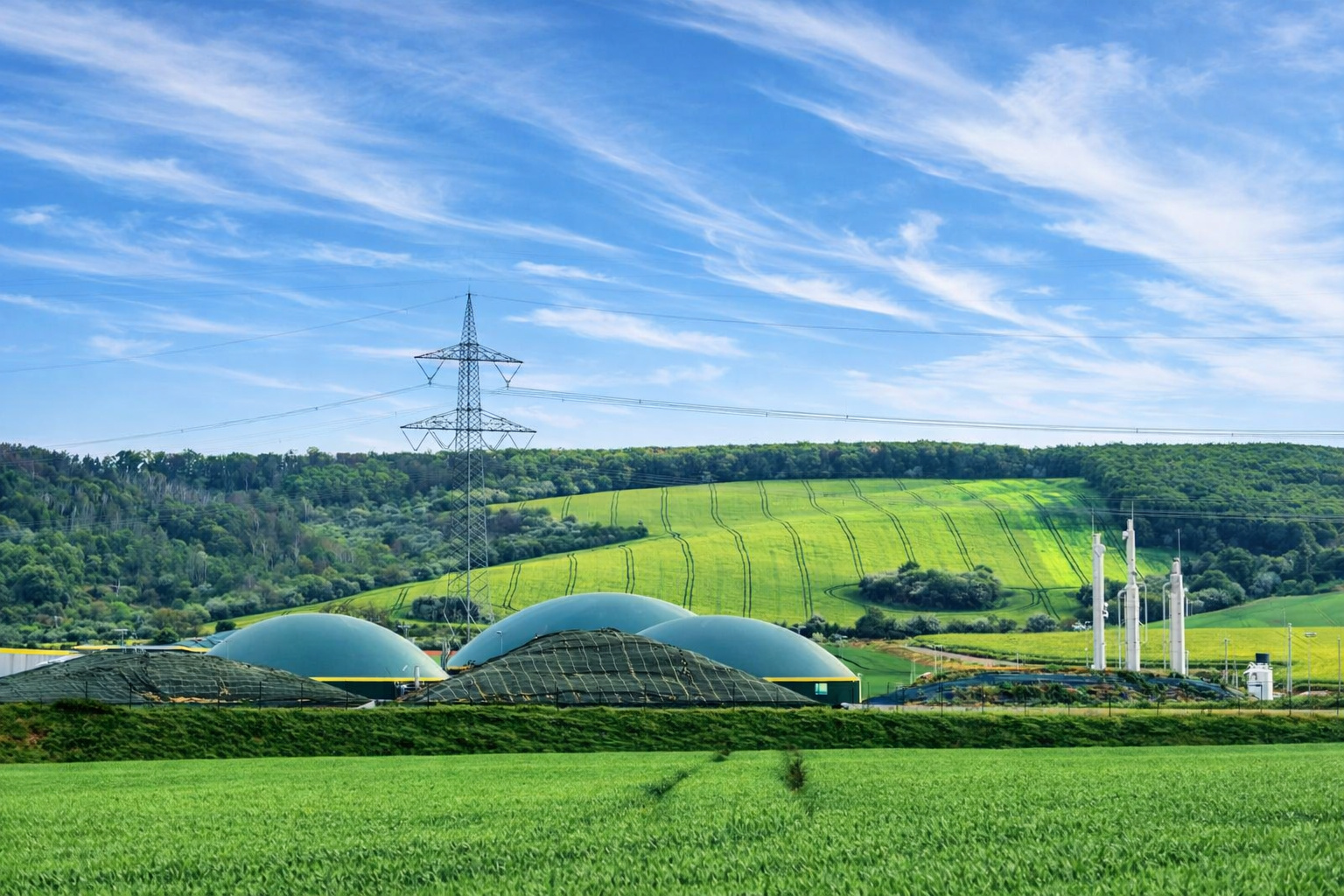
Brazil accelerates decarbonization in the South: International forum in Foz do Iguaçu gathers leaders to discuss the advancement of biomethane in the energy matrix and the potential of “caipira pre-salt.”
-
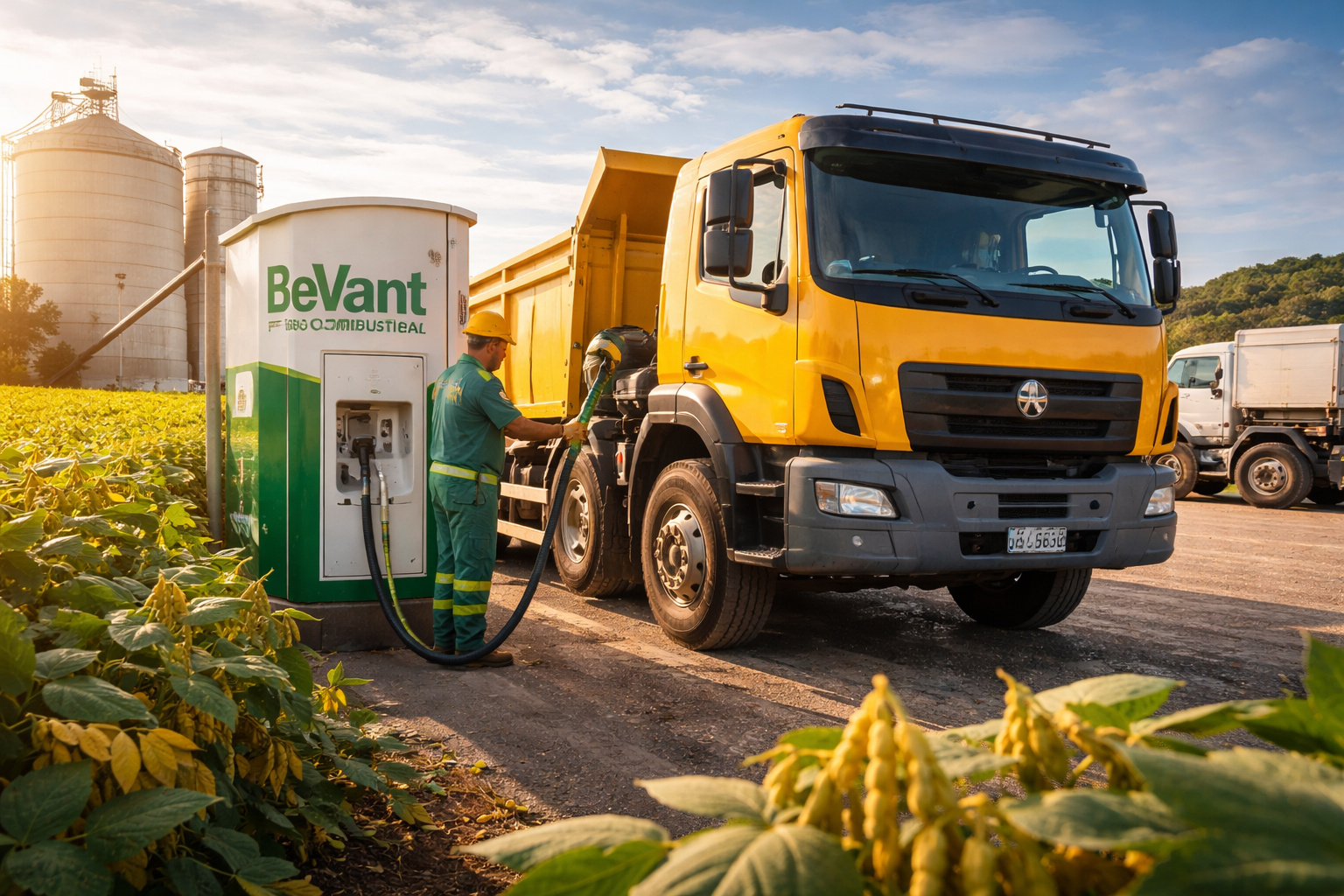
As diesel prices soar due to conflicts in the Middle East, a Brazilian city decides to test a little-known biofuel that promises to completely replace fossil fuel without adaptation and could change the future of energy in the country.
-
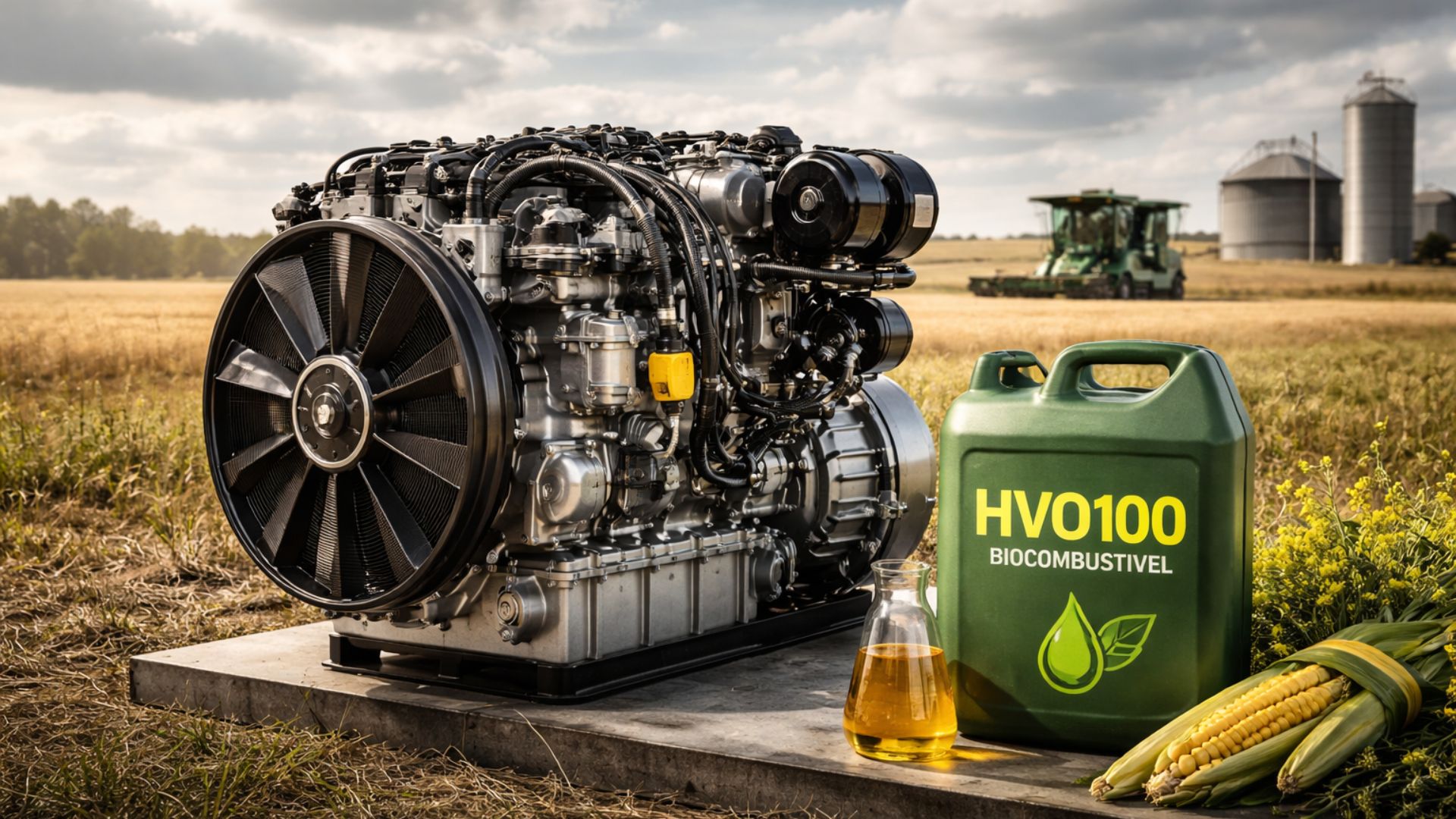
Innovation with biofuel engines transforms agribusiness by replacing diesel without the need for major adaptations, ensuring energy efficiency and helping to reduce dependence on oil.
The project will be located in Carambeí (PR), a city with a high agro-industrial concentration and a large supply of organic waste — essential raw material for biogas and biogas production. According to the announcement, the unit will have a production capacity of 28,000 m³/day of biogas.
In addition, the group intends to leverage Lurean’s expertise, which treated over 95,000 tons of agro-industrial waste in 2024 and sold approximately 38,000 tons of biofertilizers. This process reinforces the environmental and productive character of the operation, transforming waste into clean energy and sustainable agricultural inputs.
Details of the Acquisition and Plans of the Energisa Group
The acquisition of 52% of Lurean was made through Energisa Biogás (Ebio), the group’s renewable energy arm. The transaction expands the company’s presence in the biofuels market and complements its generation portfolio, which already includes solar, wind, and hybrid solutions.
With a total estimated investment of R$ 100 million, the new biogas plant project is expected to generate dozens of direct and indirect jobs during the construction phase. The unit will be less than four kilometers from the natural gas network, facilitating production outflow and reducing logistics costs.
According to Energisa, the start of construction is scheduled for 2026, with completion by early 2028. The goal is for the biogas produced to supply local industries, transportation companies, and distributors, replacing part of the fossil natural gas with a renewable and less polluting alternative.
Waste Treatment as a Pillar of Energy Sustainability
The focus on waste treatment and biogas production reinforces the group’s commitment to low environmental impact practices. Lurean, now controlled by Energisa Biogás, has been working for over a decade in managing organic waste and transforming these materials into highly efficient biofertilizers.
With the incorporation of this expertise, the Energisa Group now dominates the entire production chain of biogas: from the collection and treatment of waste to its conversion into renewable fuel. This model reduces greenhouse gas emissions, prevents the improper disposal of waste, and promotes the generation of clean and decentralized energy.
Moreover, the efficient treatment of waste directly contributes to the Sustainable Development Goals (SDGs) of the United Nations, especially regarding responsible production and consumption, affordable and clean energy, and action against climate change.
Impacts of the Investment for the Energy Sector and the Environment
The investment from Energisa in Paraná represents a strategic advancement for both the energy sector and the regional agribusiness. The state is one of the largest producers of animal protein and grains in Brazil, generating a significant amount of usable organic waste.
The conversion of these materials into biogas reduces the dependence on fossil sources and strengthens the concept of a circular economy — where waste becomes inputs for new production cycles.
This type of operation simultaneously generates economic and environmental benefits: it creates jobs, stimulates technological innovation, and contributes to emission mitigation.
The biogas produced by the new plant can also be injected directly into the natural gas network, serving industries, vehicle fleets, and even electric generators. This enhances the decarbonization potential of the Brazilian energy sector and aligns the country with global climate neutrality goals by 2050.
Challenges of the Biogas Market in Brazil
Despite the rapid growth of the segment, the national biogas market still faces structural and regulatory challenges. Among them are the high implementation costs of the plants, the lack of transport and distribution infrastructure, and the need for greater clarity in incentive policies.
According to the Brazilian Biogas Association (ABiogás), the country has the potential to produce over 120 million m³ of biogas per day, but currently utilizes very little of that capacity.
Projects like Energisa’s help to reduce this gap and demonstrate that the private sector is willing to invest in innovation and sustainability. Progress also depends on the integration between different production chains — such as agribusiness, sanitation, and energy — as well as regulatory frameworks that encourage the injection of biogas into the natural gas network.
Expected Benefits of the New Biogas Plant Project
- Generation of Renewable Energy: the biogas plant will expand the supply of clean fuel in the Brazilian market.
- Efficient Waste Management: agro-industrial organic waste will be converted into energy and fertilizers, preventing environmental contamination.
- Creation of Local Jobs: both during the construction phase and operation, the project is expected to generate opportunities in Carambeí and neighboring regions.
- Stimulus to the Circular Economy: the model connects agricultural production, waste reuse, and renewable energy generation.
- Reduction of Emissions: replacing fossil gas with biogas decreases the carbon footprint of industries and transportation.
These benefits reinforce the positioning of the Energisa Group as one of the pioneering companies in integrating sustainability and innovation in the Brazilian energy sector.
Biogas and the Future of Energy Transition in Brazil
The expansion of the Energisa Group into the biogas market signals a growing trend in the country: the search for solutions that reconcile profitability and sustainability.
Biogas, being a carbon-neutral fuel, is seen as a key piece in the national energy transition. In recent years, companies and governments have emphasized the strategic role of renewable gas in meeting emission reduction targets.
Moreover, diversifying the energy matrix is essential to ensure supply security and industrial competitiveness. Projects like Energisa’s show that this scenario is increasingly close to becoming a reality.
What the Advancement of Energisa Reveals About the Future of the Energy Sector
The announcement from the Energisa Group regarding the purchase of Lurean and the investment in its second biogas plant reveals a solid long-term strategy: diversifying sources, strengthening waste treatment, and aligning operations with a low-carbon economy.
More than just a business move, it reflects the ongoing transformation in the energy market. As the country seeks to reduce its dependence on fossil fuels, companies that invest in biogas, biogas, and circularity position themselves as leaders in the new energy era.
Energisa demonstrates that the future of energy is directly linked to sustainability and innovation. Waste treatment, once seen merely as an environmental issue, now consolidates as an economic and strategic opportunity.
With the new plant expected by 2028, the group reinforces its role as a protagonist in the Brazilian energy transition and signals that investment in biogas will be one of the pillars of clean energy production in the next decade.









Seja o primeiro a reagir!