





 Portuguese
  English
  Spanish
  5 min of reading
  3 comments


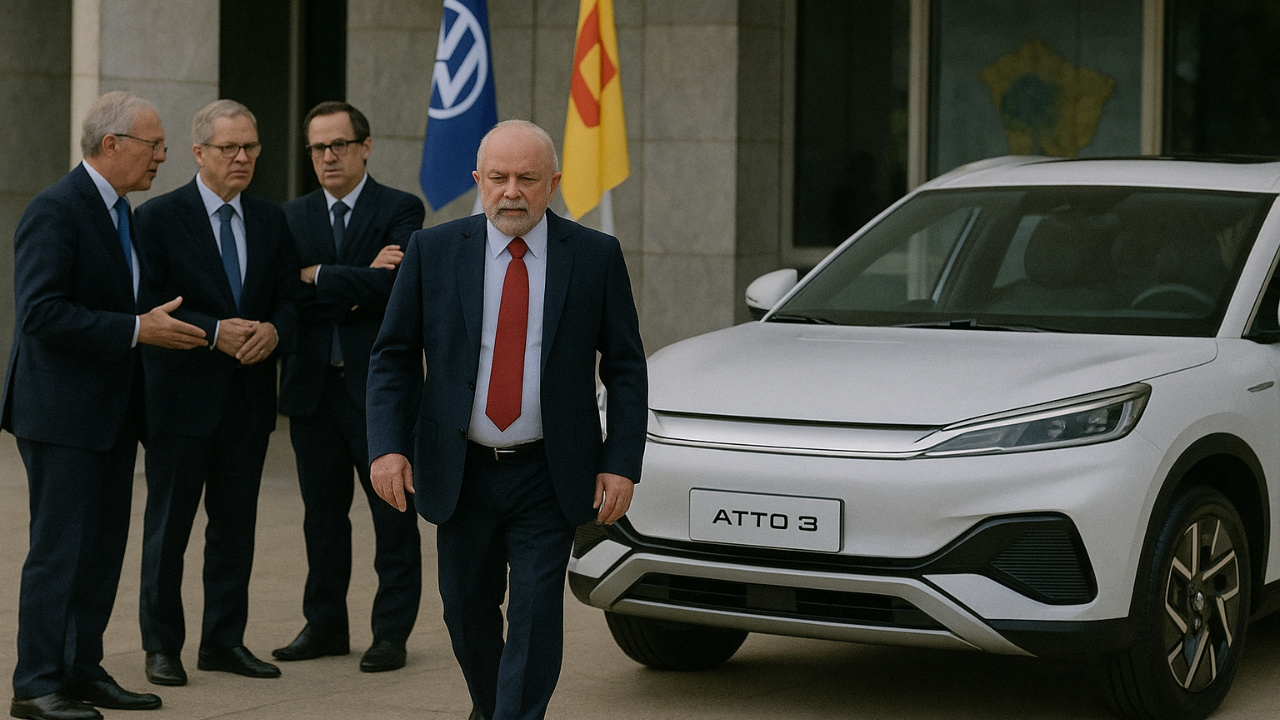


The Automotive War Puts BYD and Automakers in Direct Conflict While Lula Evaluates the Future of Electric Car Quotas.
A quiet but decisive dispute is stirring Brasília and redefining the future of the electrified vehicle sector in the country. The so-called automotive war pits the newcomer BYD against traditional automakers and places President Lula at the center of decision-making.
The clash is happening now, just before January, when the government will decide whether to renew the quota that allows importing hybrid and electric car kits tax-free.
While BYD and Rui Costa push for an extension of the benefit, brands like Volkswagen, GM, Toyota, Stellantis, and Renault are working to overturn the rule.
-
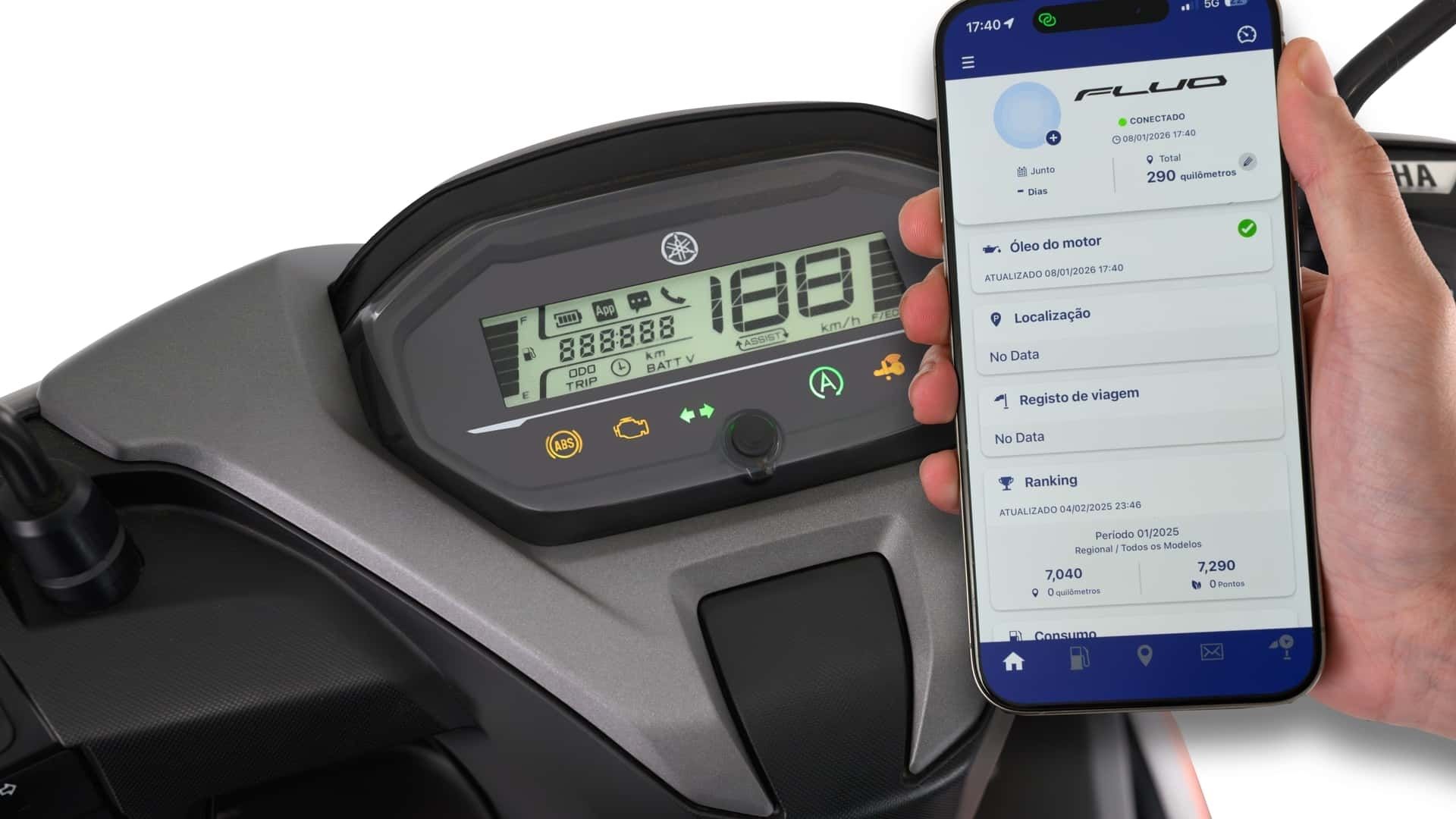
Costing R$ 16,000, the new Yamaha features a 125 cc hybrid engine with electric assistance, delivers 8.3 hp, includes ABS, optimized fuel consumption, Y-Connect connectivity, 25 liters of storage space, and a surprising 4-year warranty in the urban segment.
-
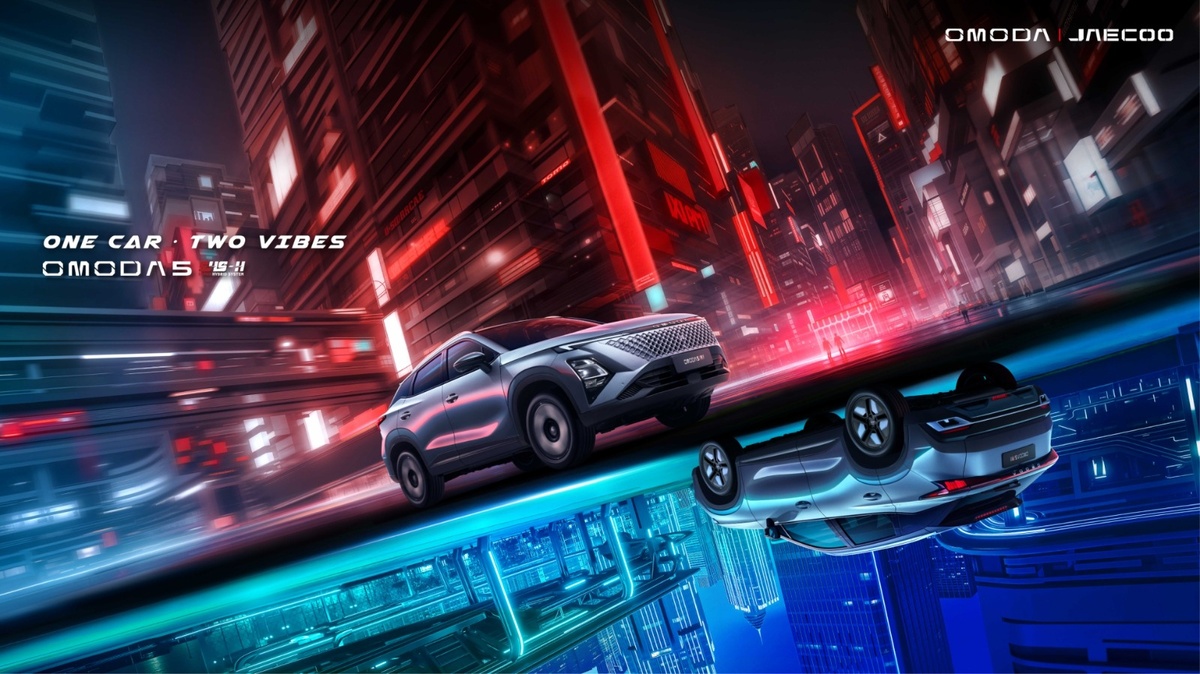
OMODA & JAECOO grows in Europe in 2026 with an integrated strategy of sales, innovation, local production, and technological advancement in the United Kingdom, Italy, and Spain.
-
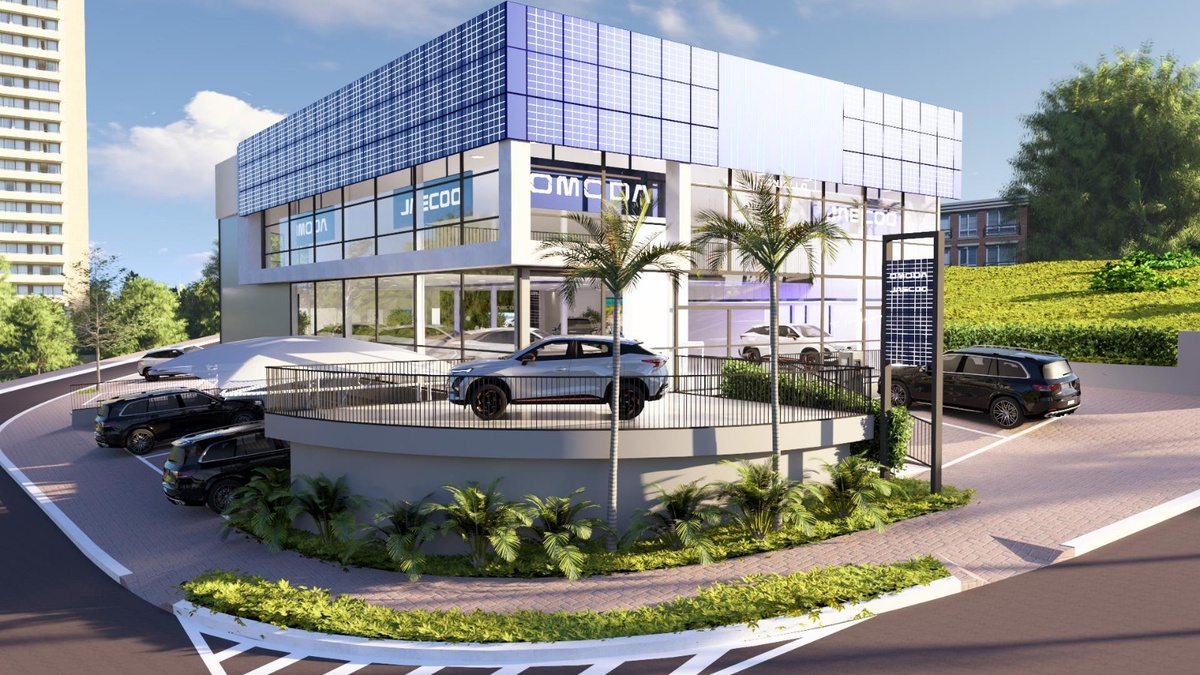
OMODA & JAECOO expands after-sales service in Brazil with competitive maintenance, a 7-year warranty, and high availability of parts for technological SUVs.
-
OMODA & JAECOO appoints Alessandra Souza as executive marketing director in Brazil and accelerates brand expansion with a focus on innovation, networking, and hybrid portfolio.


The choice is important because it determines how, where, and why Brazil will advance in the energy transition and local vehicle production.
BYD, which dominates the national electric market, seeks to ensure competitiveness for its new factory in Camaçari (BA).
Meanwhile, the automakers that have been established in the country for decades claim that the continuation of the quotas discourages industrial investment and harms local producers.
Thus, the automotive war has gained momentum precisely at a time when the government is deciding strategic priorities for the industry.
The Automotive War Exposes Division Between Rui Costa and Economic Team
The debate over the renewal of the quotas has divided the government internally. On one side, BYD has the support of Minister Rui Costa, who views the Camaçari plant as a crucial political and economic asset for Bahia.
On the other hand, the technical area of the Ministry of Development, Industry, Trade, and Services (MDIC) and the Ministry of Finance, led by Geraldo Alckmin and Fernando Haddad, resist the request.
For these agencies, the renewal could undermine the New Industry Brazil plan, which aims to strengthen local automotive technology production.
The prevailing view is that prolonged benefits could slow down the country’s industrialization, even though the energy transition is a priority for the economic team.
Import Quota: The Center of the Automotive War
The most sensitive point of the automotive war is the current limit of US$ 463 million in imports of hybrid and electric vehicles under the SKD and CKD systems — semi-knocked-down models that arrive in the country for final assembly.
BYD is the largest beneficiary of the SKD format, while traditional automakers argue that the regime favors companies that do not yet create jobs at the same scale as factories established in Brazil for decades.
To renew the rule, the decision needs to go through the Foreign Trade Chamber (Camex), which is made up of ten ministries.
In practice, however, the final word is with Lula, who guides the votes of the ministries. Thus, both BYD and the automakers are directing efforts to influence the president.
Lula Avoids Direct Positioning but Acts Behind the Scenes
In a recent meeting with BYD executives, Lula heard the request for an extension of the quotas but avoided giving a response. He only stated that the Chinese would have “the same conditions given to companies established in Brazil.”
In front of Anfavea and the Metalworkers Union of ABC, Lula adopted a stance more aligned with traditional automakers.
Upon learning that Colombia had not renewed an automotive agreement that allowed the export of 50 thousand cars per year with a reduced tax rate, the president directly pressured Chancellor Mauro Vieira.
The threat of not attending the Celac summit led Bogotá to restore the treaty just days before the trip.
Traditional Companies See Risk to Jobs and Investments
Behind the scenes, automakers with long operations in the country argue that the automotive war represents a direct threat to the productive chains.
Executives report to ministers that if BYD maintains the exemption regime for longer, the message sent to the parent companies will be that it is more advantageous to import ready-made cars than to expand manufacturing facilities.
BYD Defends Transition Phase and Promise of Local Production
The Chinese automaker argues that it is following the same path taken by companies that arrived in Brazil decades earlier — first importing kits, then localizing production stages.
The manufacturer signed a commitment with the state of Bahia and the Union to expand the factory and increase local content starting in July 2026.
Executives claim that without the quota, it would not make sense to hire an additional 2,000 employees and create a new shift, a move that politically strengthens Rui Costa in Bahia.
The Automotive War Also Divides Unions
The Metalworkers Union of Camaçari supports the renewal of the quota, highlighting that BYD already assembles 350 vehicles per shift and maintains around 1,400 jobs.
“The goal is to reach 500 vehicles per shift,” says President Julio Bonfim.
In ABC, however, the view is the opposite. For Moisés Selerges Júnior, from the local entity, incentives should generate qualified jobs and strengthen local suppliers:
“We are against treatments that upset the competition. If BYD receives exemptions to import parts that already exist in Brazil, other automakers will question why they invested so much to produce here.”
An Outcome that Defines the Future of Electrics in Brazil
The automotive war has gained momentum because the country has become one of the most strategic markets for BYD outside China.
The company has already accounted for 87,500 registered vehicles just between January and October and dominates the electric segment, with a 3.5% share of total light vehicles.
The Lula government, divided between industrial policy, energy transition, and regional interests, will have to arbitrate which development model it wants to promote.
The Camex decision, guided by the president, will be the most decisive chapter of this automotive war that affects jobs.





Porque, as montadoras não brigam, para abaixar os impostos sobre elas, e conseguir ser mais competitiva e entregar produtos melhores, a briga é sempre em aumento de tributos, chega não dá mais.
Bom, baixar imposto seria o mais sensato.
Venderiam mais, mais pessoas comprariam.ganharia escala e aumentaria a arrecadação de impostos .
Detalhe é que isso não passa pelo.ministro Taxad
Montadoras que vendem carros lixos com bronca do sucesso da BYD