





 English
  Francês
  Alemão
  Italiano
  Japonês
  Norueguês
  Portuguese
  Spanish
  3 min of reading
  0 comments


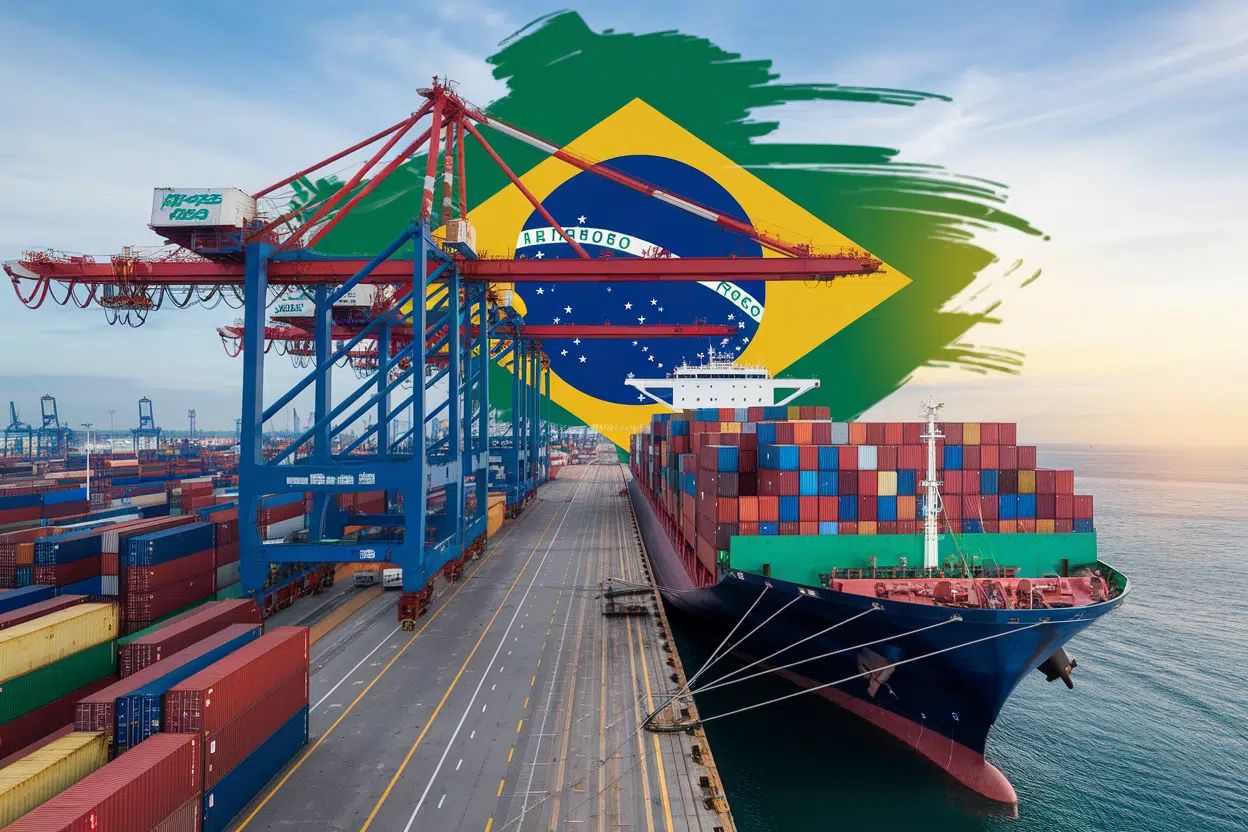
Trump’s Trade Policy Impacts Global Markets, But It Could Benefit Brazil. See How the Country Can Expand Exports, Attract Investors, and Become a Strategic Link in International Trade
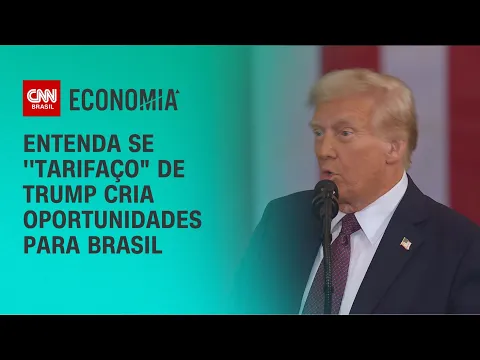
The President of the United States, Donald Trump, confirmed on Saturday (1st) the imposition of import tariffs on products coming from Canada, Mexico, and China. However, on Monday (3rd), the Republican decided to delay the tariffs for his neighbors after negotiations with their leaders. In the case of China, Trump stated that he intends to talk with the country “in the next 24 hours.” Brazil
During his electoral campaign, Trump reinforced his intention to adopt a stricter trade policy towards all of the U.S. partners. Brazil, in fact, was mentioned by the president, who threatened to impose tariffs of 100% on Brics countries if they proceed with replacing the dollar in their international transactions.
Despite the challenging scenario, experts consulted by CNN point out that Brazil may find opportunities in this context.
-
Expansion of Federal Institutes: 38 new campuses and R$ 200 million for public education; see the cities included.

-
Lula’s government changes rule in important benefit and thousands of Brazilians will no longer receive it; see what has changed.
-
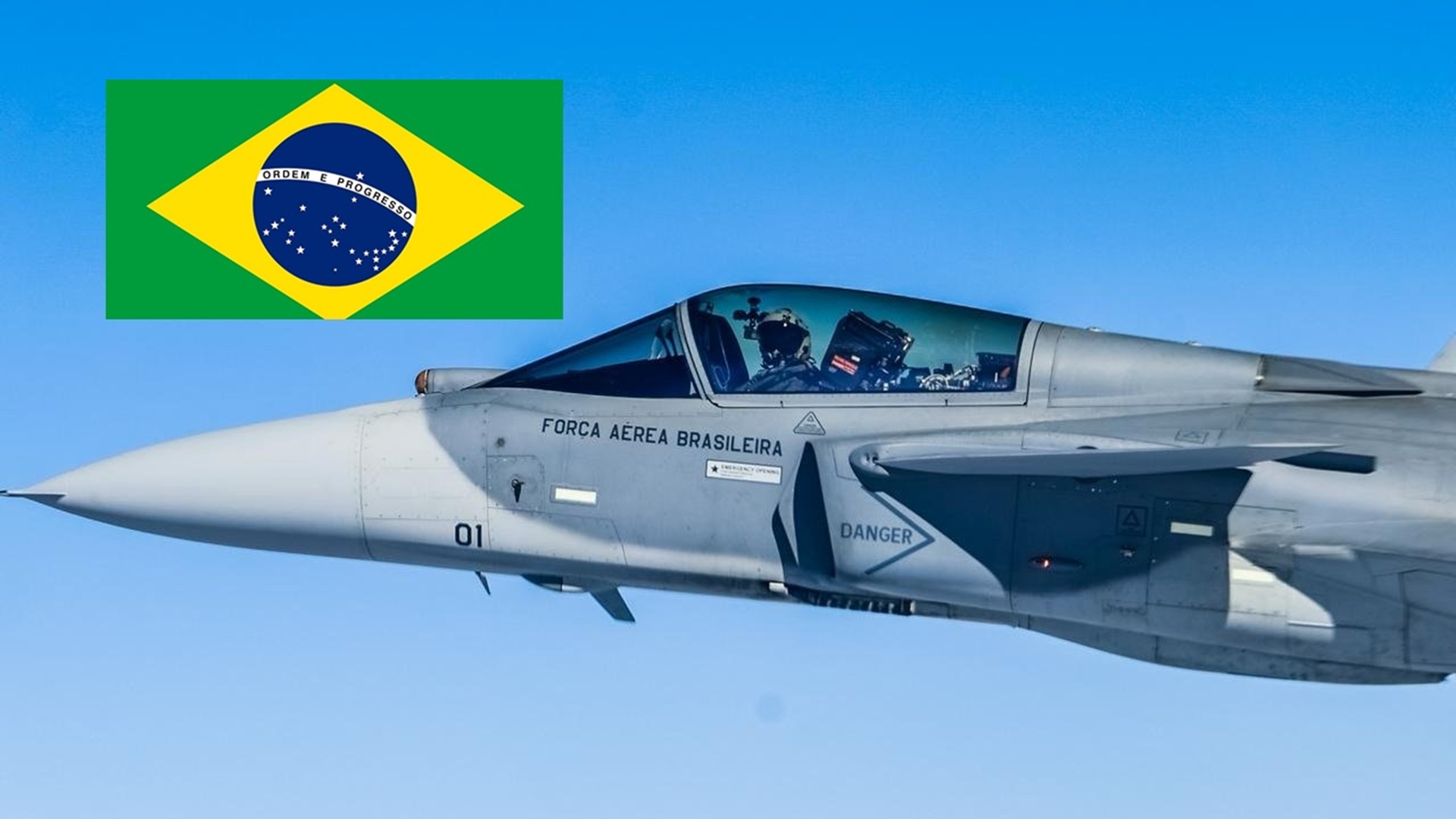
New Gripen fighter makes Argentines surrender to Brazil, and the heavy reaction exposes envy, frustration, and shock at Brazil’s technological leap.
-
This discovered deposit near the Andes could change the future of Argentina, attract billions, and even shake up the global metals market.


Possible Gains for Brazil
According to Leandro Consentino, a political scientist and professor at Insper, Brazil can benefit in two ways. “The first is by occupying the space left by the U.S. in exports to other countries. For example, if China reduces its grain purchases from the U.S., it may increase its purchases from Brazil. The second is to replace suppliers of products for the U.S. If the Americans stop importing inputs from Mexico, for example, they may turn to Brazil,” he explains.
Davi Lelis, a partner at Valor Investimentos, also sees an opportunity for Brazil when considering the impact of tariffs on the U.S. relationship with other countries. He assesses that, in a scenario where some nations are distancing themselves from globalization, Brazil can position itself as a reliable trading partner.
“The reorganization of trade alliances is a big chance for Brazil. We are seeing a reconfiguration in the global supply chain. If the country acts strategically and expands its presence in international trade, it can serve markets that have lost their traditional suppliers,” points out Lelis.
Impact on the Financial Market
In addition to exports and trade relations, Trump’s tariff policy may influence foreign investments. According to Lelis, the increase in tariffs could generate higher inflation in the U.S., bringing uncertainties to the American financial market. This could lead international investors to seek options in emerging countries, such as Brazil.
However, he emphasizes that, so far, the main benefit for Brazil is that it has not been directly affected by the initial measures.
Brazil’s Role as a Commercial Platform
For Robson Gonçalves, an economist and professor at Fundação Getulio Vargas (FGV), the country can become a strategic intermediary, especially if Chinese companies use Brazil as a gateway to the American market.
“If the new tariffs do not affect Mercosur and Chinese companies start using Brazil as a base to access the U.S., this could significantly change our export profile. Brazil would become an entry platform for the North American market,” assesses Gonçalves.
Regardless of the outcome, Denis Medina, a professor at the Faculty of Commerce, highlights that Brazilian agribusiness could be one of the big beneficiaries. He emphasizes that the sector could have even more advantages if it invests in developing higher value-added products.








-

Uma pessoa reagiu a isso.