





 English
  Francês
  Alemão
  Italiano
  Japonês
  Norueguês
  Portuguese
  Spanish
  6 min of reading
  0 comments



Tensions Of War In The International Scenario Pressure Oil Prices And Expand The Role Of Biofuels In Brazil. Understand How Ethanol And Biodiesel Gain Importance As Strategic Assets To Strengthen The Energy Security Of The Country.
The recent escalation of tensions in the Middle East has reignited global concerns about energy supply. In a context marked by war, geopolitical disputes, and threats to oil infrastructure, countries highly dependent on fossil fuels now face greater risks of price volatility and logistical disruptions.
According to an article published by CNN Brasil on March 9, in this scenario, Brazil observes a strategic repositioning of its energy matrix, in which biofuels gain prominence as a strategic asset to strengthen energy security in the face of fluctuations in oil.
Understand The Context Of The War And The Importance Of Biofuels
The deterioration of the international landscape, especially with the increasing tensions involving the United States, Israel, and Iran, has again elevated the geopolitical risk associated with the energy market. One of the main concerns is the stability of the maritime routes responsible for the global transport of oil, such as the Strait of Hormuz, through which about one-fifth of the world’s oil trade passes.
-
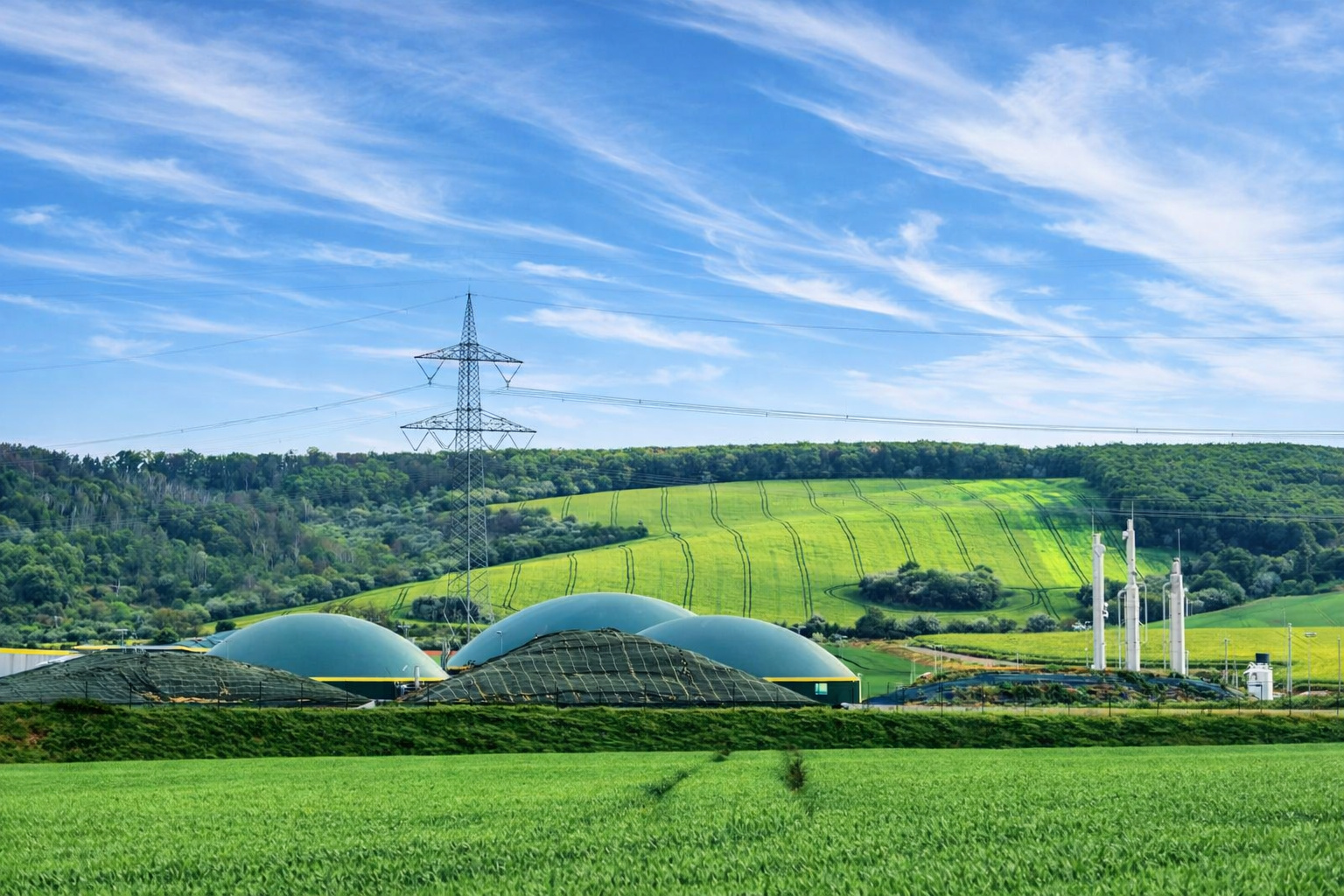
Brazil accelerates decarbonization in the South: International forum in Foz do Iguaçu gathers leaders to discuss the advancement of biomethane in the energy matrix and the potential of “caipira pre-salt.”
-
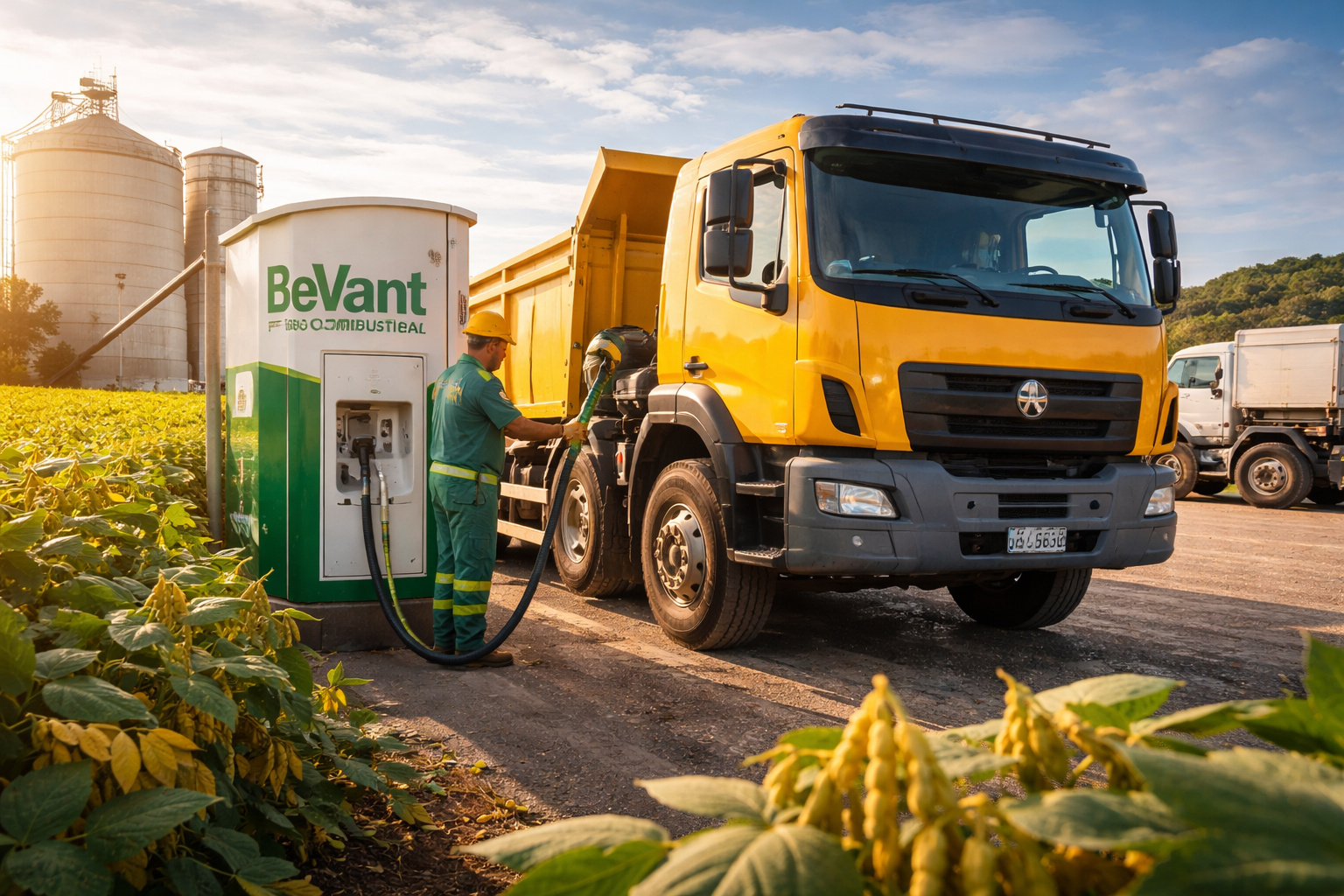
As diesel prices soar due to conflicts in the Middle East, a Brazilian city decides to test a little-known biofuel that promises to completely replace fossil fuel without adaptation and could change the future of energy in the country.
-
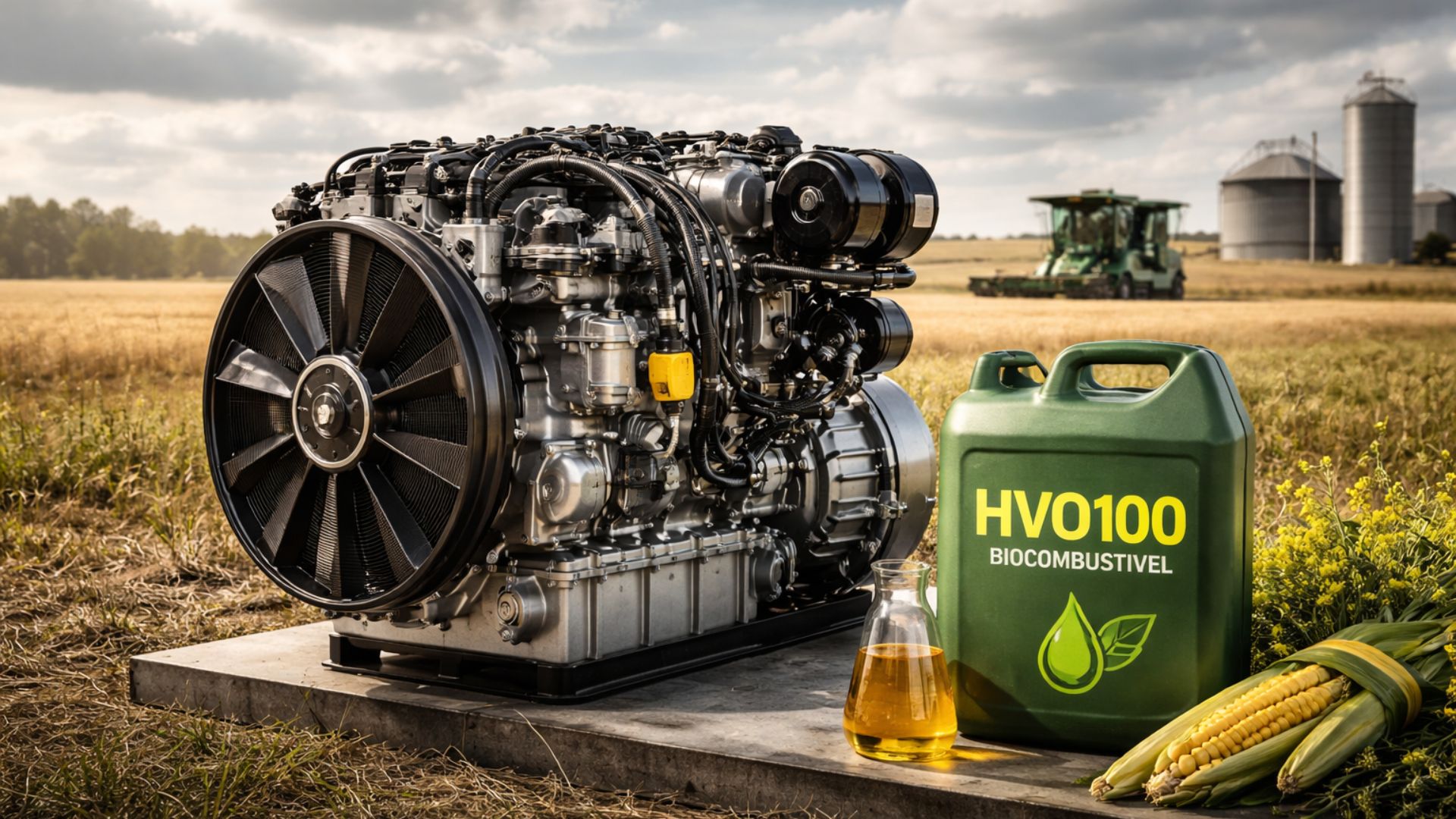
Innovation with biofuel engines transforms agribusiness by replacing diesel without the need for major adaptations, ensuring energy efficiency and helping to reduce dependence on oil.
-
Used Cooking Oil Transforms Into Kerosene: How 1 Million Tons of Used Fat Are at the Center of an Aviation Fuel Market That Could Attract Over $1 Trillion in Investments, Already Fuels Planes with Up to 80% Lower Emissions, and Triggered a Global Competition for This Waste


When conflicts approach these strategic areas, the impact quickly spreads through the international market. The price of oil reacts, the cost of freight increases, and importing countries immediately feel the effects. Amid this war environment, Brazil exhibits a characteristic that differentiates it from many economies: a significant portion of the fuel consumed domestically is composed of biofuels produced within its own territory.
This factor partially reduces the country’s exposure to external shocks from oil and reinforces the importance of energy policies that expand domestic production of renewable fuels. Thus, ethanol and biodiesel are no longer seen merely as instruments for reducing emissions but occupy the position of a strategic asset to ensure greater energy security.
Volatility Of Oil In Times Of War Increases Risks For Countries Dependent On Fossil Fuels
Historically, episodes of war or geopolitical crises in producing regions have a direct impact on the price of oil. When energy infrastructures are attacked or trade routes are threatened, the market reacts quickly to the possibility of a reduction in global supply.
Institutions such as the Energy Information Administration point out that tensions in the Middle East often trigger significant fluctuations in the international price of oil. Even rumors of attacks on refineries or storage facilities are sufficient to alter expectations of supply and demand.
This scenario exposes a structural problem: economies heavily reliant on imported fossil fuels become more vulnerable when energy enters the battlefield. In times of war, the price of oil tends to incorporate a geopolitical premium, raising prices and putting pressure on production chains.
For countries with alternative energy sources, the impact may be smaller. In the Brazilian case, the consolidated presence of biofuels in the transportation matrix creates an economic buffer. This system does not completely eliminate the effects of external shocks but enhances energy security and reinforces the role of these renewable fuels as strategic assets.


Mandatory Blending Transforms Biofuels Into A Strategic Asset Of Brazilian Energy Policy
The Brazilian differential did not arise spontaneously. It is the result of decades of public policies aimed at diversifying the energy matrix. Today, the presence of biofuels in gasoline and diesel represents one of the pillars of national energy policy.
Since August 2025, regular and premium gasoline has been circulating in Brazil with approximately 30% anhydrous ethanol in its composition. The diesel sold in the country incorporates about 15% biodiesel. These percentages are defined and regulated by the National Agency of Petroleum, Natural Gas, and Biofuels.
This regulatory architecture creates an important structural cushion for the economy. The higher the share of biofuels in the energy matrix, the lower the relative need for fossil fuels derived from oil to supply the domestic market.
In times of stability, this model is usually primarily associated with the environmental agenda. However, in a context of international war and geopolitical tensions, it takes on another reading: that of a strategic asset capable of enhancing the country’s energy security.

Ethanol Gains Economic Relevance In The Face Of International Pressure On Oil
Among Brazilian biofuels, ethanol is the most visible to consumers. Produced mainly from sugarcane, it fuels millions of flex vehicles and also composes the mandatory gasoline blend.
Recent data from the National Agency of Petroleum, Natural Gas, and Biofuels indicate that regular gasoline has been sold in the range of R$ 6.30 per liter, while hydrated ethanol is around R$ 4.60. The S10 diesel, on the other hand, is approximately R$ 6.15.
This snapshot of the market allows for two important readings. The first is that ethanol enters the current international scenario at a relatively competitive level compared to gasoline derived from oil. The second is that if war and geopolitical tensions keep the price of oil under pressure, the renewable fuel is likely to gain even more appeal.
In addition to price, the strategic value of ethanol also lies in its mandatory incorporation into gasoline. This mechanism ensures that a significant portion of the energy used in Brazilian transport comes from domestic production. In this way, biofuels reinforce their position as strategic assets to maintain energy security even in periods of international instability.
Biodiesel Strengthens Energy Security In Transportation And Agriculture
Although less noticeable for ordinary drivers, biodiesel plays a fundamental role in Brazil’s energy structure. Blended with fossil diesel, it powers road transport, cargo logistics, and a significant part of agribusiness operations.
Diesel is considered the most sensitive fuel for the national economy. Trucks responsible for transporting food, industrial inputs, and goods depend directly on it. Any significant increase in oil prices can quickly spread through the country’s logistical costs.
In this context, the mandatory blending of biodiesel helps reduce part of this dependence. Even small variations in the proportion of biofuels incorporated into diesel can represent significant volumes of replacement for fossil fuels.
In an international scenario marked by war and energy uncertainties, this characteristic gains additional value. Biodiesel is seen as a strategic asset that contributes to energy security, reducing Brazil’s exposure to fluctuations in the global oil market.
Energy, Sovereignty, And The New Strategic Role Of Biofuels
The energy crisis associated with international conflicts is transforming how governments analyze their energy policies. In a world where oil has again taken on a strong geopolitical component, securing diversified sources of supply has become a priority.
For Brazil, biofuels represent an important competitive advantage. The combination of agricultural production, industrial technology, and public policies has allowed the consolidation of a sector capable of providing a significant part of the fuel consumed in the country.
This model does not completely eliminate the impacts of an international war on the energy market. Brazil is still exposed to fluctuations in oil, especially in the case of diesel and imported derivatives.
However, the increasing presence of ethanol and biodiesel creates instruments capable of cushioning part of these pressures. Thus, biofuels cease to be merely an element of the energy transition and become integrated into the economic infrastructure of the country as a strategic asset.
By increasing domestic production and reducing external dependence, Brazil strengthens its energy security and improves its ability to face international crises. In a global scenario marked by geopolitical disputes and instability in the oil market, this energy strategy proves increasingly relevant for ensuring economic stability and national autonomy.








-

Uma pessoa reagiu a isso.