





 English
  Francês
  Alemão
  Italiano
  Japonês
  Norueguês
  Portuguese
  Spanish
  6 min of reading
  0 comments


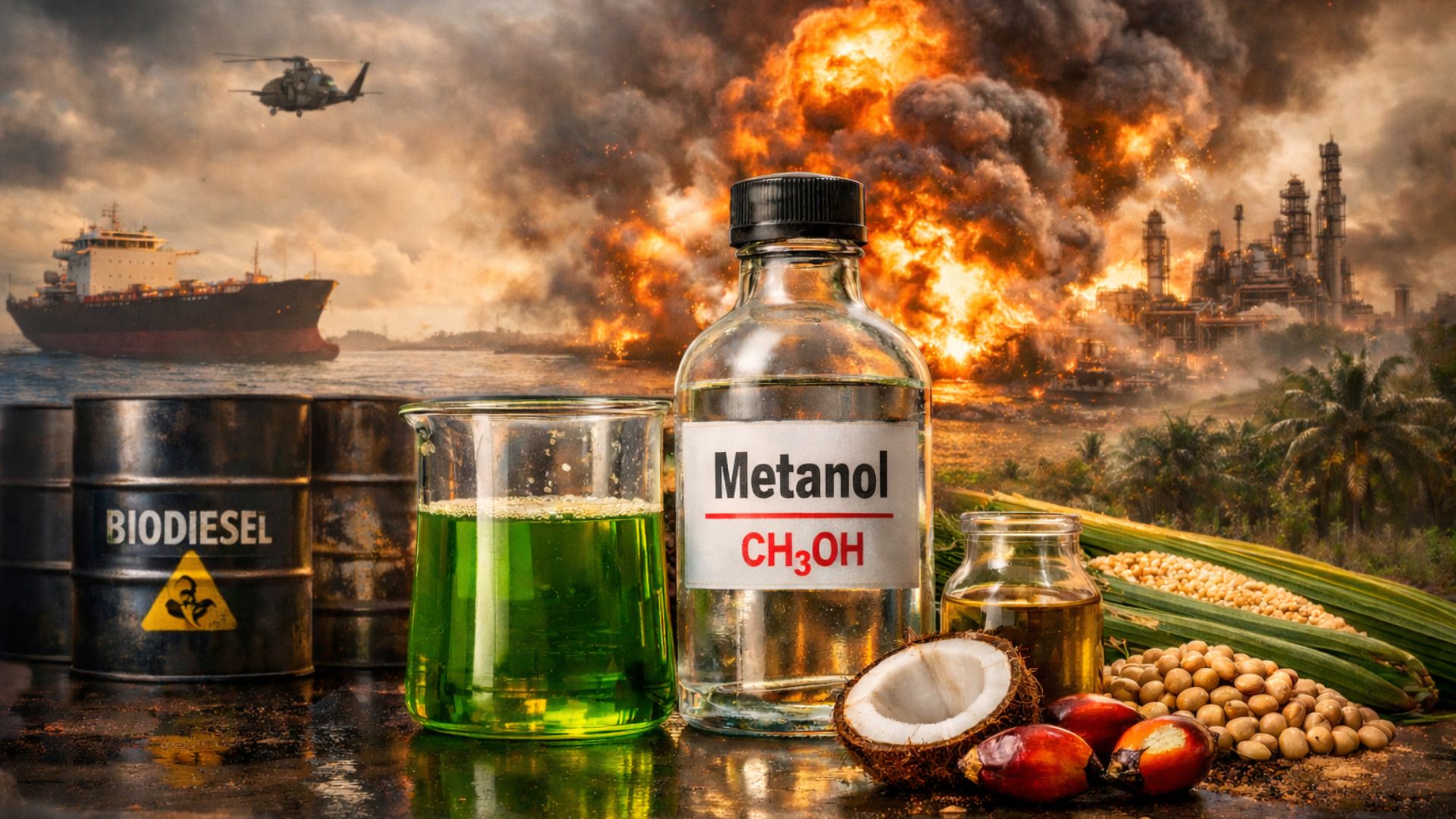
Tensions Of The War In The Middle East Put Pressure On The Global Methanol Market And Create Concerns In The Biodiesel Chain. Understand How The Rise In Inputs Can Impact Biofuel Production, Vegetable Oil Prices And The Balance Of The International Agricultural Market.
The war in the Middle East is beginning to produce effects that go beyond oil and natural gas and are already affecting the global renewable energy chain. One of the most recent impacts is occurring in the methanol market, an essential input for the production of biodiesel and other biofuels.
According to a report published by Canal Rural on March 11, in recent weeks, logistical disruptions and production cuts in strategic countries have rapidly raised commodity prices, creating an alert scenario for the energy industry and agribusiness.
Methanol Price Rises By About 24% In A Week
Data from consultancy Polymer Update indicates that the price of methanol destined for Southeast Asia rose by about 24% in just one week, reaching US$ 402 per ton. This was the largest weekly jump recorded since 2007, highlighting the sensitivity of the global market to geopolitical tensions.
-
Brazil accelerates decarbonization in the South: International forum in Foz do Iguaçu gathers leaders to discuss the advancement of biomethane in the energy matrix and the potential of “caipira pre-salt.”
-
As diesel prices soar due to conflicts in the Middle East, a Brazilian city decides to test a little-known biofuel that promises to completely replace fossil fuel without adaptation and could change the future of energy in the country.
-
Innovation with biofuel engines transforms agribusiness by replacing diesel without the need for major adaptations, ensuring energy efficiency and helping to reduce dependence on oil.
-
Used Cooking Oil Transforms Into Kerosene: How 1 Million Tons of Used Fat Are at the Center of an Aviation Fuel Market That Could Attract Over $1 Trillion in Investments, Already Fuels Planes with Up to 80% Lower Emissions, and Triggered a Global Competition for This Waste


The increase is directly linked to the consequences of the war in the Middle East, which has begun to affect strategic shipping routes and industrial facilities related to the production of chemical inputs derived from natural gas. Since methanol is an indispensable raw material for the manufacture of biodiesel, any restriction in supply tends to provoke chain impacts in the biofuels industry.
If the scarcity persists, countries that heavily depend on this production chain, such as Indonesia, may face difficulties in meeting their mandatory renewable fuel blending targets. This could create indirect effects in the global agricultural market, especially in the prices of vegetable oils used in biofuels.
War In The Middle East Puts Pressure On Global Energy And Methanol Chains
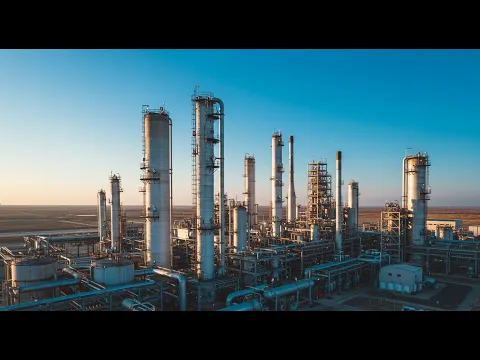
The escalation of the war in the Middle East has begun to create direct impacts on the international methanol market, one of the most important chemical inputs in the energy industry. The region holds a significant portion of the global production of this substance, which is primarily obtained from natural gas.
With the increase in military tensions and attacks involving countries in the region, maritime traffic on strategic routes in the Persian Gulf has been reduced. This logistical corridor is essential for transporting various chemical and energy products destined for Asian markets.
In addition to logistical interruptions, companies in the energy sector also face operational shutdowns. QatarEnergy, for example, announced the temporary suspension of production of some downstream products, including methanol, following the closure of one of its major facilities related to liquefied natural gas processing.
As a large portion of global methanol is produced from natural gas, any disruption in this stage of the production chain quickly translates into scarcity and price increases in the international market.
This scenario shows how the war in the Middle East can impact sectors that may initially seem distant from the conflict, including global biodiesel production and other biofuels.

Why Methanol Is Essential For Biodiesel Production
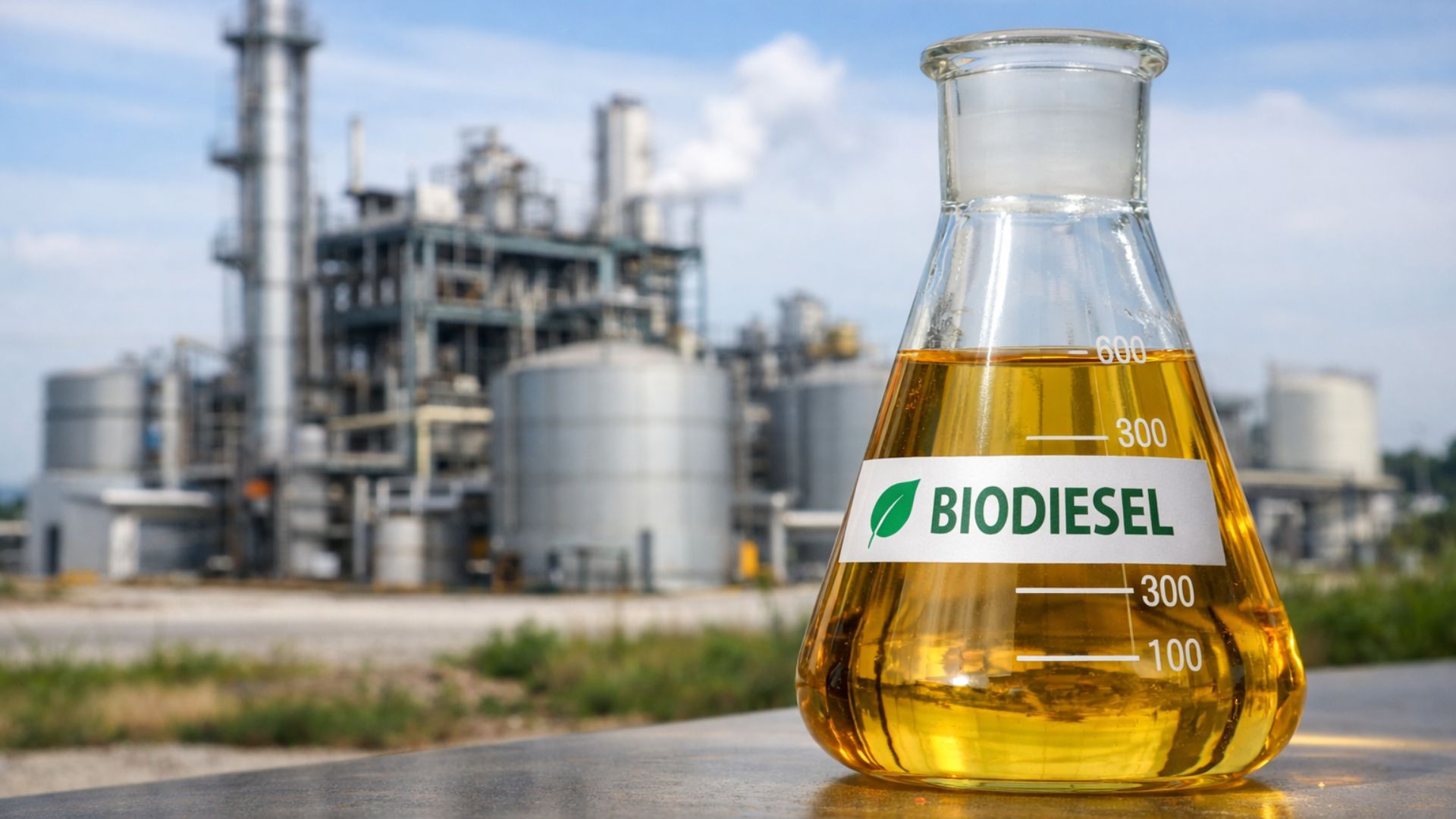
Methanol plays a central role in the manufacture of biodiesel because it participates in the chemical process that allows vegetable oils or animal fats to be transformed into renewable fuel. This process, known as transesterification, depends on the reaction between oil and chemical alcohol to produce the final fuel.
Without methanol, the conversion of agricultural raw material into biodiesel does not occur on an industrial scale. This means that any reduction in the supply of this substance can directly affect the production of biofuels in various countries.
In addition to being used in the energy industry, methanol also has widespread applications in the production of chemical products, plastics, solvents, and synthetic fuels. This diversity of uses further increases pressure on the market when global supply decreases.
Given this context, the recent 24% increase in the price of the commodity reveals the degree of sensitivity of the global energy chain. For countries that depend on large volumes of the input, any interruption can compromise biodiesel production in a matter of weeks.
Indonesia Depends On Methanol To Sustain Its Biofuel Production
Indonesia occupies a strategic position in the global biofuels market, especially in the biodiesel segment. The country is the largest producer of palm oil in the world, a raw material widely used in the manufacture of this renewable fuel.
A large portion of the palm oil produced in the country is not intended for food but is instead converted into energy. To enable this transformation, methanol is used to break down the chemical structure of vegetable oil and allow its conversion into biodiesel.
In recent years, the Indonesian government has adopted aggressive mandatory blending targets for biofuels in fossil diesel. The current program requires a high proportion of biodiesel in the fuel sold in the country, which increases the industry’s dependence on inputs such as methanol.
With the impacts of the war in the Middle East on trade routes and industrial production, traders in the energy sector have already begun to warn that methanol stocks in Indonesia may start to decline in the coming weeks.
If this occurs, there is a risk that the country may face difficulties in meeting the monthly production quotas for biodiesel set by the government starting in April.
Increase In Methanol May Hit The Global Agricultural Market
The effects of the war in the Middle East and the rise in methanol are not limited to the energy industry. The impact is also starting to appear in the international agricultural market, particularly in the vegetable oil segment.
Since the beginning of geopolitical tensions, prices for some of these products have recorded sharp movements. Palm oil, for example, saw a momentary spike of up to 10% in a single day, reflecting uncertainties about future biodiesel production.
This reaction occurs because the biodiesel industry has become one of the main sources of demand for agricultural raw materials. Any change in expectations for biodiesel production can quickly alter price dynamics.
If the high cost of methanol reduces biodiesel production in Southeast Asia, the demand for palm oil may decrease. This would increase the available supply for the food market, putting pressure on global prices.
On the other hand, if fossil diesel remains expensive due to the war in the Middle East, governments may reinforce mandatory blending policies for biofuels, again raising the demand for agricultural raw materials.
Biofuels Gain Importance Amid Energy Tensions
The current crisis highlights the increasingly strategic role of biofuels in global energy security. Countries that rely on oil and natural gas imports are seeking to diversify their energy sources to reduce geopolitical vulnerabilities.
In this context, biodiesel and ethanol programs have taken a central position in the energy policies of various emerging economies.
However, the recent increase in methanol shows that even renewable energy chains still heavily depend on global industrial inputs. When conflicts like the war in the Middle East affect these inputs, the impact can quickly spread across different sectors of the economy.
This includes the chemical industry, agribusiness, international logistics, and commodity financial markets.
An Invisible Link That Reveals The Fragility Of The Energy Chain
Energy crises often reveal vulnerabilities that go unnoticed during periods of stability. The current case shows how a relatively overlooked input, like methanol, can become a central piece in balancing global biodiesel production.
The war in the Middle East has highlighted this vulnerability by affecting logistical routes, industrial production, and trade flows of a commodity essential for the manufacture of biodiesel.
For countries like Indonesia, which depend on significant imports of the input, prolonged supply disruptions could jeopardize energy targets and pressure agricultural markets.
At the same time, the episode reinforces the growing interconnection between agriculture and energy. In times of geopolitical tension, agricultural commodities like soybeans and palm oil begin to behave not only as food products but also as energy assets.
It is precisely at this intersection between agribusiness, the chemical industry, and energy that global markets tend to react most intensely. And as the war in the Middle East continues to influence the supply of methanol, the production of biodiesel and other biofuels will remain under the watch of governments, companies, and investors worldwide.








Seja o primeiro a reagir!