





 Portuguese
  English
  Spanish
  5 min of reading
  0 comments


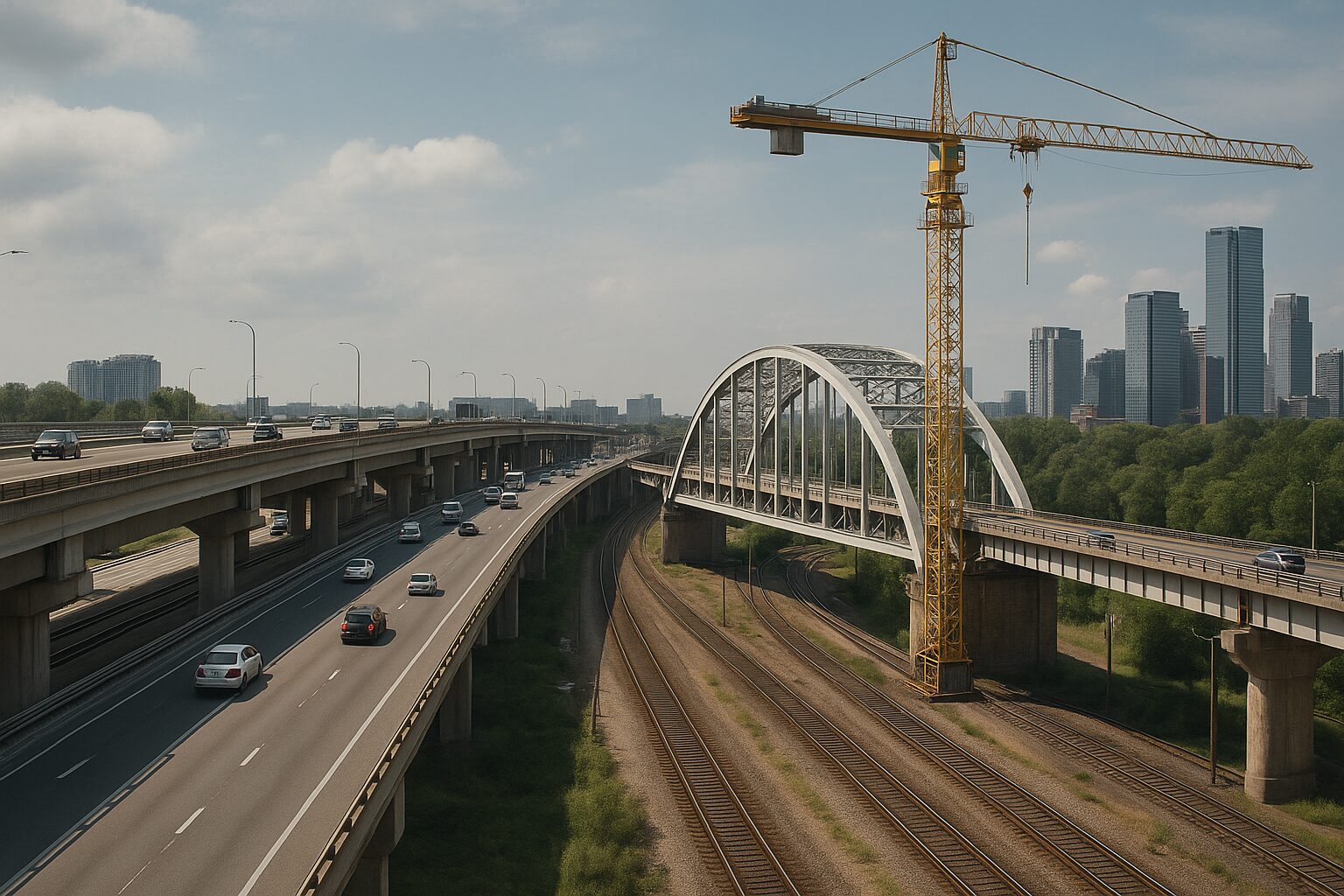
Discover How the Infrastructure Market Drives the Economy, Connects People, and Transforms Cities, with a Comprehensive and Accessible View for Beginners and Professionals in the Field.
When we hear about the infrastructure market, many immediately think of large projects like bridges, roads, ports, and airports.
However, this sector goes far beyond civil construction. Moreover, it directly impacts a country’s development, the quality of life of people, and the functioning of the entire economy.
Therefore, both beginners and experienced professionals need to understand the fundamentals of this market to operate with more awareness and strategy.
-
Employee Fired After Accumulating 114 Days of Medical Leave in One Year, Labor Court Upholds Company’s Decision

-
Employee Fired While Treating Depression Wins in Court and Vale Is Required to Rehire Him Following Decision Based on the CLT and INSS Benefits

-
Workers Should Be Aware! March 6 Will Be The Fifth Business Day Of March And The Final Deadline For Companies To Pay Salaries According To The CLT

-
2026 FGTS Anniversary Withdrawal Is Released According to Birth Month, Sets Amounts by Balance Range, Establishes Deadlines for March and April, and Changes Rules in Case of Dismissal


Additionally, the infrastructure market involves a complex production chain, which includes everything from manufacturing materials, providing specialized services, to operating and maintaining systems.
For this reason, understanding the different stages and the agents that operate in this segment becomes essential for those who wish to enter or advance in their careers.
What Is the Infrastructure Market?
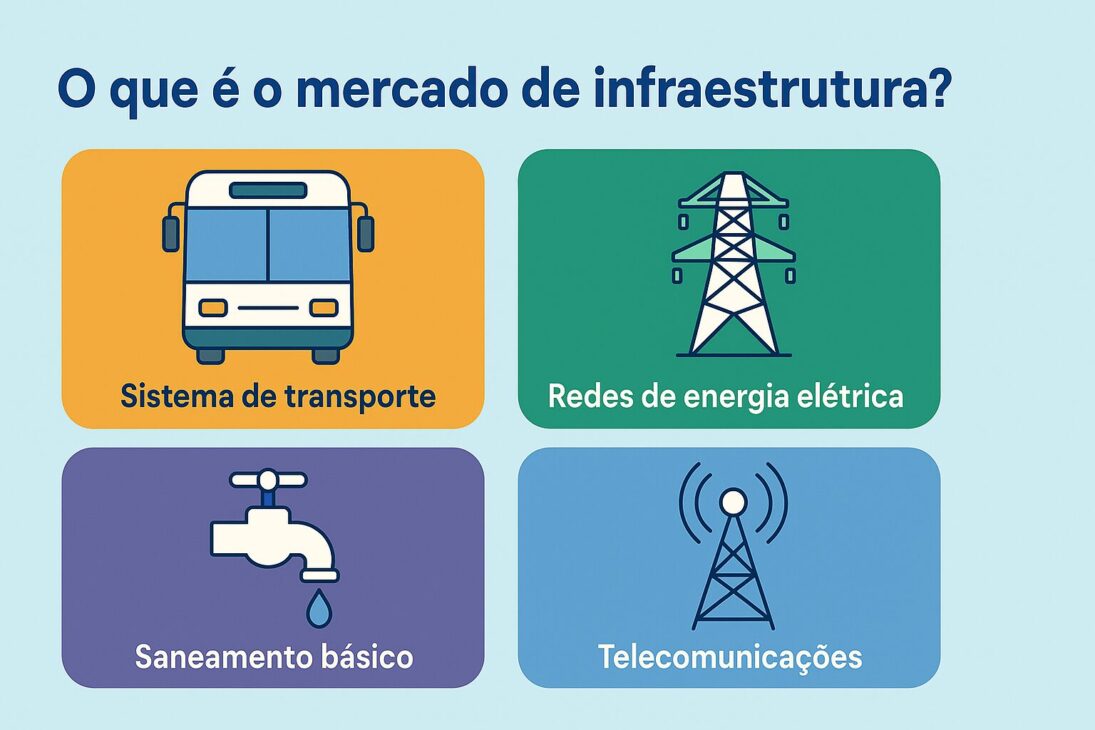
First of all, the infrastructure market encompasses all sectors responsible for the construction, maintenance, and operation of essential structures for the functioning of society.
This includes transportation systems, electricity networks, basic sanitation, telecommunications, urban mobility, public works, logistics, and even the services that ensure waste management and water supply.
These areas, when well-structured, promote sustainable growth and facilitate social and economic development.
As a result, a country with quality infrastructure can attract more investments, generate jobs, reduce inequalities, and increase its competitiveness on the global stage.
Another important point is the direct influence that infrastructure has on the productivity of companies and the daily lives of people.
For example, the efficiency in transporting goods impacts the prices of products and the speed with which they reach the final consumer.
Similarly, access to a reliable electricity network ensures the functioning of industries, commerce, and residences.
According to data from the Brazilian Institute of Geography and Statistics (IBGE), in 2023, the infrastructure sector accounted for approximately 8% of Brazil’s Gross Domestic Product (GDP), highlighting its economic importance (IBGE, 2023).
A Brief Historical Overview
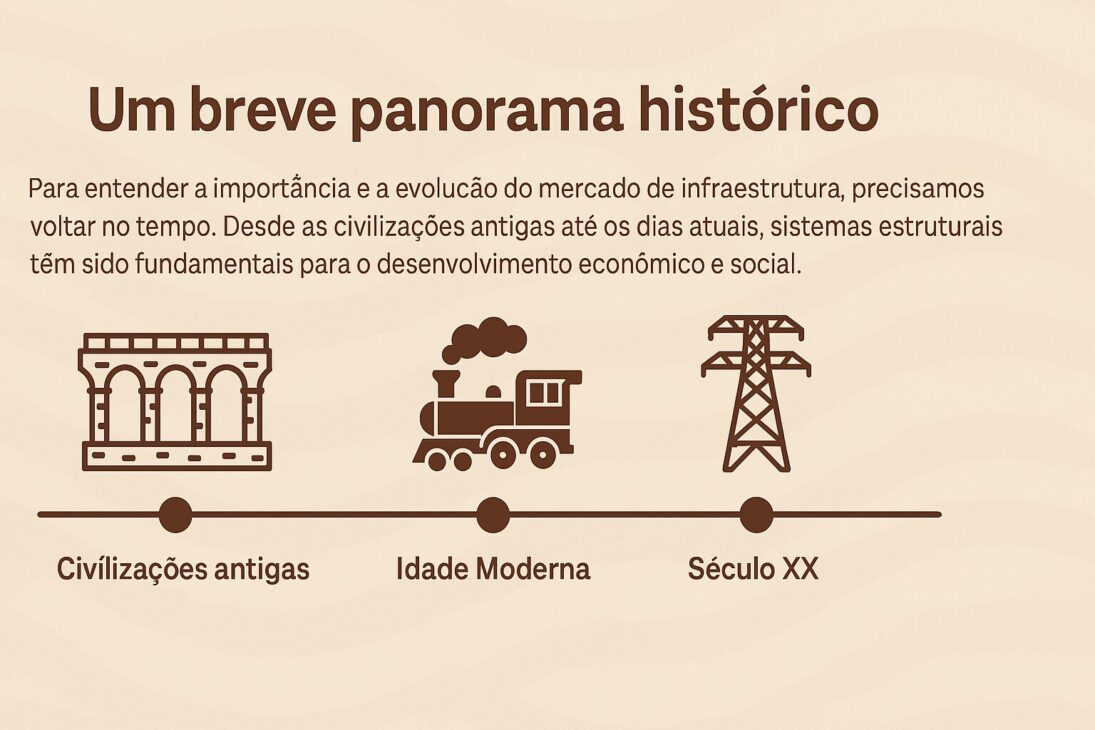
To understand the importance and evolution of the infrastructure market, we need to go back in time.
Since ancient civilizations, such as the Egyptians, Romans, and Greeks, building structural systems has been a high priority.
The Romans, for example, became known for their paved roads, aqueducts, and bridges that connected the entire Empire and allowed for economic and military expansion.
According to the Roman historian Vitruvius, in the 1st century BC, these works reflected engineering advancements and contributed to the administrative control of the territory.
During the Modern Age, with the advancement of technologies and the emergence of new urban demands, cities began to organize themselves in a more planned manner.
Additionally, the Industrial Revolution in the 18th century marked a turning point for infrastructure.
Indeed, the construction of railways, ports, and power plants became strategic for economic growth.
In the 20th century, especially after the two world wars, countries invested heavily in infrastructure for reconstruction and development.
According to the World Bank, between 1945 and 1970, there was a significant increase in public investments in infrastructure in developed countries, resulting in the expansion of transportation and electricity systems (World Bank, 2022).
Finally, with globalization and technological advancements at the end of the 20th century and the beginning of the 21st, the infrastructure market gained even more complexity.
Projects began to incorporate digital technologies, sustainability, and integration between different transportation modes, enhancing their importance for urban and regional development.
According to the National Land Transportation Agency (ANTT), in Brazil, between 2000 and 2020, there was a considerable increase in road concessions that modernized the country’s road network, demonstrating the commitment to the public-private model to promote the sector (ANTT, 2021).
The Importance of Infrastructure in Daily Life
Today, the infrastructure market remains one of the pillars of economic development.
A good infrastructure system reduces logistics costs, improves the productivity of companies, and ensures a better quality of life for the population.
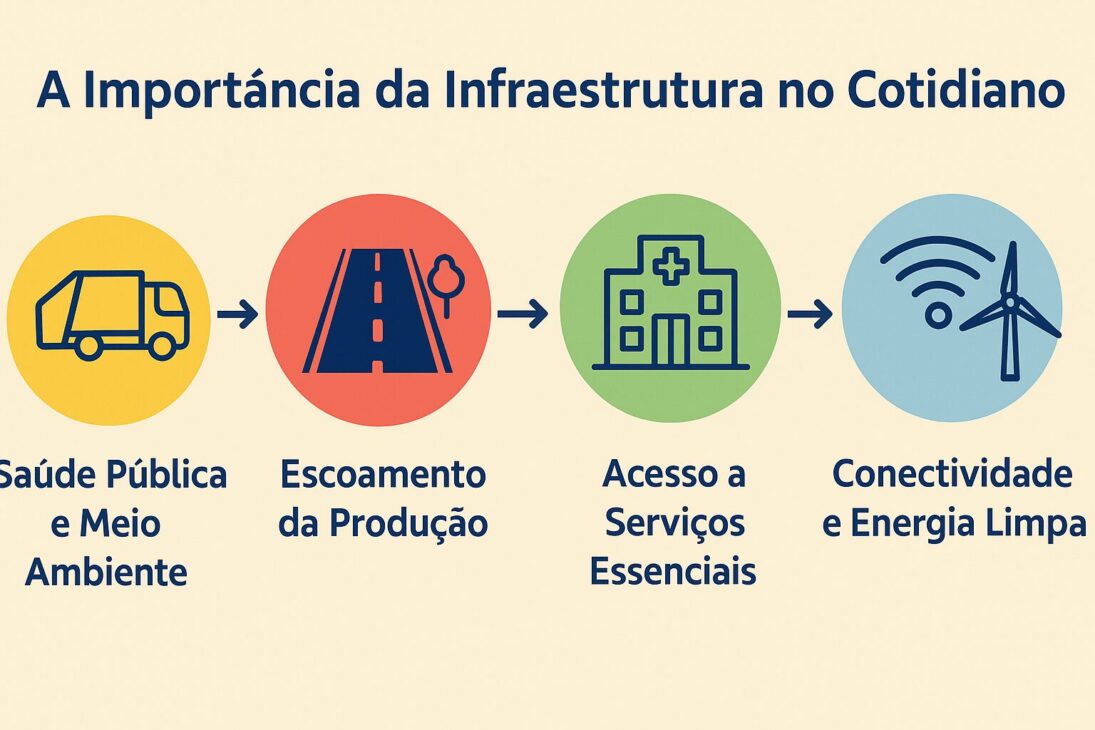
Imagine, for example, a city without a sewage collection and treatment system. This directly affects public health, the environment, and water quality.
Similarly, poor roads hinder the flow of agricultural production, increase product costs, and limit access to essential services in more remote areas.
Additionally, population growth and accelerated urbanization generate new demands constantly.
Therefore, urban mobility, accessibility, clean energy sources, digital connectivity, and efficient resource management have gained prominence in discussions about infrastructure.
Another relevant factor is the role of infrastructure in emergency situations, such as natural disasters and health crises.
Robust structures allow for quicker and more effective responses, whether through roads for delivering aid, well-equipped hospitals, or efficient communication systems.
According to the Ministry of Infrastructure, Brazil has approximately 1.7 million kilometers of highways, but only about 12% are paved and maintained in good condition, indicating the need for constant expansion and modernization (Ministry of Infrastructure, 2024).
Investments and Challenges in the Sector
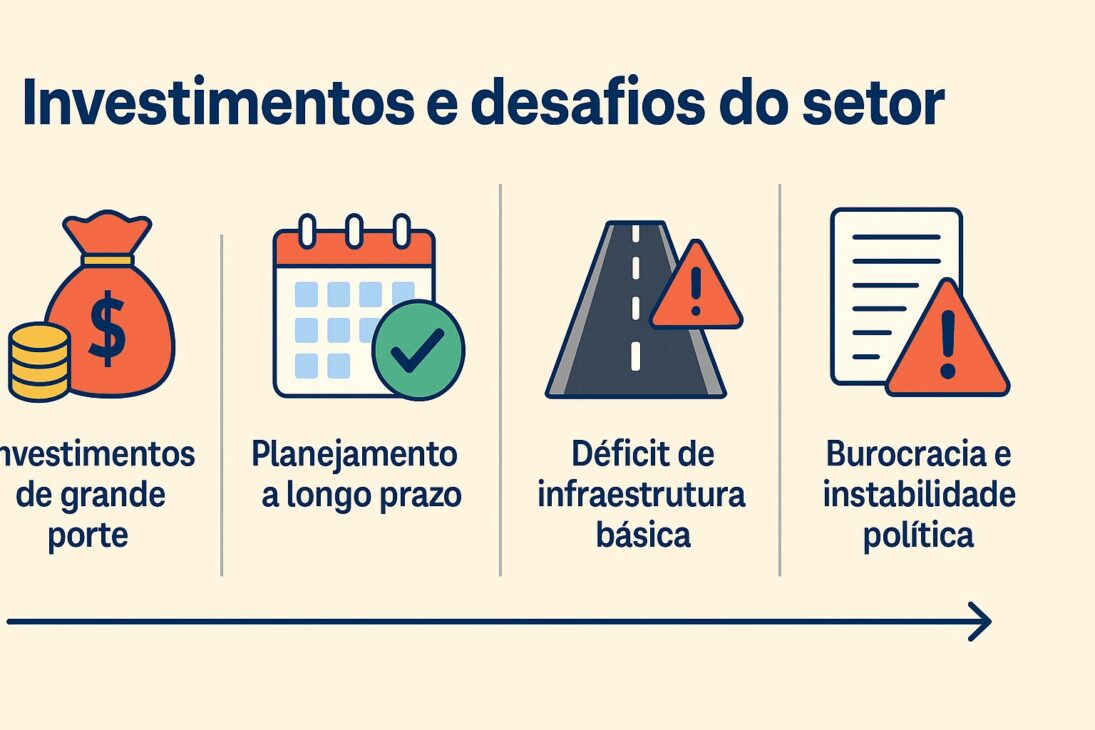
The infrastructure market has historically depended on large-scale investments, both from the government and the private sector. Therefore, financing projects represents one of the main challenges in the sector.
Besides the high costs, infrastructure requires long-term planning, technical capacity, and efficient management to ensure lasting results.
In many countries, especially developing ones, there is a significant deficit in basic infrastructure.
The lack of sanitation, poor roads, unstable electricity, and low-quality internet affect millions of people daily.
In recent years, new financing methods and partnerships between the public and private sectors have gained ground, such as concessions and Public-Private Partnerships (PPPs).
These alternatives allow private companies to build and operate infrastructure services, with rules defined by the State.
In addition to financial challenges, bureaucracy and political instability delay or even prevent the execution of important projects. Hence, professionals in the sector demand improvements in the regulatory environment, seeking greater legal security and attractiveness for investments.
According to the Annual Report of the National Bank for Economic and Social Development (BNDES), in 2023, PPPs accounted for approximately 30% of investments in infrastructure in Brazil, showing the increasing importance of this model (BNDES, 2023).
Infrastructure and Sustainability Go Hand in Hand
It is impossible to talk about modern infrastructure without considering sustainability. Therefore, the market has sought greener and more responsible alternatives that take into account the rational use of natural resources and environmental preservation.
Sustainable works, ecological certifications, and integration with social responsibility policies have become important differentiators.
Green infrastructure proposes solutions that combine engineering and nature, such as the construction of parks for flood control, green roofs for thermal insulation, and less polluting transportation systems.
These actions not only help the environment but also bring direct benefits for the health and well-being of the population.
Furthermore, global targets to reduce emissions and commitments to the United Nations Sustainable Development Goals (SDGs) have led governments and companies to rethink their projects.
This way, the adoption of clean technologies and the promotion of circular solutions are gaining more and more space in infrastructure planning.











Seja o primeiro a reagir!