





 Portuguese
  English
  Spanish
  4 min of reading
  0 comments


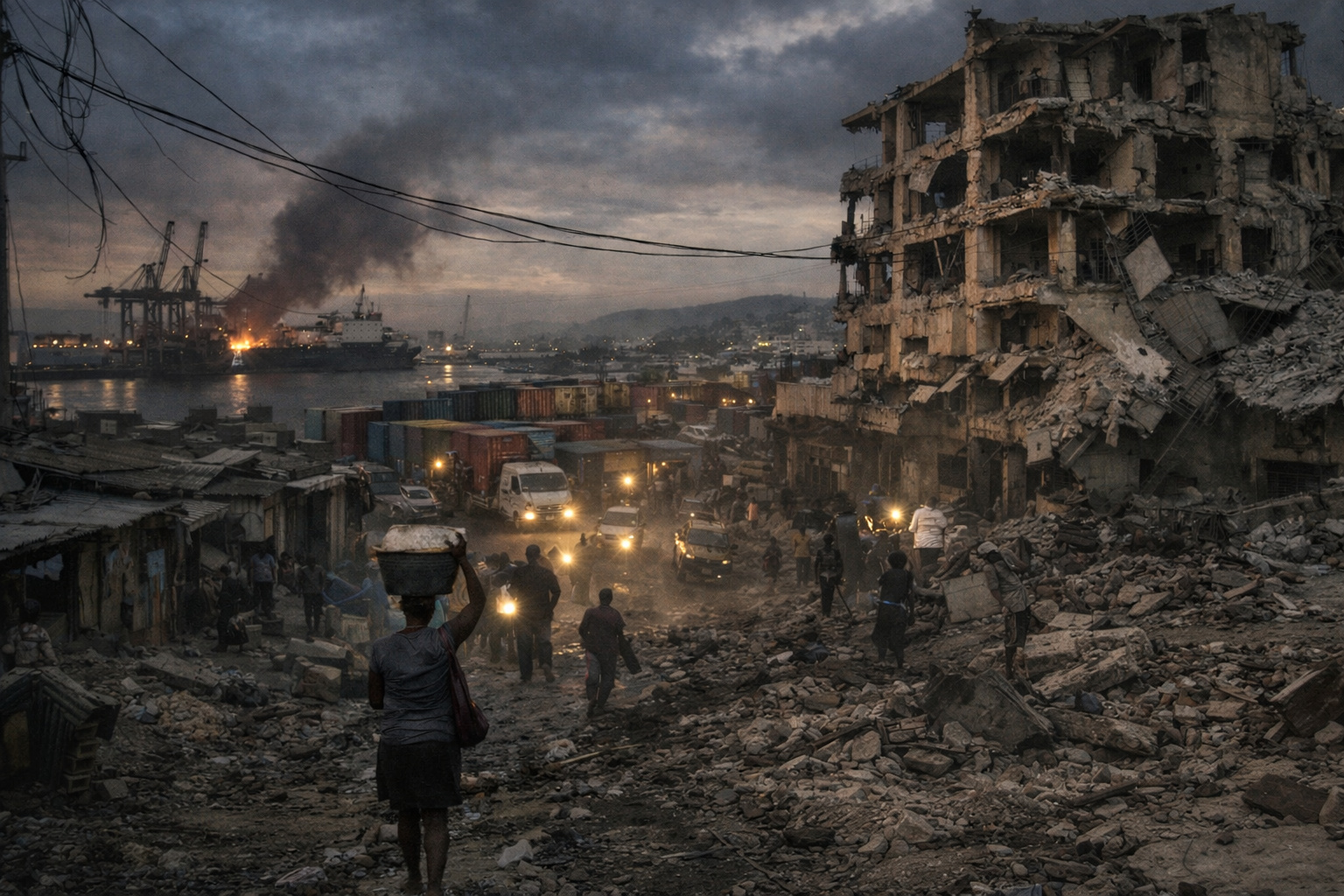
Port-au-Prince faces energy shortage, stalled commerce, and precarious construction, a scenario that affects daily life and hinders the local economy of Haiti
Port-au-Prince, the capital of Haiti, is facing a heavy crisis in energy and construction. The city deals with frequent blackouts, difficulties in maintaining basic services, and an urban landscape marked by insecurity and fragile construction.
The problem disrupts the routine of residents, businesses, and industries. When public lighting works for only a few hours a day, many people have to resort to diesel generators, which are expensive and also increase pollution.
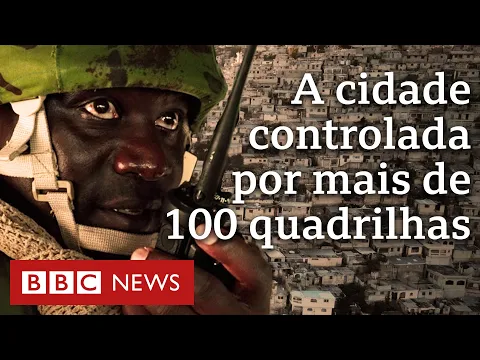

Before the earthquake in 2010, the capital had a different economic dynamic. Today, the situation is much harsher, with stalled commerce, vulnerable buildings, and few quick solutions to change the reality of the so-called city without light.
-
From a devastated quarry to an oasis of biodiversity with over 200 species: the incredible transformation of an old mine in Portugal that proves the power of nature to heal when given a chance.

-
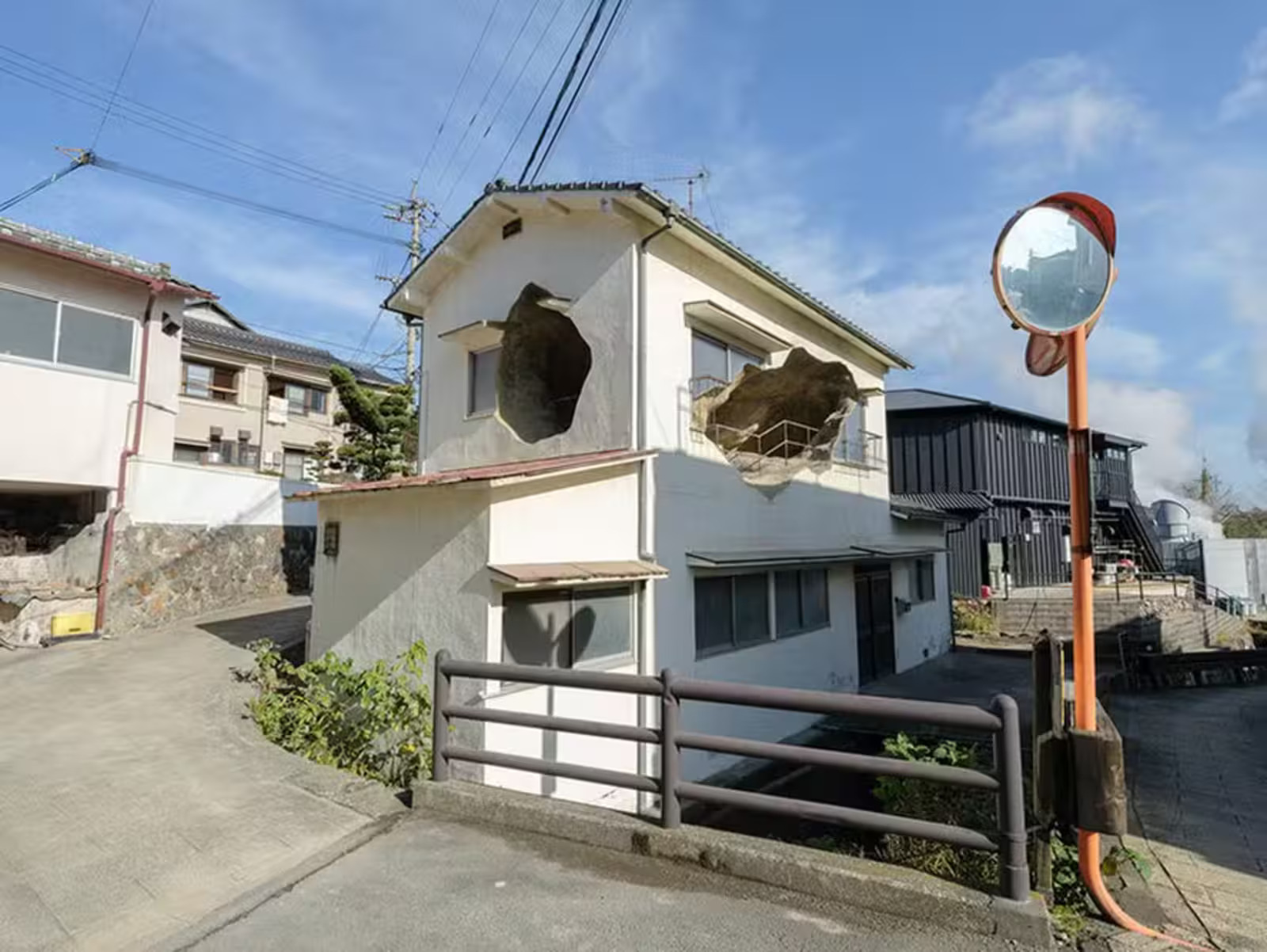
This house in Japan has been transformed on the inside and now looks as if it has been excavated from the inside out like a surreal cave.
-
Globo presenter lives in an R$ 8 million mansion in the interior of São Paulo, with a private lake, basketball and tennis courts, a “private hotel,” a condominium costing R$ 4,000, and surprising details in the decor.

-
Want to fall asleep faster and better? This technique reduces the temperature of the extremities, slows down heartbeats, regulates breathing, and can prompt the release of melatonin in minutes, helping to combat nighttime anxiety.


Energy crisis leaves Port-au-Prince in the dark for a good part of the day
The energy crisis is one of the strongest images of Port-au-Prince. The public electricity supply works for only a few hours a day, which harms homes, businesses, and industrial activities.
This void is filled by diesel generators, used as an alternative to keep machines, lights, and services running. The problem is that this solution is costly and also worsens pollution in the city.
The original material points out that private companies control 80% of the energy market. Even so, the lack of investment leaves 70% of the population without reliable access to electricity.
Lack of investment affects families, businesses, and local production
When the energy fails, the impact goes far beyond lighting. Industries and households feel the direct effect because instability disrupts production, increases operating costs, and complicates simple daily tasks.
This scenario helps explain why the crisis drags on. Without strong investment and with inertia from the public authorities, Port-au-Prince remains trapped in an expensive, polluting model that is insufficient to meet the needs of the population.
The original material also recalls an important curiosity. Before the earthquake in 2010, the capital exported coffee to generate energy revenue. Today, that reality is behind, while the city continues to live with the reputation of being a city without light in the 21st century.
Main port was affected and commerce lost strength
The city’s infrastructure also suffers at the main port, in the Gulf of Gonaïves. This location was once an important point for the export of sugar, coffee, textiles, and cement.
Now, the advance of gangs blocks access and paralyzes commerce. When the port loses functionality, the effect spreads across various areas of the economy because the circulation of goods is compromised.

This further hinders local recovery. A strong port usually drives employment, supply, and business activity, but insecurity has turned this entry point into another bottleneck for Port-au-Prince.
Informal constructions increase risk in an earthquake-prone area
In the construction sector, the situation is also worrying. Informal constructions dominate the urban landscape, increasing the risk for those who live and work in these spaces.
The problem is even greater because the city is in an unstable tectonic zone. In such a place, engineering standards and urban planning make a significant difference in reducing damage.
The earthquake in 2010 destroyed 80% of public buildings. This data exposes serious flaws in the structures and shows how the fragility of construction can amplify the impact of a natural disaster.
Small industry resists, but tourism and revitalization have lost strength
Even with so many difficulties, some industrial activities still persist on a small scale. The material mentions food processing and soap industries that remain active despite the challenging scenario.
However, cruise tourism, which used to drive the port, has collapsed due to insecurity. This removes an important source of cash flow and reduces opportunities for workers and small businesses.
Port-au-Prince also houses the largest financial center in the country, despite having an HDI of 0.510. There have been unsuccessful attempts at urban revitalization by the UN, focusing on attracting investments in sustainable construction, but the expected progress has not materialized.
Haiti has potential in solar and wind energy, but still without large projects
In the energy sector, Haiti explores solar and wind potential in a limited way. This shows that there is room to expand production with less polluting sources, but projects have not yet gained significant scale.
The material highlights that there are no large initiatives like wave power plants seen in Brazilian ports. In practice, this helps illustrate how the country is still far from a major turnaround in energy infrastructure.
Another interesting fact mentioned involves the Haitian diaspora. Immigrants from Port-au-Prince were hired on construction sites in Brazil after 2010, bringing labor to the construction sector in MG and revealing how the lack of local opportunities pushed many workers out of the country.
Port-au-Prince today lives a harsh picture of how precarious energy, insecurity, and fragile construction can paralyze an entire capital. The lack of light, the blocked port, and the risks in construction impact the economy and weigh heavily on the lives of the population.
At the same time, the city still holds some potential in areas such as solar energy, wind energy, and financial activity. The challenge lies in transforming this potential into a real project, with more security, investment, and infrastructure for the population.
And you, do you think Port-au-Prince can still turn this around in the coming years? Share this content and leave your opinion in the comments.





Seja o primeiro a reagir!