





 Portuguese
  English
  Spanish
  3 min of reading
  0 comments


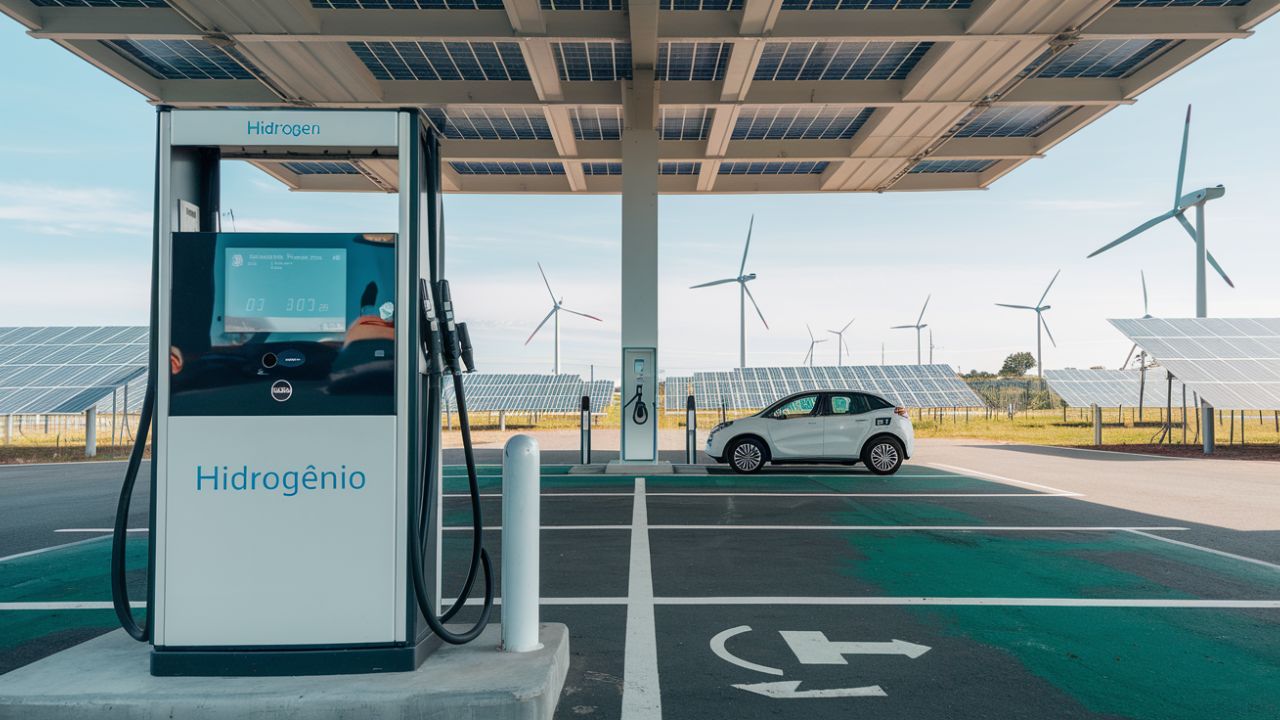
With Robust Biofuel Infrastructure, Abundant Renewable Energy, and the Explosion of Electric Cars, Brazil May Not Be Ready to Embrace Hydrogen-Powered Vehicles. Discover the Challenges and the Future of This Technology in the Country.
Have you ever imagined a car that emits only water vapor as waste? This is the promise of hydrogen-powered vehicles, a technology that has been discussed for years as a sustainable alternative for the automotive sector. But does this idea make sense for Brazil? With our robust biofuel infrastructure and the advancement of electric cars, perhaps not as much – at least for now.
What Are Hydrogen Cars and How Do They Work?
According to the website Eixos, hydrogen cars use fuel cells that convert hydrogen gas into electricity through a chemical reaction with oxygen. This generates enough energy to power the electric motor and releases only water vapor through the exhaust. Sounds like a dream, right? After all, the process is quick, taking around five minutes to refuel and ensuring a range of up to 600 km.
But the global reality tells another story. Even with major bets like the Toyota Mirai, the numbers are still unimpressive. In 2023, only 17,000 hydrogen vehicles were on the roads in the United States, compared to over 3 million electric cars. High costs and lack of infrastructure are significant barriers.
-
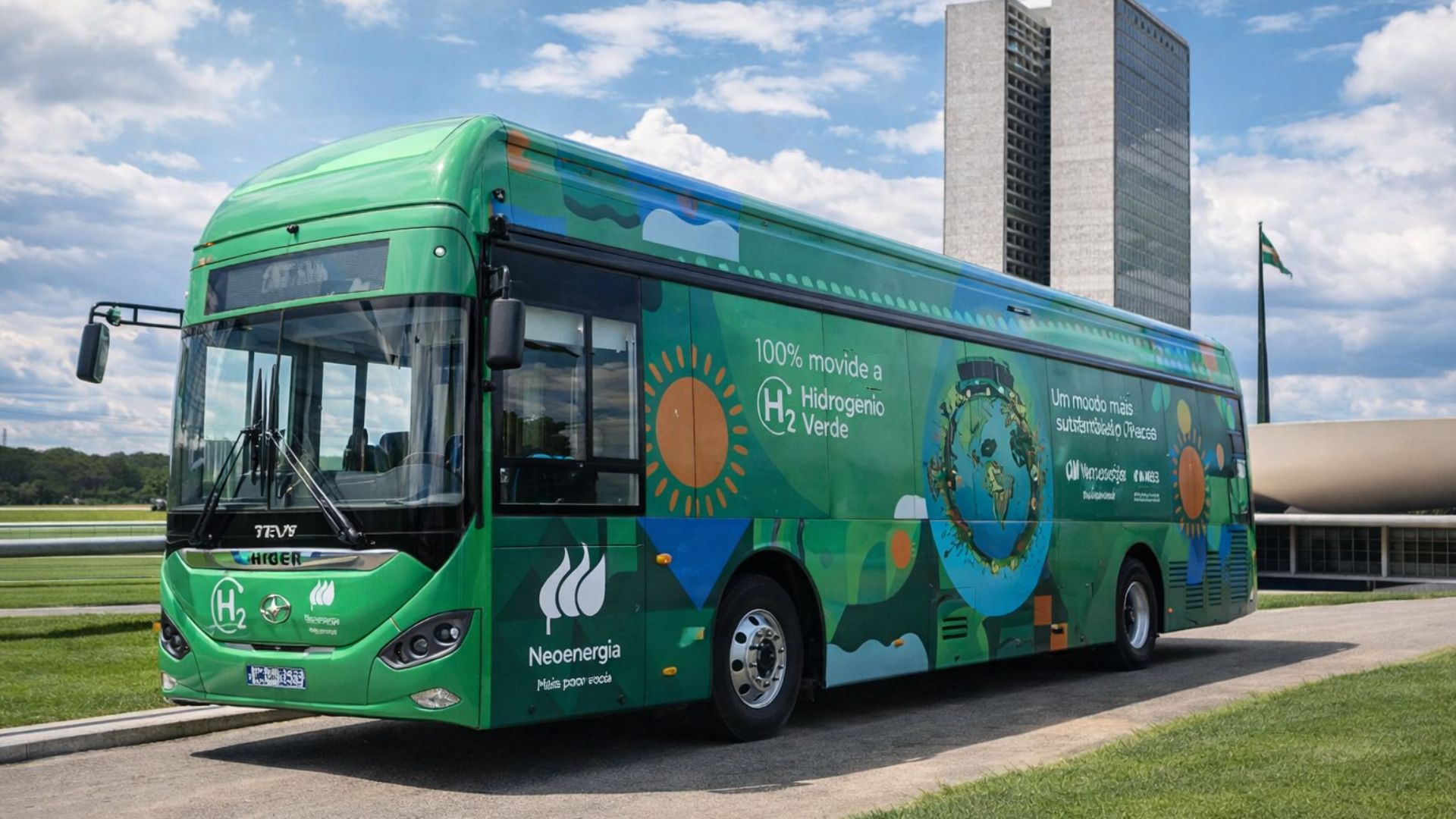
The Federal District bets on innovation and sustainability by launching a hydrogen-powered bus on a new tourist route, promising to reduce emissions and transform the urban experience for residents and visitors.
-
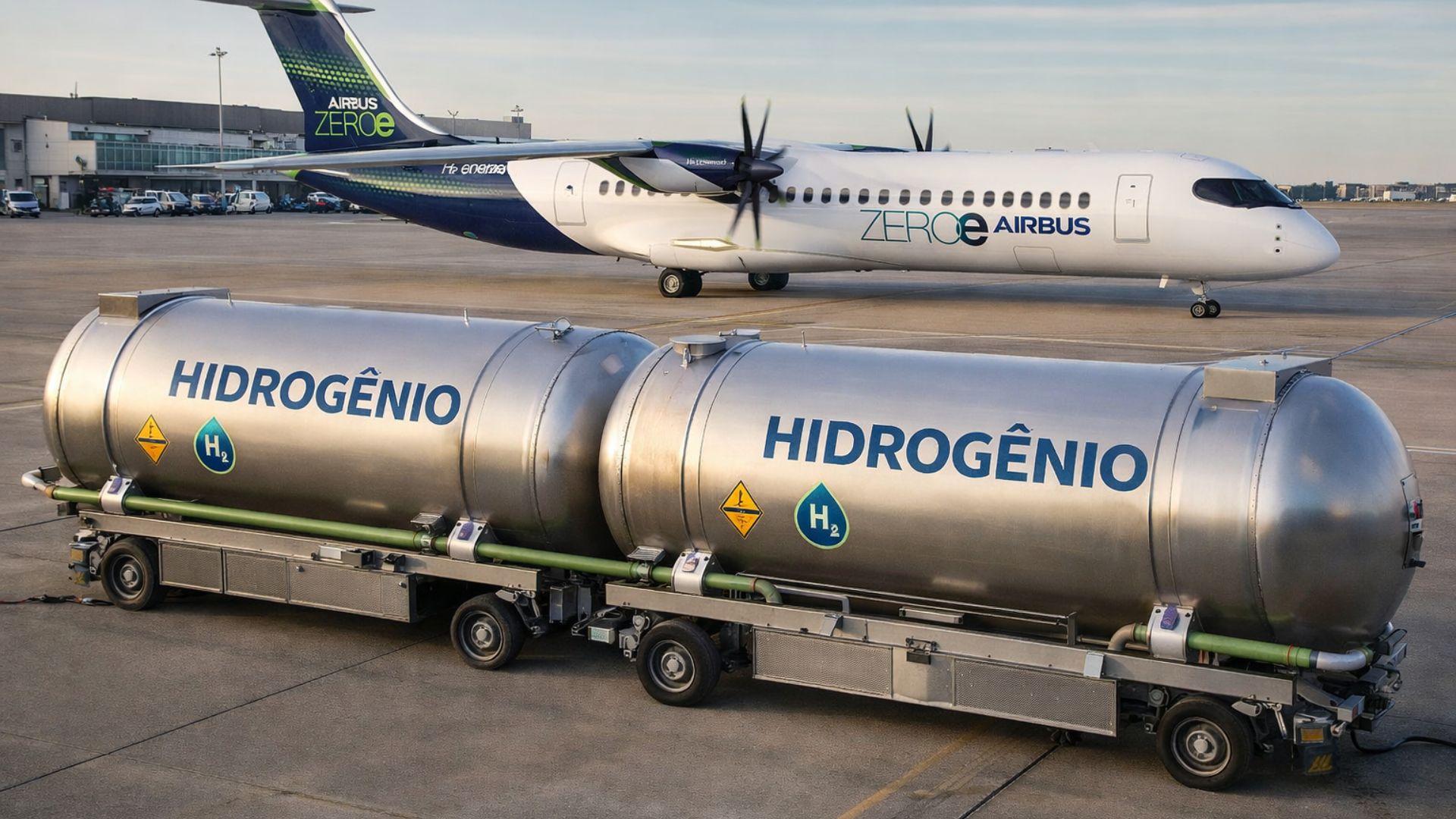
Hydrogen gains strength in aviation with Airbus and its fuel cell aircraft, potentially paving the way for sustainable flights, reduced environmental impact, and a new energy era in global air transport.
-
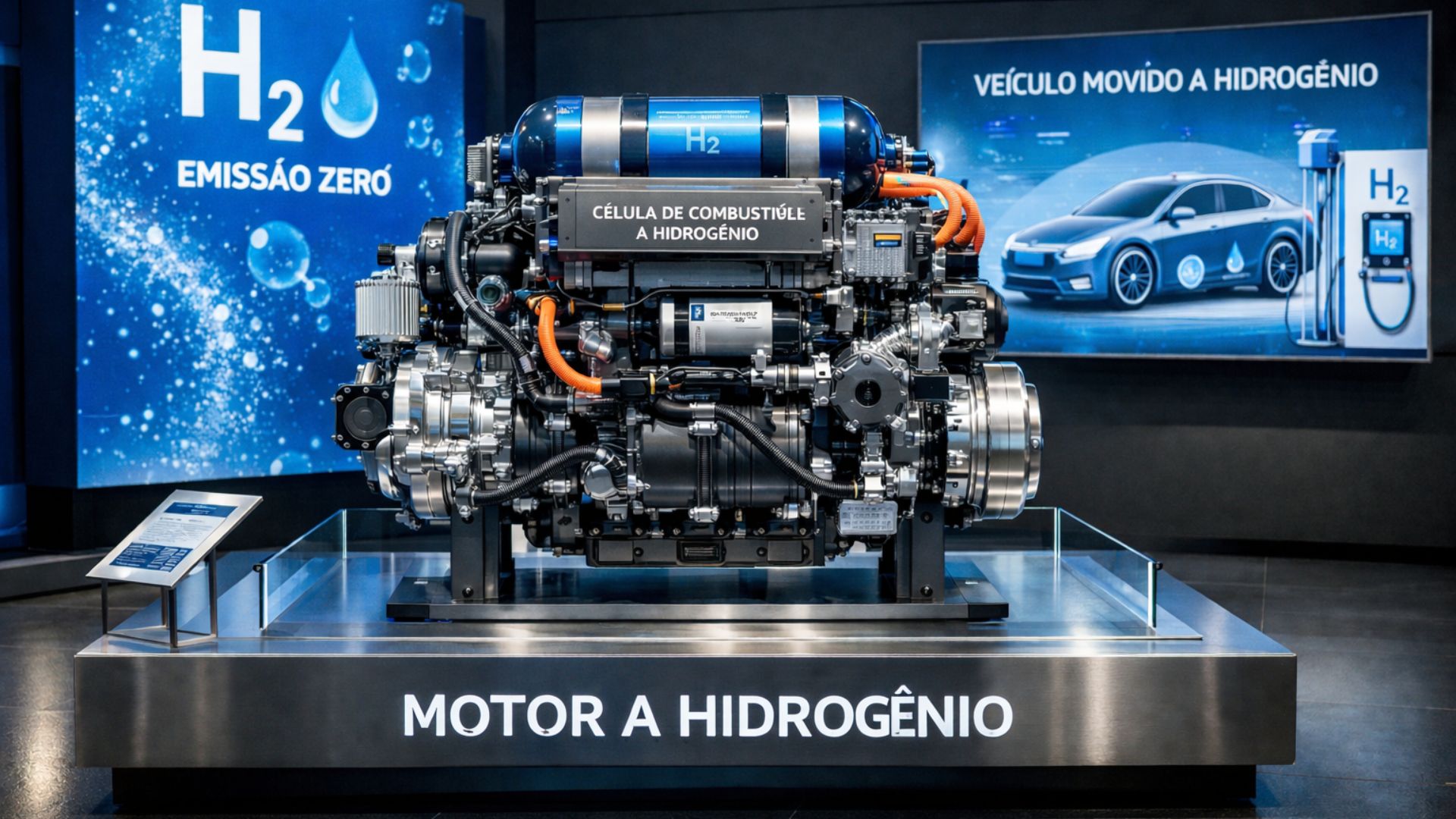
Hydrogen Engine Promises to Revolutionize Automotive Market and Creates a New Technological Horizon, But Economic Challenges Explain Global Resistance from Manufacturers
-
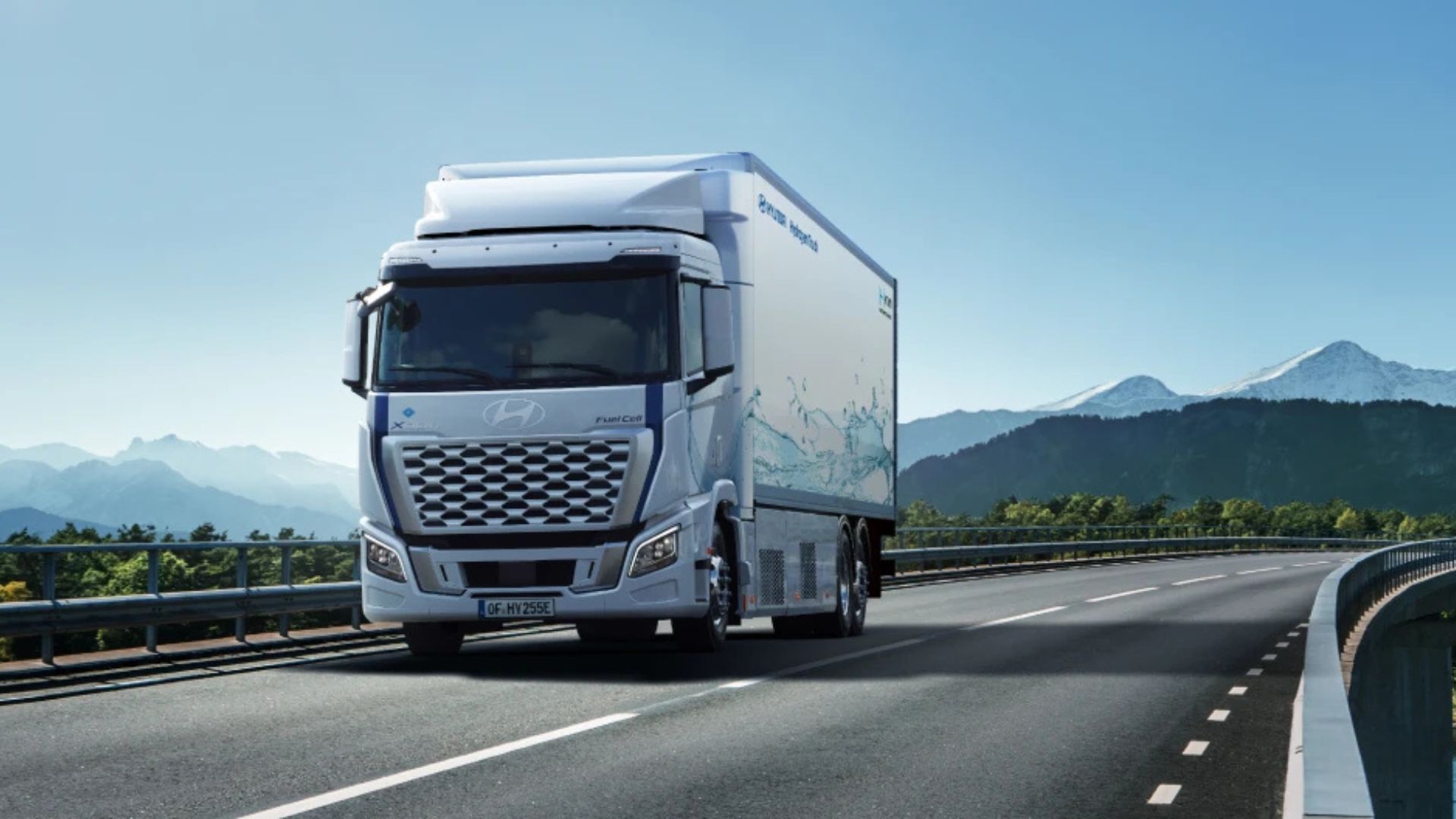
Hyundai XCIENT Fuel Cell Reaches 20 Million Km in Europe in Sustainable Logistics: Historic Milestone for Hydrogen Truck Fleet and Advancement of Global Clean Mobility

Comparison: Hydrogen vs. Battery Electric Vehicles in Brazil

In Brazil, where transportation electrification has gained momentum, the competition between these technologies seems to already have a winner. Battery electric cars are more efficient in using renewable energy, while hydrogen vehicles face significant losses in energy conversion.
The cost of batteries has dropped drastically in recent years, making electric cars more accessible. Brazil, with its vast capacity for renewable energy generation, such as wind and solar, stands to gain more by directly investing in electric vehicles than in a complex infrastructure for hydrogen.
The Brazilian Reality: Biofuels and Electrification
If hydrogen faces challenges in Brazil, the same cannot be said for biofuels. A world leader in ethanol and biomethane production, the country already has a consolidated infrastructure that serves a large part of its fleet. It’s no wonder that hybrid models, such as those from BYD, are on the rise, combining electricity with ethanol use.
Meanwhile, sales of electric cars grew by 146% in 2023, reinforcing the national preference for more practical and economically viable solutions.
Futuristic Scenarios: Can This Technology Gain Strength?
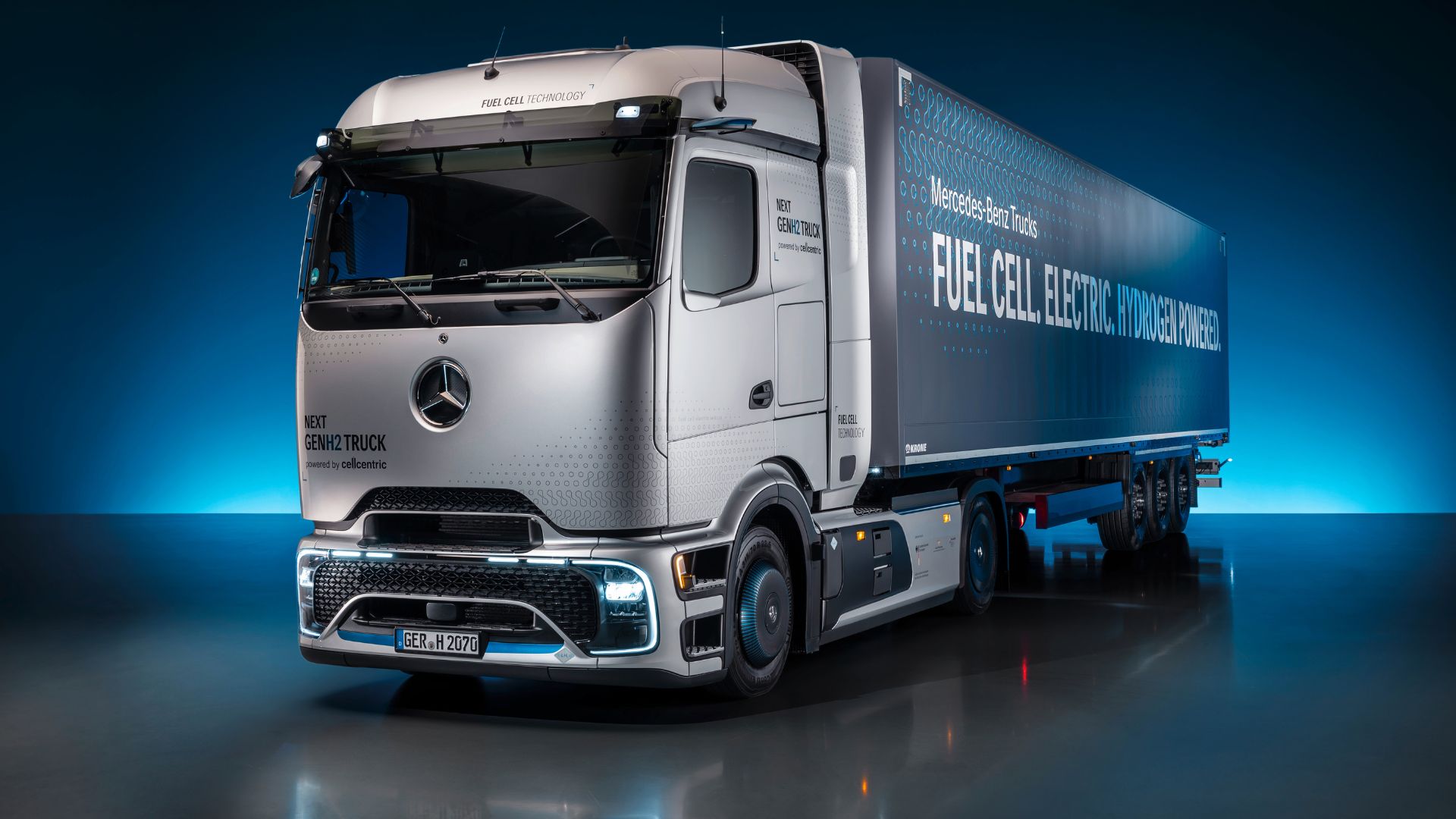
Still, hydrogen may find its place, especially in specific sectors like heavy transport. Trucks powered by fuel cells, for example, could take advantage of the benefits of autonomy and quick refueling.
Projects like those from Shell and Toyota, which convert ethanol directly into hydrogen at the stations, show that the technology can adapt to the reality in Brazil. Advances in green hydrogen production and improvements in fuel cell efficiency could also change the game in the future.







Seja o primeiro a reagir!