





 Português
  Inglês
  Espanhol
 4 min de leitura
  0 comentários


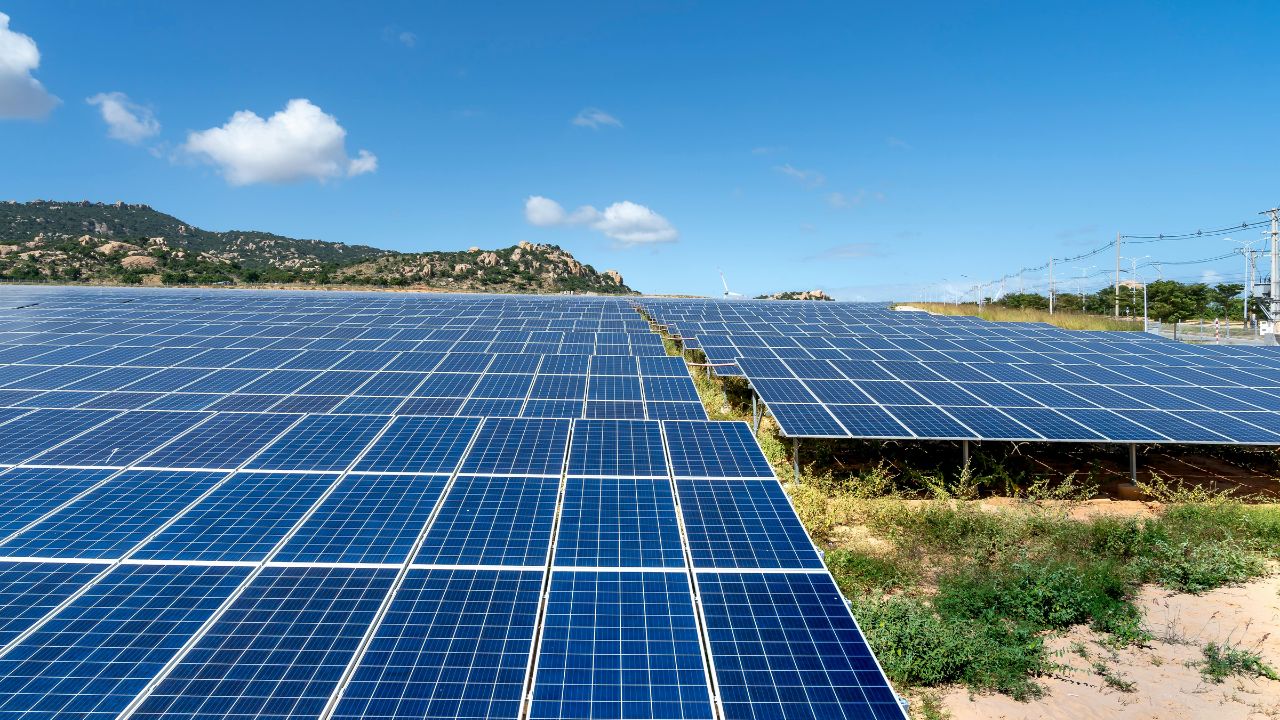
The Company’s Promise Is Based on the Vast Supply of Low-Cost Renewable Energy and the Existing Infrastructure, Mainly in the Southeast, with Billion-Dollar Projects in Minas Gerais and Rio de Janeiro.
H2Brazil announced ambitious plans for green hydrogen production in the country. The company aims for costs lower than that of gray hydrogen, traditionally obtained from natural gas. H2Brazil’s COO, Nathália Ervedosa, revealed the intention to develop two large projects. One will be in Minas Gerais and the other in Rio de Janeiro. The strategy relies on cheap renewable energy and available infrastructure.
H2Brazil Announces Billion-Dollar Investments in Green Hydrogen
With experienced executives in project financing in Europe and Brazil, H2Brazil revealed its plans. Last Thursday (5/22), the company announced its intention to start two large green hydrogen and derivatives ventures. Nathália Ervedosa, COO of H2Brazil, stated that the green hydrogen production in Minas Gerais will be cheaper than gray hydrogen. “We managed to achieve green hydrogen at a lower cost than gray hydrogen”, said Ervedosa. This competitive advantage is anchored in the abundant supply of cheap renewable energy and available infrastructure.
The Green Hydrogen Valley in Uberaba
One of the central projects is a plant costing R$ 7.8 billion. It will be installed in the Export Processing Zone (ZPE) of Uberaba, Minas Gerais. The goal is to serve a cluster of local industries. The unit will also produce e-methanol and green ammonia. Part of the production will be for the local industry. The surplus will be exported via the Port of Açu.
-
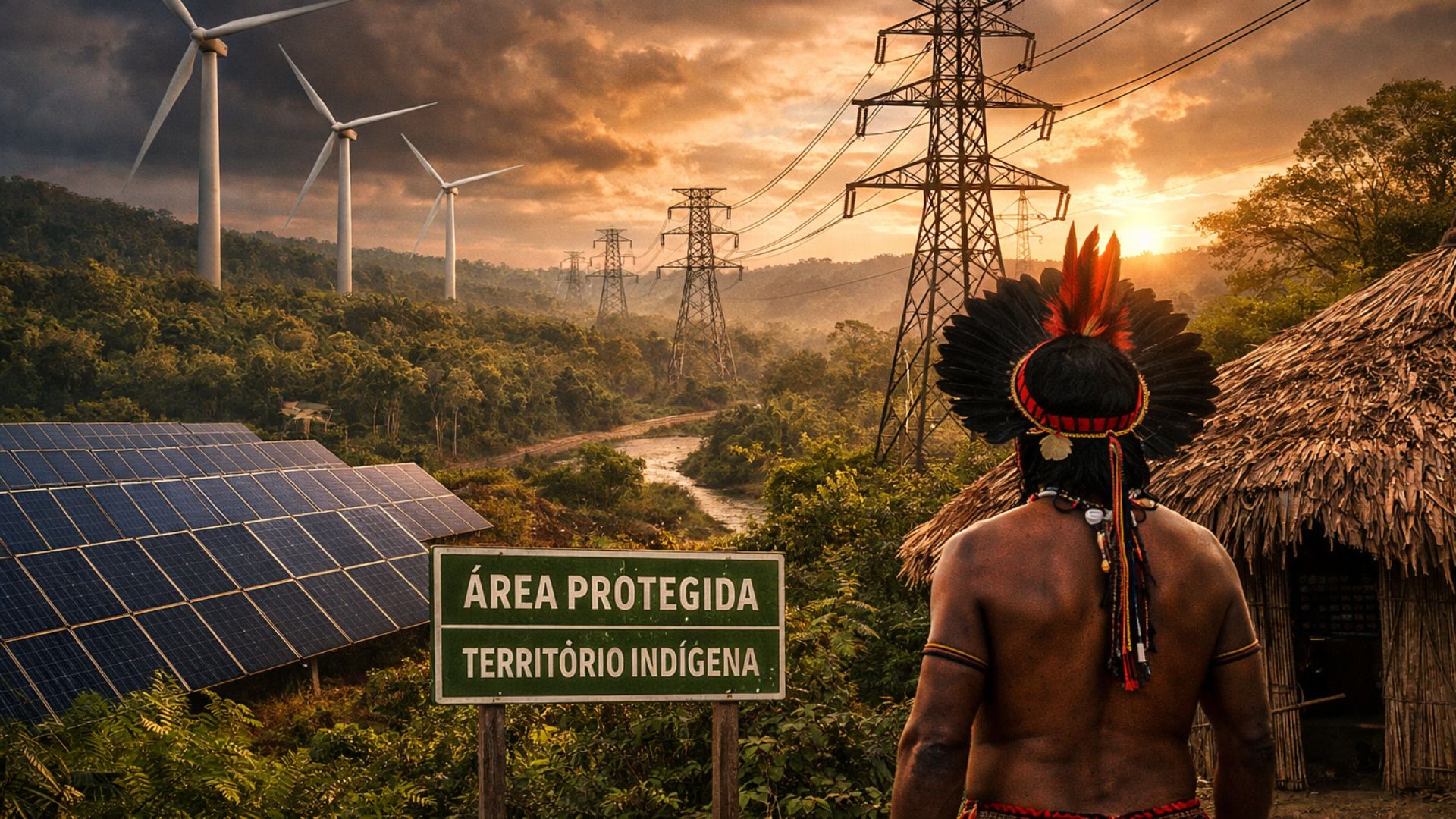
Renewable energy advances over protected areas in Brazil, and a survey by the Energy Transition Observatory reveals silent impacts that challenge environmental conservation and pressure sensitive traditional territories.
-
Rio Grande do Sul accelerates energy transition: State invests in renewable technologies and consolidates decarbonization strategies and pathways to attract billions in new industrial investments.

-
With 160,000 m² of collectors, an area larger than 20 football fields, Silkeborg, in Denmark, hosts a solar thermal plant that heats 19,500 homes and could become the largest solar heating plant in the world.

-
A study reveals the expansion of renewable energy procurement in Brazil and shows how companies are taking advantage of opportunities to reduce expenses, ensure energy efficiency, and strengthen strategic environmental commitments.


The Minas project will have an installed capacity of up to 820 MW by 2030. Funding will come from European Union funds and the Portuguese government. There will also be resources from venture capital funds. H2Brazil expects to start producing the first molecules as early as 2027. This project adds to Atlas Agro’s, which will also produce green fertilizers in Uberaba. This positions the municipality as a potential national hub for green hydrogen.
The proximity to agribusiness is a differentiator. Good road logistics and the abundance of water and renewable generation are also strategic. “We want to not only export commodities but also add value locally”, stated Ervedosa. She mentioned serving cement, steel, mining, and agribusiness industries, in addition to generating local jobs. Cemig will be a partner, ensuring low-cost renewable energy and technical studies for access to the transmission grid. Ervedosa notes that “there is already capacity for connection” in Uberaba, avoiding bottlenecks seen in the Northeast.
Strategic Corridor for Export and Maritime Decarbonization
On the northern coast of Rio de Janeiro, H2Brazil will develop an e-methanol plant at the Port of Açu. The focus is on the demand for synthetic fuels from the European Union. The port is a “green corridor” logistical link between Brazil and European hubs such as Hamburg, Rotterdam, and Antwerp. H2Brazil will occupy the first area of 1 million square meters dedicated to low-carbon projects in the complex.
Mauro Andrade, director of Prumo Logística, the port’s controlling company, highlighted the urgency for clear regulation. It should align with international criteria, such as those of the EU’s RED III program. “We cannot wait another two years for regulation. That would make the FID [final investment decision] for several projects unfeasible”, warned Andrade. He also considers the amount of subsidies anticipated in the law insufficient for the number of hydrogen projects in Brazil.
At Açu, H2Brazil will focus on synthetic fuels to decarbonize the maritime sector. The company is evaluating technological routes such as using biogenic CO2, corn ethanol, and green hydrogen. It considers transporting products on ships powered by the same sustainable fuel.
International Experience and Alignment with European Standards Drive Projects
H2Brazil’s ambition is reinforced by the experience of its CEO, Pedro Caçorino. He led the HEVO-Sines project in Portugal. This was one of the 33 selected by the European Commission in the IPCEI Hy2Infra program. The €650 million and 630 MW project was the first large scale in Portugal. The estimated annual production is 62,000 tons of renewable hydrogen. Part will supply the Portuguese industry, and another part will be exported to Rotterdam. This model is similar to what is planned between Uberaba, Açu, and Europe.
According to Ervedosa, H2Brazil will participate in the global H2Global auction. This is promoted with resources from Germany and the Netherlands and has a block for South America and Australia. “We are eligible for H2Global and the Global Gateway, and we strictly follow the criteria of RED III”, emphasized the director. Nathália Ervedosa was also one of the ones responsible for attracting the Green Energy Park (GEP) green hydrogen project to Piauí. In 2024, the President of the European Commission confirmed a funding of €2 billion to finance the GEP. Additionally, the Green Energy Park project with Vale for a “green” HBI hub was included in the priority list of the EU’s Global Gateway program.








Seja o primeiro a reagir!