





 Portuguese
  English
  Spanish
  3 min of reading
  0 comments


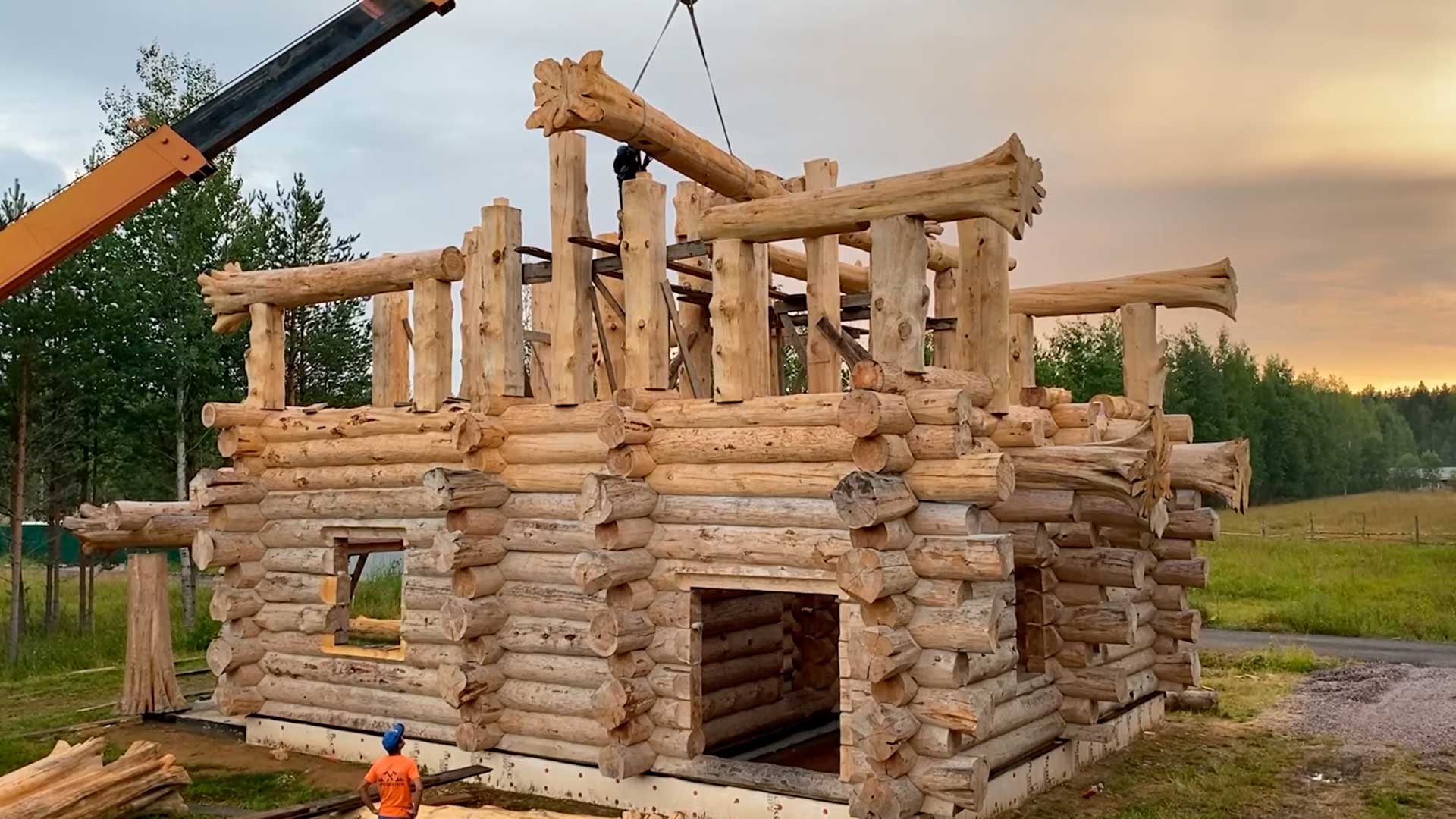
Construction With Solid Wood Gains Space as a Sustainable, Economic, and Resistant Alternative. Get to Know the Complete Building Process With Logs, From Foundation to Roof.
The conventional construction industry almost always follows the same script: foundation, slab, masonry, plastering, and finishing. But there is another way to build, older, more sustainable, and equally solid, which dispenses with all of this and still delivers an aesthetically impressive result.
The construction technique using logs, internationally known as log construction or log cabin building, consists of stacking properly worked logs to form the walls, the structure, and even part of the roof of a building. There is no need for bricks, cement, or metal structures.
The result is a robust house, with excellent natural thermal and acoustic insulation, capable of lasting decades or centuries, when well built and maintained.
-
Friends have been building a small “town” for 30 years to grow old together, with compact houses, a common area, nature surrounding it, and a collective life project designed for friendship, coexistence, and simplicity.

-
This small town in Germany created its own currency 24 years ago, today it circulates millions per year, is accepted in over 300 stores, and the German government allowed all of this to happen under one condition.

-
Curitiba is shrinking and is expected to lose 97,000 residents by 2050, while inland cities in Paraná such as Sarandi, Araucária, and Toledo are experiencing accelerated growth that is changing the entire state’s map.

-
Tourists were poisoned on Everest in a million-dollar fraud scheme involving helicopters that diverted over $19 million and shocked international authorities.


It is no wonder that structures of this kind have existed for over a thousand years in countries like Norway, Russia, and Japan.
The Log Construction Process
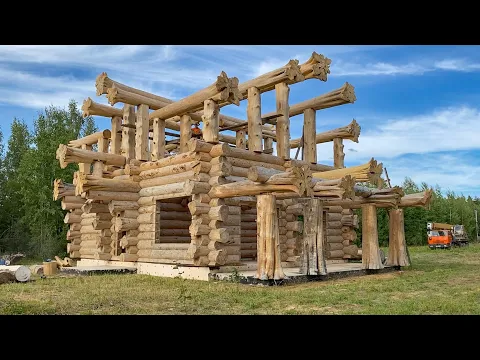

It all starts with the selection and preparation of the logs. The wood needs to be properly cured, dried, and treated to avoid cracks, warping, and attacks from fungi and insects. This process can take months, but it is crucial for the longevity of the construction.
With the logs ready, the team begins the fitting. Each piece is carefully positioned and secured to the previous one with precisely made notches. This fitting technique without nails is called notching and requires manual skill and refined technical knowledge.
As the walls rise, gaps for doors and windows are opened directly in the log structure. There is no false wall or partition: the logs themselves are the structure, the finish, and the insulation at the same time.
The roof follows the same logic, with solid wood beams supporting the covering. In many projects, the roof structure is one of the most complex and visually impactful moments of the entire work.
Resistance, Durability, and Performance in Extreme Conditions
One of the main questions from those considering this type of construction is: Does wood withstand rain, sun, and humidity? The answer, when the project is well executed, is yes.
Solid wood, especially species like pine, treated eucalyptus, or peroba, possesses natural properties that resist climatic variation. In addition, modern waterproofing techniques and surface treatments further enhance this durability.
According to data from the wood construction sector, well-built houses in this system have a lifespan of over 50 years with simple and periodic maintenance. In Scandinavian countries, it is common to find log buildings over 200 years old still in use.
The thermal insulation of wood is also a significant differentiator. Wood insulates thermally up to five times better than concrete, considerably reducing energy consumption for climate control.
What Makes This Method Increasingly Relevant
The search for alternatives to conventional construction has been growing worldwide. The high cost of traditional materials, the scarcity of specialized labor in masonry, and the growing concern for sustainability are bringing wooden construction back to the center of the debate.
Moreover, the aesthetic appeal of log homes is undeniable. The natural, cozy, and unique look that this type of construction offers is hard to replicate with any other material.
Projects that were once restricted to rural or mountainous areas are now reaching urban centers in adapted formats, such as the use of glued laminated timber (GLT) and CLT panels (Cross Laminated Timber), which bring the logic of wooden construction to larger and more modern scales.
And you, would you consider building or living in a wooden house? Many people still resist the idea for fear that the structure may be fragile or not durable. Leave your comment below, would you live in such a house, or do you still prefer the brick and concrete you always knew?










-

-

2 pessoas reagiram a isso.