





 Portuguese
  English
  Spanish
  6 min of reading
  0 comments


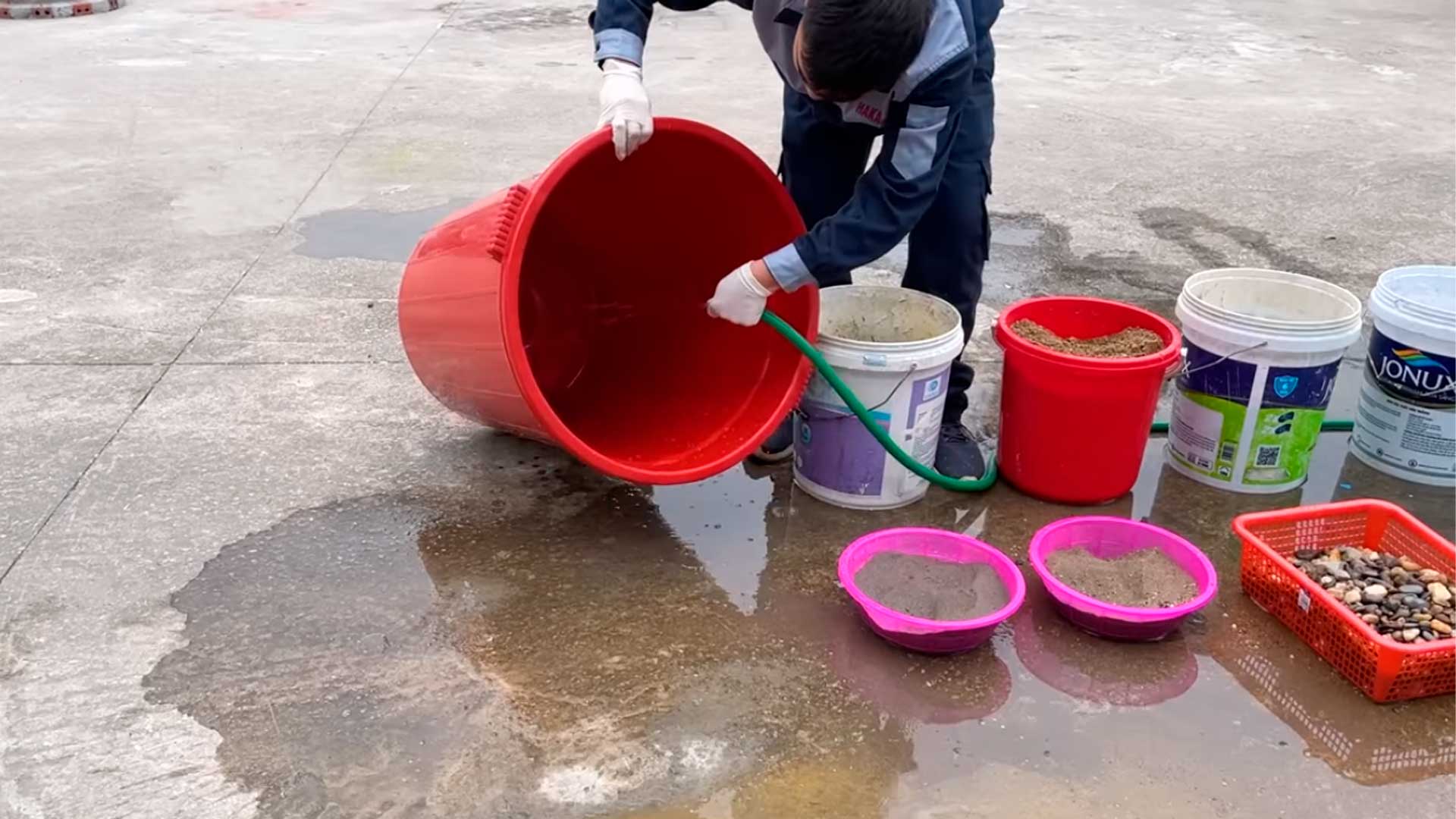
Ancient Sand And Stone Filtration Method Revives In The Hands Of Creator Who Proves Surprising Efficacy In Purifying Muddy Water In DIY System Used By The Mayas More Than 2 Thousand Years Ago
The need for clean and drinkable water has always been one of humanity’s greatest concerns. While many people spend fortunes monthly on gallons and industrial filters, this video shows that the solution may lie in a technique as ancient as it is effective, capable of transforming dirty water into crystal clear using easily accessible materials.
The method presented on the YouTube channel recovers a natural filtration system dating back to ancient civilizations. According to studies from the University of Cincinnati published in Scientific Reports, the Mayas were already using similar purification systems over two millennia ago, employing materials such as quartz and zeolite to filter water in their cities.
The creator of the video demonstrates step by step how to build an efficient homemade filter using just a bucket, PVC pipes, sand, and stones. The result is impressive: dirty water that seems unfit for consumption comes out the other side of the filter completely transparent, odorless, and visibly clean.
-
Brazil puts into play its first supersonic fighter F-39 Gripen E assembled in the country.

-
From a devastated quarry to an oasis of biodiversity with over 200 species: the incredible transformation of an old mine in Portugal that proves the power of nature to heal when given a chance.

-
This house in Japan has been transformed on the inside and now looks as if it has been excavated from the inside out like a surreal cave.

-
Globo presenter lives in an R$ 8 million mansion in the interior of São Paulo, with a private lake, basketball and tennis courts, a “private hotel,” a condominium costing R$ 4,000, and surprising details in the decor.


According to information from the Survival Techniques portal, this type of filter combines physical and chemical filtration. The layers of sand retain suspended solid particles, while the stones act as safety barriers against larger debris. In some cases, by adding a layer of charcoal, it is responsible for adsorbing chemical substances, odors, and organic contaminants.
How The Science Behind The Ancient Filter Works
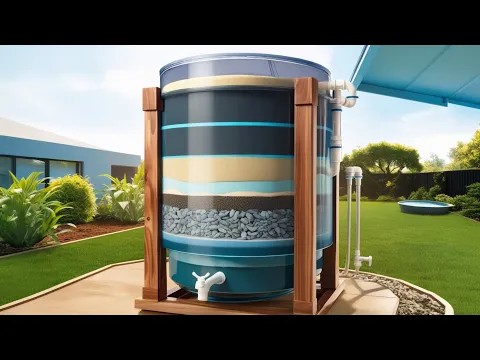

The effectiveness of this filtration system is directly related to the specific function of each layer. As explained in a study by CHC (Ciência Hoje das Crianças), the stones and sand serve as a physical barrier to soil particles mixed in the water and small objects like leaves and papers.
The charcoal, when added, plays the most crucial role in filtering invisible chemical pollutants to the naked eye, such as dissolved metals in water and pesticides. According to research published by the Scientific Research Journal, charcoal can reduce bacteria levels by between 33% and 67% in just 50 minutes of filtration.
Cotton complements the system by retaining larger particles that could pass through the initial layers. The thicker the layers of the filter, the more transparent and cleaner the water will come out from the bottom, according to information from Universidade Estadual Paulista (Unesp).
It is worth noting that experts recommend that filtered water be boiled or treated with hypochlorite before consumption. Although the filter is highly effective in removing solid particles and turbidity, it does not completely eliminate pathogenic microorganisms such as bacteria and viruses.
Simple Construction And Accessible Materials Revolutionize Access To Clean Water
The process of assembling the filter is surprisingly simple and does not require specialized tools. If you want to make a smaller version, just cut a 2-liter PET bottle in half, with the neck section being about 20 centimeters long.
In the upper inverted part of the bottle, first place a layer of cotton at the tip to prevent the other materials from escaping. Next, add powdered charcoal, then a generous layer of sand, and finally small aquarium stones.
The bottom part of the bottle serves as a reservoir to collect the already filtered water. When dirty water is slowly poured from the top, it passes through all the layers and drips clean into the lower container, as explained by the Sustainable portal.
According to sanitation experts, this type of DIY filter can process tap water, rainwater collected in cisterns, and even muddy water. However, it is not effective for desalination, as salt particles are too small to be retained by the filter layers.
Ancestral Technique Proves That Ancient Knowledge Is Still Revolutionary
The discovery of advanced filtration systems in ancient civilizations has surprised the scientific community. According to research from the University of Cincinnati, archaeologists found in Tikal, Guatemala, evidence of what would be the oldest example of water purification in the Western Hemisphere.
Kenneth Barnett Tankersley, an associate professor of anthropology at the university, states that Maya filters with quartz and zeolite would still be effective today, having been built almost two thousand years before similar systems were used in Europe. “The ancient Mayas lived in a tropical environment and had to be innovative,” emphasizes the researcher.
In the 6th century BC, Sushruta, founder of Indian medicine, already recommended filtering water with sand and coarse gravel, according to Sanskrit documents. The Egyptians, in turn, used boiling and stored water in porcelain vessels for purification.
These ancestral methods demonstrate that, even without modern technology, ancient civilizations understood the fundamental principles of water purification. This millennial knowledge now reemerges as a sustainable and economical alternative for the 21st century.
Economy And Sustainability Join Forces In Accessible Solution
The financial aspect is one of the main attractions of this type of homemade filter. While industrial filters can cost hundreds or even thousands of reais, and require expensive cartridges regularly, the DIY filter can be assembled with materials totaling less than R$ 20.
A PET bottle can be reused, reducing plastic waste in the environment. Sand and small aquarium stones cost just a few reais in construction or pet shops. The charcoal can be obtained even more economically, including through the reuse of crushed barbecue charcoal.
According to data from Blog Super Filter, the use of homemade filters provides sustainable savings by drastically reducing the purchase of bottled water, lowering both monthly expenses and plastic waste generation. Studies indicate that a single filter can prevent the disposal of up to 2,000 plastic bottles of 1.5 liters.
In addition to financial savings, the environmental impact is significant. The production of plastic bottles consumes natural resources and energy, while improper disposal pollutes oceans and ecosystems. Choosing reusable filtration systems represents a concrete contribution to environmental preservation.
Limitations And Essential Safety Precautions For Safe Use
Despite all the demonstrated effectiveness, experts warn about the limitations of this type of filter. The system excellently removes visible particles, turbidity, odors, and unpleasant tastes, but does not guarantee the complete elimination of pathogenic microorganisms.
Therefore, according to information from the Europa portal, filtered water should always undergo additional treatment before consumption. Boiling for at least 5 minutes is the safest and most accessible method, eliminating viruses and bacteria that may have survived the filtration.
Another option is to add a few drops of sodium hypochlorite (bleach) to the already filtered water, following the proportions recommended by the Ministry of Health: 2 drops for every liter of water, waiting 30 minutes before consuming.
Maintenance is also essential to ensure the continuous effectiveness of the filter. The layers of sand and charcoal should be replaced regularly, as they lose filtering capacity with use. Experts recommend renewing the materials every 30 days of intensive use.
Have you heard of this ancient filtration technique before? With the growing concern about the quality of water we consume and the high costs of conventional systems, should we pay more attention to ancient solutions that have been working for millennia? Share your opinion in the comments and let us know if you would dare to test this homemade filter in your own home!







-

2 pessoas reagiram a isso.