





 Portuguese
  English
  Spanish
  4 min of reading
  0 comments


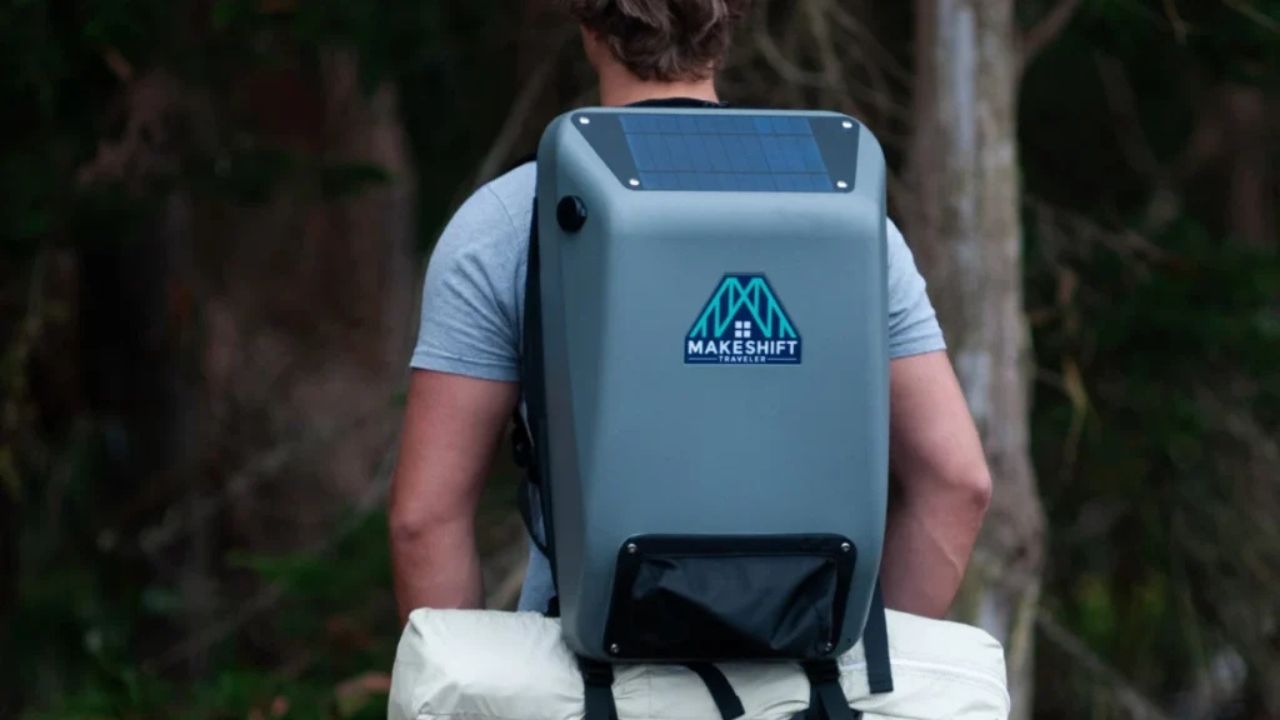
HomeMore Project Initiative Presents An Innovative Solution By Uniting Solar Energy, Portable Shelter, And Essential Items To Enhance The Autonomy Of Homeless Individuals Using Accessible And Sustainable Technology
On November 21, 2025, a report from the CicloVivo website highlighted an innovative social advancement: a solar backpack that transforms into a shelter and provides clean energy for homeless people.
Developed by the HomeMore Project, the solution combines technology, functionality, and human impact, offering emergency shelter, sleeping bag, pillow, rechargeable battery, and basic survival items. The initiative goes beyond being an object: it acts as a real tool for autonomy and dignity for vulnerable populations.
HomeMore Project: Social Technology Focusing On Clean Energy
The HomeMore Project was founded by Zac Clark, a former student at the University of San Francisco. The initiative was born after Clark observed that many homeless individuals in the Tenderloin neighborhood faced difficulties charging their phones, as few places permitted access to public outlets. Upon identifying this need, he developed a solution based on clean energy, aiming to offer autonomy and facilitate the rebuilding of social ties.
-
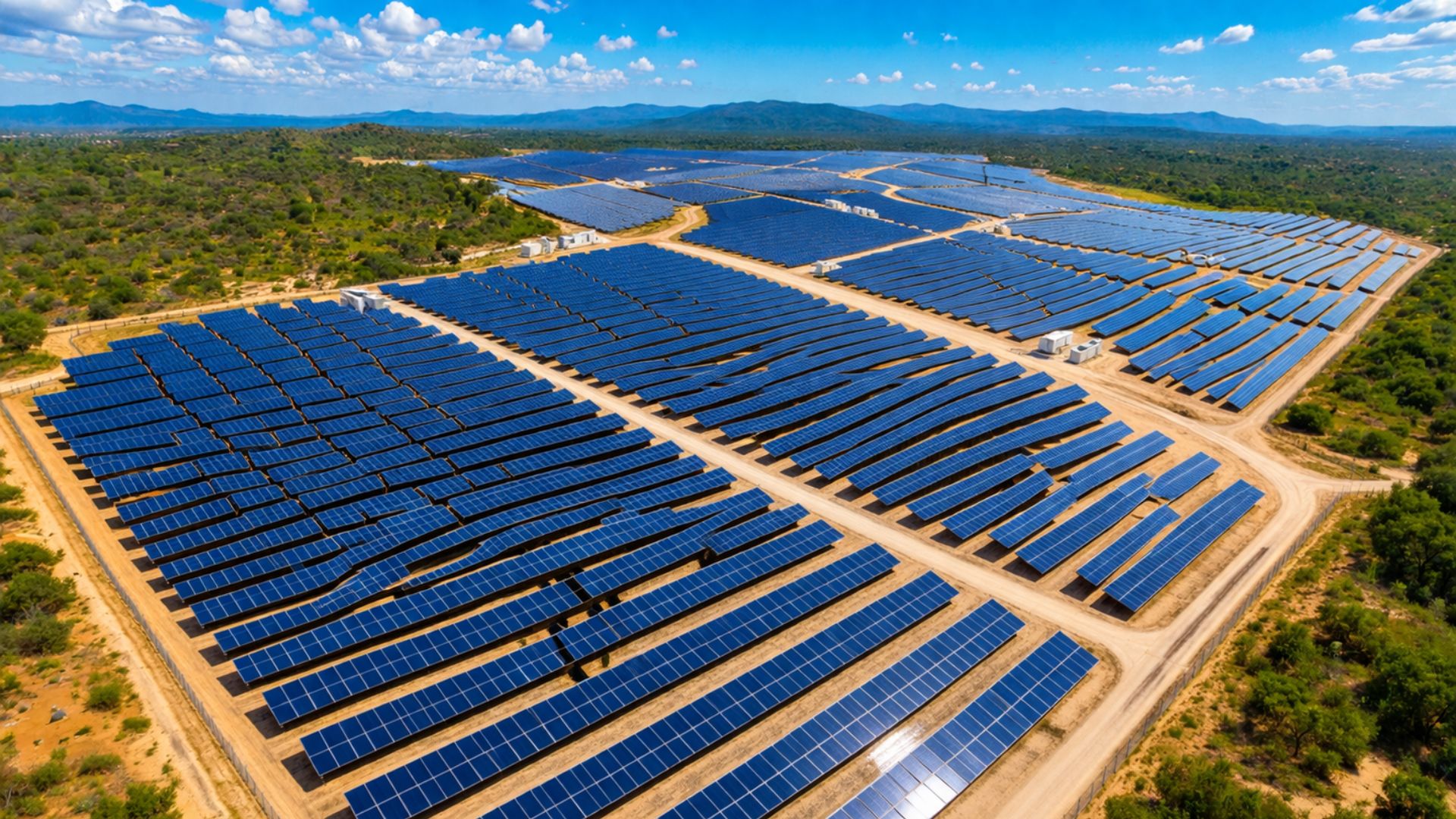
The Sol do Agreste Photovoltaic Complex begins operations in Pernambuco and accelerates the expansion of solar energy in Brazil, directly impacting the reduction of emissions and strengthening the sustainable energy matrix.
-
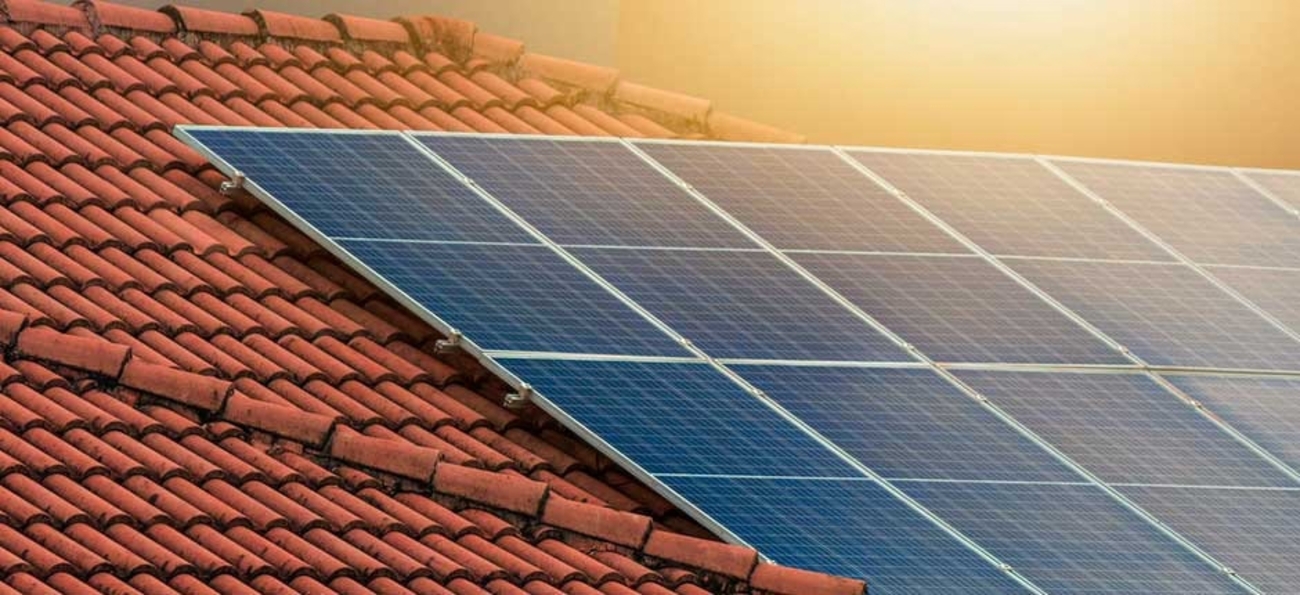
Roraima bets on the sun to escape high tariffs: Amid the energy crisis and price hikes, solar energy is growing in Roraima and transforming consumption in the North region.
-
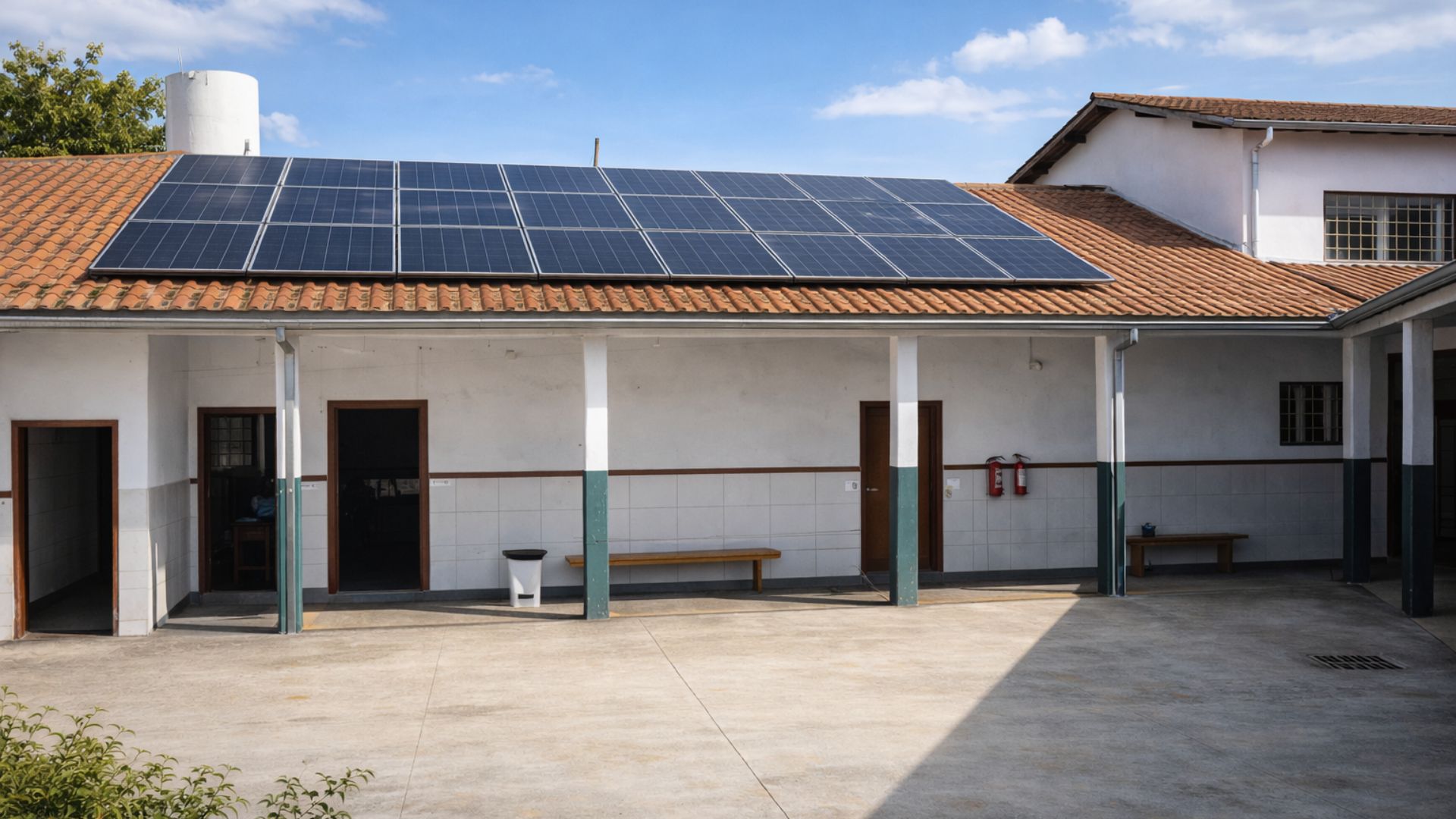
Copel boosts solar energy in Paraná and brings innovation to public schools, promoting savings on electricity bills, energy efficiency, and a direct impact on the quality of education.
-
Brazil reaches historic milestone in solar energy: Sector surpasses 2 million accumulated green jobs and generates billions in the national economy even under market pressure.

The backpack was designed over approximately 18 months, combining interviews, field observations, and tests with volunteers. The central objective was always to unite functionality, mobility, and durability, ensuring the tool would be useful in the daily lives of those living without a home.
Solar Backpack: Features And Structure Of The Portable Shelter
The solar backpack created by the HomeMore Project combines a series of integrated features:
- Built-in photovoltaic panel that collects solar energy, storing it in an internal battery.
- USB port for charging phones, flashlights, or radios.
- Rigid structure resistant to water, dust, and impacts.
- Portable shelter with sleeping bag, urethane-covered pillow, and thermal insulation.
- Essential items such as a 700 ml water bottle, FM/AM radio, rechargeable LED flashlight, raincoat, thermal socks, and hygiene kit.
- Reinforced double zipper to enhance the security of belongings—a common concern among homeless individuals.
The backpack can also be converted into a lightweight tent, providing protection against wind and cold. The combination of these elements transforms the equipment into a complete daily support kit.

Solar Energy As A Tool For Social Autonomy
The use of solar energy in the backpack serves a deeper role than simply charging devices. For homeless individuals, the phone is often the only link to essential services, such as assistance programs, medical appointments, shelters, and job opportunities. In this context, the photovoltaic panel functions as a mechanism of inclusion.
Charging via clean energy reduces dependence on locations with outlets—often scarce—and diminishes risk situations, such as spending long periods in unfamiliar areas just to access power. Energy autonomy offers security, connectivity, and personal organization capability.
Distribution, Impact, And Expansion Of The HomeMore Project
By 2025, according to the CicloVivo article, the HomeMore Project had already distributed over 1,200 backpacks in 25 cities in California. The organization’s goal is to expand the project to other regions and surpass the mark of 2,000 units by the end of the year.
The distribution process is accompanied by additional social programs. The initiative aims not only to deliver backpacks but also to connect beneficiaries to a broader support network. Among the key elements of this support are:
- Transitional housing program lasting up to two years.
- Monitoring of physical and mental health.
- Access to regular food.
- Connection with educators and employers, expanding social reintegration opportunities.
This model, therefore, unites emergency assistance, autonomy, and medium-term prospects.
The Solar Backpack Within The Context Of Sustainable Initiatives
The HomeMore Project’s proposal aligns with other social technology actions that utilize clean energy or multifunctional devices to support vulnerable communities. In different parts of the world, similar solutions showcase the strength of this type of innovation:
- Solar backpacks for students in rural areas, enabling nighttime study.
- Portable solar tents created by students for homeless individuals, combining shelter and energy charging.
- Photovoltaic microgrids in isolated communities, replacing diesel generators and enhancing food security, as recorded in Paraty (RJ).
These initiatives demonstrate that the democratization of renewable energy can—and should—be integrated into broader social policies.
Challenges And Limitations Of The HomeMore Project Solution
Despite the advances, the solar backpack faces some challenges that need to be considered:
- Financial Sustainability: production largely depends on individual donations.
- Component Lifespan: batteries and solar panels require periodic maintenance and may degrade over time.
- Scalability: expanding to other countries requires partnerships, logistics, and adaptations.
- User Safety: even with design reinforcements, homeless individuals remain exposed to theft and urban violence.
Recognizing these limitations is essential for the project to continue improving.
Perspectives On Social Impact And Future Potential
The relevance of the solar backpack goes beyond its immediate impact. By offering a source of energy, thermal protection, and essential items, it becomes a tool for autonomy and dignity. “Technology Can Be A Bridge To Rebuild Lives”—this is the message that initiatives like the HomeMore Project convey by putting innovation to the service of social vulnerability.
As access to renewable energy democratizes, solutions like this are likely to inspire new forms of assistance, connecting sustainability, citizenship, and inclusion. The combination of care, intelligent design, and clean energy can transform realities previously considered inevitable.





Seja o primeiro a reagir!