





 Portuguese
  English
  Spanish
  3 min of reading
  0 comments


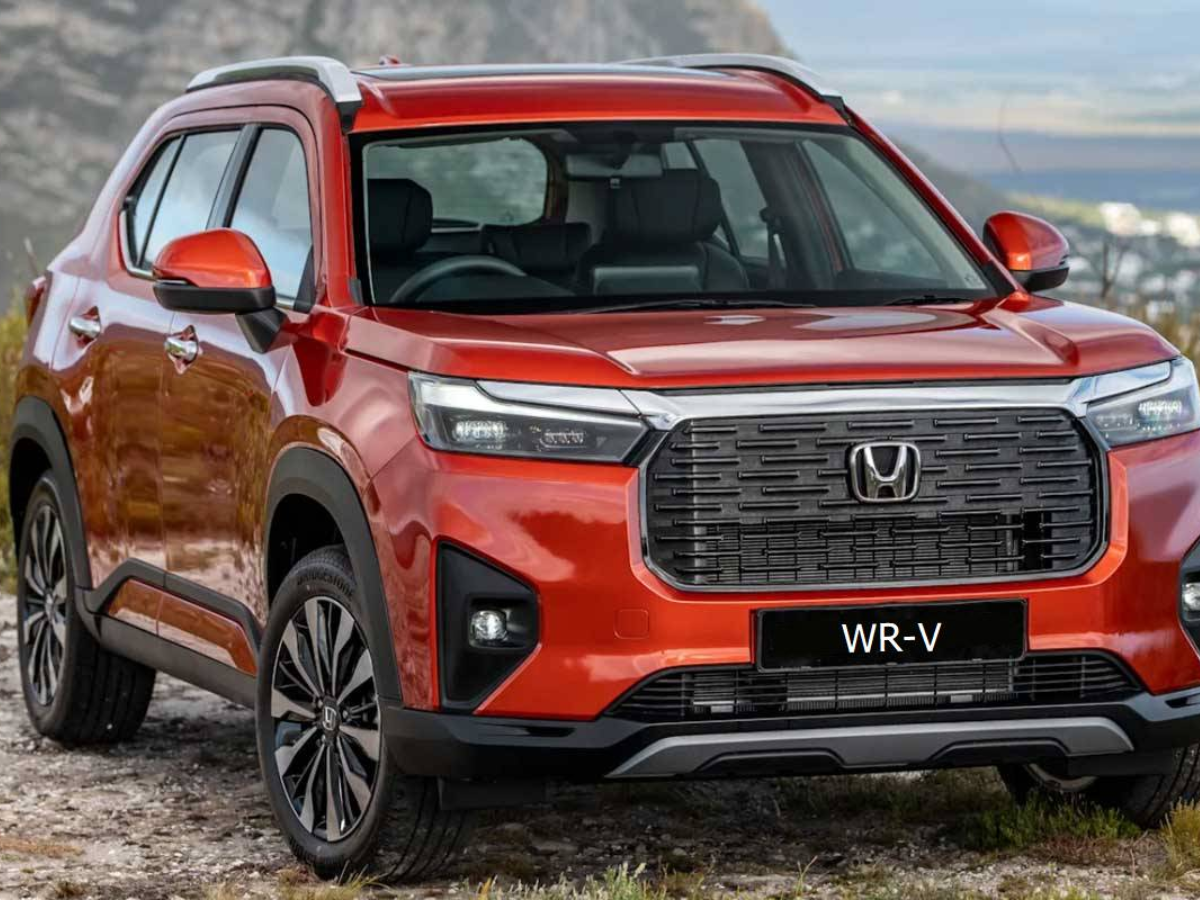
Honda Invests in New Platform for Compact Cars, Hybrid Flex Technology, and the Launch of Entry-Level SUV WR-V to Strengthen Its Presence in the Brazilian Market by 2030
The company’s strategy is centered around the introduction of a new platform for Honda compact cars, the development of hybrid flex technology, and the launch of a new entry-level SUV, the WR-V, aimed at modernizing its portfolio and increasing its competitiveness.
Honda Automóveis do Brasil announced a new and significant investment cycle of R$ 4.2 billion for its operations in the country, valid for the period from 2024 to 2030. This strategic plan focuses on introducing new technologies, expanding its product line, and strengthening its local production capacity.
Honda’s Strategic Investment in Brazil (2024-2030)
The investment of R$ 4.2 billion will be mainly applied to the Honda factory in Itirapina (SP). The resources will be directed to the production of the new WR-V SUV (starting in the second half of 2025) and to the introduction of hybrid vehicle technology.
-
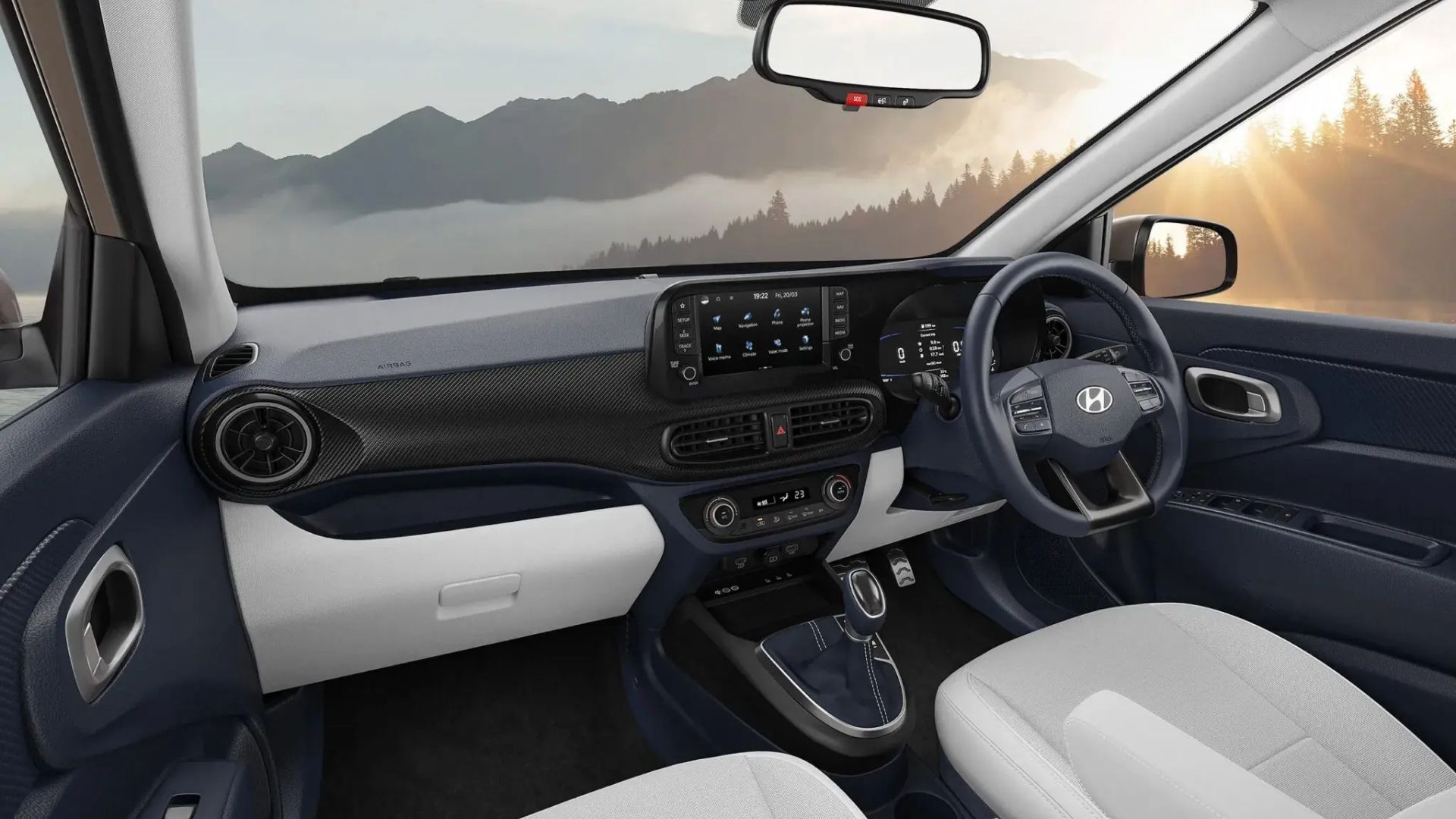
For R$ 32,000, a brand new Hyundai car is a rival to the Kwid with a 1.2 engine producing 82 hp, 6 airbags as standard, multimedia with wireless Android Auto, up to 391 liters in the trunk, and a refreshed look for 2026 in India.
-
He bought a new car in 1983, locked it in the barn in 1988, and no one opened the door for 38 years until the family discovered what was stored inside and realized it looked like something out of a movie.

-
A 250cc motorcycle that can reach 560 km with a 14-liter tank, features disc brakes on both wheels and is among the most well-known in Brazil.
-
Man finds over 200 rare cars abandoned on a lot and tries to do the impossible in 8 hours with a surprise at the end.


Honda’s strategic objectives with this investment include renewal and expansion of its portfolio, electrification focused on hybrid flex adapted to ethanol, strengthening local production with increased factory capacity, and job creation. The announcement is also aligned with the guidelines of the Brazilian government’s Mover (Green Mobility and Innovation) program.
A New Platform for Honda Compact Cars and the Launch of the Entry-Level SUV WR-V
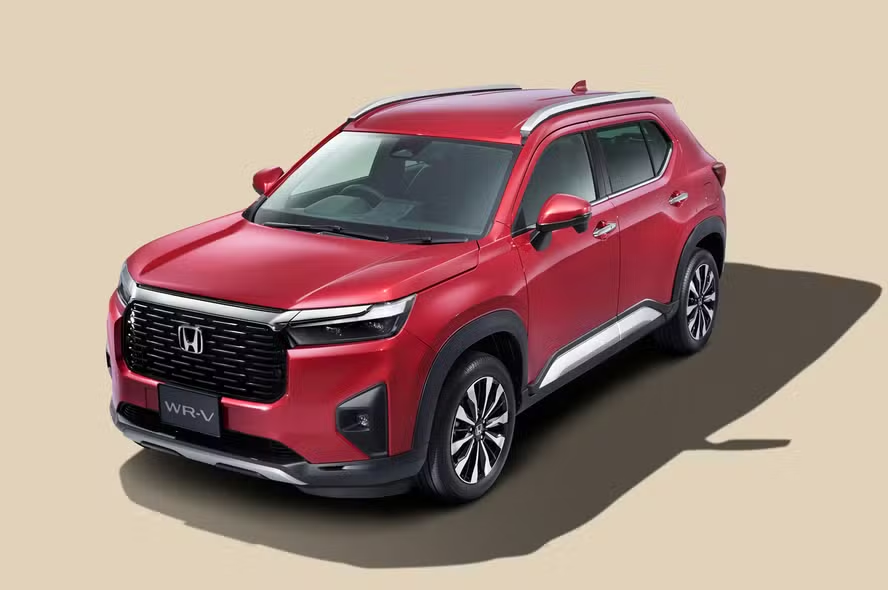
The foundation for renewing Honda’s lineup will be a new global architecture compact platform. Designed to be versatile, it will accommodate both combustion engines and hybrid systems such as the e:HEV. The platform follows Honda’s “Man Maximum, Machine Minimum” (M/M) philosophy, which seeks to maximize space for occupants.
The first major launch with this base will be the new generation of the Honda WR-V. Positioned as the brand’s entry-level SUV, below the HR-V, the new WR-V is actually larger than its more expensive sibling, measuring 4.31 meters in length and with a wheelbase of 2.65 m. To be more accessible, it will have a simpler finish. Initially, it will be offered with a 1.5 naturally aspirated direct injection engine (126 hp) and a CVT, with a future hybrid flex version planned.
HEV, Honda’s Bet on Electrification with Hybrid Flex
The central technology of Honda’s electrification strategy for Brazil is the e:HEV system, a complete hybrid with two motors (one for propulsion and one for generation) that operate in three modes: electric, hybrid, and combustion, optimizing efficiency.
The significant innovation for the Brazilian market is the adaptation of the e:HEV system to be flex, running on ethanol. This nationalization of technology is a crucial part of the investment and aims to leverage the country’s biofuel infrastructure. Honda’s approach prioritizes the hybrid flex as a transitional solution towards total electrification, aligned with Brazilian reality.
The Expansion of the Itirapina Factory and Strengthening the Local Supply Chain
The Itirapina (SP) factory is the epicenter of the investments. To support the increase in production, the unit began operating in two shifts in April 2024, resulting in the hiring of 1,700 new workers, raising the workforce to 3,500 employees.
Production, which was 80 thousand vehicles in 2023, is expected to reach 100 thousand in 2024 with a goal of reaching 150 thousand annual units by 2030. Part of the investment will also be directed towards developing a local supply chain for components of the hybrid flex system, increasing nationalization.
How Honda Positions Itself Against Investments from Toyota, Stellantis, and VW?
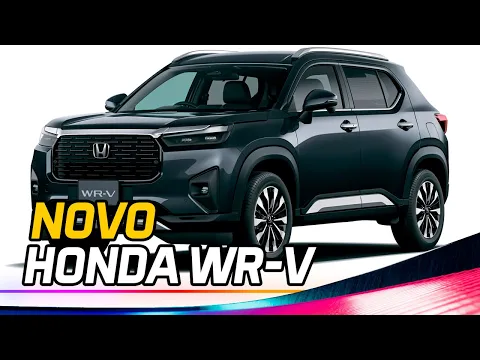

Honda enters a scenario of strong competition. Other major automakers have also announced robust investments focused on electrification and hybrid flex:
Toyota: R$ 11 billion by 2030, focusing on hybrid flex and a new compact SUV (Yaris Cross) for 2025.
Stellantis: R$ 30 billion by 2030, highlighting Bio-Hybrid technology.
Volkswagen: R$ 16 billion by 2028, with the MQB Hybrid platform and a new 1.5 eTSI hybrid flex engine.
Honda’s strategy, with the new platform for Honda compact cars and the e:HEV flex technology, is aligned with market trends. Its success will depend on its ability to differentiate its technology in an increasingly competitive segment, offering an attractive Total Cost of Ownership (TCO) while maintaining its reputation for quality and reliability.









-

Uma pessoa reagiu a isso.