





 Portuguese
  English
  Spanish
  4 min of reading
  5 comments


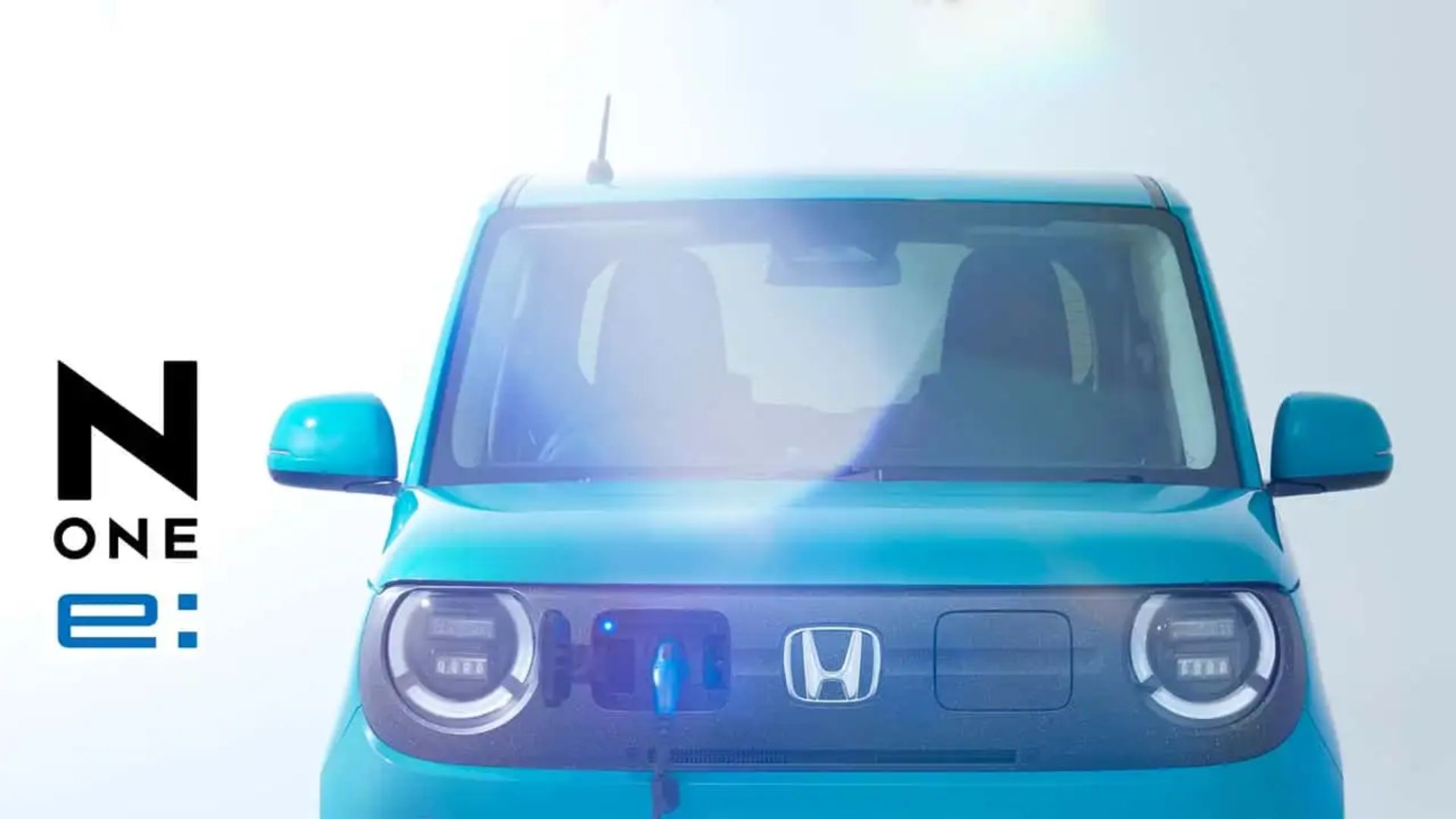


Mini Electric Car from Honda Bets on Sporty Design and Strategy for Different Global Markets.
Honda has introduced its new mini electric car aimed at the urban segment, marking another chapter in the transition of traditional automakers to compact electric mobility.
The N-One e: model arrives on the market following the experience with the Honda e, bringing a novel design and strategies aimed at overcoming the challenges that limit the popularization of small electric vehicles, such as range, price, and intense competition.
Mini Electric Car from Honda Targets the Urban Audience
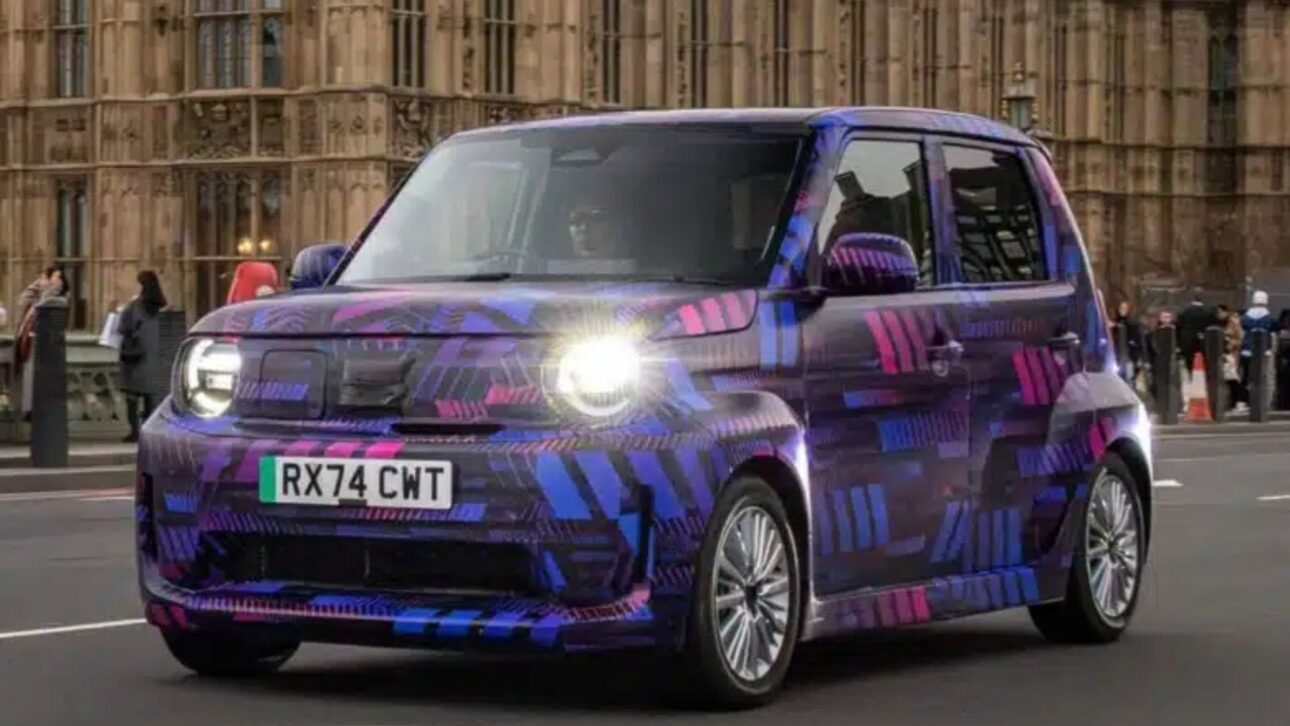
During the Goodwood Festival of Speed, held in July 2025 in the United Kingdom, Honda showcased the camouflaged prototype of the N-One e:, sparking curiosity with its distinctive shape and “race cart” inspired visual.
-
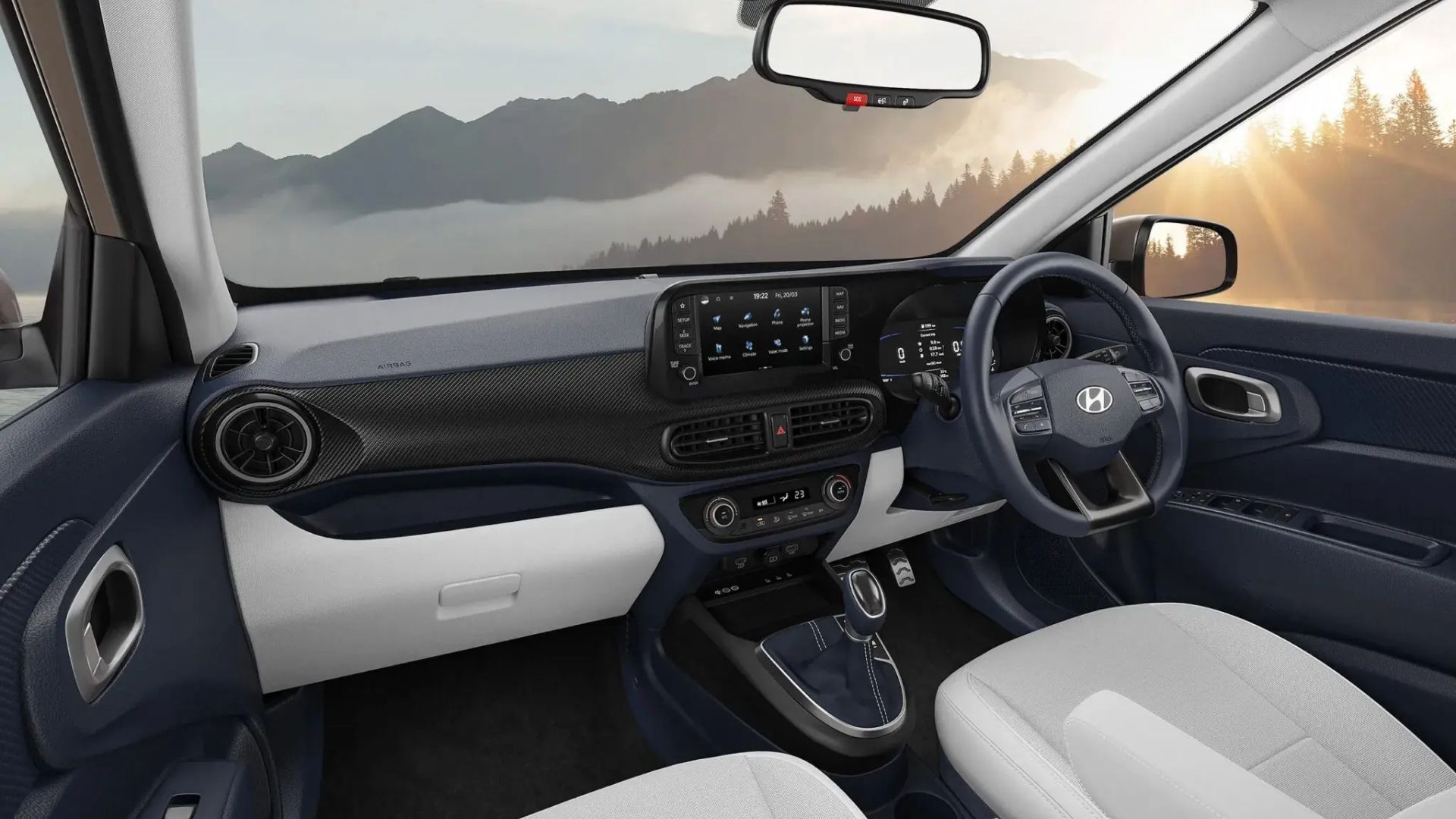
For R$ 32,000, a brand new Hyundai car is a rival to the Kwid with a 1.2 engine producing 82 hp, 6 airbags as standard, multimedia with wireless Android Auto, up to 391 liters in the trunk, and a refreshed look for 2026 in India.
-
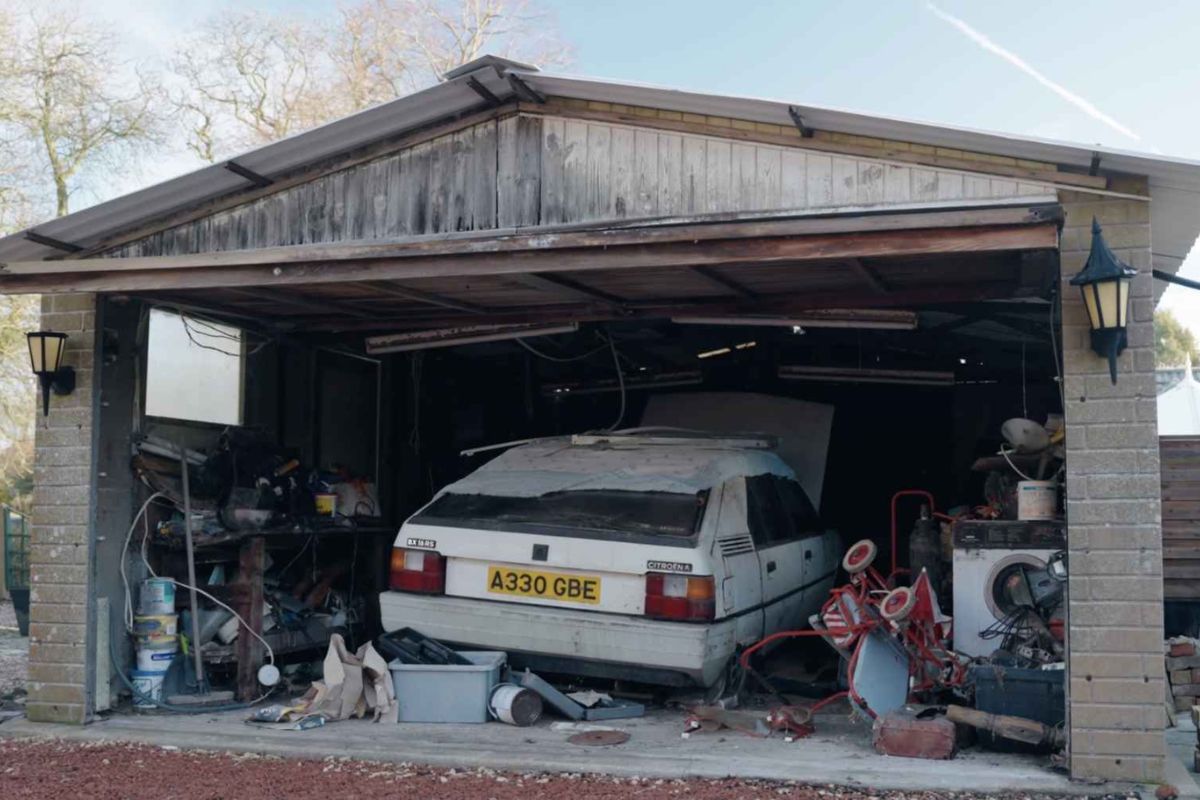
He bought a new car in 1983, locked it in the barn in 1988, and no one opened the door for 38 years until the family discovered what was stored inside and realized it looked like something out of a movie.
-
A 250cc motorcycle that can reach 560 km with a 14-liter tank, features disc brakes on both wheels and is among the most well-known in Brazil.
-
Man finds over 200 rare cars abandoned on a lot and tries to do the impossible in 8 hours with a surprise at the end.

Despite the camouflage, it was possible to see that the brand bets on sporty lines and pronounced wheel arches, features reminiscent of the popular Japanese kei cars, but adapted to meet different markets.
The new mini electric car aims to address the issues that limited the success of the Honda e.
The previous model was criticized for offering limited range, high pricing, and a driving experience considered too specific for European tastes.
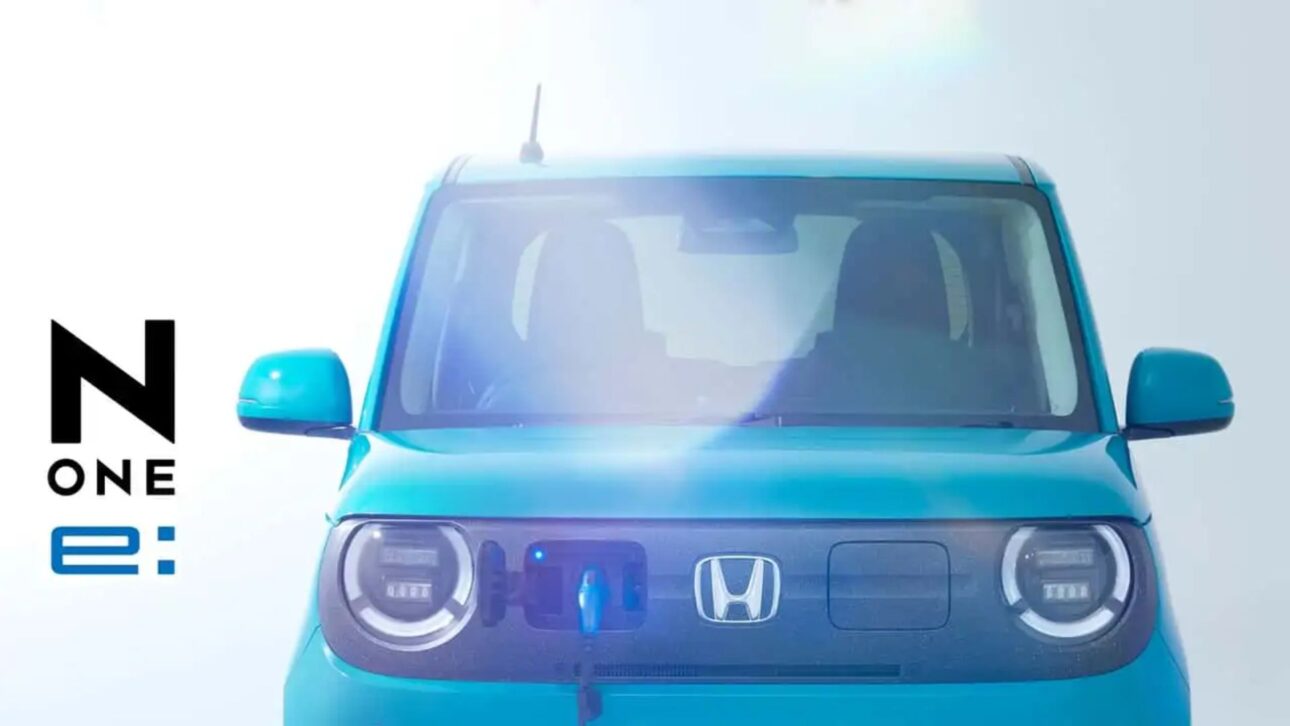
In the case of the N-One e:, Honda promises a range of up to 180 km, aiming to compete directly with rivals that currently dominate the compact electric segment, such as the Nissan Sakura and the BYD Seagull.
Design and Strategy: Differentials of the N-One e:
The name N-One e: reveals Honda’s intention to leverage the success of the already established kei car N-One in Japan.
To cater to both the local and international markets, the strategy is to offer two body versions:
- one, narrower, focused on Japanese consumers and aligned with the strict kei car regulations;
- and another, wider and sturdier, aimed at Europe and other global markets, where size requirements differ.
In Japan, released images show a model with compact lines, without the widened wheel arches, reinforcing the bet on the traditional kei cars format.
In other countries, the version is expected to maintain sporty visual appeal and increased width, attracting consumers looking for a mini electric car that is practical and stylish for urban use.
The choice for a “race cart” visual demonstrates Honda’s effort to blend tradition and innovation, making the N-One e: a vehicle capable of attracting young drivers and consumers who value style without sacrificing sustainability.
This approach is also a response to the trend of customization and distinctive design, elements that have gained traction in the compact electric car segment.
Competition and Challenges in the Compact Electric Segment
The launch of the N-One e: represents a strategic move by Honda to carve out a space in an increasingly competitive market.
In Japan, the model will need to surpass the Nissan Sakura, currently the best-selling electric kei car, in addition to facing the arrival of international competitors like the new mini electric from BYD, a Chinese automaker that is rapidly advancing in developing affordable urban vehicles.
Honda aims to position its mini electric car as a versatile option, capable of serving different consumer profiles and adapting to regional regulations.
The production of the N-One e: is expected to be detailed in 2025, with anticipation for display at international auto shows and a subsequent start of sales in selected markets.
The urban electric vehicle segment is considered essential for the decarbonization strategy of major automakers.
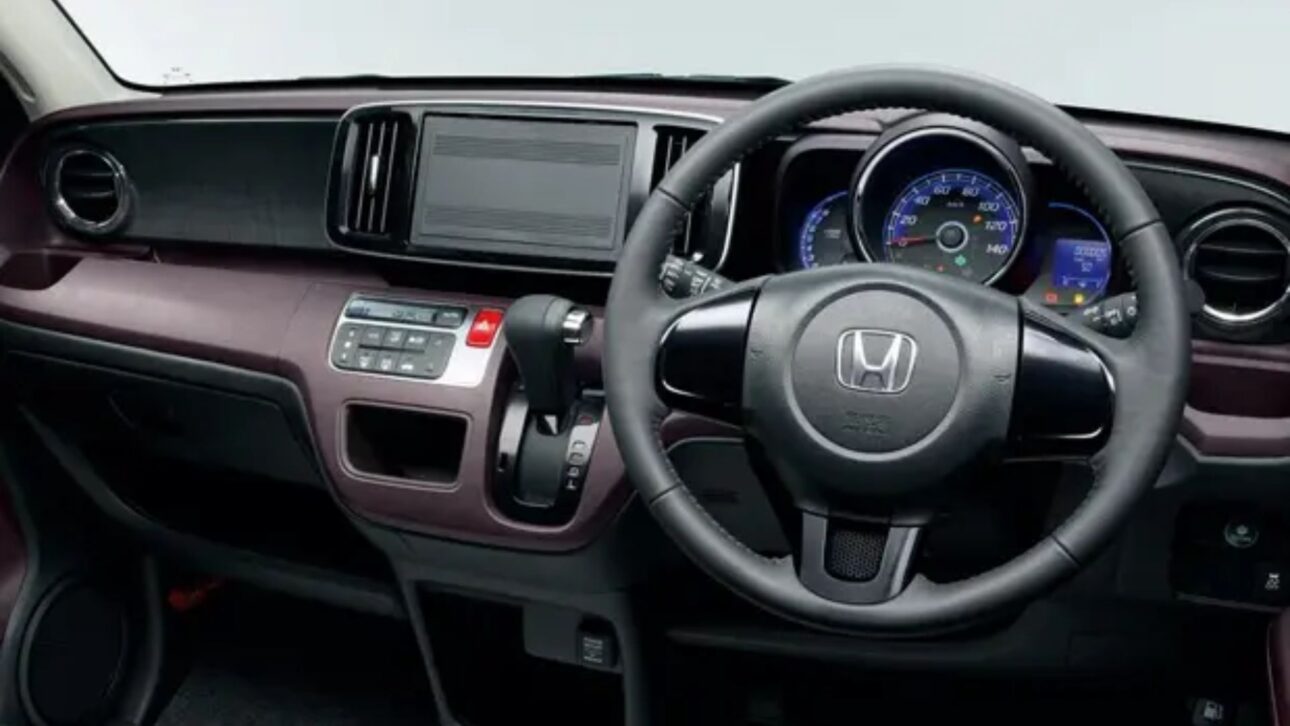
The very name of the new model refers to the N-One line, which has been recognized since 2012 for its efficiency and good performance in Japanese cities, combining low consumption and ease of parking.
Toyota and BYD Also Advance in Compact Electric Cars
Besides Honda, other Japanese and Chinese brands are intensifying the development of urban electric cars.
Toyota, for instance, launched the C+Pod in 2020 in Japan, consolidating its presence in sustainable mobility niches.
The model is just 2.49 meters long, accommodates two passengers side by side, and has a range of approximately 150 km, reinforcing the focus on compact solutions for large cities.
With a 12.5 horsepower electric motor, the Toyota C+Pod reaches a maximum speed of 60 km/h and can be charged in up to five hours using standard outlets.


The design is another highlight, featuring horizontal headlights and a two-tone paint job, aligned with the modern visual trend among urban electric vehicles.
BYD, on the other hand, is investing in the global expansion of mini electric cars, focusing on affordable prices and cutting-edge battery technology.
The entry of foreign manufacturers into Japan promises to elevate the level of competitiveness, forcing traditional brands to innovate in design, range, and connectivity.
Would you consider a mini electric car from Honda or do you prefer other models? Share your opinion in the comments! See you next time!









Por ser Honda poderia ter, ainda tenho resistência a carro elétrico, sou Honda e não abro mão da qualidade Honda sempre tive e tenho Honda.
BYD fará melhor, mais barato e fabricado no Brasil.
Montado no Brasil!
A BYD fará melhor mais barato e será mande in Brasil.
Será sempre chines fabricado em qualquer ligar do mundo!