





 Portuguese
  English
  Spanish
  5 min of reading
  0 comments


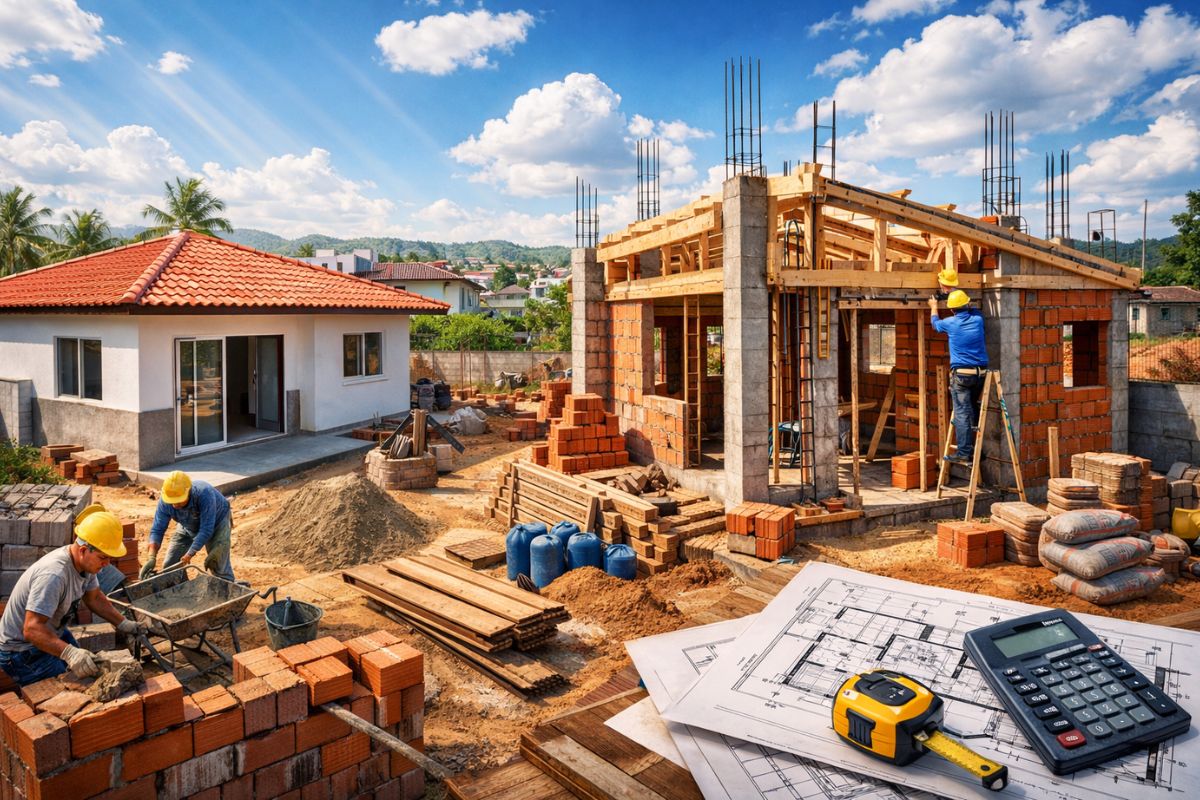
A simple house of 80 m² in Brazil in 2026 usually costs between R$ 150 thousand and R$ 170 thousand, but this value covers only the base of the construction and almost always increases when the work enters the real execution phase.
Building a simple house seems like a more predictable plan on paper, but practice shows a different reality. The cost per square meter helps to establish an initial reference, but the final budget rarely stays tied to the number that appears in the first calculations.
A simple house of this size is still far from being unfeasible, but it has ceased to be cheap. The central point is not just the price of materials or labor, but the fact that many important expenses are left out of the initial account and appear strongly when the work is already underway.
That’s why so many people start believing in one value and end up facing another scenario. The budget almost always skyrockets because the initial reference shows only part of the work, not the complete cost of putting the house in a real condition for use.
-
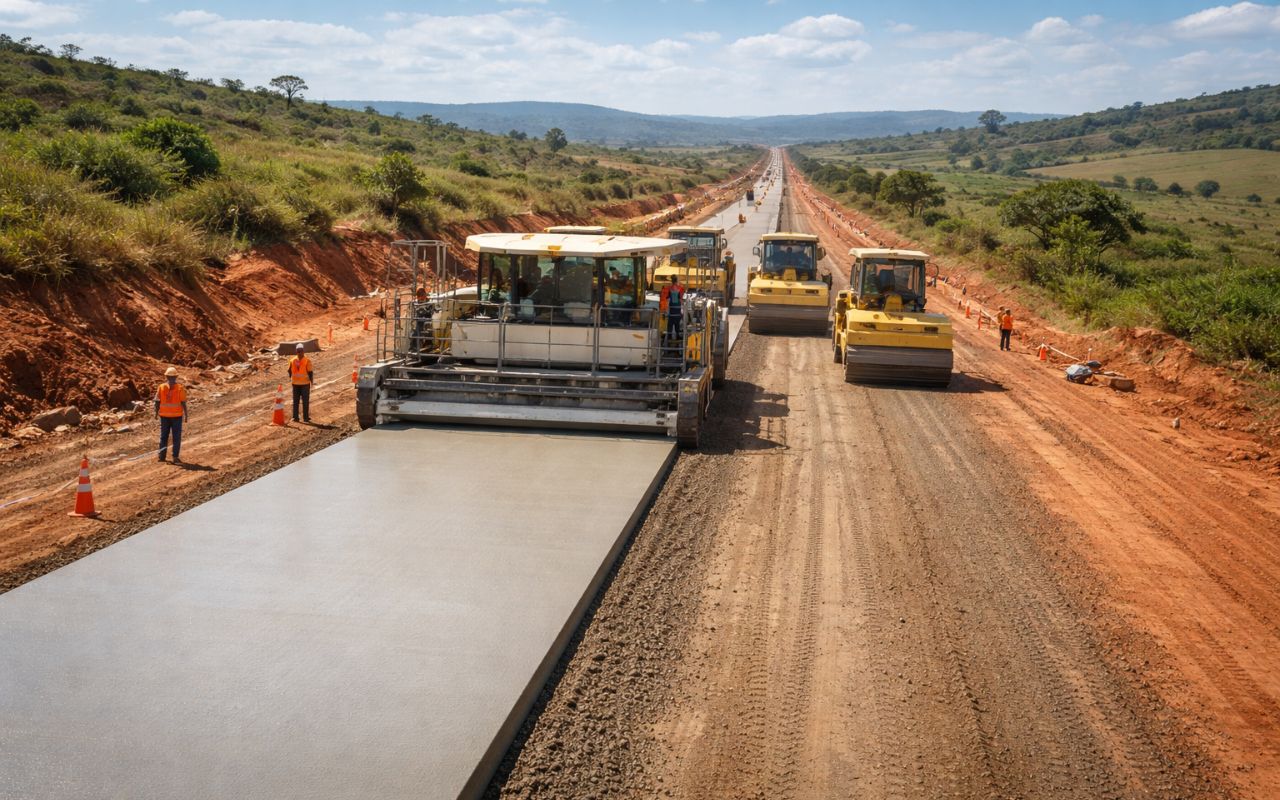
New CCR concrete paving technology promises roads up to 3x more durable, less maintenance, and cost reduction in Brazil.
-
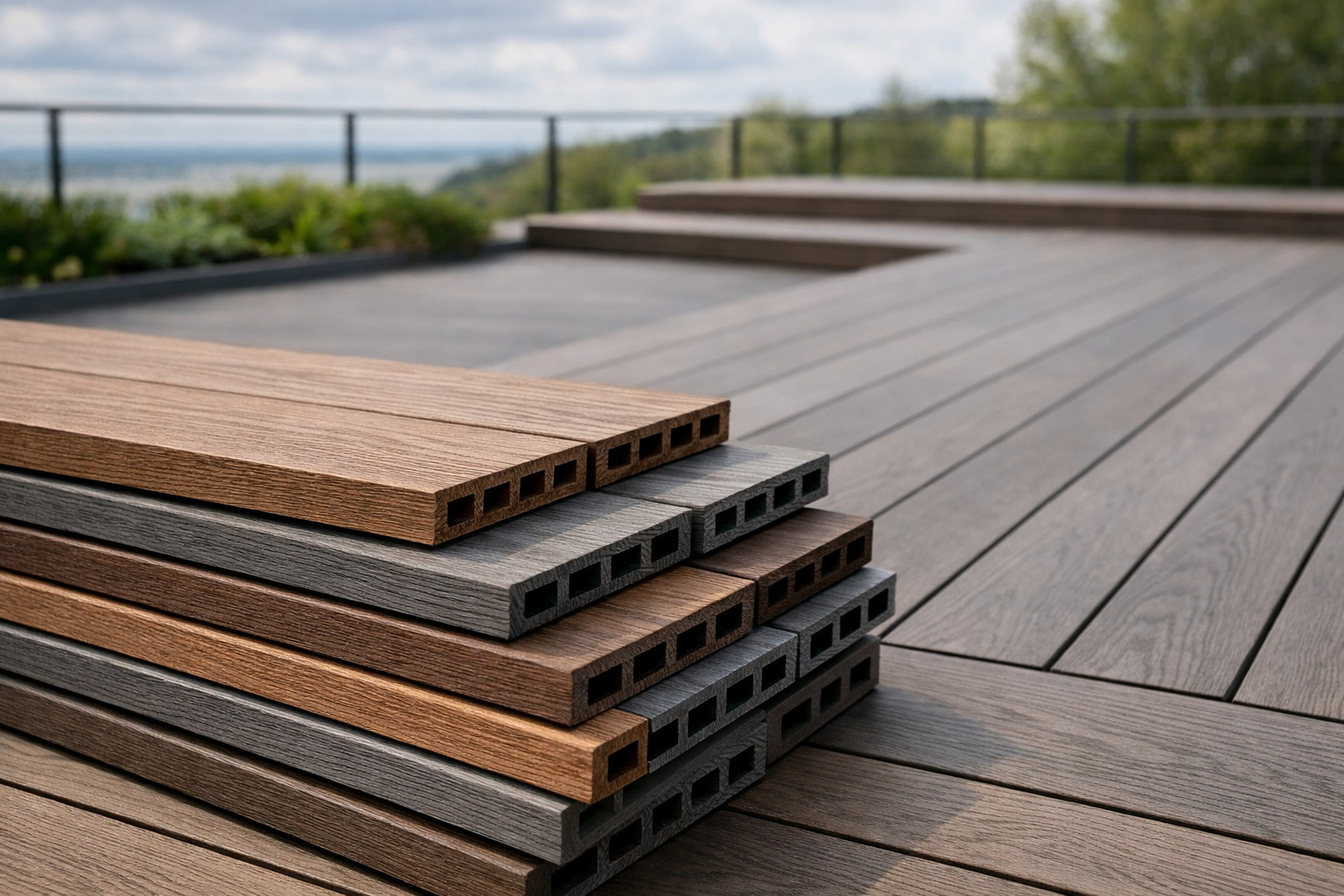
Made from recycled plastic, plastic wood is gaining space in the construction industry because it does not rot, resists moisture, and reduces maintenance costs over the years.
-
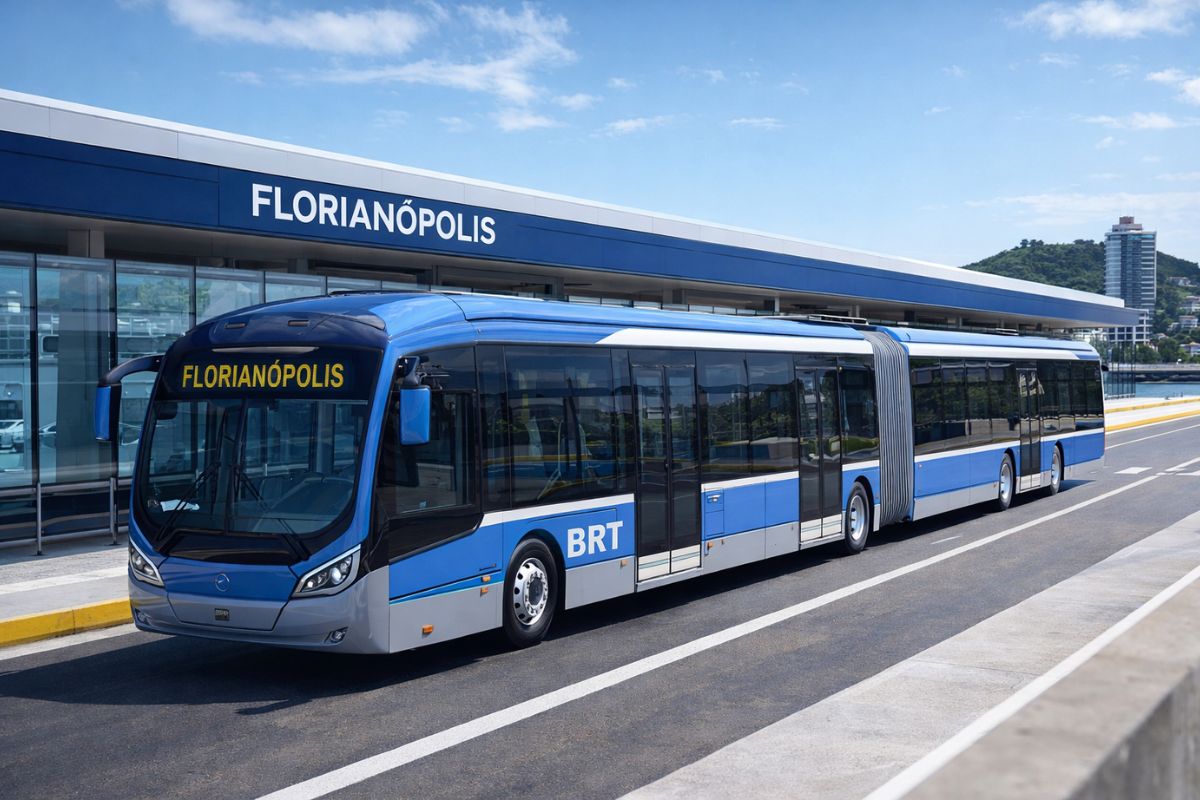
Florianópolis will receive a million-dollar BRT that will begin construction in 2026 with nearly 400 million in funding from the federal government and the Inter-American Development Bank, and the map already shows the routes for the exclusive bus corridors.
-
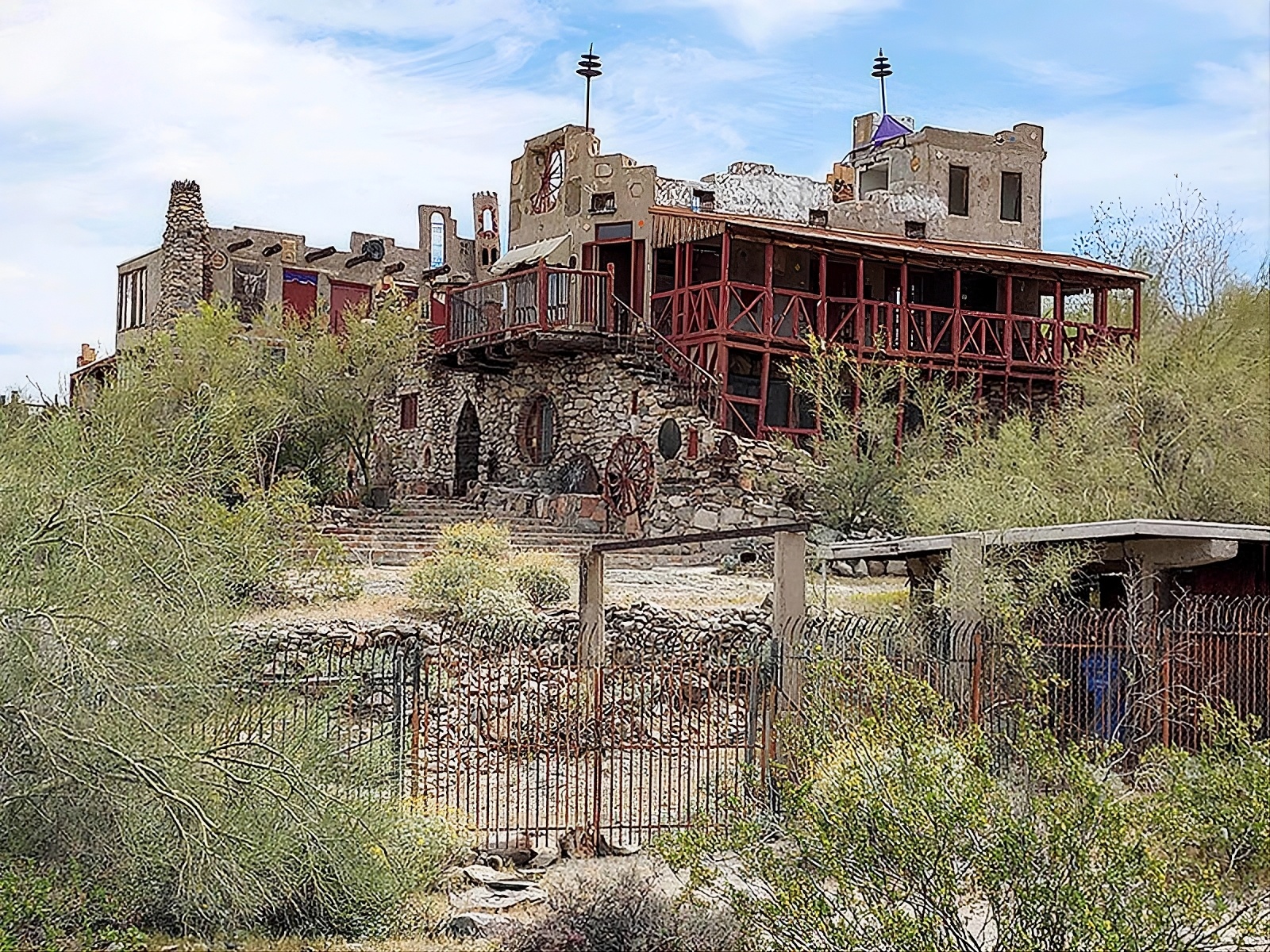
Without a blueprint, without an engineer, and using scrap from the dump, a father spends 15 years building an 18-room castle for his daughter, featuring tram tracks, 13 fireplaces, and over 700 m², which may now be demolished.

How much does it cost to build a simple house of 80 m² in 2026
Today, the average value of a simple house of 80 m² ranges between R$ 150 thousand and R$ 170 thousand. This estimate is based on the cost per square meter, which in simple constructions usually varies between R$ 1,800 and R$ 2,300.
This calculation helps to form a reliable basis for comparison. Still, it should be read as a starting point, not as a fixed price. The value serves to guide planning, but does not prevent the final cost from rising when the construction truly begins.
What this value really includes
In practice, the price per square meter of a simple house covers the essential structure of the work. This involves what makes the property physically exist, but not necessarily everything that will be needed to live comfortably or complete every detail of the project.
According to the provided basis, this calculation usually includes structure and masonry, roofing and basic part of the roof, essential electrical and plumbing installations, labor, and simple standard finishing.
In other words, it is the cost of the base of the construction, not the complete package of everything the owner will need to pay for until considering the house ready.
Why does the budget go up so much in the middle of the work

This is precisely where the frustration of many begins. The initial price of a simple house seems manageable, but several important items do not enter this starting account. When they arise, the budget easily bursts.
Among the main costs that are left out are land, architectural and structural design, fees, documentation, water and electricity connections, as well as better finishes and furniture.
When added together, these items can easily raise the final value by R$ 20 thousand or more. It is this invisible set at the beginning that makes the work seem more expensive than planned.
The cost per square meter does not tell the whole story
Many people look at the value of the square meter and believe they have already understood how much they will spend on a simple house. However, this calculation works more as a reference than as a complete picture of the work.
The problem is that real construction involves decisions, adjustments, and expenses that do not appear clearly in the basic account.
When the budget is assembled with a focus only on the square meter, the margin for surprises increases significantly. And that is exactly what pushes the value up as the project progresses.
What errors increase the cost of a simple house
The basis also makes it clear that small errors can weigh heavily on the final result. In a simple house, the lack of control usually does not come from a single outrageous expense, but from several poorly managed decisions throughout the execution.
Changes during the work are among the biggest villains. Additionally, late choices, lack of definition before starting, and improvised adjustments to the project tend to increase material costs, delay stages, and increase the need for rework. The less improvisation, the lower the chance of the budget going out of control.
Is it possible to spend less without compromising the result
Yes, but this requires discipline. Reducing the cost of a simple house does not mean cutting quality in any way. It means simplifying decisions, eliminating excesses, and starting the work with as much defined as possible.
Among the cited strategies are simplifying the project, avoiding changes during the work, choosing more basic materials, and planning everything before starting. These measures help to keep the budget in check and reduce the risk of overruns along the way. Saving in construction comes more from organization than from improvisation.
Is there a cost floor for this type of work
Even seeking leaner solutions, the basis indicates that today it is difficult for a simple house of 80 m² to cost less than R$ 140 thousand without compromising the standard. This data shows that there is a practical limit to cutting costs without directly affecting the quality of the result.
This is important because many people enter the work with an expectation below reality. When the initial budget is disconnected from the minimum viable cost, the chance of frustration increases significantly. And this often leads to pauses, poorly planned cuts, or finishes worse than expected.
Is it worth building in 2026
Even with higher costs, building a simple house can still be worth it, especially for those who want to leave rent or have a property more suited to their own needs.
What changes in 2026 is not the possibility of building, but the need for better planning.
Those who start without a clear forecast almost always spend more than they imagined. Those who enter the work with more realistic numbers, awareness of costs outside the initial account, and previously defined decisions can transform this expense into a more controlled investment.
The difference between a manageable work and a chaotic work is almost always in the planning.
Do you think it is still worth building a simple house today or buying a ready-made property?









Seja o primeiro a reagir!