





 Português
  Inglês
  Espanhol
 3 min de leitura


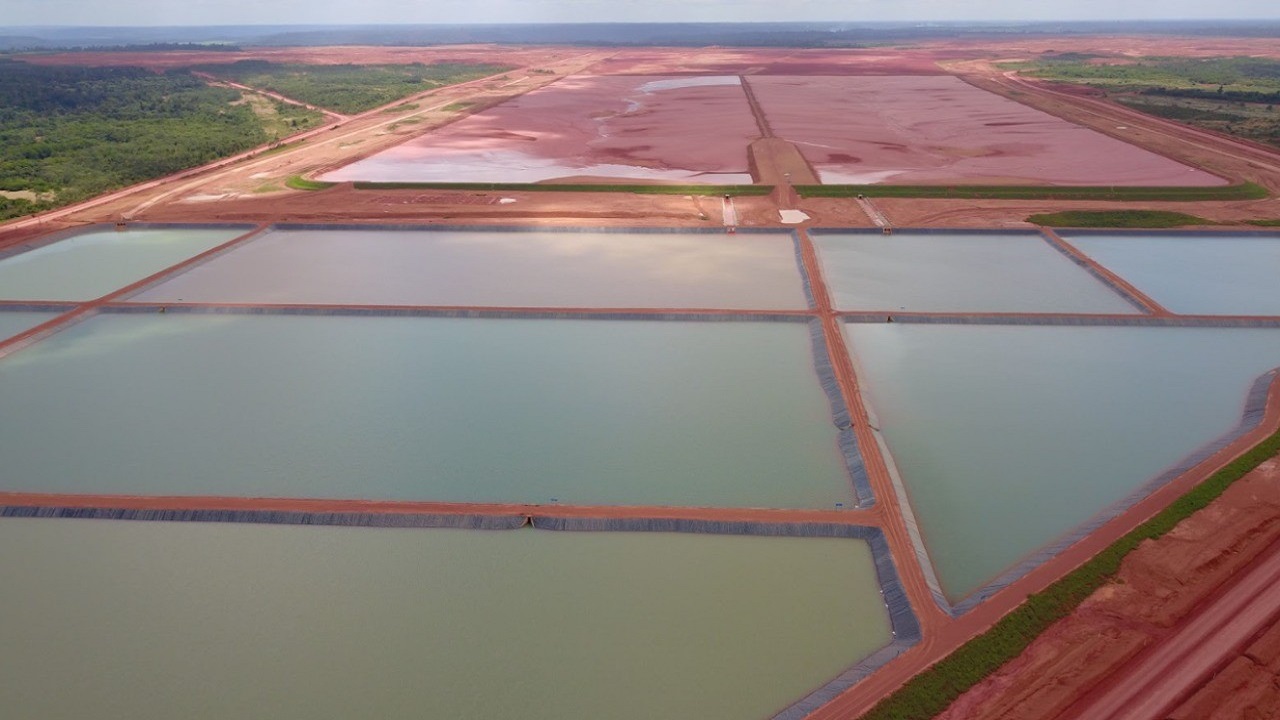
The New Partnership Between Hydro and UFPA Will Conduct a Series of Studies for the Installation of Floating Solar Panels at the Bauxite Mine, Reducing Electricity Costs and Contributing to the Environment
The Federal University of Pará (UFPA) plans to install floating solar panels in the water reservoir of Hydro Paragominas, thereby reducing water evaporation during the process in the mine’s reservoirs, contributing not only to the water conservation of the plant but also to the reuse process.
Read Also
UFPA and Hydro Discuss the New Floating Solar Panel Project
With an initial duration of two years, UFPA reports that this new partnership for the photovoltaic solar energy project strengthens the interest of Brazilian companies in reducing polluting gases.
The UFPA project will not only reduce electricity costs but also help to reuse all the water used in the company’s bauxite mining plant. Hydro will experience significant reductions during the process, as the floating panels will assist in this effort.
-
Renewable energy advances over protected areas in Brazil, and a survey by the Energy Transition Observatory reveals silent impacts that challenge environmental conservation and pressure sensitive traditional territories.

-
Rio Grande do Sul accelerates energy transition: State invests in renewable technologies and consolidates decarbonization strategies and pathways to attract billions in new industrial investments.

-
With 160,000 m² of collectors, an area larger than 20 football fields, Silkeborg, in Denmark, hosts a solar thermal plant that heats 19,500 homes and could become the largest solar heating plant in the world.

-
A study reveals the expansion of renewable energy procurement in Brazil and shows how companies are taking advantage of opportunities to reduce expenses, ensure energy efficiency, and strengthen strategic environmental commitments.


Use of Floating Photovoltaic Solar Panels Grows in the Brazilian Market
The adoption of floating photovoltaic installations represents an expansion in energy generation capacity and offers numerous advantages compared to conventional photovoltaic systems, such as:
- Installation possibility in reservoirs of hydroelectric plants, enabling installation close to consumption centers;
- Higher efficiency (about 11% more compared to land-based systems) due to natural cooling;
- Reduction in losses due to dirt and ease of installation, as leveling the area becomes unnecessary in this modality.
Furthermore, the choice of the system’s installation location is guided by the attempt to improve water quality and reduce evaporation rates from the UHE reservoirs.
Director of Hydro and President of the Federal University of Pará Discuss the Importance of the Project
“This research aligns with Hydro’s goal of being increasingly sustainable. If the results are positive, we could save even more water in our processes and provide a renewable energy alternative for our operations. It is a benefit for the company and for environmental conservation. We are committed to continually innovating in search of more sustainable production processes, and UFPA has been an important partner in this goal,” says Evilmar Fonseca, industrial director of Hydro Paragominas.
According to Iracilda Sampaio, Vice-Rector for Research and Graduate Studies at UFPA, sustainability is still a recent topic in Brazil but is extremely necessary for modernizing the Brazilian energy market.
“The University has competent research teams in the field of sustainable energy, and this partnership between UFPA and Hydro using solar panels for energy production is very timely. We live in a region rich in sun and water, and we have all the conditions to advance in this research area, in an important university-business partnership. Our expectations are very high regarding the success of this endeavor,” she said.
Hydro Paragominas Mine
The Paragominas mine is a large mine located in the northern part of Brazil in Pará. Paragominas represents one of the largest bauxite reserves in Brazil and one of the largest in South America, with estimated reserves of 1 billion tons.









Seja o primeiro a reagir!