





 English
  Francês
  Alemão
  Italiano
  Japonês
  Norueguês
  Portuguese
  Spanish
  6 min of reading
  0 comments


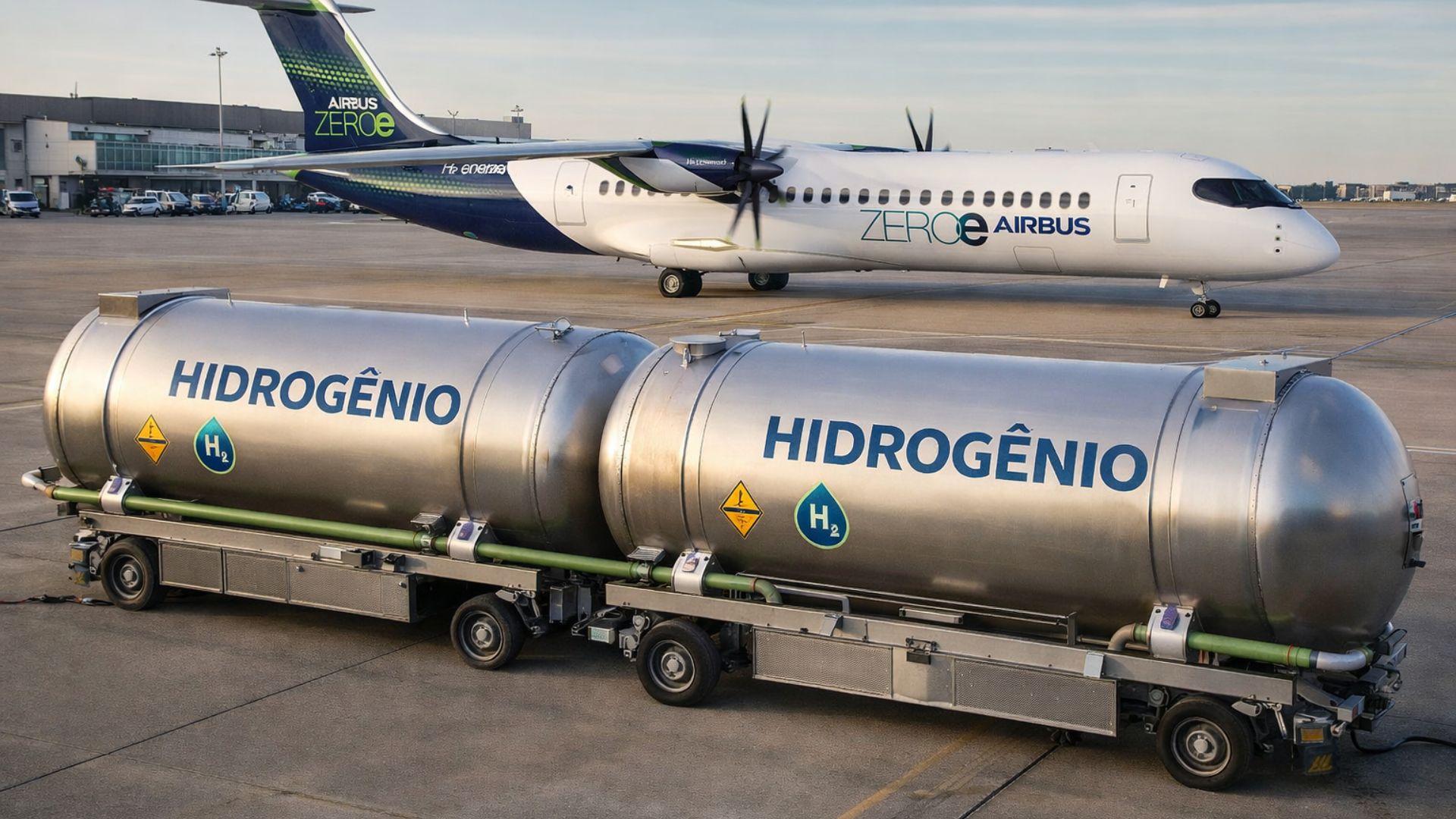
Airbus advances in the use of hydrogen in aviation by validating technology with fuel cell in experimental aircraft, signaling emission reduction and new directions for sustainable flights in the global scenario.
The global aviation industry is facing a structural transformation driven by the need to reduce emissions and meet international climate goals. In this context, Airbus has confirmed significant progress in the development of an aircraft powered by hydrogen fuel cell, reinforcing the potential of this technology to enable more sustainable flights.
According to a publication by Aeroin on March 20, the project is part of the ZEROe concept and envisions an aircraft with a capacity for 100 passengers and a range of up to 1,850 km (1,000 nautical miles). The proposal combines high-power electric motors with fuel cell systems, eliminating direct CO₂ emissions during flight. The initial validation of the technology, with a technology readiness level (TRL) of 3, indicates that development has already progressed beyond the conceptual phase.
Concrete advances of Airbus with hydrogen and fuel cell in aviation
Airbus has conducted detailed evaluations of components, systems, and the aircraft as a whole. These tests confirmed that the integration between hydrogen and fuel cell is technically feasible in aeronautical applications, albeit in the early stages.
-
The Federal District bets on innovation and sustainability by launching a hydrogen-powered bus on a new tourist route, promising to reduce emissions and transform the urban experience for residents and visitors.

-
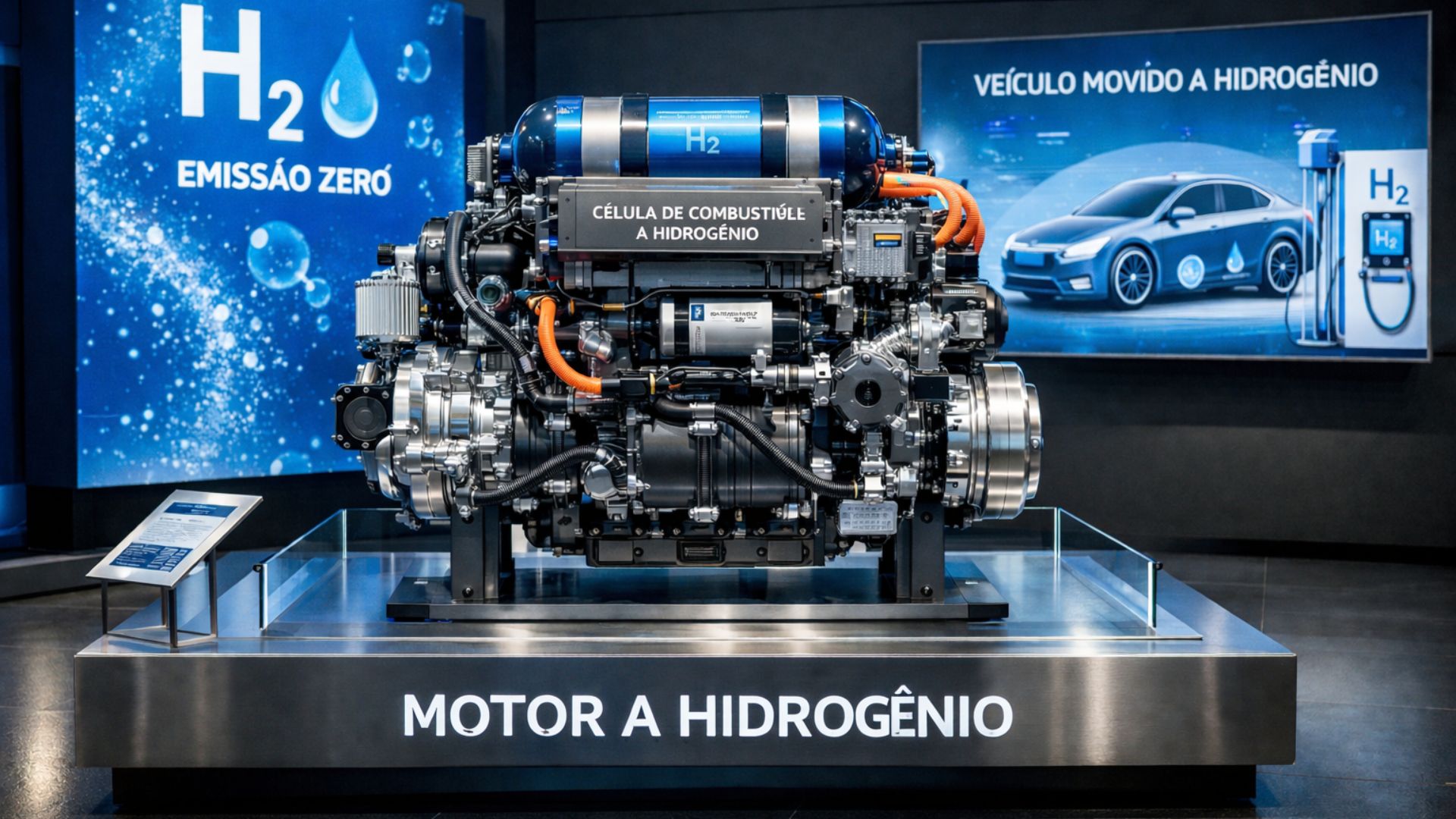
Hydrogen Engine Promises to Revolutionize Automotive Market and Creates a New Technological Horizon, But Economic Challenges Explain Global Resistance from Manufacturers
-
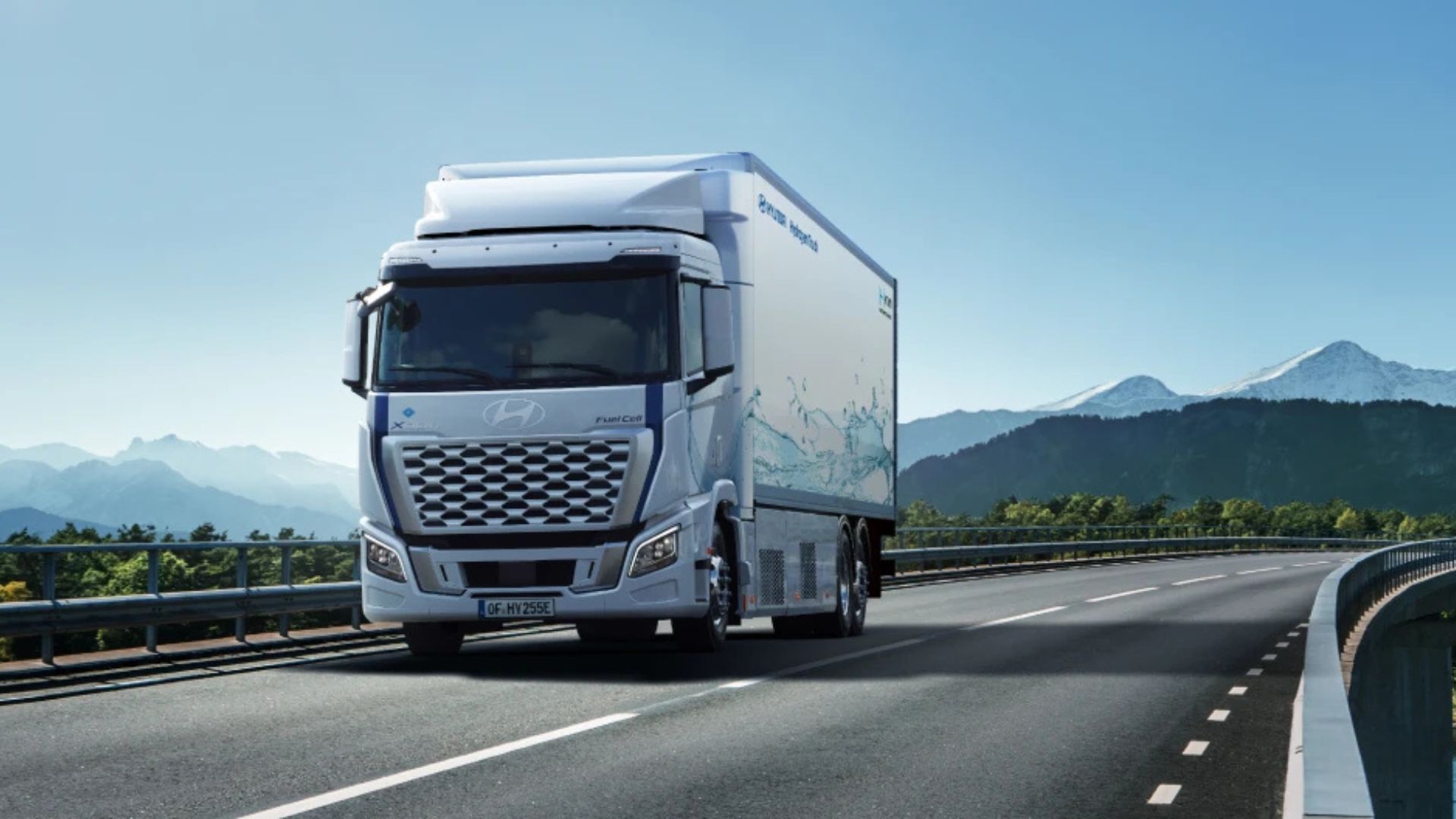
Hyundai XCIENT Fuel Cell Reaches 20 Million Km in Europe in Sustainable Logistics: Historic Milestone for Hydrogen Truck Fleet and Advancement of Global Clean Mobility
-
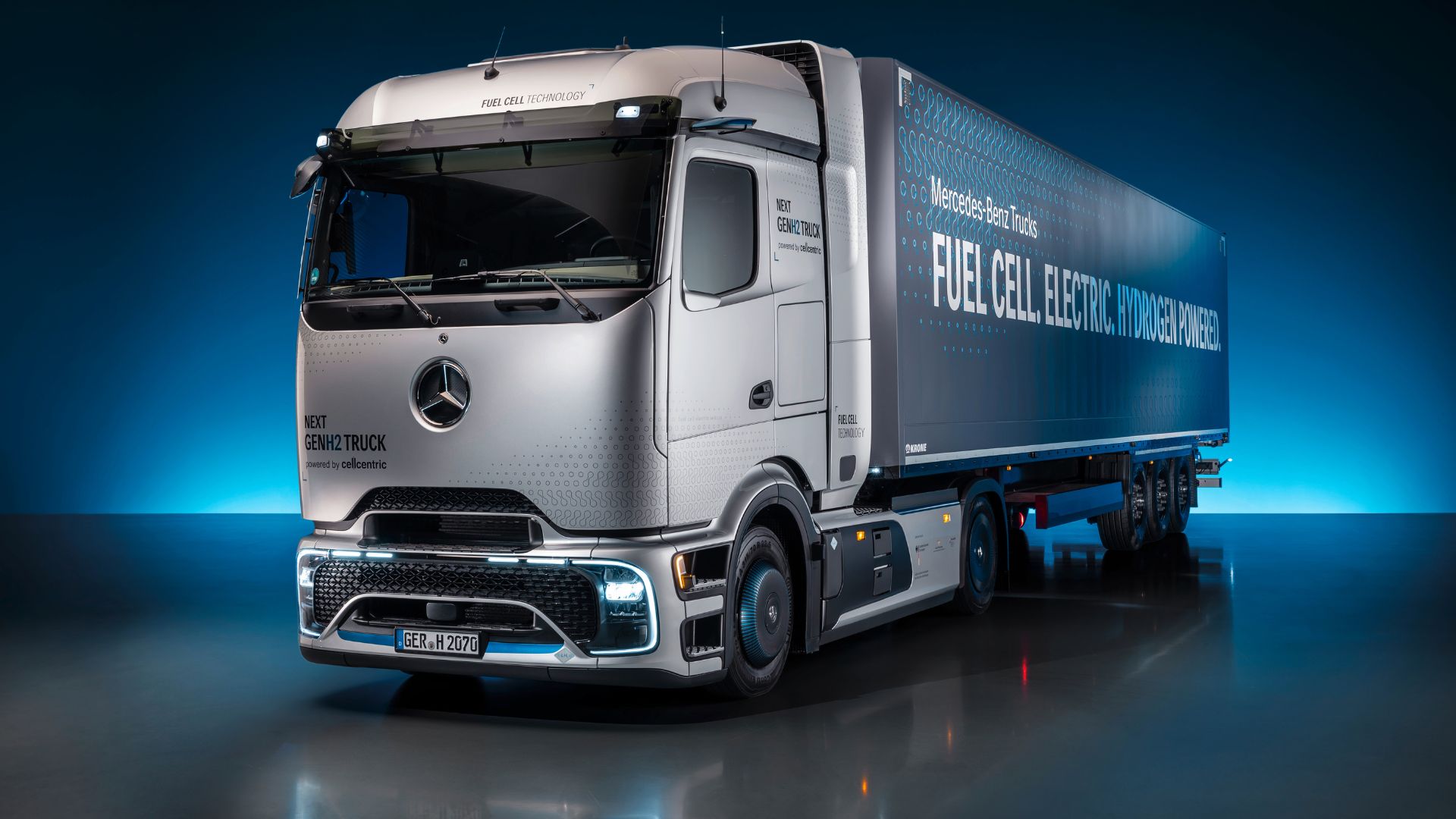
Mercedes-Benz NextGenH2: New Hydrogen Truck with 100 Units in 2026, Range of 1,000 Km, and Fuel Cell Technology for Sustainable Transport

The model presented at the 2025 Summit includes four electric motors of 2.4 MW each. This configuration allows for the transport of 100 passengers on regional routes, positioning the aircraft as an alternative for short and medium-haul flights.
During the validation process, opportunities were identified to improve system performance. Among the main points is the increase in the efficiency of fuel cells, allowing for more power to be extracted per kilogram, which is essential for optimizing the weight and energy consumption of the aircraft.
How the fuel cell works in the hydrogen-powered aircraft of Airbus
The fuel cell is the heart of the propulsion system. Unlike conventional engines, it uses an electrochemical reaction to convert hydrogen into electricity, without combustion.
In this process, hydrogen reacts with oxygen present in the air, generating electrical energy, heat, and water vapor. This electricity directly powers the electric motors of the aircraft, ensuring clean and efficient propulsion.
The absence of carbon dioxide emissions makes this solution highly attractive from an environmental standpoint. However, the efficiency of the system depends on continuous technological advancements, especially in energy density and durability of fuel cells.


Hydrogen storage and the technical challenges of the new aircraft
One of the biggest challenges for the adoption of hydrogen in aviation is storage. Airbus is studying the replacement of pressurized systems with liquid hydrogen tanks, which offer greater energy density by volume.
This type of storage requires extremely low temperatures. To withstand these conditions, the company is evaluating the use of advanced materials, such as carbon fiber reinforced polymers, compatible with cryogenic environments.
The adoption of liquid hydrogen can significantly reduce the weight of the tanks, a determining factor for the operational viability of the aircraft. Nevertheless, the development of these systems requires rigorous testing and safety validations.
Industrial partnerships accelerate the development of Airbus
The advancement of fuel cell technology does not depend solely on Airbus. The company created the joint venture AeroStack in partnership with ElringKlinger, specializing in mobility solutions.
This collaboration allows for the integration of knowledge from the automotive sector, where hydrogen has already been tested in commercial vehicles. The synergy between different industries accelerates development and reduces technological risks.
Additionally, Airbus has been investing hundreds of millions of euros in enhancing hydrogen-based electric propulsion systems, reinforcing its commitment to sustainable innovation.
Ongoing tests and next milestones of the ZEROe project
Tests are being conducted in Ottobrunn, Germany, where Airbus is assembling a 1.2 MW power demonstrator. This system incorporates standard “S1” components developed in partnership with suppliers.
The timeline anticipates the start of full testing by 2026. The integration of the system with the liquid hydrogen tank is scheduled for the end of 2027, when the project is expected to reach a new level of technological maturity.
These milestones are essential to validate the integrated operation of the aircraft, ensuring safety, efficiency, and performance under real conditions.
Hydrogen, Airbus, and electric aircraft: the leap with the Cryoprop program
Alongside ZEROe, Airbus is developing the Cryoprop program through the UpNext division. The goal is to create hydrogen-cooled superconducting electric propulsion systems.
This technology could enable aircraft with a capacity for up to 200 passengers, significantly expanding the range of the solution. Superconductivity reduces energy losses, increasing the efficiency of electrical systems.
The Cryoprop represents an important advancement by demonstrating that hydrogen can be applied not only in regional aircraft but also in larger models, expanding the impact of the technology in global aviation.
Environmental impacts and the role of hydrogen in decarbonization
The use of hydrogen in aviation can drastically reduce greenhouse gas emissions. When produced from renewable sources, the so-called green hydrogen becomes an even more sustainable solution.
According to the International Energy Agency, hydrogen plays a strategic role in the decarbonization of hard-to-electrify sectors, such as air transport.
In addition to eliminating direct CO₂ emissions, the technology also helps to reduce local air pollutants. However, the total environmental impact depends on how hydrogen is produced and distributed.
Barriers to large-scale adoption in aviation
Despite the potential, the implementation of hydrogen in aviation faces significant challenges. Airport infrastructure is still not prepared to store and refuel aircraft with hydrogen on a large scale.
Another critical point is the cost of green hydrogen, which is still high compared to fossil fuels. Additionally, the sector needs to undergo rigorous certification processes to ensure the safety of new technologies.
The adaptation of the global logistics chain will also be necessary, including transportation, storage, and distribution of the fuel. These factors indicate that the transition will be gradual, requiring coordination between governments, industry, and operators.
Economic and strategic prospects for the aerospace sector
The adoption of hydrogen could bring long-term economic benefits, especially in a scenario of volatility in fossil fuel prices. Airlines could reduce their exposure to oil-related risks.
Moreover, public policies and government incentives should drive the development of the technology. Countries that invest in the hydrogen chain could position themselves as leaders in the new energy economy.
By advancing with ZEROe, Airbus strengthens its strategic position in the global market, betting on innovation to maintain competitiveness in a transforming sector.
A new energy horizon for global aviation
The advances of Airbus demonstrate that the use of hydrogen in aircraft is moving beyond being just a theoretical possibility. The validation of systems, ongoing tests, and continuous investment indicate that the technology is evolving consistently.
While there are still technical and economic challenges, the development of fuel cell-powered aircraft represents a decisive step towards sustainability. The combination of innovation, energy efficiency, and emission reduction points to a new era in air transport.
If the next milestones are achieved as planned, hydrogen could transform aviation in the coming decades, offering a viable, clean alternative aligned with global environmental demands.








Seja o primeiro a reagir!