





 Portuguese
  English
  Spanish
  4 min of reading
  7 comments


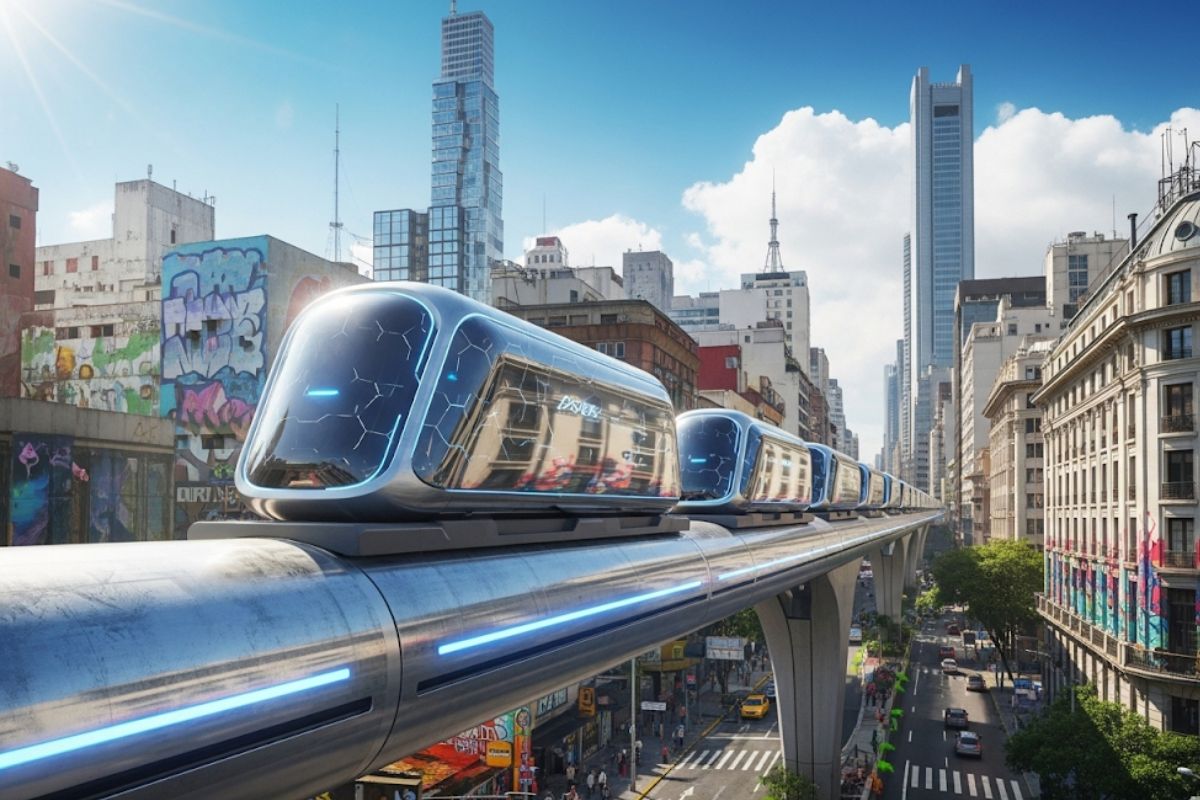

The Idea of a Brazil-Argentina Hyperloop Capable of Traveling at 800 Km/H in Vacuum Tubes Is Fascinating. We Analyze the Current Reality of This Ultrahigh-Speed Transportation Technology and the Immense Challenges to Connect the Two South American Countries.
The possibility of a Brazil-Argentina Hyperloop journey in just 30 minutes, covering a distance of 1,000 km through vacuum tubes, seems like a science fiction plot, but some profiles on social media and channels on YouTube have shown that this project could be possible. This dream of ultrahigh-speed transport would shorten vast distances in South America, transforming trade and regional integration.
But what is the reality behind this ambitious vision? This article investigates the feasibility of such a project. We will analyze the status of Hyperloop technology globally by mid-2025, the existing initiatives in Brazil, and the obstacles to understand what is fact and what still remains in the realm of speculation.
Hyperloop: The Revolutionary Promise of Transportation in Vacuum Tubes
The Hyperloop is proposed as a disruptive transportation system. The technology consists of capsules or pods, for passengers or cargo, that travel through steel tubes held under partial vacuum or low pressure. The drastic reduction of air resistance allows the capsules to reach extremely high speeds with lower energy consumption.
-
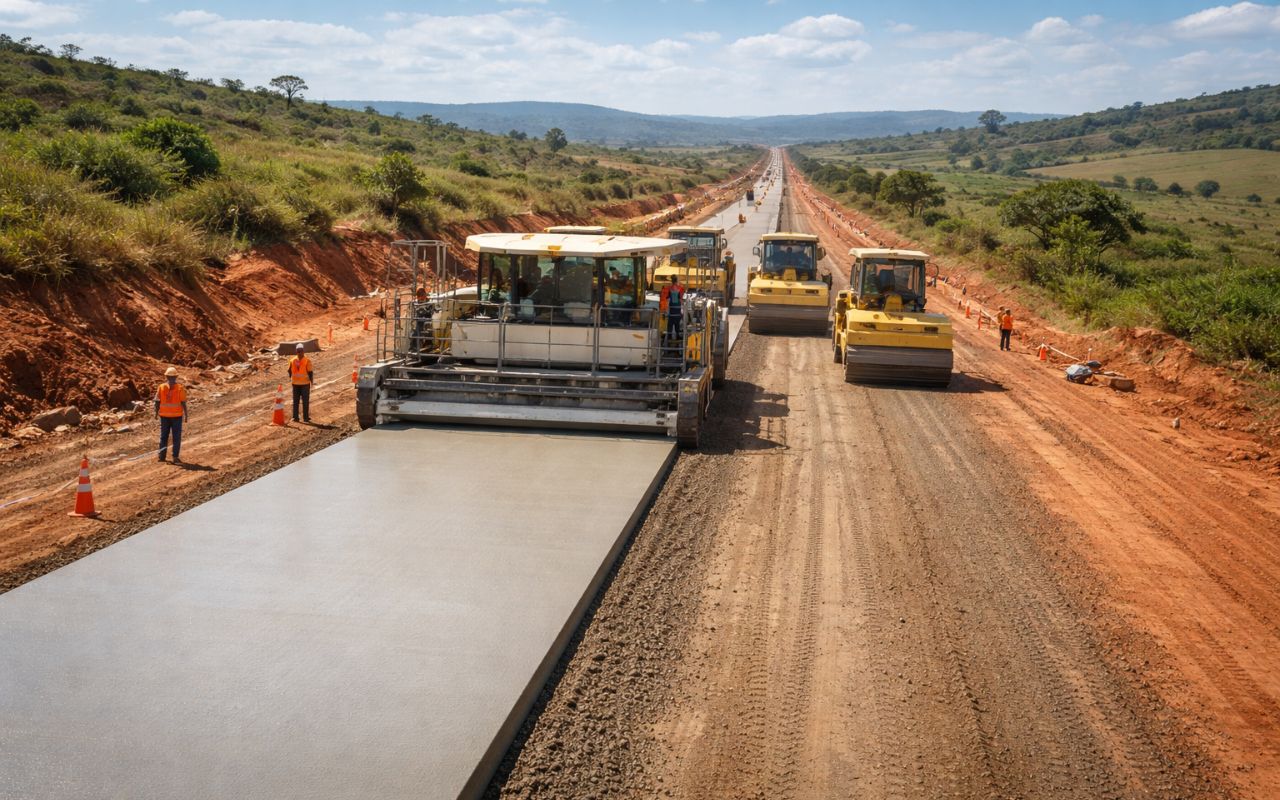
New CCR concrete paving technology promises roads up to 3x more durable, less maintenance, and cost reduction in Brazil.
-
Made from recycled plastic, plastic wood is gaining space in the construction industry because it does not rot, resists moisture, and reduces maintenance costs over the years.

-
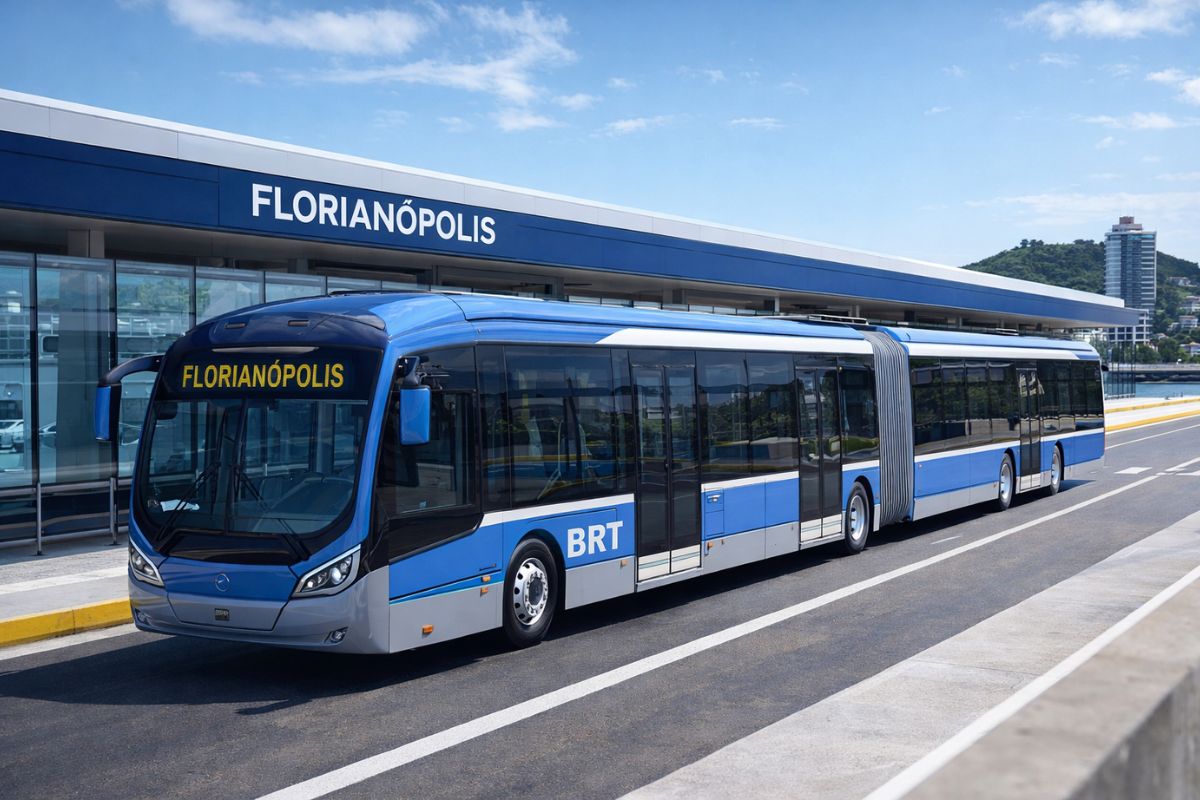
Florianópolis will receive a million-dollar BRT that will begin construction in 2026 with nearly 400 million in funding from the federal government and the Inter-American Development Bank, and the map already shows the routes for the exclusive bus corridors.
-
Without a blueprint, without an engineer, and using scrap from the dump, a father spends 15 years building an 18-room castle for his daughter, featuring tram tracks, 13 fireplaces, and over 700 m², which may now be demolished.


Propulsion is typically conceived by magnetic levitation (maglev) and linear induction motors. Theoretical projected speeds range between 700 km/h and over 1,200 km/h. Benefits include drastic reductions in travel time, potentially lower energy consumption, and operation independent of weather. The modern concept gained prominence with Elon Musk in 2013, who proposed it as a “fifth mode of transport.”
Is There a Project for a Brazil-Argentina Hyperloop Linking São Paulo to Buenos Aires?

As of May 2025, based on available research, there is no evidence of a formally launched binational project for a Hyperloop passenger line between major cities like São Paulo and Buenos Aires. Discussions regarding proponents, involved companies, or timelines for such a specific venture do not find concrete backing.
The claim of a “30-minute” journey for a route of this magnitude (approximately 2,000 to 2,500 km) is considered highly unrealistic with the current projected Hyperloop technology. Even with optimistic speeds, a more plausible estimate for such a route, should the project become feasible, would be between 1.5 and 2.5 hours of travel.
Hyperloop Initiatives in South America: Focus on Brazil
Although a direct Brazil-Argentina Hyperloop project is not underway, there are initiatives in Brazil. The company Hyperloop Transportation Technologies (HyperloopTT) has been the main driving force. A feasibility study for the “HyperPort,” a cargo system connecting the Port of Santos to São Paulo and the interior, was completed in March 2025 with positive results, according to the company.
Additionally, HyperloopTT initiated a preliminary study for a passenger route in Rio Grande do Sul, between Porto Alegre and Serra Gaúcha. Brazilian universities such as UFMG and UFSC (through LabTrans) have also shown interest or involvement in research and development related to Hyperloop technology.
Monumental Challenges for a Long-Distance Brazil-Argentina Hyperloop
Implementing a Brazil-Argentina Hyperloop between São Paulo and Buenos Aires would face colossal obstacles. Costs are astronomical: global estimates for Hyperloop systems range from approximately US$ 116 million to US$ 256 million per kilometer. For a route of 2,000-2,500 km, the total investment would reach hundreds of billions of dollars.
The geographical and geotechnical challenges would be immense, traversing dense urban areas, complex geological formations such as the Paraná Basin, vast Pampas plains, and large rivers. Land acquisition over thousands of kilometers and the need for binational coordination for agreements, regulatory harmonization, and border procedures add significant layers of complexity. Additionally, it would be necessary to demonstrate passenger or cargo demand that justifies such investment against competition with air transport.
Global Overview of Hyperloop Technology in 2025: Advances and Setbacks
Globally, Hyperloop technology remains in research, development, and testing phases. Companies such as HyperloopTT, Hardt Hyperloop (Netherlands), Zeleros (Spain), Swisspod (U.S./Switzerland), and Nevomo (Poland) remain active, as does the T-Flight project in China. Test tracks operate in locations such as the European Hyperloop Center in the Netherlands, India (IIT Madras), and the U.S. (Swisspod), but large-scale commercial passenger operations have yet to begin.
A significant setback was the closure of Virgin Hyperloop operations at the end of 2023, after being one of the pioneers and conducting the first passenger tests. This signals the considerable commercial challenges of the technology. Currently, the industry seems to have a more immediate focus on applications for cargo transport, which may present fewer regulatory barriers and a clearer business case.









Mais barato e viável adotar trem bala já existente e difundido em vários países!
Não sei daqui a 50/100 anos, mas na atualidade, impraticável, até porque não acredito que a Argentina tenha interesse na realização desse projeto!
Nunca vai acontecer.
Só a manutenção torna essa ideia **** impraticável.