





 Portuguese
  English
  Spanish
  4 min of reading
  3 comments


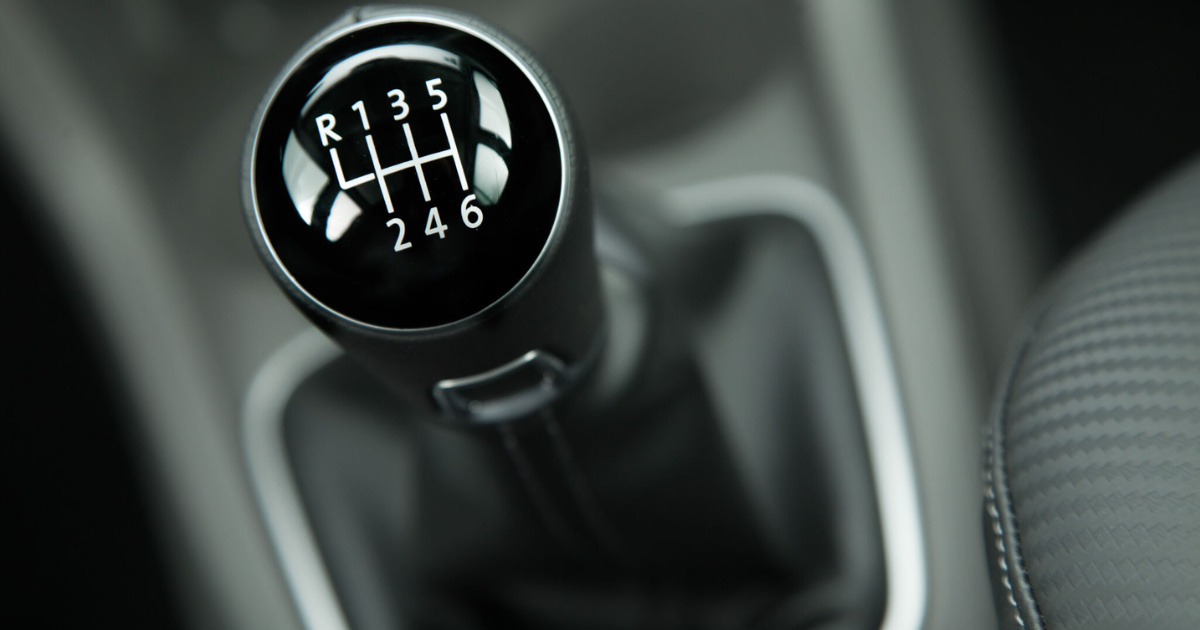


As the Global Automotive Market Advances Toward Total Digitalization, Manufacturers Like Hyundai Are Declaring the End of Items That Marked Generations, Revealing a New Era Where the Human Touch Gives Way to Electronic Intelligence.
Hyundai has announced that new models will no longer have manual transmission, traditional handbrake or analog dashboard.
The decision is justified by low demand, pressure for emissions reduction, and economies of scale.
The automaker emphasizes that electric sports versions have already surpassed combustion cars in performance, eliminating the need for classic components.
-
OMODA & JAECOO grows in Europe in 2026 with an integrated strategy of sales, innovation, local production, and technological advancement in the United Kingdom, Italy, and Spain.
-
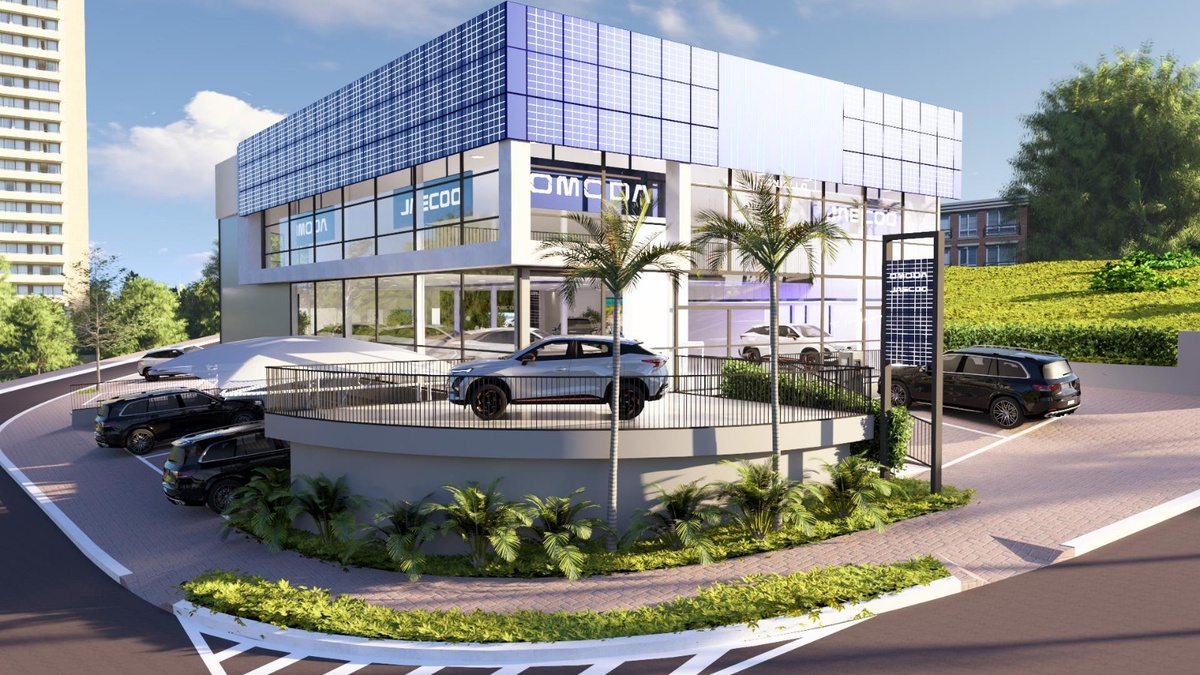
OMODA & JAECOO expands after-sales service in Brazil with competitive maintenance, a 7-year warranty, and high availability of parts for technological SUVs.
-
OMODA & JAECOO appoints Alessandra Souza as executive marketing director in Brazil and accelerates brand expansion with a focus on innovation, networking, and hybrid portfolio.

-
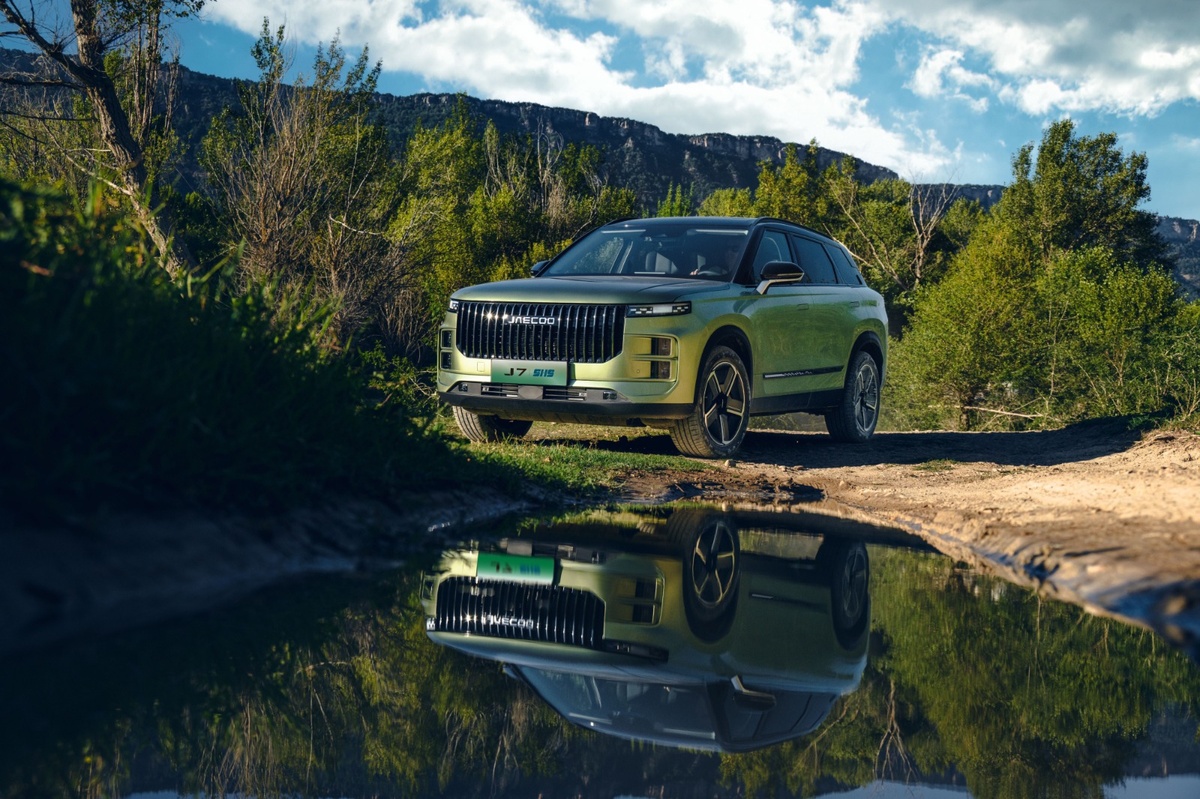
Jaecoo 7 with super hybrid SHS system exceeds 1,200 km of combined range with a 1.5 turbo engine, high-density battery, and intelligent energy management.

Current State of the Automotive Market
Hyundai recorded significant numbers showing a structural change in consumer profiles.
Only about 30% of Elantra N buyers in the US opted for manual transmission; the rest preferred the seven-speed automated transmission.
According to Motor1, other brands are also reducing the availability of models with manual transmission by 2025, such as the Honda Civic hatch and the Jeep Gladiator.
The direct consequence is the nearly total elimination of manuals in major automakers, influenced by production costs, emission regulations, and preference for automatics.
The Reason for the Elimination of Classic Components
According to Tyrone Johnson, technical director of Hyundai Europe, “nobody wants manual transmission, traditional handbrake, or analog dashboard anymore.”
He argues that electronic brakes and digital dashboards are part of young consumers’ expectations, as well as bringing scale gains in production.
These technologies also facilitate the implementation of driver assistance systems, which rely on total digital integration.
The shift to electronics also allows the development of torque multipliers and customized driving modes via software.
Manual Transmission: Relic or Passing Fun?
The reduction in the availability of manuals accompanies a historic reduction in lovers of traditional driving.
Hybrid and electric models, such as the Ioniq 5 N, offer superior performance to older combustion cars, with instant acceleration and maximum torque right off the line.
Additionally, features like N e-shift allow for simulated gear shifts through software, with the aid of paddles and synthetic sound, reproducing the sensation of driving a traditional manual.
“EVs have evolved in 10 years what gasoline cars did in a century,” emphasizes Johnson.
For him, enthusiasts will have to accept that manual transmission will become increasingly exclusive, restricted to special super sports models — like Ferrari Icona or extreme versions of the Ioniq N.
Electric Handbrake and Digital Dashboard
The electronic parking brake (EPB) is already standard in most Hyundai models and replaces the handbrake lever.
It offers modern features such as auto-hold (automatic retention at traffic lights) and emergency braking in case of main pedal failure.
The adoption of the EPB brings additional safety, but also requires attention — the service mode must be activated before brake maintenance to avoid damage to the system.
In the dashboards, digital displays replace traditional analog ones, adding clarity in reading and the possibility of customizing information.
This trend is reinforced by global shifts: practically all new automotive systems already adopt digital screens to display speedometer, GPS route, car data, and driving modes.
Economic Impact and Production
Maintaining production lines capable of manufacturing both manual and automatic versions simultaneously incurs high costs — both in engineering and in emissions certification.
Moreover, the reduced number of manual transmission buyers undermines the financial justification for these versions.
By eliminating classic mechanical parts — such as handbrake mechanisms and clutch cables — Hyundai reduces costs, simplifies assembly, and decreases vehicle weight.
This streamlining also supports the goal of meeting increasingly stringent emission standards without passing costs onto consumers.
Combustion Sports vs. Electrics
The automaker emphasizes that combustion sports models have already been surpassed in performance by electrics.
The Ioniq 5 N won awards like the Wheels Car of the Year 2024–25 in Australia.
These cars provide zero to 100 km/h accelerations in seconds, with instant response and customized driving modes via software.
To meet the emotional factor of a gear shift, systems like N e-shift and synthetic sound effects are used — to maintain driver engagement.
What Changes for the Consumer
Starting in 2025, anyone buying a new Hyundai — except N² models with a sporty appeal — will not have the option of manual transmission or classic handbrake.
The majority of buyers, especially from new generations, prefer the convenience of automatic and digital interfaces.
Moreover, modern systems integrate better with safety standards and driver assistance features.
For those who still value manual transmission, options will be restricted to N models, competitors like Honda Civic Type R, Toyota GR Supra, and some remaining sports niche products.
Future Scenario and Trends
The shift to electric vehicles accelerates this movement.
As Johnson highlighted, manual transmission and analog handbrake belong to the past — the future demands software, simulations, and electrification.
Luxury brands and enthusiasts, like Ferrari, may still offer manuals in limited editions, but not in mass-produced models.
The global trend indicates that by 2025, only a few rare versions with manual transmission will remain — cult runners resisting the norm.
Hyundai has decided to steer its new line of vehicles toward an electronic, economical, and future-oriented model.
The elimination of manual transmission, traditional handbrake, and analog dashboard is becoming inevitable and financially sensible in light of market evolution.
Electric sports cars — like the Ioniq 5 N — already deliver superior performance and promise to satisfy drivers sensitive to gear shifts via software.
For those who still value the mechanical experience, there are few limited options or niche products left.
The confirmed trend is: the past will be merely a memory of the generations that came before.






Claro o manual não gera manutenção como o automático, tudo no automático e mais caro e requer mais manutenção
Falou **** ****! O cambio automático convencional atual, não requer manutenção nenhuma.
Texto muito repetitivo.