





 Português
  Inglês
  Espanhol
  4 min de leitura
  8 comentários


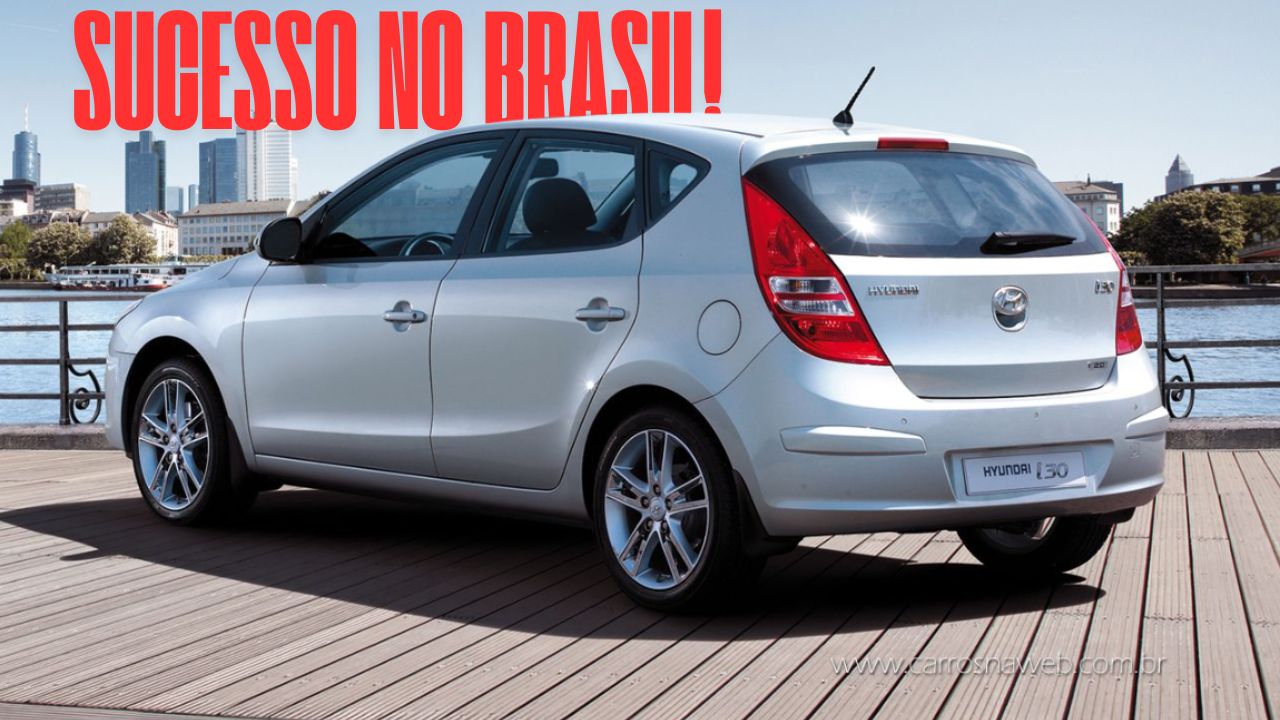


The 2011 Hyundai i30 Was One of the Most Desired Compact Cars in Brazil. It Arrived with a Modern Design, Powerful Engine, and a List of Equipment to Envy. Its Competitive Price Made Many People Choose It Instead of More Expensive Models from Competitors.
The 2011 Hyundai i30 Conquered the Market Because It Offered Lots of Technology at an Accessible Price. It Had a Bold Look, Good Quality Interior Materials, and a Sporty Feel. It Was Cheaper than Some Mid-Size Sedans of the Time, Making It an Excellent Choice.
Another Strong Point Was Its Powerful 2.0 Engine, Which Ensured Solid Performance for a Compact Car. It Also Stood Out for Its Quality Interior Finishes and Comfort Features, Such as a Sunroof, Diamond Wheels, and Parking Sensors.
Comparison with Competitors of the Time
At the Time, the i30 Competed with Models Such as Fiat Bravo, Ford Focus, and Chevrolet Vectra GT. While Some of Them Fell Short on Finishing or Equipment List, the i30 Delivered A More Complete Package and A More Modern Look.
-
OMODA & JAECOO grows in Europe in 2026 with an integrated strategy of sales, innovation, local production, and technological advancement in the United Kingdom, Italy, and Spain.
-
OMODA & JAECOO expands after-sales service in Brazil with competitive maintenance, a 7-year warranty, and high availability of parts for technological SUVs.
-
OMODA & JAECOO appoints Alessandra Souza as executive marketing director in Brazil and accelerates brand expansion with a focus on innovation, networking, and hybrid portfolio.

-
Jaecoo 7 with super hybrid SHS system exceeds 1,200 km of combined range with a 1.5 turbo engine, high-density battery, and intelligent energy management.

Its Main Rivals Had Cheaper Manual Versions but Lacked in Technology. The Bravo, for Example, Was More Expensive in the Automatic Version and Did Not Bring as Many Standard Features.
Design and Highlighted Finishes
The 2011 Hyundai i30 Stood Out for Its Elegant Design, which Seemed Much More Sophisticated than Its Competitors of the Time. It Had an Aggressive Front, Elongated Headlights, and a Harmonious Rear End.
The Diamond Wheels and Sunroof Were Differentiators that Added a Premium Touch to the Model. The Well-Defined Lines Gave the Hatch a More Sporty Air.
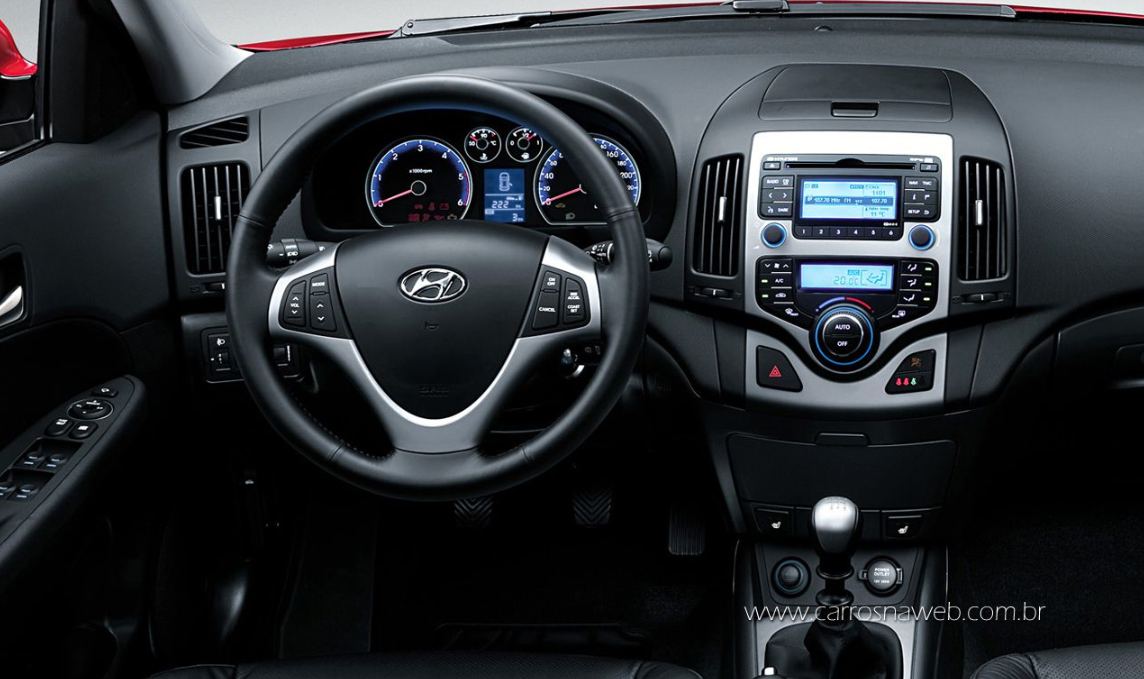
The Interior of the i30 Did Not Disappoint Either. It Featured Good Quality Materials, Soft Touch Finishes, and Well-Fitted Seats. The Interior Space Was Generous, Ensuring Comfort for All Passengers.
The Leather Details on the Doors and the Well-Positioned Controls on the Dashboard Reinforced the Feeling of a Well-Built Car. The 340-Liter Trunk Was Sufficient for Trips and Daily Use.
Engine and Performance of the 2011 Hyundai i30
Under the Hood, the 2011 i30 Came with a 2.0 Engine with 145 hp and 19 kgfm of Torque. This Engine Also Equipped the Tucson of the Time, but in the Lighter i30, The Performance Was Even Better.
The Acceleration Was Satisfactory, and the Engine Responded Well to City and Highway Demands. Hyundai Delivered a Reliable Engine with Low Maintenance, which Pleased Owners.
The Major Issue of the 2011 Hyundai i30 Was the Automatic Transmission with Only 4 Gears. Although It Was a Comfortable and Smooth Transmission, It Limited Performance and Hurt Fuel Economy.
On the Highway, the Car Could Benefit from a Fifth Gear to Lower the Engine RPM and Save Fuel. This Led Many to Prefer the Manual Version, which Was More Sporty and Efficient.
Equipment and Technology
The 2011 Hyundai i30 Did Not Come with a Modern Multimedia Center, but Its Sound System Was of Good Quality. It Had USB, Auxiliary Input, and MP3 Reader, Ensuring Good Entertainment for Occupants.
The Car Featured a Functional Instrument Panel, with On-Board Computer and Various Useful Information for the Driver.
The Car Offered Items That Were Not Always Common in Competitors of the Time. Among the Main Highlights Were:
- Electric Sunroof
- Electric Folding Mirrors
- Parking Sensors
- Traction and Stability Control
- Front and Side Airbags
The Height and Depth Adjustable Steering Also Helped Find the Ideal Driving Position.
Fuel Economy and Cost-Effectiveness
The Fuel Consumption of the 2011 Hyundai i30 Was Not Among the Best, Mainly Due to the 4-Gear Transmission. In the City, It Achieved Around 6.5 to 7 km/l, While on the Highway It Could Reach 12 to 13 km/l.
The Manual Version Performed Better in this Aspect, Ensuring More Performance and Less Consumption.
The i30 2011 Can Still Be a Good Purchase in the Used Market. It Offers a Great Level of Comfort, Has a Reliable Engine, and a Design That Still Pleases. The Problem Is Its Consumption, Which Can Frighten Those Looking for an Economical Car.
If You Don’t Mind a Slightly Higher Consumption and Want a Compact Car with Good Space, Premium Finishes, and Interesting Features, the 2011 Hyundai i30 Could Be an Interesting Choice.









Em 2011 tive o prazer de compra um era manual. Uma máquina.
De lá pra cá, só tenho comprado carros da Hyundai.
Tive um HB 20.
Agora Graças a Deus, tenho um Creta Limeted 2024.
Boa noite, tenho um i30 ano 2009 ,estou com ele já faz 5 anos nunca deu problema, não troco por esses carros de hoje
Que peça Patrícia? É um carro difícil de quebrar. Sou de salvador se precisar de alguma ajuda estou a disposição para te ajudar a procurar
Boa noite, tenho problemas de trepidação em relação a direção, não sei o nome das peças, mas se eu pudesse te enviar fotos der repente, consigo comprar, meu contato 016981521197
É 2011/2012