





 English
  Francês
  Alemão
  Italiano
  Japonês
  Norueguês
  Portuguese
  Spanish
  5 min of reading
  0 comments


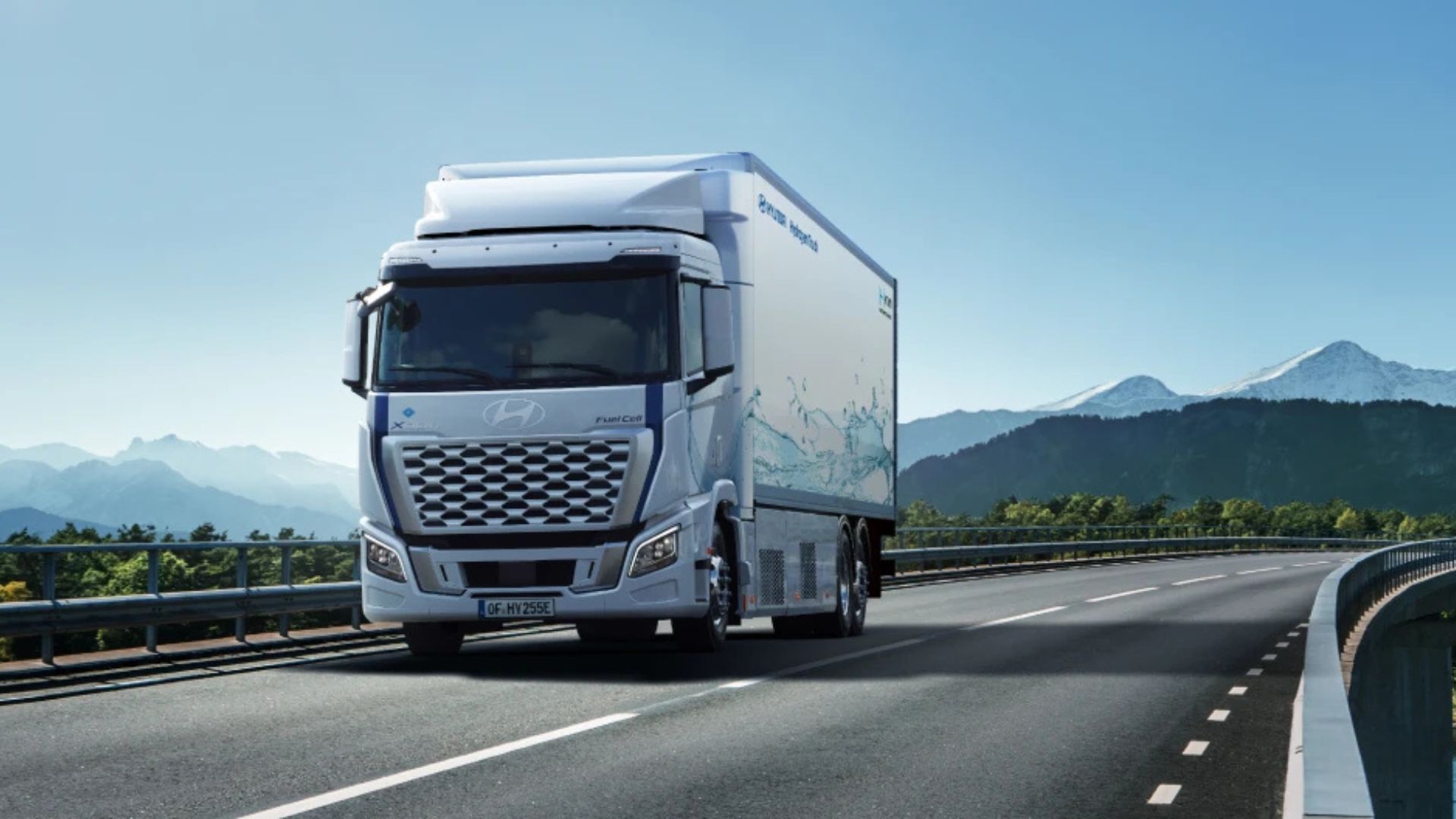
Hyundai Reaches Significant Operational Milestone With XCIENT Fuel Cell, Surpassing 20 Million Km in Sustainable Logistics in Europe, Reinforcing the Advancement of Hydrogen Trucks and Clean Mobility
In 2025, Hyundai Motor Company reported that its fleet of XCIENT Fuel Cell heavy trucks reached the milestone of 20 million kilometers traveled in logistics operations in Europe, a result accumulated over five years of continuous use.
According to an article published by technology news outlets on February 9, this performance involves 165 vehicles in operation and consolidates one of the most relevant cases of sustainable logistics with hydrogen trucks in commercial operation on the international stage.
Historical Milestone of Hyundai and XCIENT Fuel Cell in Sustainable Logistics
The trucks operate in countries such as Switzerland, Germany, France, the Netherlands, and Austria, integrated into commercial logistics chains and urban services. Equipped with a hydrogen fuel cell-powered electric system, the vehicles can replace fossil fuel-powered models, aligning with clean mobility strategies in heavy road transport. This milestone positions Hyundai as one of the leading global references in the practical application of hydrogen in logistics.
-
The Federal District bets on innovation and sustainability by launching a hydrogen-powered bus on a new tourist route, promising to reduce emissions and transform the urban experience for residents and visitors.

-
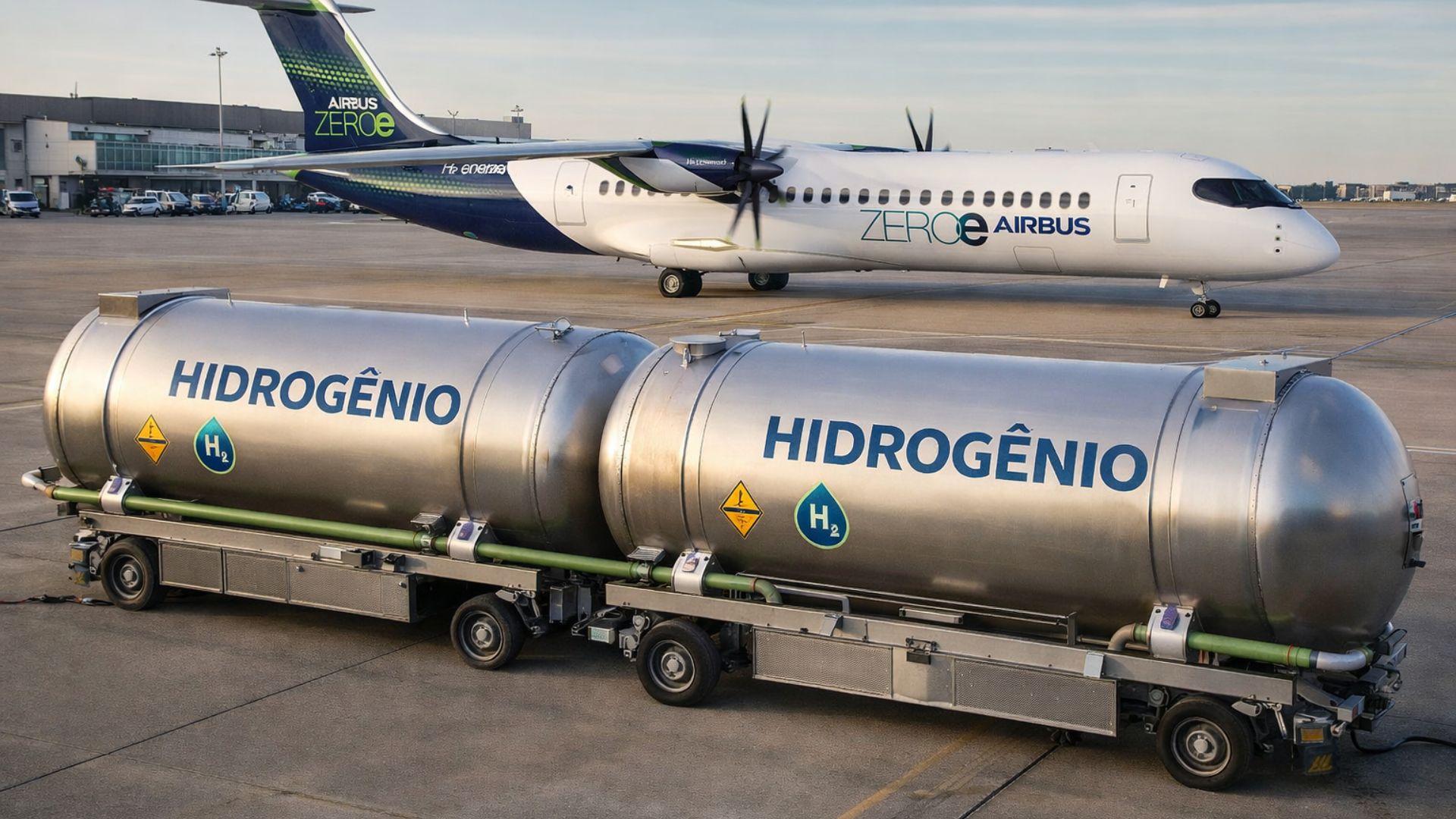
Hydrogen gains strength in aviation with Airbus and its fuel cell aircraft, potentially paving the way for sustainable flights, reduced environmental impact, and a new energy era in global air transport.
-
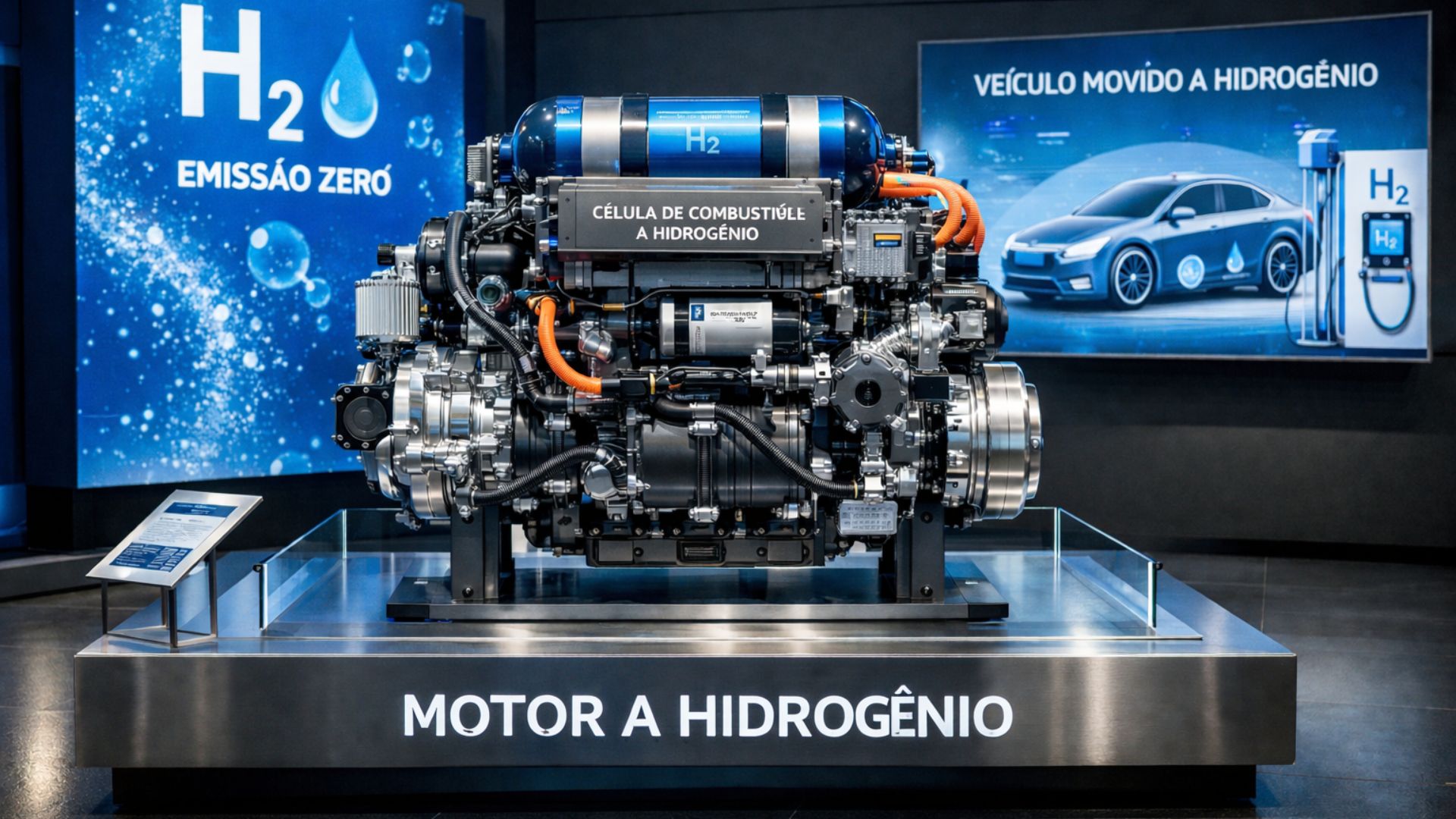
Hydrogen Engine Promises to Revolutionize Automotive Market and Creates a New Technological Horizon, But Economic Challenges Explain Global Resistance from Manufacturers
-
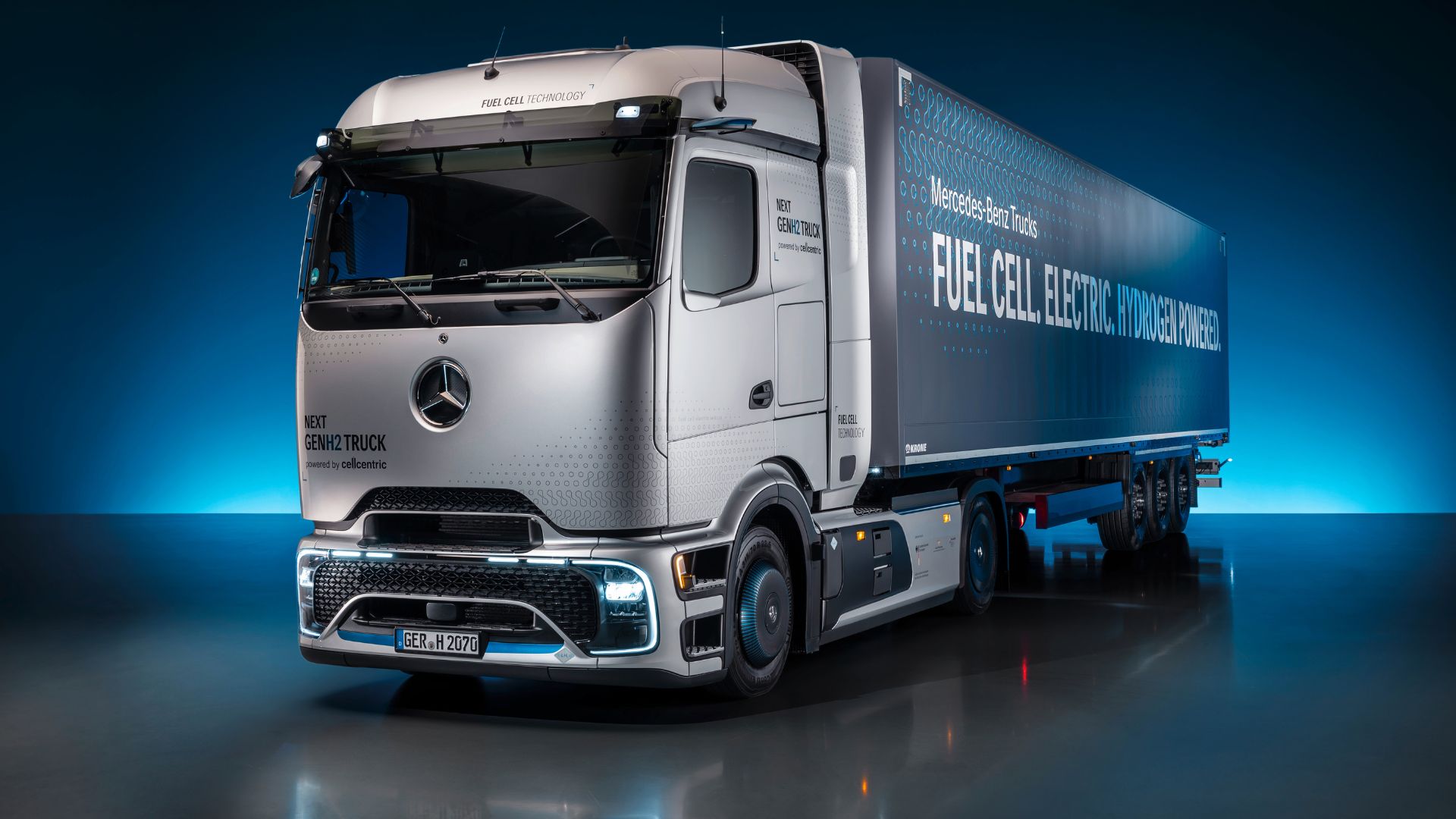
Mercedes-Benz NextGenH2: New Hydrogen Truck with 100 Units in 2026, Range of 1,000 Km, and Fuel Cell Technology for Sustainable Transport

The achievement of 20 million kilometers traveled represents more than a symbolic number. It entails real, continuous, and commercial operations, with trucks subjected to intense routines, different types of cargo, and various logistical contexts. According to the manufacturer, the operational performance of the XCIENT Fuel Cell was deemed a basis for geographic expansion and application diversification.
The experience accumulated over five years reinforces the technical viability of hydrogen trucks, especially in segments where heavy transport faces challenges in reducing emissions. Furthermore, the project demonstrates how sustainable logistics can be progressively incorporated into supply chains.
Start of Operations in Switzerland and Expansion of Sustainable Logistics in Europe
Operations of the XCIENT Fuel Cell began in Switzerland in 2020, marking the first commercial-scale use of the model. The country served as the starting point for the introduction of hydrogen trucks in transport chains linked to consumer goods.
With the advancement of operational experience, Hyundai gradually expanded the use of the vehicles to other European markets. Currently, the trucks are integrated into activities related to the transport of food, beverages, clothing, construction materials, and service to retail networks. The trajectory initiated in Switzerland was essential to validate the model under real conditions, allowing for its replication in different countries and logistical profiles.
Applications of XCIENT Fuel Cell in Logistics Chains and Urban Services
The trucks in Hyundai’s European fleet are used in both commercial logistics and urban services. According to the manufacturer, the application occurs as a direct replacement for fossil fuel-powered vehicles, in activities related to the movement of goods and the provision of services.
Uses include urban distribution operations, transportation for retail networks, and municipal services, such as waste collection. There is also application in equipment that uses electric auxiliary systems. This operational diversity highlights the flexibility of the XCIENT Fuel Cell, reinforcing its role within the clean mobility strategy in road transport.
Hyundai’s Presence in Different European Countries With Clean Mobility
The fleet of XCIENT Fuel Cell is strategically distributed across various countries in Europe, meeting specific demands in each market. In Germany, the trucks operate in transport for supermarket chains and fleet operators. In France, they serve both retail chains and municipal services.
In the Netherlands, the vehicles are employed in the distribution of construction materials. In Austria, they integrate commercial operations for retail replenishment. In Switzerland, they remain linked to consumer goods transport chains.
The multinational operation demonstrates the adaptability of hydrogen trucks to different logistical contexts, strengthening Hyundai’s presence in the advancement of sustainable logistics in Europe.
Fuel Cell Technology and Hydrogen Trucks in Clean Mobility
The XCIENT Fuel Cell uses an electric system powered by a hydrogen fuel cell. This technology generates electricity from the reaction between hydrogen and oxygen, without a combustion process, resulting only in the emission of water vapor.
Hyundai states that using these vehicles integrates initiatives aimed at reducing exhaust emissions associated with road transport. In this context, hydrogen trucks emerge as an alternative within clean mobility strategies, especially in the heavy vehicle segment. The practical application of the technology reinforces the role of hydrogen as an energy carrier in transport.
XCIENT Fuel Cell Update Announced by Hyundai in 2025
According to the manufacturer, in 2025 a new version of the XCIENT Fuel Cell was launched, equipped with an updated fuel cell system. The model underwent testing starting in 2021, focusing on verifying operation under different climatic conditions and usage profiles.
The tests included port operations and medium-distance transport, expanding the operational data set used in developing the new version. These trials contributed to enhancing system reliability, supporting the expansion of the model’s logistics applications.
Hyundai’s Expansion With Hydrogen Trucks in North America
In addition to Europe, Hyundai reported advancements in North America. Since the model’s introduction in the region in 2023, 63 XCIENT Fuel Cell trucks have totaled around 1.6 million kilometers traveled.
Applications include transport in port areas in California, logistical support in industrial facilities in Georgia, and participation in port transport and logistics initiatives in the Canadian province of British Columbia. Presence on two continents expands Hyundai’s operational experience with sustainable logistics, reinforcing the global dimension of the strategy.

Limitations of Economic Data Disclosed by the Manufacturer
Despite the substantial number of kilometers traveled, Hyundai reported that it has not disclosed comparative operational cost data or detailed productivity indicators related to the use of the vehicles.
This limitation prevents deeper economic analyses. Nevertheless, the continuous operational history indicates a significant level of technical maturity of hydrogen trucks, especially in real commercial applications.
The Significance of the 20 Million Kilometer Milestone for Global Logistics
The result achieved by the European fleet of the XCIENT Fuel Cell represents a concrete advance in the adoption of sustainable logistics in heavy transport. The 20 million kilometers traveled demonstrate that clean mobility based on hydrogen is already operating at a significant scale, with diversified applications and multinational presence.
For Hyundai, the milestone strengthens its position as a leader in developing low-carbon solutions for logistics. For the sector, the case highlights that hydrogen trucks can integrate into real supply chains, contributing to emission reductions in road transport.
The performance of the XCIENT Fuel Cell signals that the transition to clean mobility in heavy transport is already underway, supported by concrete operational data and experience accumulated over the years.








-

2 pessoas reagiram a isso.