





 Portuguese
  English
  Spanish
  3 min of reading


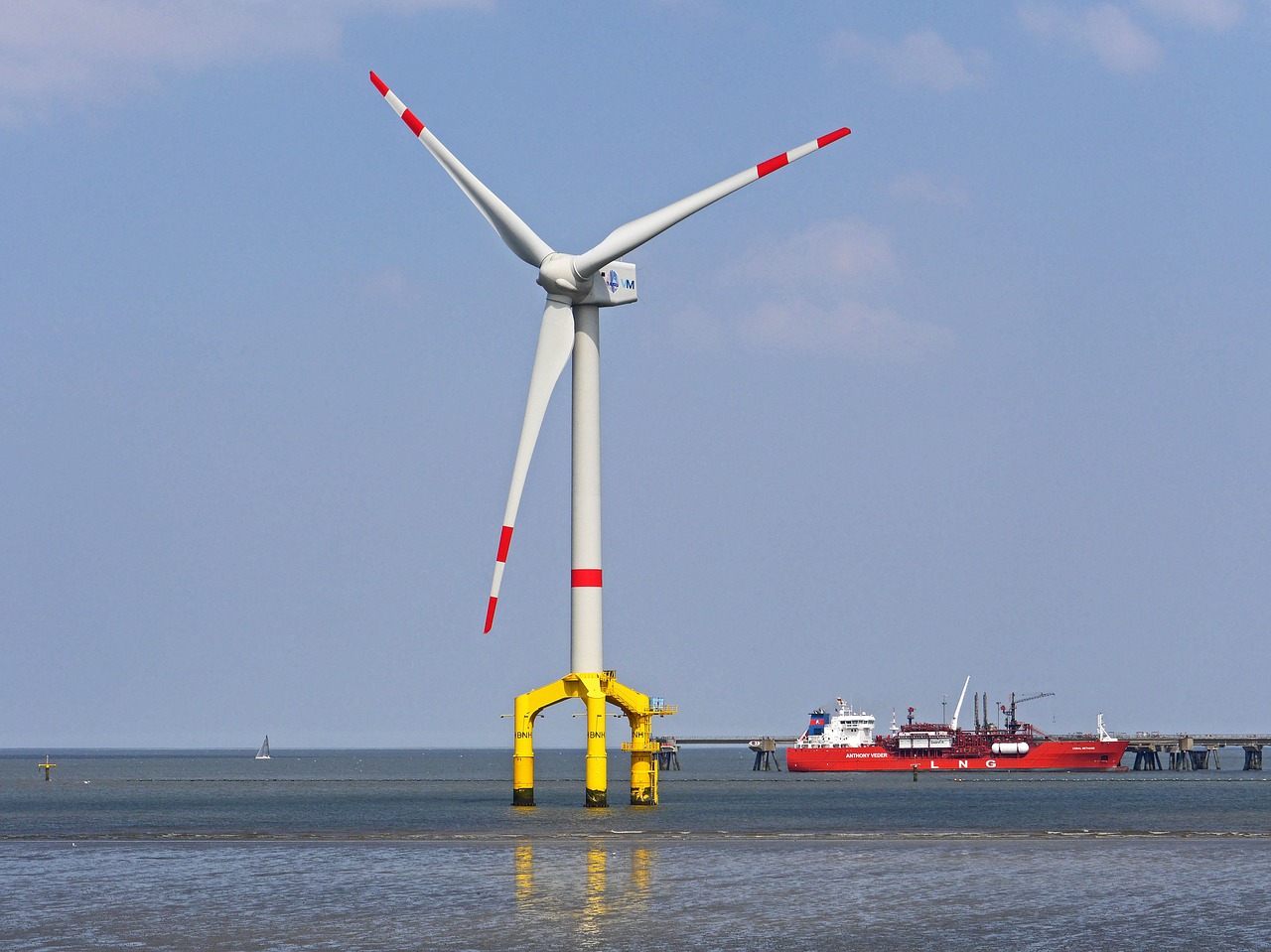
The Japanese Company Shizen Is Eyeing the Offshore Wind Energy Market in Brazil and Leads the Proposals for Offshore Wind Complexes Currently Circulating at Ibama, Representing a Major Bet for the Future of the National Energy Sector.
The Brazilian Institute of Environment and Renewable Natural Resources (Ibama) is reviewing 66 project licenses for offshore wind energy, and among them, the major player in offshore wind complexes is the Japanese company Shizen. The company has a total of 18 GW planned to be installed across 6 projects on the national coast, ensuring significant relevance in the current scenario.
Japanese Company Shizen Is the Highlight in Licensing Under Review by Ibama for Offshore Wind Energy Production Complex Projects
The company Shizen Energy, of Japanese origin and with a robust portfolio of projects in the global market, has become the leader in new construction projects of offshore wind complexes for energy production at sea, according to licensing data currently circulating at Ibama, recently released.
The agency confirmed that the company currently has three projects planned for the national coast, thus ensuring a strong presence in the future of the offshore wind sector.
-
Renewable energy advances over protected areas in Brazil, and a survey by the Energy Transition Observatory reveals silent impacts that challenge environmental conservation and pressure sensitive traditional territories.

-
Rio Grande do Sul accelerates energy transition: State invests in renewable technologies and consolidates decarbonization strategies and pathways to attract billions in new industrial investments.

-
With 160,000 m² of collectors, an area larger than 20 football fields, Silkeborg, in Denmark, hosts a solar thermal plant that heats 19,500 homes and could become the largest solar heating plant in the world.

-
A study reveals the expansion of renewable energy procurement in Brazil and shows how companies are taking advantage of opportunities to reduce expenses, ensure energy efficiency, and strengthen strategic environmental commitments.


However, the company’s standout aspect regarding offshore wind energy projects is the production capacity that can be achieved with the six ventures, totaling 16 GW, with wind complexes planned for the states of Rio Grande do Sul (12 GW) and Ceará (6 GW).
The company is strongly linked to renewable energy production in the international market, due to the global energy transition race, and aims to reach the mark of 10 GW of installed capacity in renewables by the end of 2030.
The data on Shizen Energia’s licensing in Brazil comes from Ibama, which announced significant growth in offshore wind energy projects in the country this year, as between April and August, there was an increase of 36 GW in the projects under licensing, reaching 169 GW in ventures currently circulating with the agency for the construction of wind complexes.
Brazil has become a global reference in wind energy production and is now preparing its coast for the arrival of offshore projects.
Shizen Falls Behind BlueFloat Energy in the Number of Offshore Wind Complex Projects Analyzed by the Agency
Data from Ibama shows that, although Shizen is the standout in offshore wind complex licensing regarding total production that can be achieved, the company BlueFloat Energy still leads in the number of projects, with a total of seven ventures under review by the agency.
Moreover, oil companies account for nearly one in every 4 GW in licensing, with Shell, TotalEnergies, and Equinor totaling 40 GW in projects on the Brazilian coast, being the major highlights in the oil and gas sector.
Ibama confirmed that after reaching 54 licensing proposals by the end of April this year, it currently has licenses planned for 66 offshore wind complexes under development. The states with the greatest emphasis in the sector are Rio Grande do Sul (57 GW) and Ceará (48 GW), which together account for 62% of the licensing capacity, with Rio de Janeiro (27 GW) following closely behind.
Thus, the high potential for offshore wind energy production continues to attract the largest global players in the energy, oil, and gas sectors, and the company Shizen may become a national reference if it can advance its projects on the Brazilian coast.










Seja o primeiro a reagir!