





 English
  Francês
  Alemão
  Italiano
  Japonês
  Norueguês
  Portuguese
  Spanish
  2 min of reading


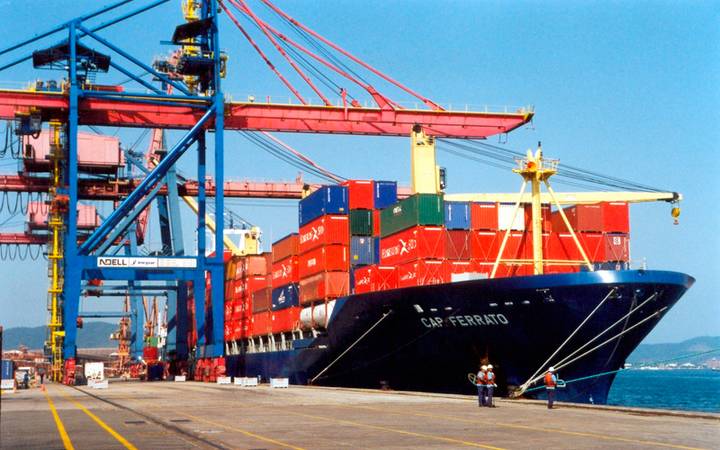
BR do Mar Program, Not Yet Launched by the Brazilian Government, Aims to Expand Cabotage in the Brazilian Logistics Matrix, According to PPI
The Brazilian Institute of Oil, Gas and Biofuels (IBP) requested from the Ministries of Economy and Infrastructure, through the submission of a letter, the government’s assessment on the inclusion of tanker vessels in the BR do Mar project, a program not yet launched that aims to encourage cabotage navigation in Brazil. See also that the Minister of Mines and Energy will discuss a program aimed at investments in the onshore oil and gas sector of R$ 4 billion annually until 2030
You Might Also Like:
- With Petrobras in the Pre-Salt, Small and Medium Enterprises Advance in the Onshore Market
- Talent Pool Available at Bram Offshore
- Grupo Cobra Offering Internship Positions Onshore in Macaé
An institution representing oil companies operating in Brazil analyzes that current regulations may lead to a bottleneck in the flow of hydrocarbon production, potentially negatively impacting the increase in production and exploration in the sector.
Brazil currently produces about 3 million barrels per day, with most production in the offshore sector, which already accounts for over 60% of total production, and the forecast is for growth until 2030. This oil is often transported to the coast via tanker ships.
-
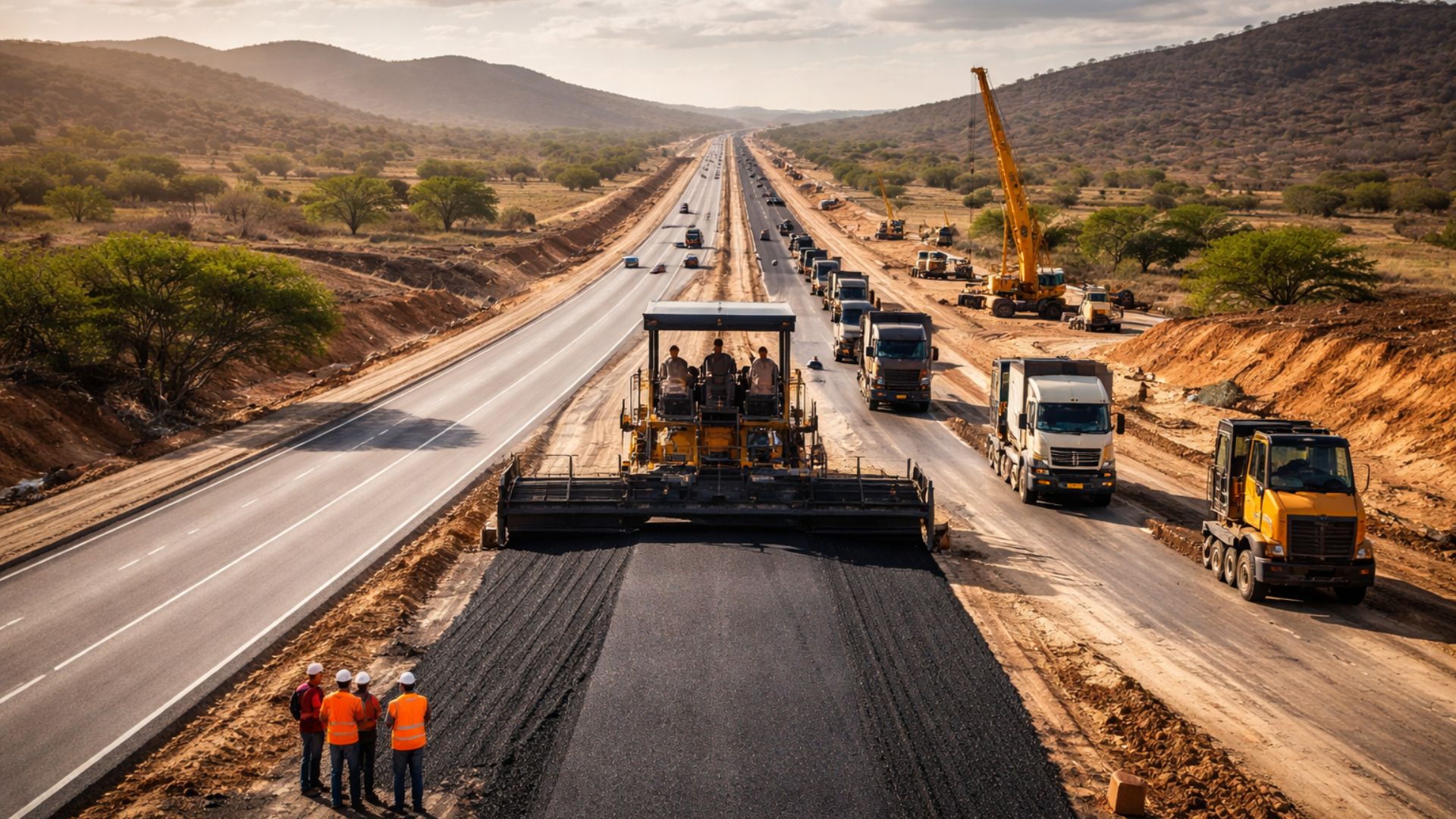
Government unlocks R$ 554 million for a highway that has been requested for decades and accelerates the duplication of BR.
-
Without bricks, without cement, and without endless construction: the cardboard house that is assembled in modules and can be moved.

-
Billions of barrels on the equatorial margin could lead Amapá to double its oil production in Brazil — the state aims to enter the route of companies in the Campos Basin, attract investments, and boost jobs and businesses in the oil and gas sector.

-
Without bricks, without cement, and without endless construction: the cardboard house that is assembled in modules and can be moved.

According to the letter, the growth in demand for tankers and market restrictions is the main concern of the IBP if this category is not contemplated by the government’s initiative to facilitate and simplify the cabotage process.
“In practice, not only are there no more sophisticated tankers under Brazilian flag, but there are also no conventional tankers under Brazilian flag available in the market. Oil companies are left to hire the intermediation of a quite limited number of EBNs that offer cabotage transportation through the hiring of foreign vessels provided by international shipowners specialized in oil transportation,” the document states.
The BR do Mar project aims to primarily expand cabotage in the logistics matrix of Brazil by stimulating the segment through “security for the participation of foreign vessels in cabotage cargo transportation,” according to the Partnerships and Investments Program (PPI).









Seja o primeiro a reagir!