





 Portuguese
  English
  Spanish
  3 min of reading
  0 comments


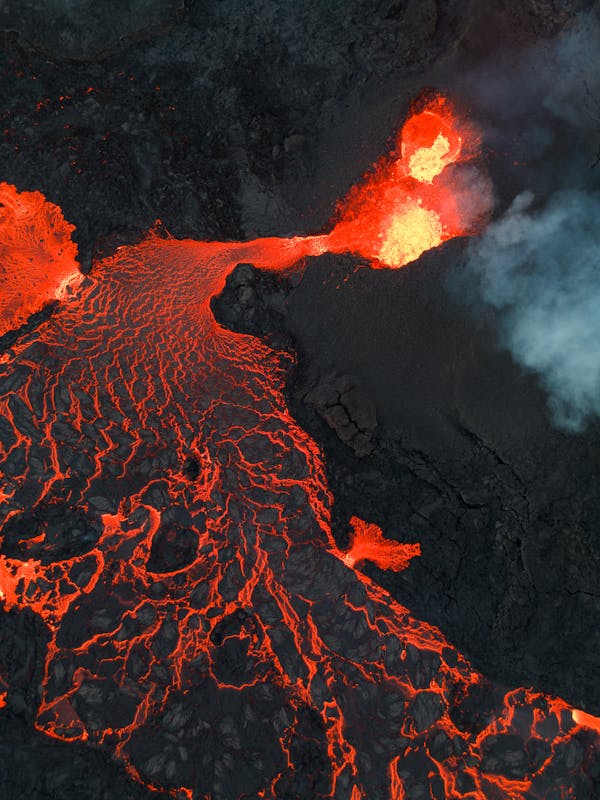
City Plans To Use Volcanic Lava In Construction. Natural And Durable Material May Be Sustainable And Economic Alternative For Works. See How The Application Works
An architect in Iceland is proposing a new way to build buildings and structures: using volcanic lava as raw material. Arnhildur Pálmadóttir leads the project “Lavaforming,” which transforms the destructive power of lava into something useful for construction. The idea is simple but bold: guide the still-molten lava through channels until it cools and forms solid structures.
The project is developed by the firm s.ap architects, based in Reykjavík, the capital of Iceland. The region is known for its intense volcanic activity, as it is located between the Eurasian and North American tectonic plates.
This unique geography makes Iceland the ideal place to explore new ideas involving lava, one of the most abundant and challenging materials in the area.
-
A “silent skill” is allowing Brazilians to earn up to R$ 22,000 per month without a degree and become indispensable for companies that rely on millions of data to survive.

-
Researchers at the Toyota Research Institute found that if a human uses robotic arms to flip a pancake 300 times in an afternoon, the robot learns to do it on its own the next morning, and this is currently the most promising method to solve the biggest bottleneck in modern robotics.

-
Goodbye iron: a common item in households is starting to lose space to technology that smooths clothes in minutes without an ironing board and with less energy consumption.

-
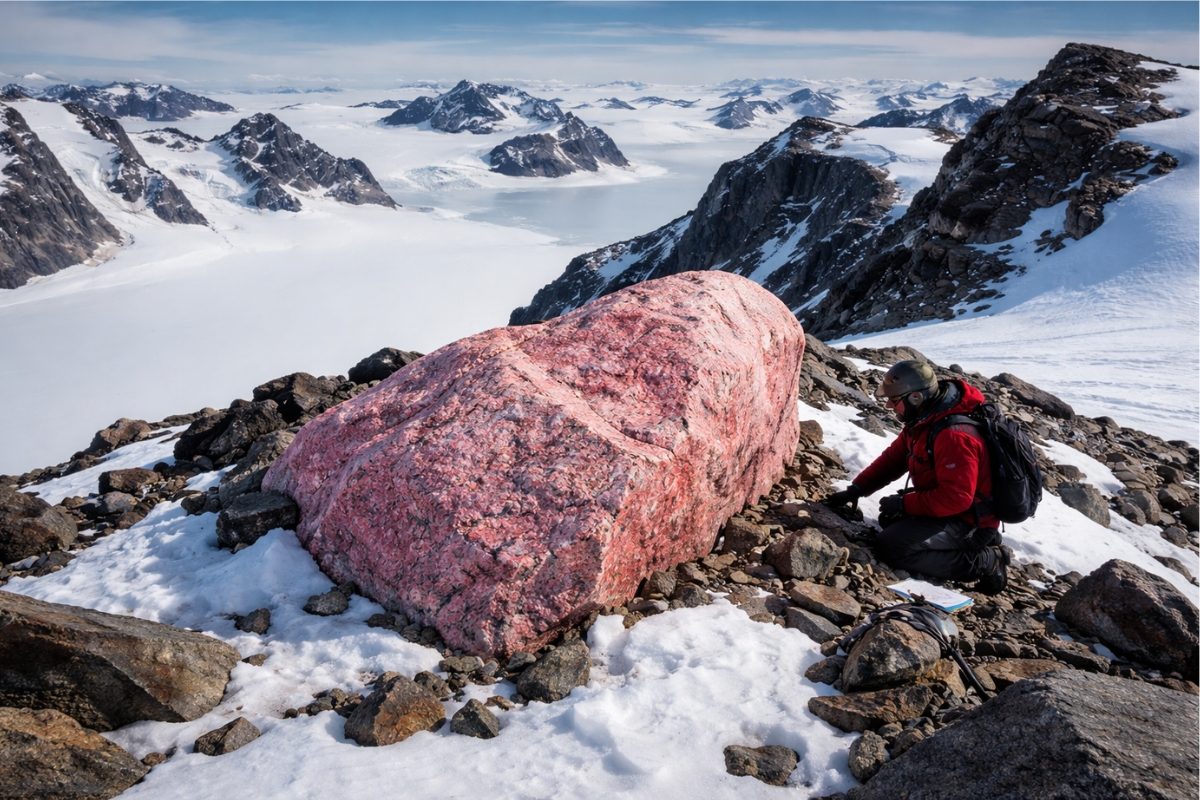
Antarctica reveals an unusual clue high in the Hudson Mountains, and what appeared to be just an isolated rock began to expose a secret hidden under the ice for ages.

How “Lavaforming” Works
Pálmadóttir’s proposal goes beyond a creative solution. She wants to change the way architecture interacts with the environment. Instead of continuing to exploit natural resources intensively, as is the case with traditional mining and fossil fuel burning, “Lavaforming” seeks to take advantage of already available and active natural resources.
Lava, when still in a liquid state, can reach temperatures between 700 and 1,200 degrees Celsius. The plan is to guide this material through previously designed channels, allowing it to cool in controlled and durable shapes. From this, it would be possible to create everything from foundations for houses to bases for entire cities.
Despite its potential, the project faces significant technical challenges. One of the main ones is ensuring that the lava solidifies evenly. When cooling occurs irregularly, the structure can become unstable.
Standardizing the shapes is a fundamental step to transform this proposal into something safe and viable in everyday construction.
Lava As A Future Material
If these obstacles are overcome, lava could represent a sustainable alternative to traditional materials like concrete and brick. This could reduce dependence on non-renewable resources and assist in the fight against the environmental impacts caused by current constructions.
Iceland already efficiently utilizes geothermal energy, another natural force present in the country. Using lava in construction could further expand this model of sustainable utilization.
The project shows how nature, even in its most aggressive form, can be intelligently and creatively incorporated into human development.
The proposal will be presented at the International Architecture Biennale in Venice. There, Pálmadóttir wants to show that lava can have a role in the future of architecture, just as steam energy did in the past.
The exhibition aims to inspire new ideas about the use of natural materials and the path to sustainable constructions. Iceland could become a worldwide example by transforming the threat of volcanoes into a real opportunity for innovation.
With information from Correio Braziliense.






Seja o primeiro a reagir!