





 Portuguese
  English
  Spanish
  3 min of reading
  0 comments


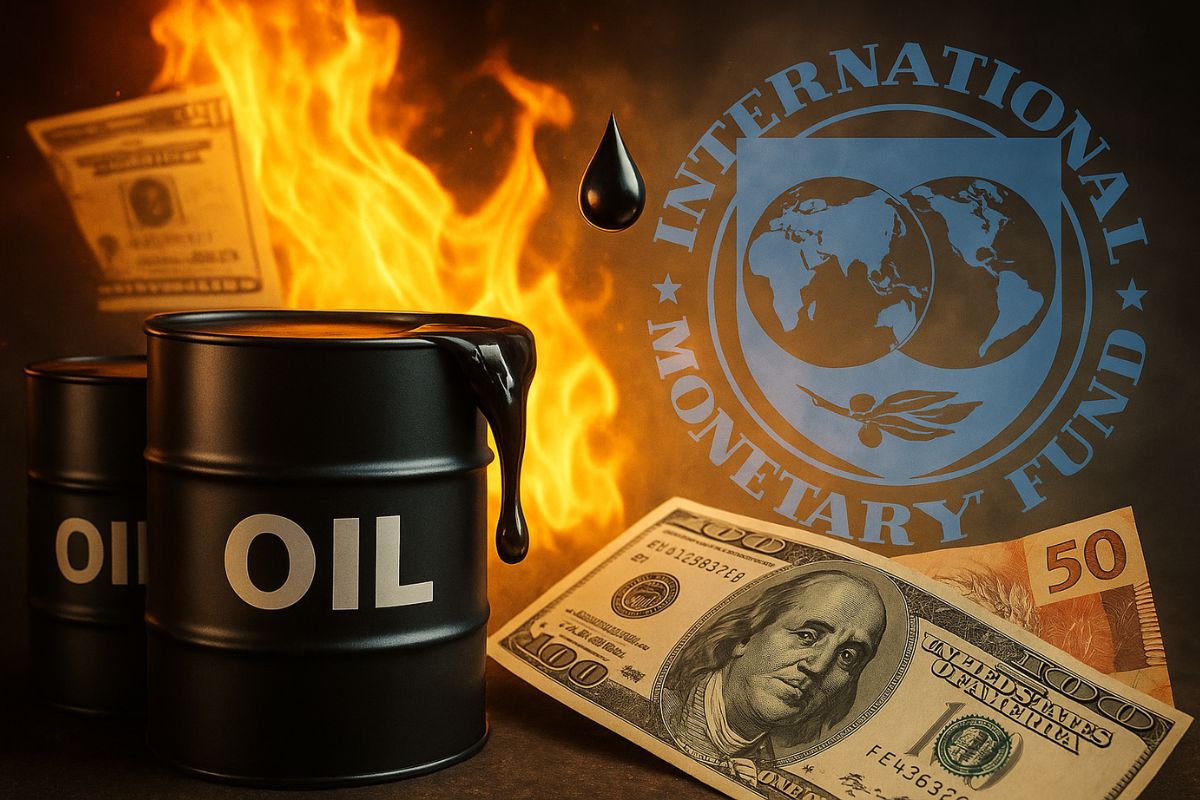
IMF Report Indicates That Fuel Subsidies and Controls Have Created Market Distortions, Strained Public Budgets, and Pose Risks to Brazil.
Fuel controls have been used by governments around the world as a way to contain inflation and avoid social protests. However, the fiscal and environmental cost of these measures was enormous in 2022, reaching US$ 7 trillion, equivalent to 7.1% of global GDP, according to the IMF (International Monetary Fund). This estimate includes both direct subsidies and the environmental and uncollected tax costs.
According to the IMF, the cost of fuel controls shows that artificial pricing policies can generate short-term effects on inflation but create deep distortions, benefit high-income consumers, and burden public accounts.
The risk also extends to Brazil, where recent changes in Petrobras’ policy amplified the state’s margin of intervention in the energy sector.
-
Offshore industrial demand in Macaé skyrockets with the recovery of oil and gas and could grow by up to 396% by 2026 in the Campos Basin.
-
Offshore industrial demand in Macaé surges with the recovery of oil and gas and could grow by up to 396% by 2026 in the Campos Basin.
-
Brazilian giant expands borders in the Southeast: Petrobras confirms new oil discovery in ultra-deep waters in the pre-salt of the Campos Basin.

-
Alert in the global energy market: Severe tropical cyclone hits the coast and disrupts gas production at major plants in Australia, threatening global supply.


How Much Do Fuel Controls Cost
According to the IMF, the global figure of US$ 7 trillion in 2022 reflects not only the subsidies applied at the fuel pump but also the impact of uncollected taxes and the environmental damage from high consumption.
This amount is more than seven times Brazil’s entire federal budget for a year, illustrating the scale of the problem.
The World Bank estimates that direct subsidies alone reached US$ 1.2 trillion in 2022, falling to US$ 620 billion in 2023.
Even after the most critical phase of the energy crisis, governments continued to spend billions to sustain artificially low prices.
Where Fuel Controls Are Most Common
The use of fuel controls is widespread and varied. In South Africa, adjustments follow an official monthly formula, while Argentina froze prices in 2023 to try to contain triple-digit inflation.
France and Spain offered temporary discounts of up to €0.30 per liter in 2022, while India cut taxes in 2022 and increased them again in 2025, forcing state-owned companies to absorb losses.
In Brazil, Petrobras abandoned its international parity policy (PPI) in 2023 and began using more flexible market references.
According to the IMF, this change expanded governmental influence and generated short-term effects on prices but brought fiscal and predictability risks.
Why Are Fuel Controls a Problem
The IMF emphasizes that fuel subsidies and controls are poorly targeted: they benefit more those who consume more, that is, higher classes.
Moreover, when prices are kept below their real cost, shortages, a parallel market, and smuggling emerge.
The most cited example is Venezuela, where nearly free gasoline fueled a billion-dollar clandestine trade with neighboring countries.
In other cases, such as Nigeria, the abrupt withdrawal of subsidies in 2023 led to 27% inflation in October and a strong wave of protests, forcing the government to partially backtrack.
In Iran, in 2019, a similar adjustment sparked massive protests against the rise in gasoline prices.
These examples show that fuel controls create dependency and make transitions even more painful.
Is It Worth Maintaining Fuel Controls?
Experts from the IMF and the World Bank argue that generalized subsidies distort the market, delay investments in clean energy, and drain public coffers.
The recommendation is that any support should be temporary, targeted, and transparent, preferably replaced by direct income transfers, which better reach the most vulnerable.
In the Brazilian case, recent experience indicates that flexible pricing may provide short-term relief but increases the risk of fiscal instability and political pressure on Petrobras.
For the IMF, the solution lies in stabilization funds and automatic adjustment mechanisms, avoiding prolonged freezes that only delay the reckoning.
Data from the IMF shows that fuel controls cost the world US$ 7 trillion in 2022, 7.1% of global GDP, generating imbalances and threatening the transition to energy.
In Brazil, Petrobras’ more flexible policy expanded intervention margins but brought new fiscal and governance risks.
The question now is whether the country will be able to balance affordable prices with economic sustainability.
And you, do you believe that fuel controls truly help society or just postpone a larger problem? Does this strategy make sense for Brazil?
Leave your opinion in the comments — we want to hear from those who live this in practice.










-

-

2 pessoas reagiram a isso.