





 Portuguese
  English
  Spanish
  7 min of reading
  0 comments


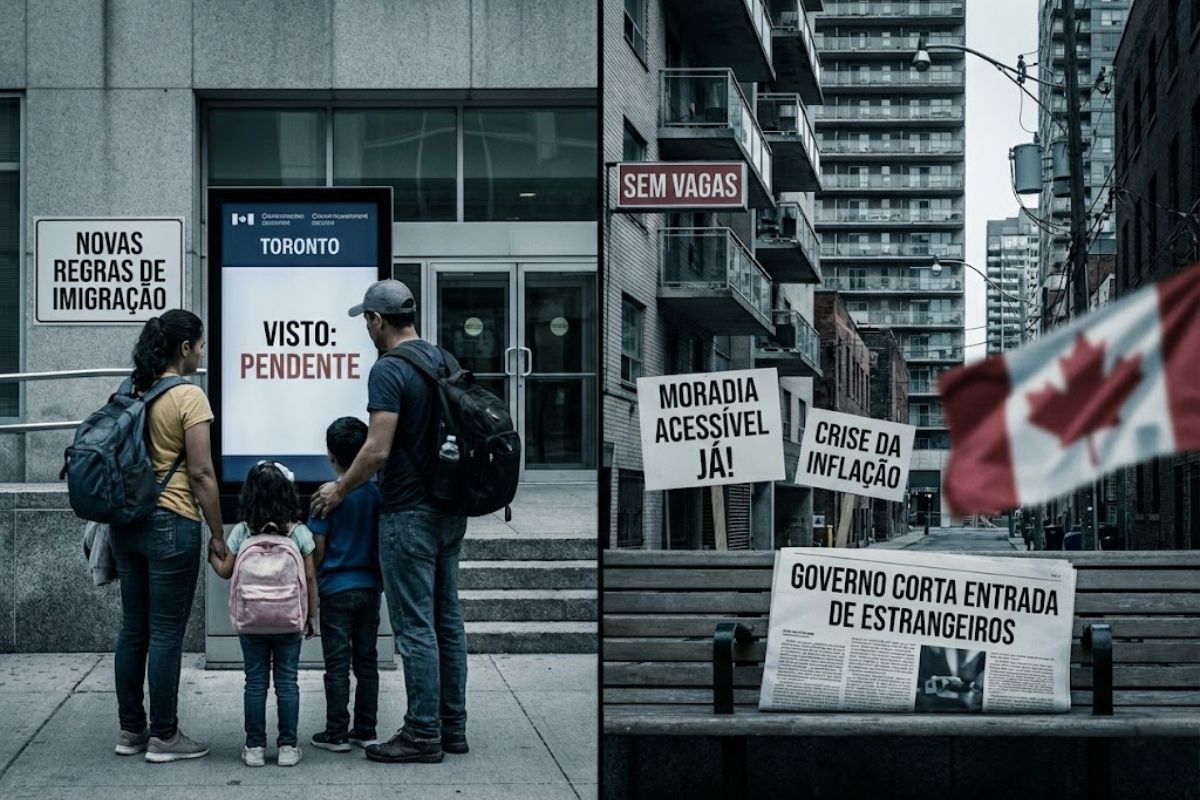
Previously Promoted As A Safe Path To Work And Residence, Immigration In Canada Faces Visa Cuts, Backlogs, Limits For Students, Protests Against Foreigners, And Legal Uncertainty Affecting Brazilians Already Settled And Those Still Planning To Start The Immigration Process Amid Inflation, High Housing Costs, And Elections
The combination of security, employment, and quality of life transformed immigration in Canada into a symbol of opportunity for Brazilians starting in the 2000s, solidifying the country as one of the world’s most desired destinations. Between 2015 and 2024, the population jumped from 35 million to 41 million inhabitants, with about 90% of that growth coming from immigrants.
In 2022, nearly one in four residents was born outside the country, a direct result of the open policies adopted by Ottawa, from welcoming Ukrainian refugees to expanding visas for students and workers. With rising inflation, a housing crisis, and political tension in 2024 and 2025, this model was called into question, and the so-called “Canadian Dream” started to coexist with reports of distress, uncertainty, and stricter rules.
From Migration Paradise To A System Under Pressure

For decades, Canada was cited as a exception amid the tightening migration policies of the United States and European countries, maintaining a discourse of welcoming and using immigration as an economic tool.
-
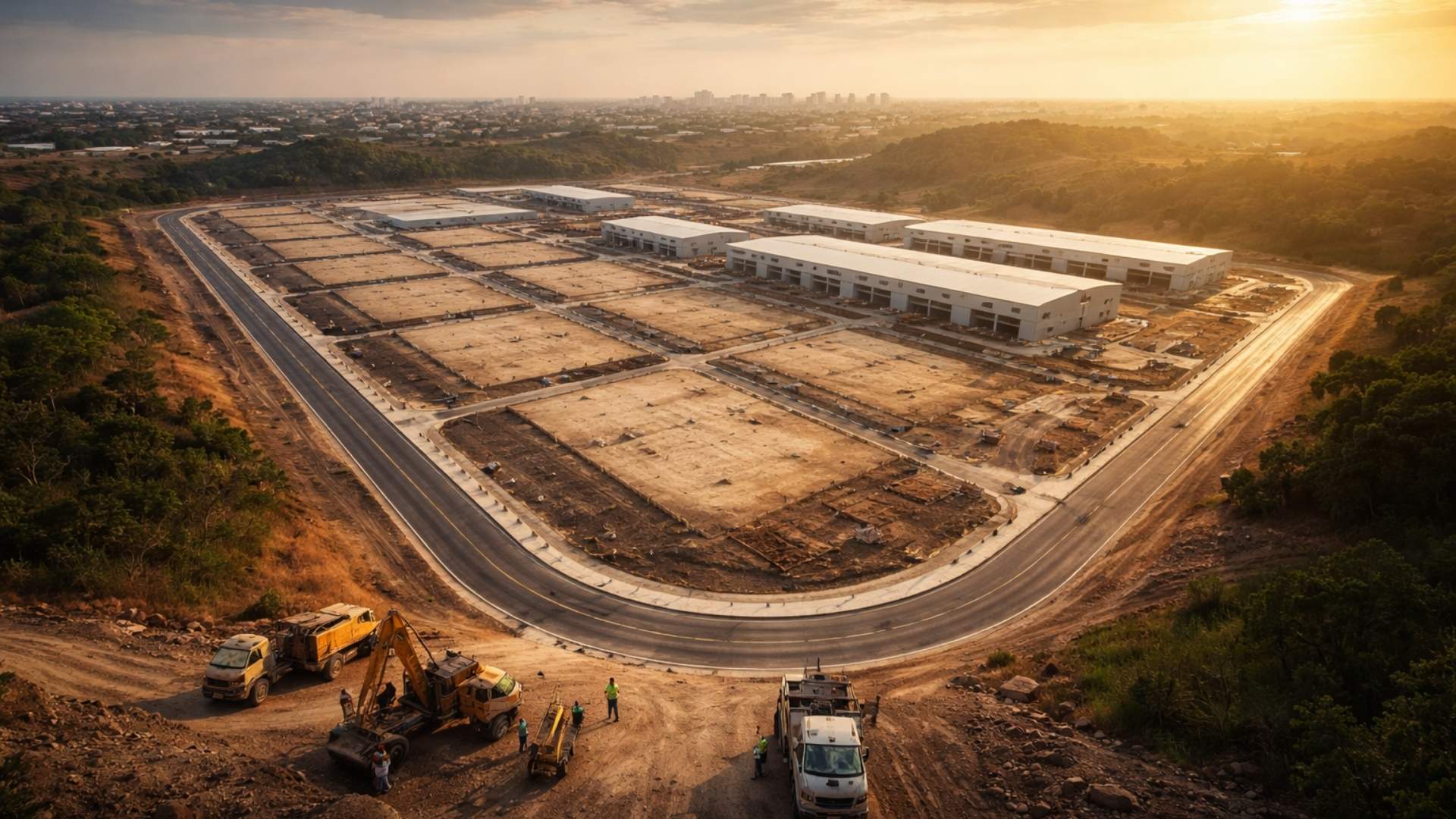
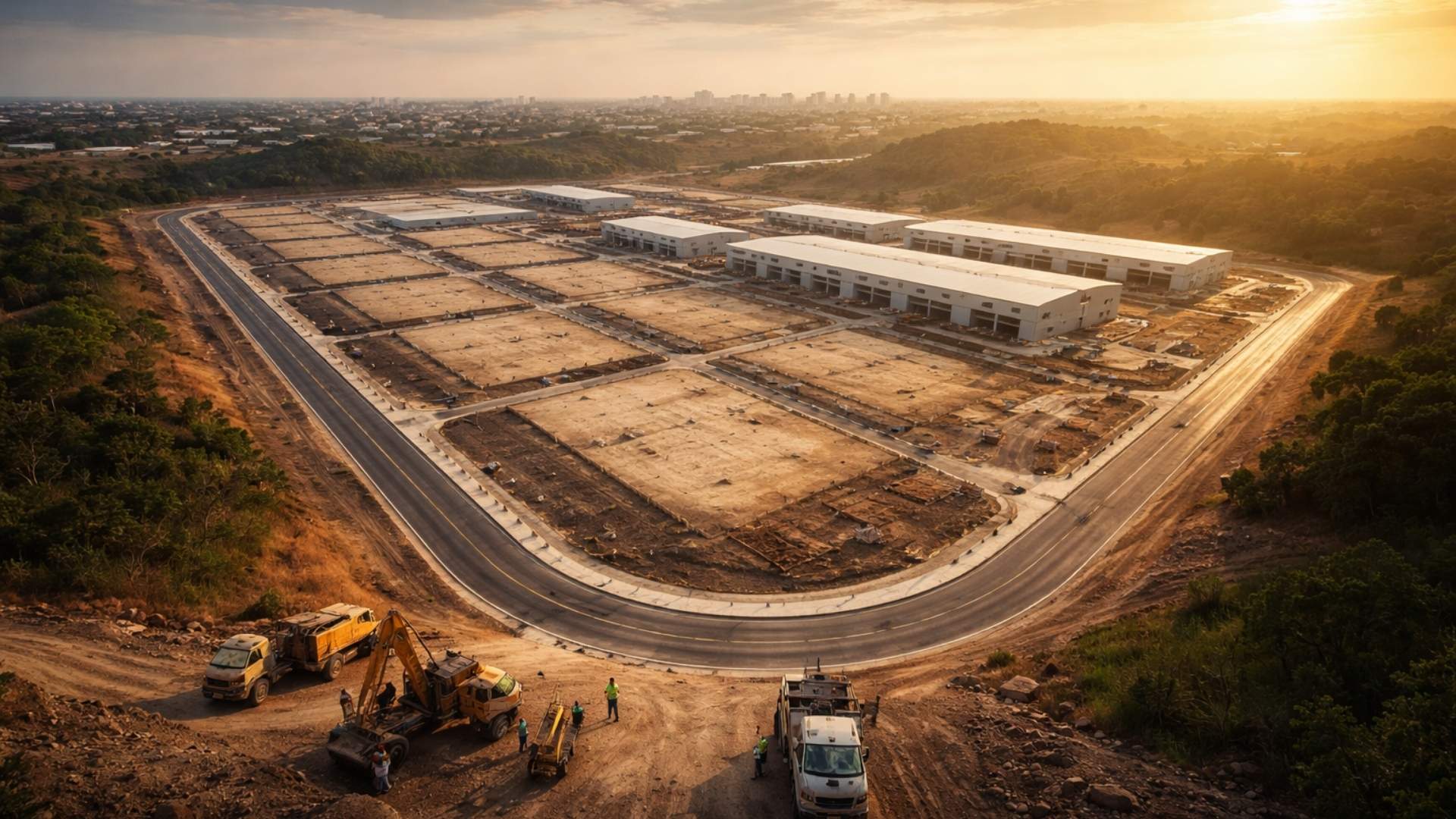
Brazilian city gains industrial hub for 85 companies that is equivalent to 55 football fields.
-
Peugeot and Citroën factory in Argentina cuts production by half and opens a layoff program for more than 2,000 employees after Brazil drastically reduced purchases of Argentine vehicles.

-
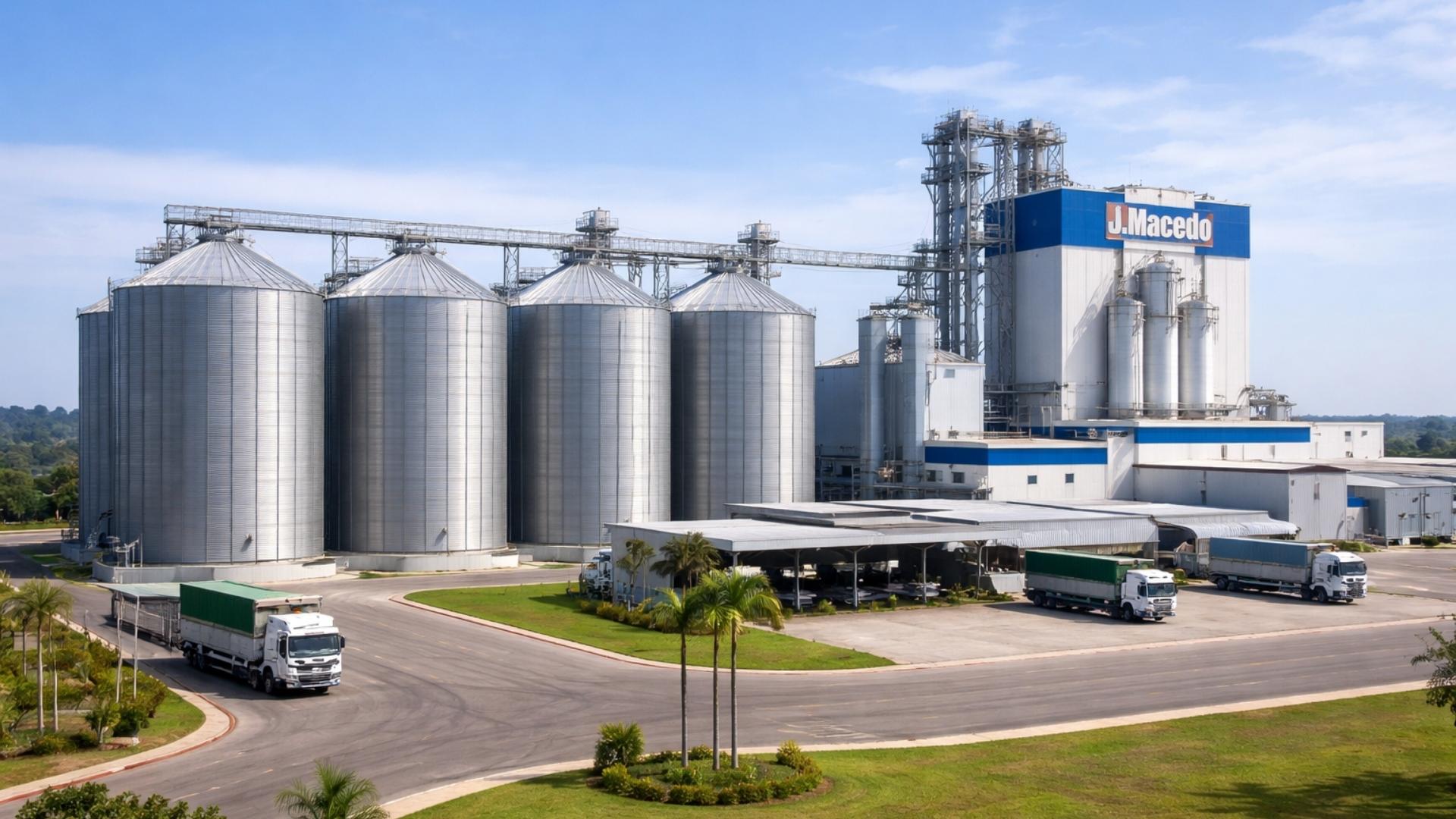
A Brazilian city gains a factory worth R$ 300 million with the capacity to process 200 thousand tons of wheat per year, a mill of 660 tons/day, silos for 42 thousand tons, and an industrial area of 276 thousand m².
-
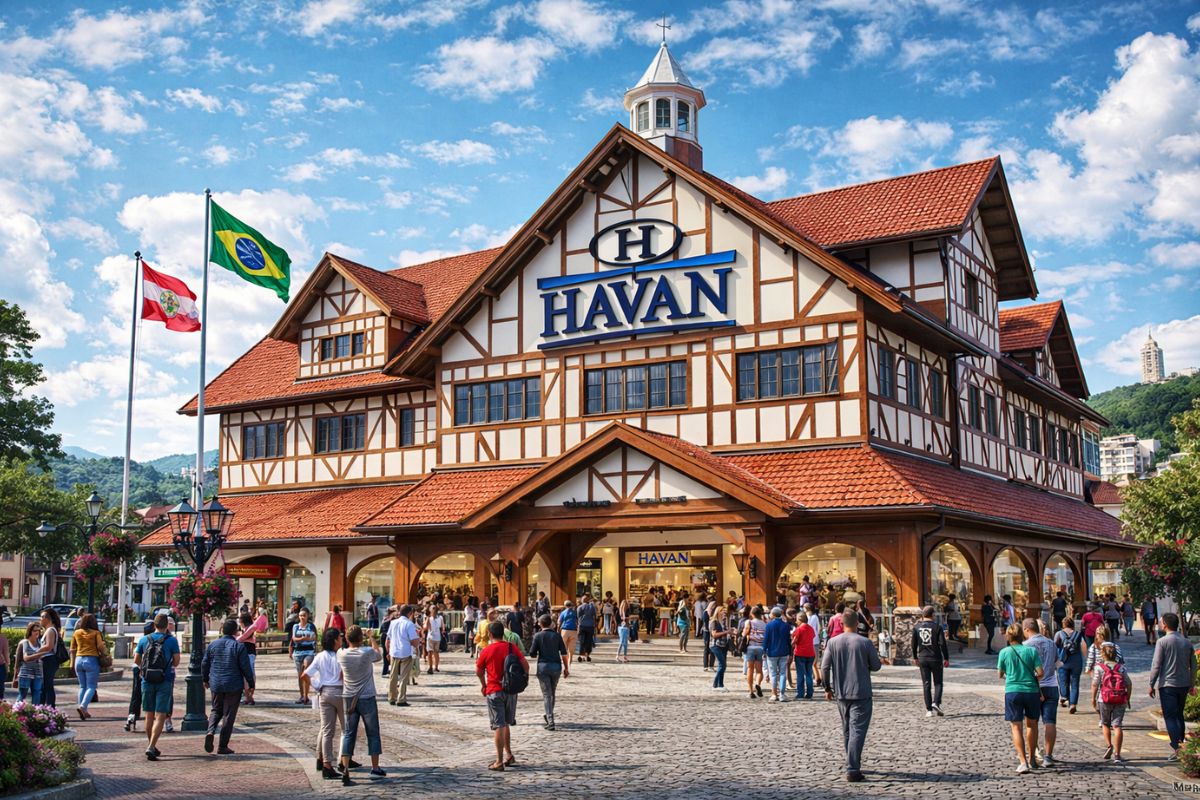
Havan will leave the shopping mall in Blumenau to inaugurate something that the chain has never done before: a megastore in half-timbered style in the Historic Center of the city, which is expected to be completed in May and change the landscape of local retail.

The 19th-century immigration law already defined the country as a society of immigrants, further reinforced by the points system of the 1960s, which evaluates candidates based on qualifications, potential employment, and language proficiency.
This history gained new momentum under Justin Trudeau, who in 2017 publicly positioned to receive people persecuted by war or terrorism and, after the COVID-19 pandemic, raised entry quotas to revitalize sectors such as health, services, and agriculture.
Immigration in Canada was also used to offset low birth rates and the rapid aging of the population, sustaining the workforce in critical areas.
At the same time, the country attracted students with the promise of future residency, turning courses into an entryway to permanent resident status.
The result was a burdened and increasingly competitive system, concentrating the expectations of millions of people in visa processing and residency program backlogs.
Inflation, High Housing Costs, And A Shift In Society’s Mood

The macroeconomic scenario sped up the shift in internal perception.
The annual inflation rate, which was around 1.9% in 2019, reached 6.8% in 2022 before falling to 2.4% in 2024.
At the same time, an official survey identified 2.4 million families living in tiny houses and in urgent need of major repairs, pressuring the housing debate.
Segments of society began to associate rising rents, a lack of housing, and pressure on public services with increased immigration, although experts also point to the absence of a national housing plan as a structural cause.
The streets responded with protests in cities such as Ottawa, Vancouver, and Calgary, with signs and speeches against what were considered excessive levels of foreign entrants.
Opinion polls captured the shift in public sentiment. Between 2022 and 2024, the proportion of Canadians who believed the country was receiving too many immigrants rose from 27% to 58%.
Under these conditions, immigration in Canada, previously a positive consensus, began to be treated as a central variable in the cost of living and the pressure on schools, hospitals, and transportation.
From Trudeau To Mark Carney: Political Shift And Visa Cuts


Political tension eroded Justin Trudeau’s capital. His approval rating plummeted to around 22%, far below the 65% recorded at the beginning of his first term.
Under pressure, he acknowledged that the country had not found a balance in migration policy and, at the end of 2024, announced a package of restrictive measures.
Among the decisions, the government limited the number of foreign students to be admitted in 2025 to 437,000, about 10% less than in 2024.
It also reduced the number of permanent residency visas planned for 2025 from 500,000 to 395,000, with a plan for a new cut to 365,000 in 2027.
For some policymakers, it was the necessary response to levels seen as “unsustainable”.
Under ongoing pressure, Trudeau resigned and called for elections.
His successor, the liberal Mark Carney, took office promising to curb what he calls unsustainable levels of immigration, with proposals for tougher laws for asylum requests and adjustments to admission criteria.
At the same time, the government began to favor Francophone candidates, trying to strengthen the weight of French, an official language alongside English, especially in the province of Quebec.
In this context, immigration in Canada ceased to be merely an economic pillar and also became a direct electoral battleground, defining narratives of “Canada First” and the protection of local jobs.
Backlogged Visas And Legal Uncertainty For Brazilians
The tightening of rules reflected in hundreds of thousands of backlogged visa applications, fueling doubts among those already in the country and those still planning to seek a spot.
Brazilian Caroline Mansur, 27, from Minas Gerais, has lived in Canada for just over three years with legal status but views the current scenario with apprehension.
She arrived with a visa for young professionals, transitioned to photography and marketing fields, and aimed to obtain permanent residency, something that seemed “relatively simple” a few years ago.
Now, with constant changes in the rules since late 2023, she describes the process as “torment” and speaks of legal uncertainty for any long-term decisions.
Caroline even fears leaving the country to visit family in Brazil and, upon returning, facing additional requirements, the risk of restarting the process, or even being barred from reentry.
For her, the dream of immigration in Canada remains alive, but it coexists with a level of uncertainty that was not part of the dominant narrative when she decided to leave.
Accelerated Population Growth And A Target Of Internal Frustrations
The numbers help to measure the shock. Between 2015 and 2024, as official data shows, Canada grew by six million inhabitants, of which nine out of ten were immigrants.
In 2022, nearly a quarter of the population had arrived from another country.
India, the Philippines, and China led immigrant arrivals during this period, while the Brazilian Foreign Ministry estimates that 143,000 Brazilians currently live in the country, in different migration statuses.
This rapid arrival, however, coincided with housing bottlenecks, rising prices, and delays in urban infrastructure expansion.
This mismatch fueled narratives placing immigration in Canada at the center of the housing and inflation crisis, even when technical analyses indicate multiple causes.
Amid protests and declining government approval, immigrants became targets of banners, speeches, and campaigns calling for a slowdown in the entry of foreigners.
Students And Workers Try To Keep The “Canadian Dream” Alive

The frustration is not limited to Brazilians.
Indians Pushpinder Bawa and Sukhpal Randhawa arrived as students, obtained work permits, and now work, respectively, in a warehouse and as a ride-hailing driver.
Both claim that “three years ago, things were much easier”.
In their assessment, the pressure for permanent visas has increased, the criteria have tightened, and predictability has decreased.
Still, they insist on maintaining their goal of remaining in the country, betting that the current tightening does not represent a definitive end to the dream of immigration in Canada, but rather a challenging adjustment phase.
For some candidates, especially from crisis-stricken countries, the equation remains clear: higher wages, public safety, and still relatively stable services compensate for the bureaucracy and cost of living.
However, for those living the everyday reality of lineups, rising demands, and fear of rejection, the former “migration paradise” has acquired considerable emotional, financial, and psychological weight.
Immigration In Canada Between National Identity And Capacity Limits
Historically, building Canada as a country of immigrants has made immigration in Canada an element of its national identity, from the European flow of the 18th and 19th centuries to the arrival of Ukrainian refugees at the end of the 19th century and, more recently, following the Russian invasion in 2022.
The current challenge is to reconcile this tradition with the real capacity to absorb new residents, in a context of low birth rates, an aging population, and pressure on housing and public services.
The government speaks of “deliberately managing” immigration to keep the system sustainable, while immigrants report that the cost of this adjustment falls on lives in limbo.
In this scenario, the debate has shifted from technical aspects to involve symbols, identity, and narrative disputes: Canada remains open, but less accessible; remains dependent on immigration but tries to limit the pace of arrivals.
For those in line, the country is still a project, but it is no longer an automatic synonym for an open door.
In your view, given the frozen visas, stricter regulations, and high housing costs, is it still worth pursuing immigration in Canada, or is it time to consider other destinations to restart life outside Brazil?









-

-

4 pessoas reagiram a isso.