





 English
  Francês
  Alemão
  Italiano
  Japonês
  Norueguês
  Portuguese
  Spanish
  3 min of reading
  0 comments


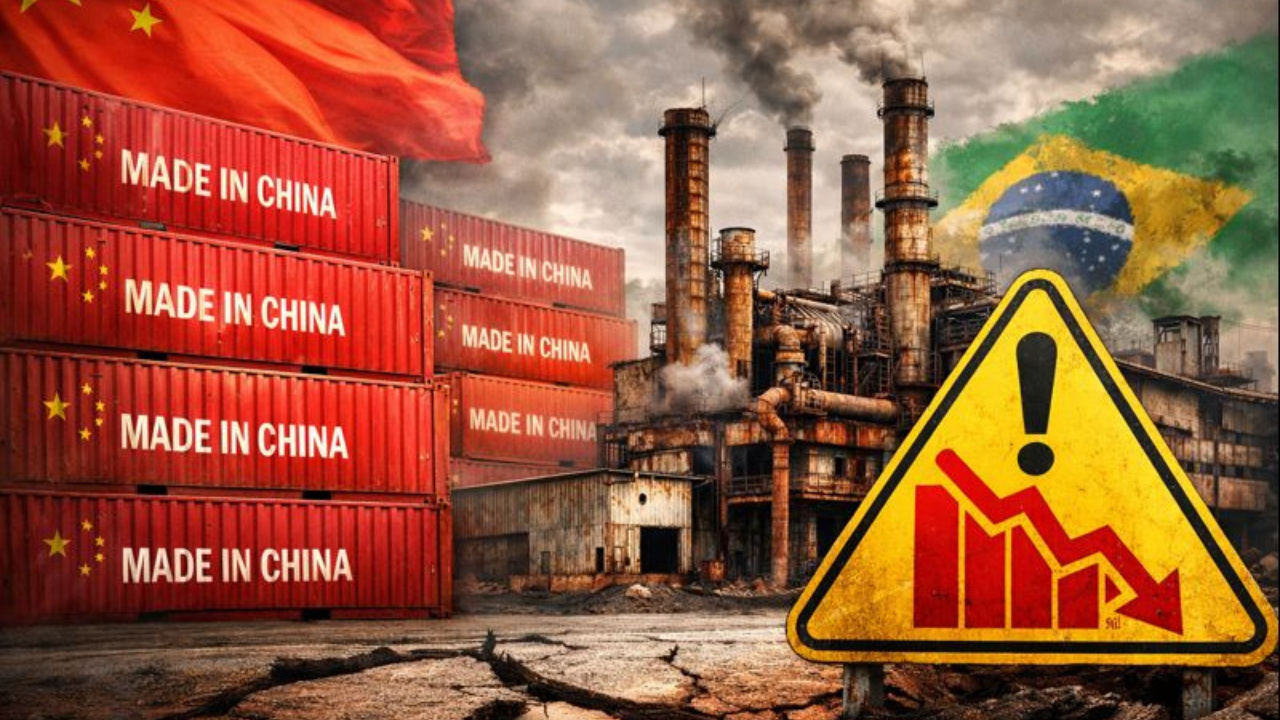
Chinese Subsidies And Lack Of Trade Defense Amplify Predatory Steel Imports And Put The National Steel Industry At Risk.
The national steel industry has faced, since 2023, a strong offensive of predatory steel imports, mainly from China, which enter Brazil at artificially low prices.
The phenomenon occurs in a context of Chinese subsidies, low response in trade defense, and reduced tariffs, which jeopardizes investments, causes layoffs, and accelerates the deindustrialization of Brazil, putting at risk a strategic sector for the country’s economic development.
Predatory Steel Imports Pressure The Brazilian Market
Predatory steel imports have grown rapidly and already represent an unprecedented shock to the domestic market.
-
Recent Studies on Ancient Metallurgy Reveal That Various Tools Made Over Three Thousand Years Ago Used Iron from Rare Material That Fell from the Sky Long Before Humanity Mastered Iron Production

-
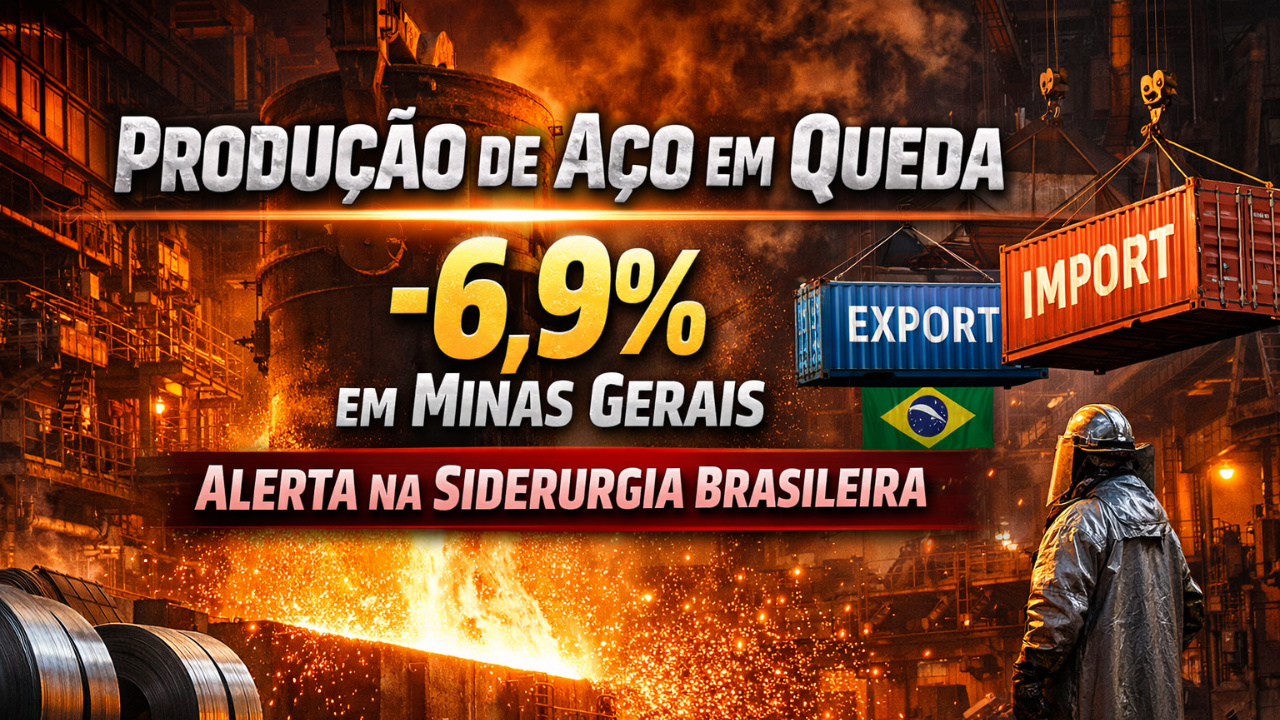
Steel Production Falls 6.9% in Minas Gerais, Raising Alert in Brazilian Steel Industry
-
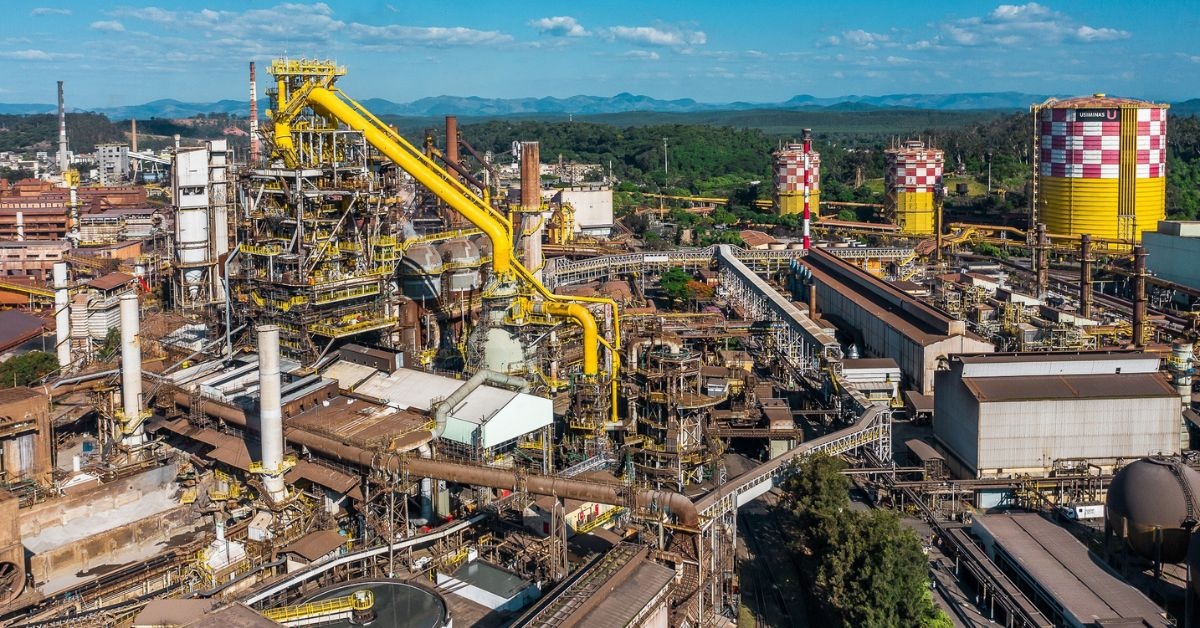
Brazilian Steel Industry Grows in Third Quarter of 2025, Maintains Margins, Reduces Costs, and Faces Imported Steel Surge Amid Commercial Uncertainties
-
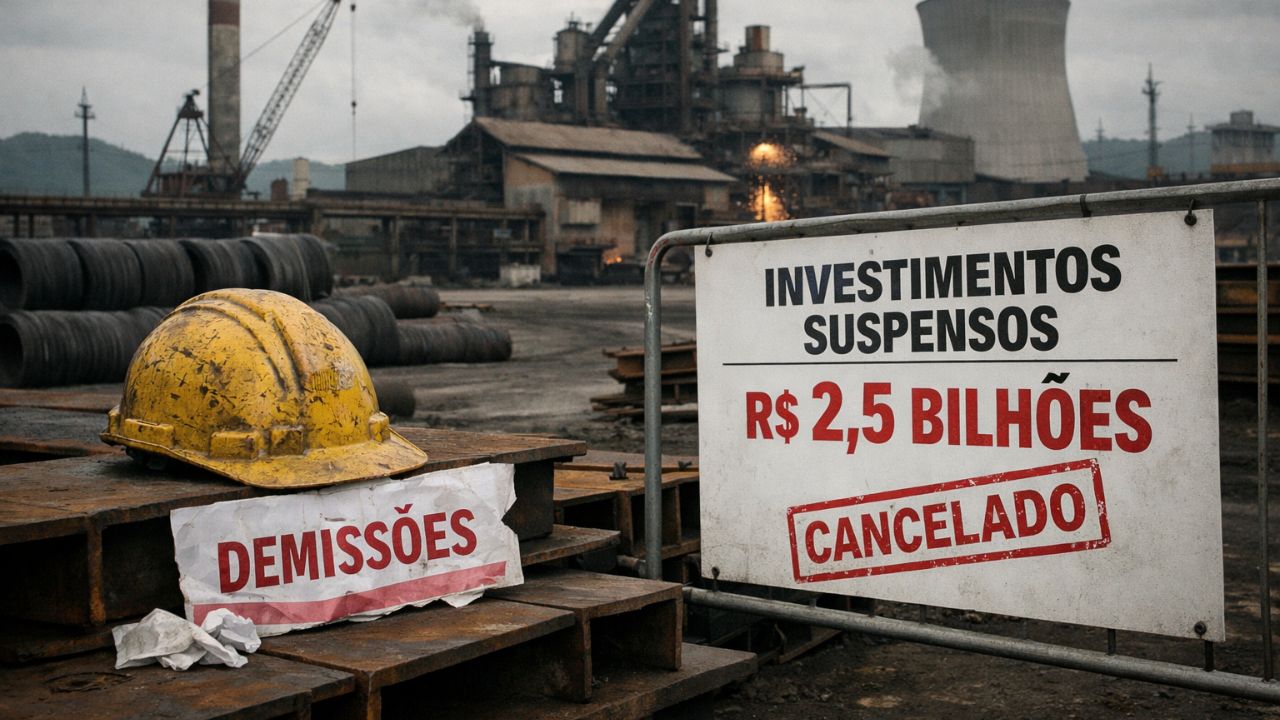
Brazil’s Steel Industry Records Cut of 5,100 Jobs and Suspension of R$ 2.5 Billion in Investments
It is expected that around 6 million tons of rolled steel will enter Brazil this year, a 32% increase compared to 2024.
This volume corresponds to approximately one-third of total national consumption, a number three times higher than the average recorded between 2000 and 2019.
As a result, the national steel industry has lost market share, even while maintaining installed production capacity.
Chinese Subsidies Distort Prices And Amplify Unfair Competition
A large part of this steel comes from China, the world’s largest producer in the sector.
The country produces around 1 billion tons per year, equivalent to 30 times Brazil’s production.
Moreover, Chinese subsidies act as a cushioning effect for the decline in domestic demand in that country.
With state support, Chinese exports already exceed 100 million tons annually, flooding the global market with products sold below production costs.
Meanwhile, the world faces an estimated excess capacity of 619 million tons, a volume 12 times higher than the total capacity of Brazilian mills, further intensifying unfair competition.
Brazilian Deindustrialization Advances Rapidly
Brazilian deindustrialization occurs when industry loses participation in Gross Domestic Product (GDP).
In some countries, this process occurs gradually and healthily, driven by productivity gains and technological advancement.
In Brazil, however, the phenomenon takes on alarming contours when it occurs abruptly, driven by external shocks, such as the massive influx of subsidized products.
In this scenario, factories lose competitiveness, reduce production, and close down without time to adapt.
Brazil Reacts Less Than Other Industrial Economies
While other nations have adopted strong measures of trade defense, Brazil maintains a posture considered weak.
The United States, European Union, United Kingdom, and Mexico increased steel import tariffs to 25% since 2018.
In 2025, the United States raised the rate to 50%, a move followed by Canada.
The European Union is also discussing quota cuts and new tariff increases.
In Brazil, however, the nominal import tariff is 10.8%, and only 16 products, out of a total of 273, have been raised to 25%.
Furthermore, broad quotas and special regimes reduce the effective rate to 7.2%, increasing the vulnerability of the national steel industry.
Jobs And Investments Already Feel The Effects
The impacts of predatory steel imports are already visible. The sector has accumulated over 5,000 layoffs and canceled approximately R$ 2.5 billion in investments.
Currently, the capacity utilization rate is at 63%, well below the 85% needed to maintain investments and job creation.
At this pace, the risk of closing industrial units in different regions of the country is growing.
Trade Defense Is Essential To Avoid Irreversible Damages
Experts warn that trade defense mechanisms, such as antidumping measures, bilateral safeguards, and quantitative restrictions, are provided for in international trade rules and do not constitute inefficient protectionism.
On the contrary, these tools serve to combat unfair practices and ensure fair competition.
The lack of reaction can lead to external dependence, weaken productive chains, and compromise strategic sectors of the economy.
The National Steel Industry Is A Pillar Of Development
There is no industrialized and prosperous country without a strong national steel industry.
Steel is a basic input for civil construction, infrastructure, energy, transport, and capital goods.
Therefore, allowing the weakening of the sector means compromising the entire Brazilian industrial base.
In light of this scenario, there is a growing consensus that action is needed, quickly and firmly, to preserve jobs, investments, and the productive capacity of the country.









Seja o primeiro a reagir!