





 Portuguese
  English
  Spanish
  4 min of reading
  0 comments


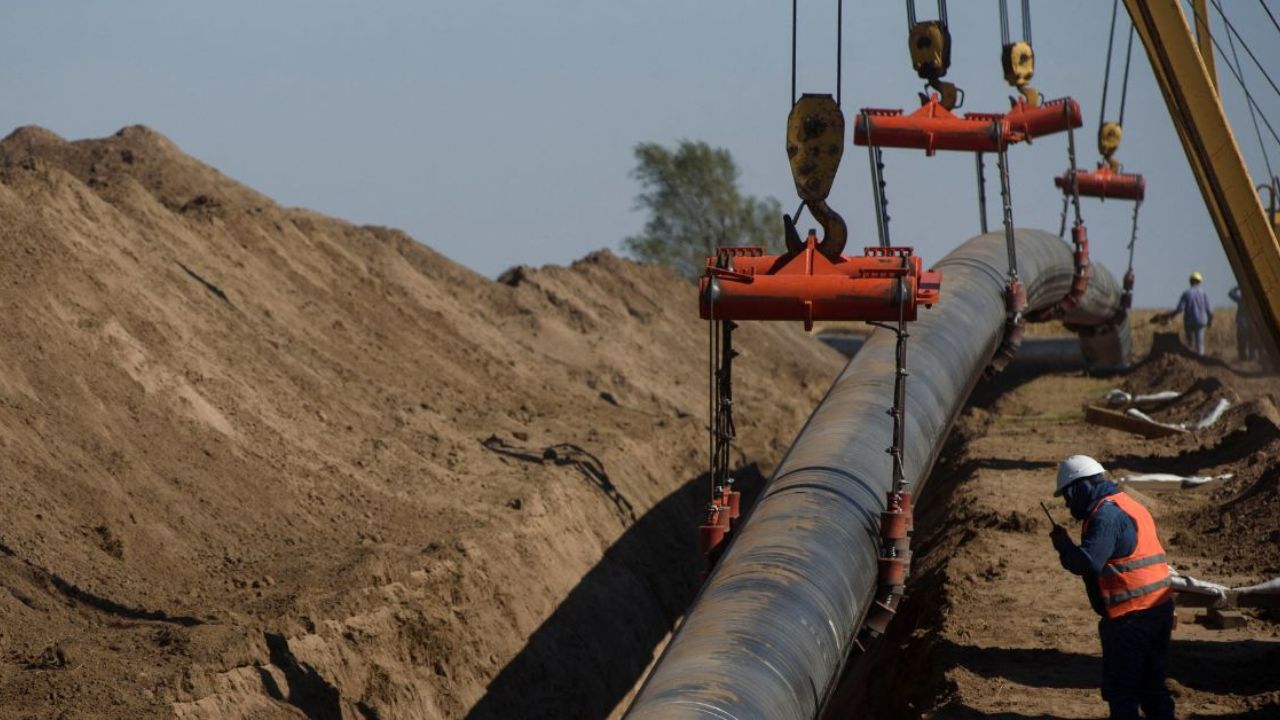
The Construction of a Route to Import Argentine Gas via Paraguay May Be More Economical for Brazil Than Completing the Uruguaiana-Porto Alegre Gas Pipeline in Rio Grande do Sul. This Was One of the Main Conclusions of the Energy Research Company (EPE) in Its New Indicative Gas Pipeline Transport Plan (PIG).
The Study on Argentine Gas Suggests That the Paraguayan Alternative, Despite Involving a Larger Route and More Complex Diplomatic Requirements, May Have Lower Implementation Costs and Be a Viable Long-Term Solution. Paraguay Aims to Establish Itself as a New Option for Importing Gas from Vaca Muerta, Competing Directly with Traditional Routes Such as the Bolivia Route.
The Scenario of Argentine Gas Importation by Brazil
Paraguay Has Been Striving to Establish Itself as an Alternative in Gas Logistics for Brazil. The Country, Which Currently Lacks Access to This Resource, Sees the Project as an Opportunity to Integrate Itself into the South American Market.
Last Week, the Minister of Industry and Trade of Paraguay, Francisco Javier Giménez, Met with the Governor of Mato Grosso do Sul, Eduardo Riedel, to Discuss the Viability of the Project. As a Result, a Study Group Was Created to Evaluate This Option.
-
Made from recycled plastic, plastic wood is gaining space in the construction industry because it does not rot, resists moisture, and reduces maintenance costs over the years.

-
Florianópolis will receive a million-dollar BRT that will begin construction in 2026 with nearly 400 million in funding from the federal government and the Inter-American Development Bank, and the map already shows the routes for the exclusive bus corridors.
-
Without a blueprint, without an engineer, and using scrap from the dump, a father spends 15 years building an 18-room castle for his daughter, featuring tram tracks, 13 fireplaces, and over 700 m², which may now be demolished.

-
A megaproject worth R$ 89 billion is advancing in Iraq and promises to change the game in global trade by creating a new corridor between Asia and Europe, reducing traditional routes and repositioning the country as a logistics powerhouse.

The Impact of Completing the Uruguaiana-Porto Alegre Gas Pipeline
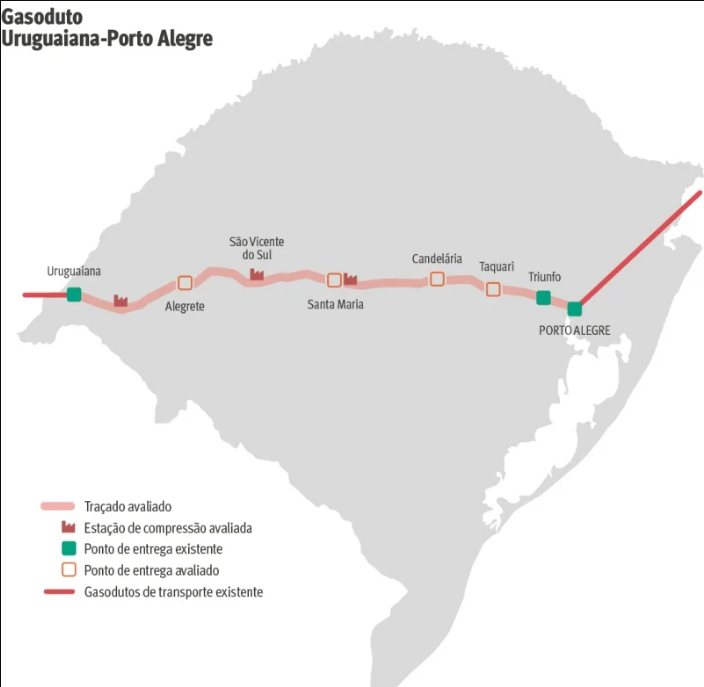
The Uruguaiana-Porto Alegre Gas Pipeline, Designed to Facilitate the Direct Transportation of Argentine Gas to Brazil, Faces Financial and Structural Challenges. Completing This Project Would Require an Initial Investment of Approximately R$ 6.8 Billion, Along with Possible Additional Costs to Duplicate Gasbol, Which Has Bottlenecks in the Southern Region.
In Light of This, the Comparison Between This Option and the Route via Paraguay Becomes Essential to Define the Best Solution for Brazilian Energy Demand.
Comparison of Import Route Costs
The Proposal for the Bioceanic Gas Pipeline, Which Would Cross Argentina, Paraguay, and Brazil, Would Require the Construction of One Thousand Kilometers of Pipelines. The Brazilian Stretch Would Be Approximately 400 km, Connecting the Paraguayan Gas Pipeline to Gasbol in Mato Grosso do Sul, with an Estimated Cost of R$ 6.12 Billion.
Although This Alternative Requires a High Initial Investment, Operation and Maintenance Costs May Be More Competitive in the Long Run. Paraguay Seeks to Attract Investors to Make This Project Viable, Which Could Reduce the Need for Exclusively Brazilian Contributions.
Costs and Feasibility of the Project in Rio Grande do Sul
The Traditional Route via Uruguaiana, Besides the R$ 6.8 Billion for Its Completion, Might Need Additional Investments of R$ 2.2 Billion for the Infrastructure of the Siderópolis-Porto Alegre Connection.
Thus, the Comparison Between the Two Options Highlights That, Despite the Greater Distance, the Route via Paraguay Could Become a More Economical Alternative Depending on Implementation and Financing Factors.
Factors Influencing the Decision on the Best Route
The Choice Between Routes Does Not Depend Solely on Direct Costs. The Execution Time, Technical Challenges, and Conditions of Existing Infrastructure Also Impact the Decision.
The Gas Pipeline via Paraguay Would Require New Works in Three Countries, Which Could Present Diplomatic and Logistical Challenges. On the Other Hand, Completing the Uruguaiana-Porto Alegre Gas Pipeline Requires Reinforcement of Gasbol’s Infrastructure to Avoid Bottlenecks in Distribution.
The Viability of the Project Will Depend on the Ability to Attract International Investments. Paraguay Has Already Shown Interest in Attracting Resources and Integrating into the South American Energy Market.
However, Brazil Needs to Evaluate Energy Security and the Reliability of the Supply of Argentine Gas, Considering Aspects Such as Supply Guarantees and Political Stability Among the Involved Countries.
Perspectives for the Future of Argentine Gas Integration in Brazil
The Brazilian Government Has Been Studying Different Routes to Interconnect Brazil’s and Argentina’s Gas Pipelines. Besides the Route via Paraguay and the Completion of the Uruguaiana-Porto Alegre Gas Pipeline, Other Options Include:
- Utilizing Gasbol’s Infrastructure via Bolivia;
- Importing Liquefied Natural Gas (LNG) by Ships;
- Creating New Interconnections via Uruguay.
The EPE Continues to Evaluate All These Possibilities to Define the Most Efficient and Economical Solution.
The Role of Biomethane in the Gas Pipeline Network
For the First Time, the EPE Included the Integration of Biomethane into the Gas Pipeline Planning, Considering Its Growth Potential in Brazil.
Two New Routes Have Been Mapped:
- Sertãozinho–São Carlos (SP): with 99.5 km in Length and an Estimated Investment of R$ 577 Million;
- Seropédica–Japeri (RJ): with 23 km in Length and an Investment of R$ 185 Million.
These Initiatives Indicate That Brazil Is Not Focused Solely on Importing Argentine Gas but Also Seeks Sustainable and Economically Viable Alternatives to Expand Its Energy Matrix.









-

-

-

10 pessoas reagiram a isso.