





 Português
  Inglês
  Espanhol
  4 min de leitura


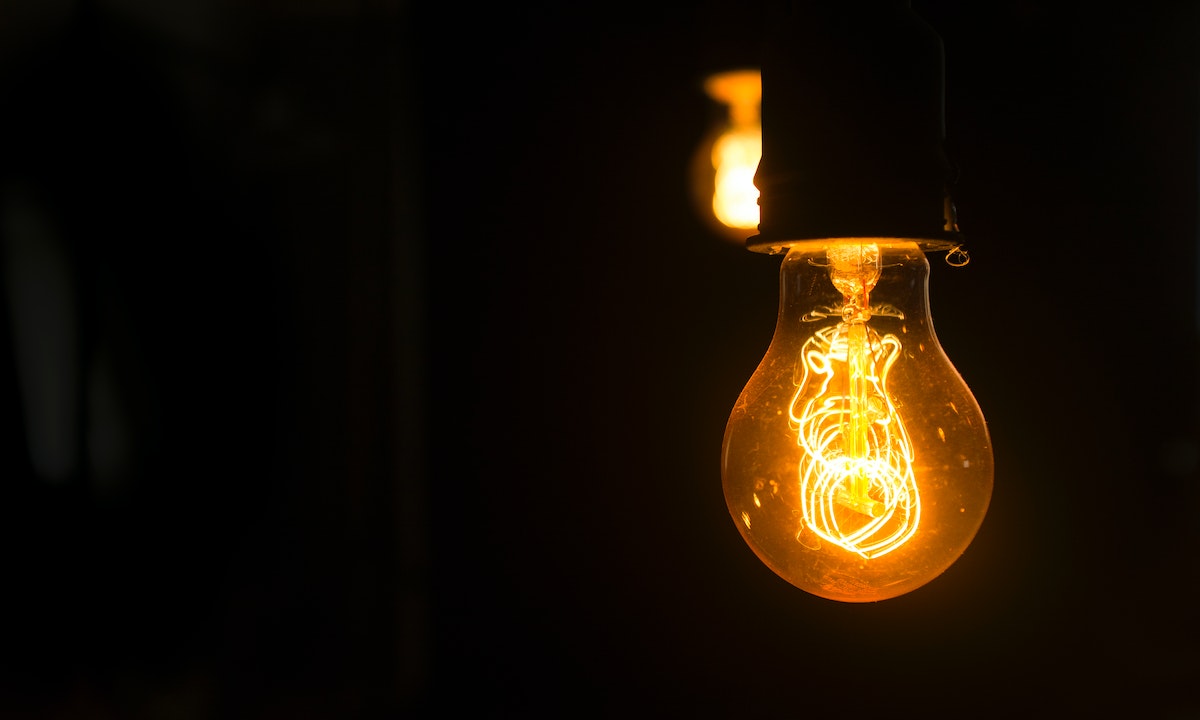
Without The ICMS Charge On The Transmission And Distribution Of Energy, Inflation On The Electricity Bill Could Reduce Between 0.2 And 0.3 Percentage Points Per Year
The reduction of ICMS rates on energy has already made the Brazilian consumer feel its effects in their wallet. The ICMS paid on the transmission and distribution of energy, however, increases the electricity bill. Without these charges, according to market sources, inflation could be reduced by between 0.2 and 0.3 percentage points in the year.
Understand The ICMS Charge On The Transmission And Distribution Of Energy
The federal law LC 194/2022, which limited ICMS on fuels, natural gas, electricity, communications, and public transportation to the essential goods rate in states and the Federal District (between 17% and 18%), also removed some items from the ICMS base calculation from the electricity bill, including sectoral charges, subsidies, and part of the cost of the transmission infrastructure wire. However, the distributors are still charging 17% or 18% on all items of the electricity bill. This means that most consumers, both residential and industrial, depending on the state, are paying more than what the law states and will hardly be reimbursed, given the scenario of legal uncertainty.
The approval of the law generated several questions in the Supreme Federal Court (STF) on the subject, both from states and the Union, forming some legal knots. Among them is the questioning of the states regarding the compensation methods of the Union for the losses in revenue, since the law states that losses above 5% will be compensated. The states question how compensations will be made, in addition to asking about the ICMS charge on transmission and other elements of the electricity bills. The second topic is being addressed in this article.
-
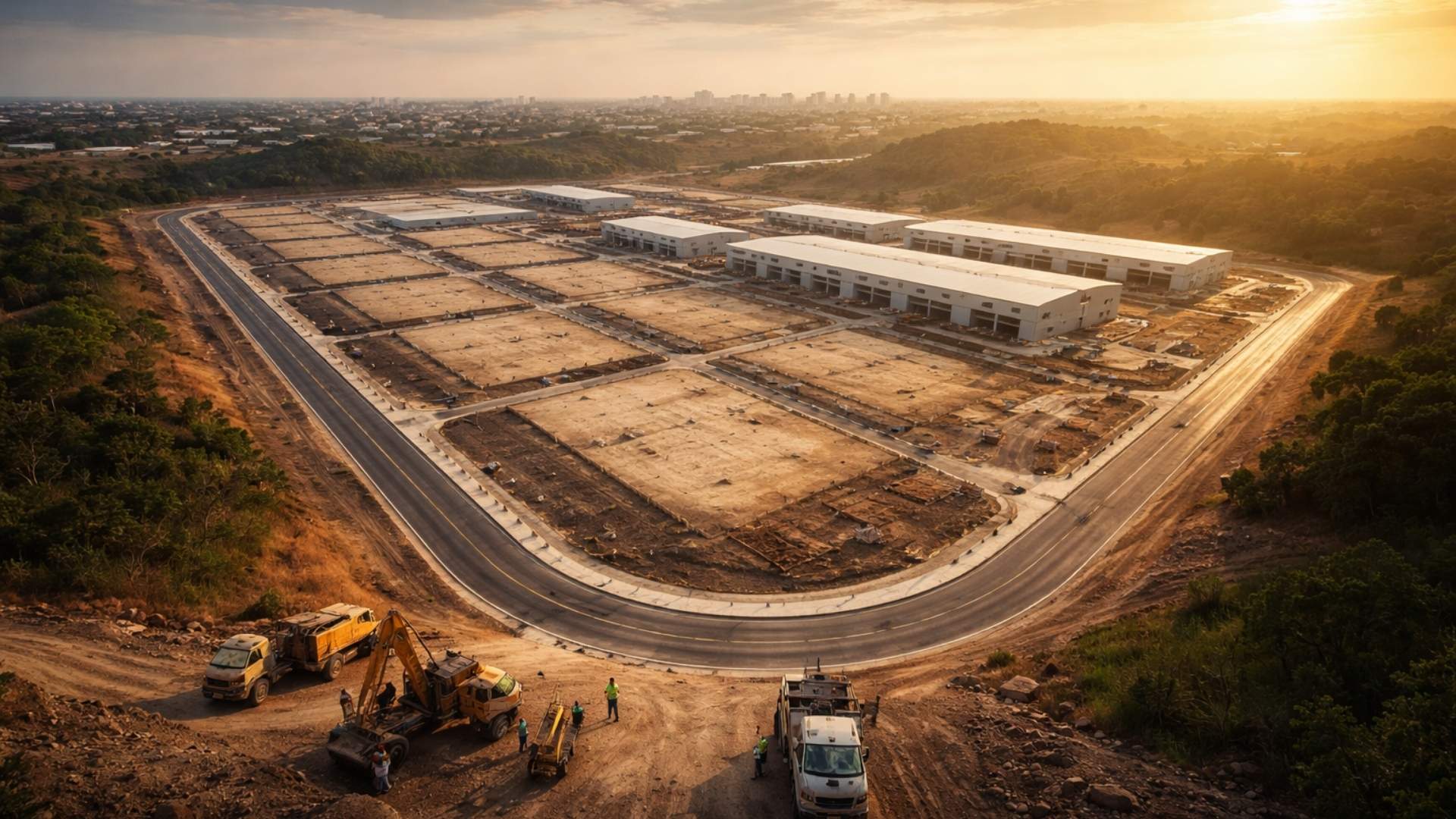
Brazilian city gains industrial hub for 85 companies that is equivalent to 55 football fields.

-
Peugeot and Citroën factory in Argentina cuts production by half and opens a layoff program for more than 2,000 employees after Brazil drastically reduced purchases of Argentine vehicles.

-
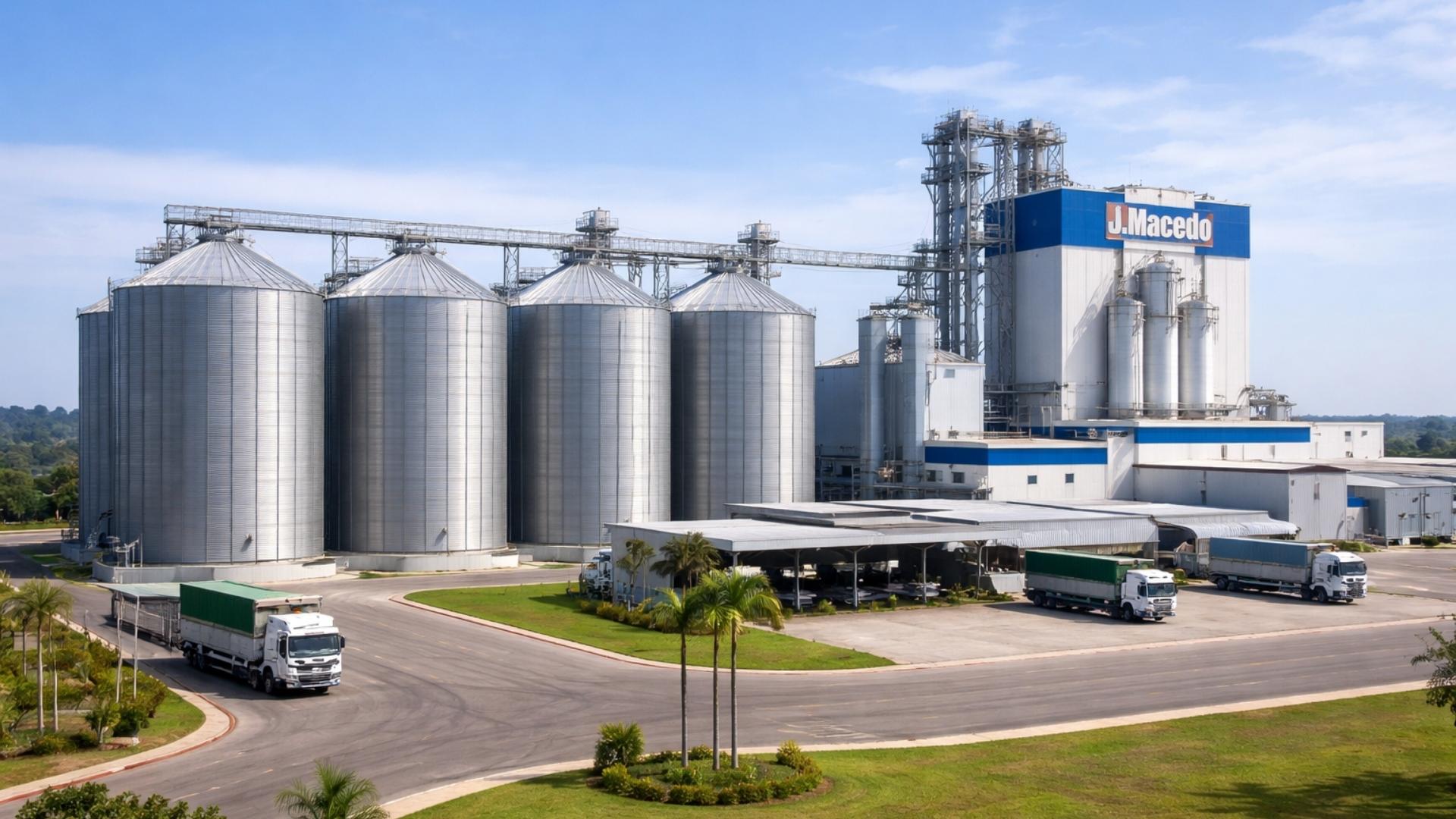
A Brazilian city gains a factory worth R$ 300 million with the capacity to process 200 thousand tons of wheat per year, a mill of 660 tons/day, silos for 42 thousand tons, and an industrial area of 276 thousand m².
-
Havan will leave the shopping mall in Blumenau to inaugurate something that the chain has never done before: a megastore in half-timbered style in the Historic Center of the city, which is expected to be completed in May and change the landscape of local retail.


Differences Between States In The Application Of LC 194/2022
In some states, the federal legislation was ratified by decree, as is the case in São Paulo, which decreed that the state tax should be collected as established by federal law. In other states, federal legislation was ratified by state law, which in some cases omitted the issue of removing items from the new calculation base, including transmission. As the federal law states one thing and the state law does not address the subject, energy distributors still keep everything in the calculation basis.
The director of Electrical Energy at Abrace (Association of Large Energy Consumers and Free Consumers), Victor Iocca, said that the energy distributor is a collector, meaning it only collects the tax and passes it on to the state, not wanting to take the risk of charging from a smaller base. The state, as has happened before, may have a ruling saying that the base is the full amount, and in this case, the distributor would have to reimburse the state.
The distributors claim that they immediately complied with what was established by the law to reduce the rates, but that for the removal of items, they need a definition from Confaz (National Council of Fiscal Policy).
What Are The Criteria For The Application Of The ICMS Exemption?
Marcos Madureira, president of Abradee (Brazilian Association of Electricity Distributors), said that the law has two points: the reduction of the rate, which was done immediately, and in the case of energy, an exemption for some charges was also created, including issues related to transmission and distribution costs. The electricity tariff has 26 components, and for distributors to have certainty about which components will be subject to ICMS and which will not, it is necessary for there to be a determination on this, which is usually done by the states. He said that the association has requested, since the law was approved, that Confaz define together with the states what the criteria for the application of the exemption are, so that it can be done uniformly across states. After all, most states have not deliberated on the subject.
The president of Abradee also explains that Aneel (National Electric Energy Agency) has already clarified to Confaz which are the components of the tariff so that the council can decide on the charge. The distributors are waiting for the charge to be defined by Confaz, as this does not depend on the distributor. It is not possible to apply a law that still needs to explain how it will be done, as it could lead to losses even for the consumer if something is done incorrectly.
According to calculations by Abrace, if federal law LC 194/2022 were applied in full in all states of Brazil, consumers would stop paying about R$ 9 billion per year in conservative estimates. However, this is not happening.
Victor Iocca, from Abrace, adds that the law reduced the ICMS incidence base, in addition to limiting the ICMS. This fact is more relevant than limiting the rate, since it is a reduction of the base, having a significant impact for large consumers, who certainly will not be able to recover these excess amounts paid.








Seja o primeiro a reagir!