





 Portuguese
  English
  Spanish
  5 min of reading
  0 comments


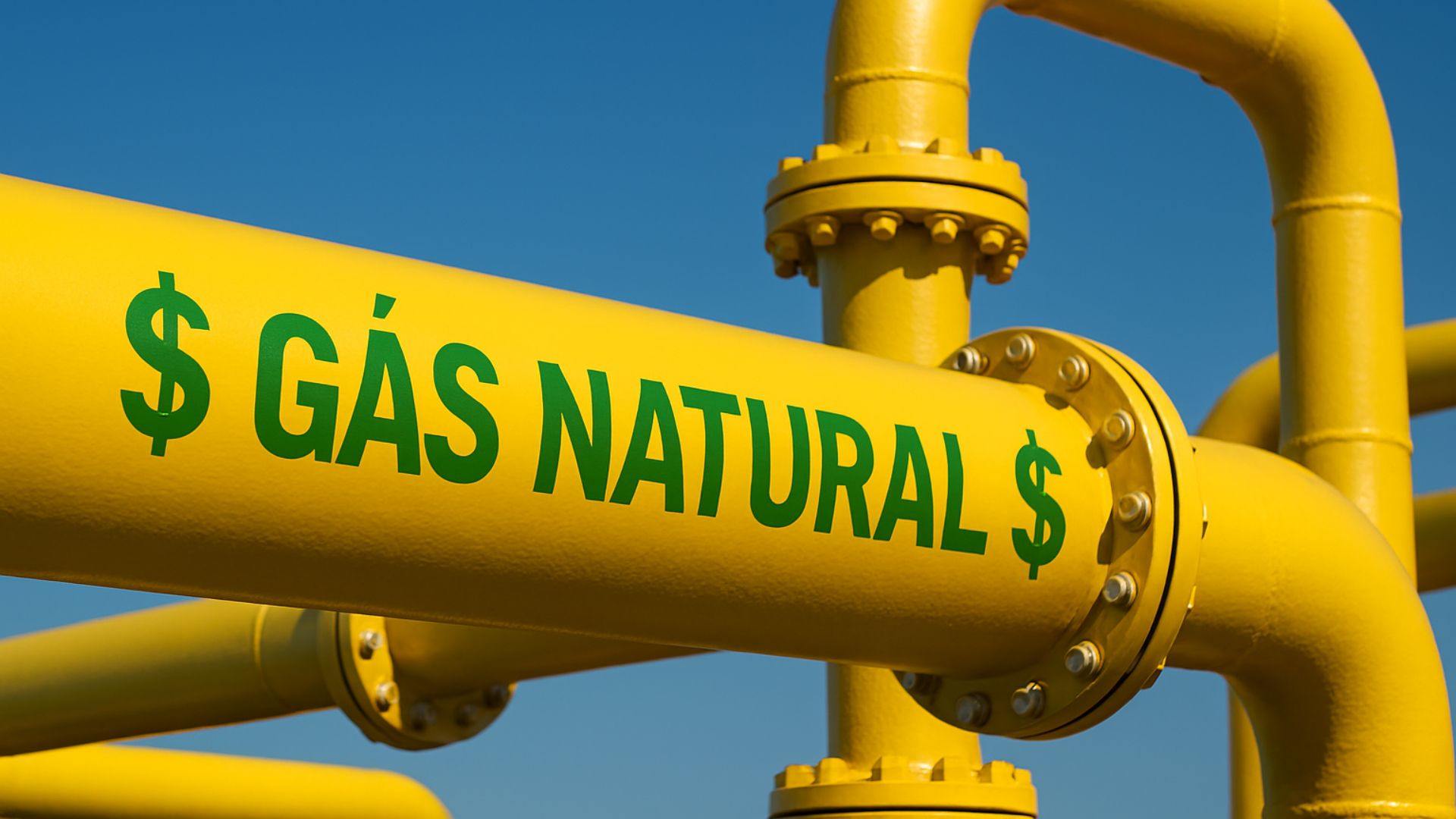
FGV Study Reveals How the Formation of Natural Gas Prices Is Influenced by Taxes and Logistics, Impacting the Economy and Energy Competitiveness in Brazil
A study by FGV revealed that more than half of the price of natural gas directed to the industry is directly linked to the molecule of the fuel. In addition, taxes, transportation tariffs, and distribution costs play a decisive role in forming the final value paid by Brazilian companies. According to an article published by the website MegaWhat this Thursday (11), the analysis reinforces how the cost structure of natural gas impacts the economy of the country and the competitiveness of the industrial sector.
Formation of Natural Gas Prices in Brazil According to FGV
The FGV study showed that the molecule represents between 51% and 53% of the final price of gas intended for the industry, considering contracts from the regulated market in different consumption ranges. This means that more than half of the gas cost derives directly from the raw material, which is influenced by international factors such as the price of oil and import costs.
This predominance of the molecule is a crucial fact, as it shows that the global volatility of the energy market has an immediate impact on the national economy. In a context where countries seek to reduce energy costs to strengthen industrial competitiveness, the weight of the molecule in the Brazilian natural gas price reinforces structural challenges in the sector. Furthermore, the research identified that taxes represent the second largest portion of the composition, averaging 22% of the final value.
-
Brazilian giant expands borders in the Southeast: Petrobras confirms new oil discovery in ultra-deep waters in the pre-salt of the Campos Basin.

-
Alert in the global energy market: Severe tropical cyclone hits the coast and disrupts gas production at major plants in Australia, threatening global supply.

-
Petrobras finds high-quality oil in the pre-salt at 113 km from RJ and reignites expectations about strategic reserves in the Campos Basin.

-
Ocyan opens registrations for startups focused on innovation in the oil and gas sector and will select projects for Innovation Day with the support of Nexio.


Impact of Taxes on the Price of Natural Gas for Industry
The weight of taxes on the price of natural gas for industrial use is significant and varies according to state legislation. The national average reached approximately 22%, according to the FGV study. This tax burden includes ICMS, Pis/Cofins, and other sector-specific charges.
As a direct consequence, the industrial economy absorbs higher costs, which then tend to be passed on to the final consumer. This structure impacts sectors that use natural gas as an essential input, such as ceramics, steelmaking, chemicals, food, and paper and pulp.
The high tax burden represents an ongoing concern among companies and associations in the sector, which advocate for a tax review to increase Brazilian competitiveness compared to international markets where gas has a lower tax burden.
Impacts on the Economy and Industrial Competitiveness
The weight of the molecule, combined with high taxes and transportation and distribution tariffs, creates a high-cost environment for Brazilian industry. This set of factors directly affects productivity and the ability to compete with countries where the price of natural gas is lower.
Among the main impacts are:
- Increase in production costs, especially for energy-intensive sectors.
- Cost pass-through to the final consumer, putting pressure on inflation.
- Reduction in investments in industrial segments that rely on affordable energy.
- Loss of international competitiveness, especially in markets competing with products based on natural gas.
Moreover, sectors that use natural gas as a raw material — such as fertilizers and petrochemicals — become more vulnerable to fluctuations in global prices. This creates an environment of uncertainty for the economy, hindering medium and long-term planning for companies.
Regulatory Debates and Perspectives for the Natural Gas Market
The discussion about the composition of the price of natural gas has gained strength in recent years, especially after the approval of the New Gas Market and measures aimed at opening and modernizing the sector. The FGV study reinforces the importance of continuing to advance reforms that promote competition and increase contract transparency.
Among the proposals discussed in the sector are:
- Progressive reduction of taxes on natural gas.
- Expansion of gas pipeline infrastructure to reduce logistical costs.
- Encouragement of new suppliers to create a more competitive market.
- Assessment of international models to equalize the tariff burden.
With a more open and competitive market, experts believe it will be possible to reduce the weight of the molecule over time, balancing price formation and favoring the industrial economy.
Viable Solutions to Reduce the Price of Natural Gas in Brazil
Based on the FGV study, there are possible paths to reduce the price of natural gas, especially considering the impact of taxes and distribution and transportation costs. Among the solutions discussed by analysts in the sector are:
- Review of the tax burden, with reduction of ICMS in states where gas is more expensive.
- Expansion of the transportation network, connecting isolated regions to the national market.
- Incentive policies for competition, reducing supplier concentration.
- Integration with international markets, to mitigate impacts of global volatility.
- Greater regulatory transparency, allowing clearer negotiations between industry and distributors.
These measures, according to experts, would promote a more attractive investment environment and help strengthen the economy based on natural gas, making the energy matrix more competitive.
Relevance of the FGV Study for the Brazilian Energy Sector
The survey by FGV becomes essential for understanding the current structure of the price of natural gas in Brazil. By showing that the molecule accounts for the largest share of the cost and that taxes, transportation, and distribution continue to significantly weigh on the final price, the study provides essential elements for public policies and business decisions.
Brazil is at a strategic moment, where the search for more accessible and competitive energy can determine the pace of industrial growth in the coming years. Reducing costs, enhancing regulation, and expanding infrastructure are essential steps for the advancement of the national energy economy.









-

Uma pessoa reagiu a isso.