





 English
  Francês
  Alemão
  Italiano
  Japonês
  Norueguês
  Portuguese
  Spanish
  3 min of reading



Project to Reduce Maritime Freight Rates Gains Highlight in Congress, Even in the Face of Opposition from the Government Leader, President Jair Bolsonaro
The plan to reduce charges on maritime freight has gained strength in Congress due to rising fuel prices and instability in the fertilizer sector. The plan includes a cut in the Additional Freight for Renewal of the Merchant Navy (AFRMM), a charge on water transportation in Brazilian ports developed to fund the Merchant Navy Fund (FMM). However, the government has shown opposition to this measure.
Also Read Other Related News:
- In Order to Prevent Impacts of the Ukraine War on Brazilian Fertilizers, Embrapa Launches Initiative to Save US$ 1 Billion;
- Freezing Petrobras Fuel Prices and Reducing ICMS Gain Highlight among Federal Government Proposals to Mitigate Effects of Rising Oil Prices;
- Climate Concerns Drive Blue Carbon Market and New Proposals for Maritime Transportation Are Discussed at The One Ocean Summit.
According to the original article from Broadcast, the initiative to cut this tax on maritime freight is expected to decrease import costs, impacting inputs present in the national agribusiness. It consists of two fronts: on one hand, the government plans to issue a decree to reduce the charges by approximately 30%; on the other hand, there is a move to change President Bolsonaro’s veto, which barred the already approved cut within the cabotage stimulus project, BR do Mar.
In this regard, the Planalto stated in January that it no longer had sufficient budget to legalize the reduction in AFRMM rates.
-
Unemployment rises again to 5.8% at the beginning of 2026, raising alarms about the end of temporary positions and its impact on the Brazilian job market.

-
Document organization can cut invisible costs in small businesses, a simple step that prevents waste, rework, and losses in daily operations.

-
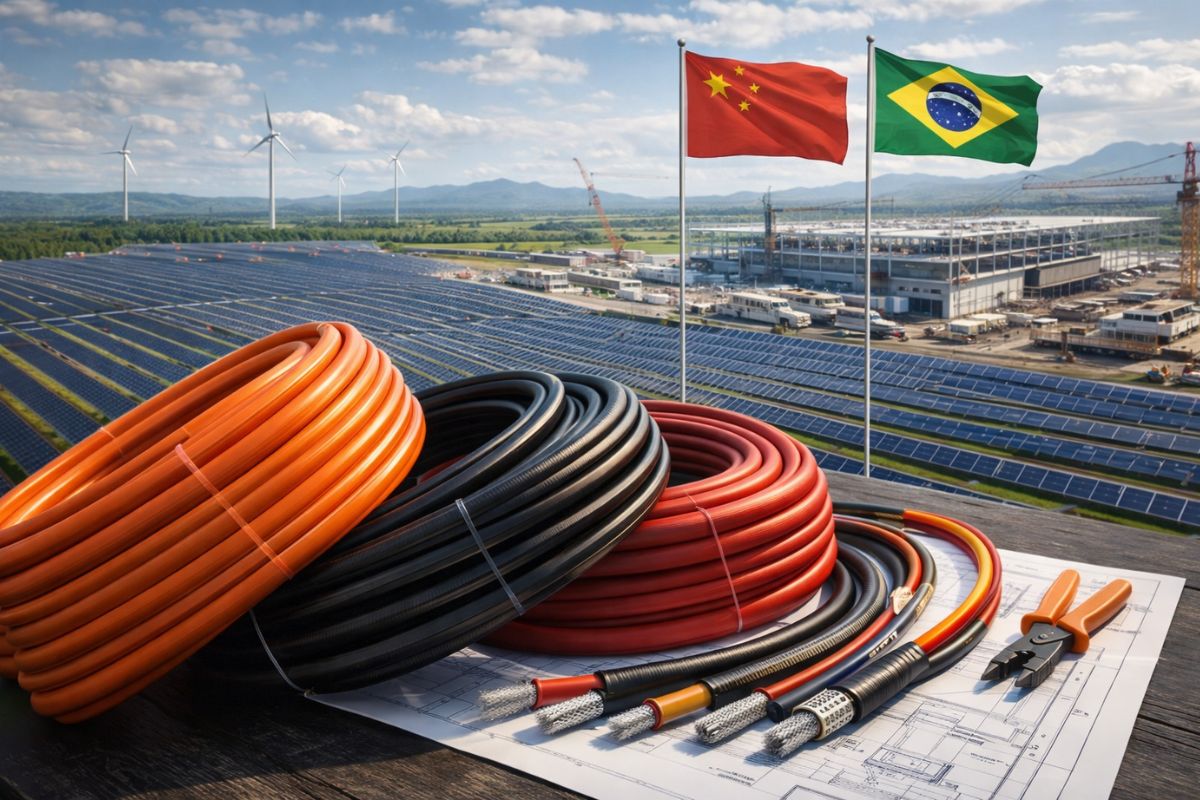
Chinese giant worth nearly R$ 4 billion that manufactures cables for electric cars, solar energy, and robotics wants to open a factory in SC.
-
Many employers do not know, but the law guarantees domestic workers a 25% increase in salary during trips, 50% for overtime, 20% for night shifts, and 17 additional benefits that can lead to labor lawsuits if not paid.


The expectation is that Congress will evaluate Bolsonaro’s decision during the week. Thus, the National Agricultural Front (FPA), one of the most influential blocs in Parliament, will focus on overturning the veto regarding the cut on maritime freight charges.
Bolsonaro Government’s Decision to Veto the Project
Regarding taxes on national maritime freight, the most critical issue is the charge on long-distance navigation, which is currently 25% and is heavily criticized by agribusiness. With the reduction, this rate would drop to around 16%. The BR do Mar proposal is more extreme: with it, the charge would be only 8%. Thus, the difference between the proposals could open loopholes for the president’s veto to remain a focus for sectors in Congress.
The veto on the reduction of AFRMM was unexpected in January, considering that the positive results of the reductions had been highlighted by the Ministry of Economy shortly before, in a technical statement from the Economic Policy Secretariat (SPE). In the note, published after the approval of BR do Mar by Congress, the ministry noted that the contraction could reduce the price of basic food items by at least 4%, favor imports, lower costs in domestic production, and impact GDP by up to 0.2%.
Mobilization
In light of the pressure on food and fertilizer prices, sectors affected by taxation are mobilizing to restore the reduction in rates. The action is supported by the FPA, which will advocate for overturning the government veto, as informed by Arnaldo Jardim (Cidadania-SP), a deputy who is part of the bloc, to the newspaper Estadão. Furthermore, the National Confederation of Agriculture and Livestock (CNA) emphasized that the cut in rates lowers the price of fertilizers, a product heavily impacted by the conflict in Ukraine, creating tension in Brazil’s agricultural sector.
However, within the government, there is a group of technicians who favor a reduction imposed only on maritime freight for long-distance navigation. This way, the funding of the FMM would not suffer abrupt impacts, reducing objections from the shipbuilding industry.
The government’s decision regarding the veto on BR do Mar is expected to be discussed during a meeting on Monday, March 14, when the Planalto is set to establish its position on the necessary topics for the next Congress conference, initially estimated for March 16.









Seja o primeiro a reagir!