





 English
  Francês
  Alemão
  Italiano
  Japonês
  Norueguês
  Portuguese
  Spanish
  5 min of reading
  0 comments


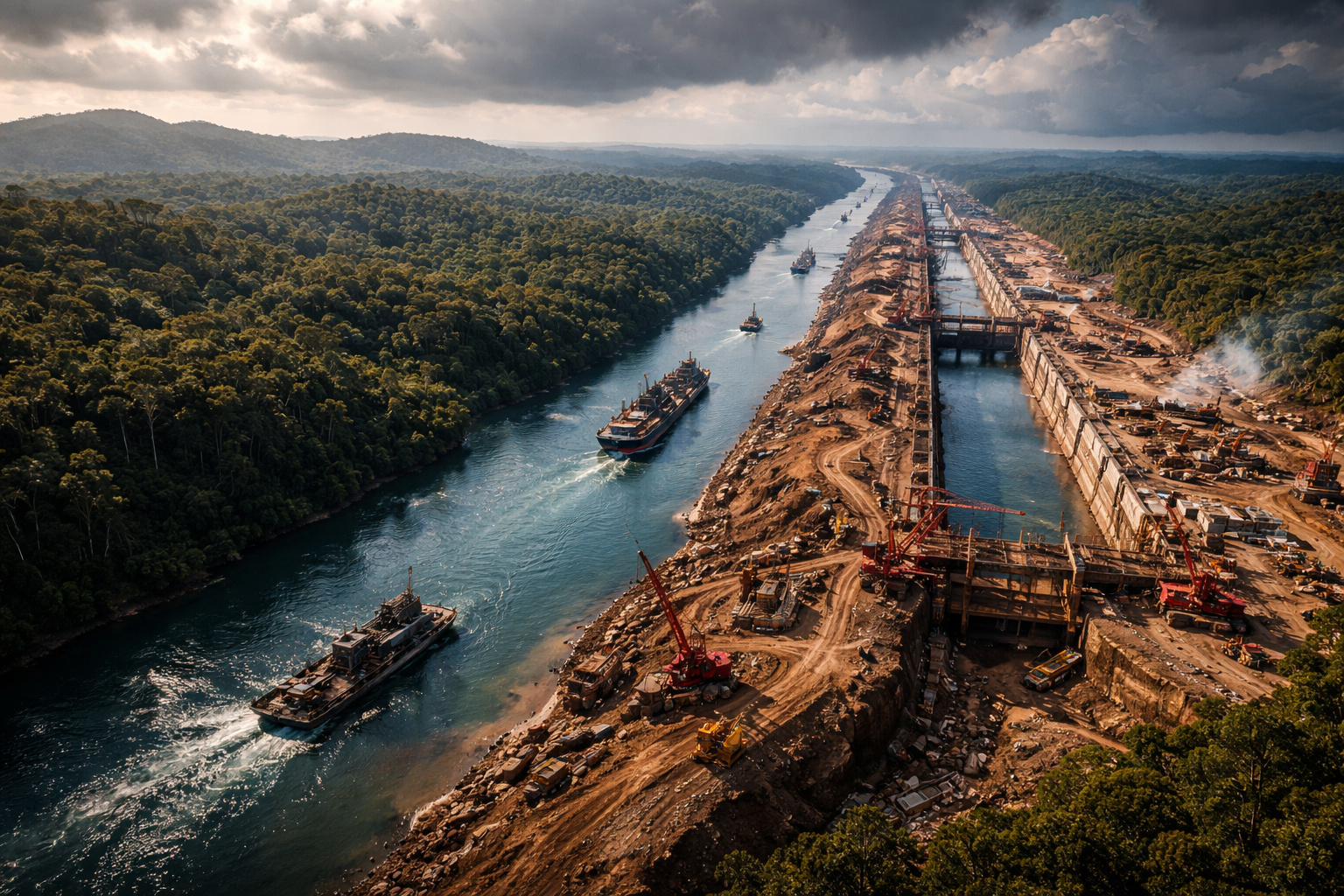
Nicaragua Canal Project of US$ 64.5 Billion Resurfaces with Chinese Support After Previous Failure and Raises Questions About Viability and Geopolitics
The groundbreaking ceremony for the Nicaragua Canal took place on December 22, 2014, in a pasture area near the town of Brito, on the Nicaraguan Pacific coast. The event brought together President Daniel Ortega and Chinese businessman Wang Jing, who had received a 100-year concession to build and operate the interoceanic canal. Excavators were positioned, speeches were made, and images circulated globally as a symbol of one of the most ambitious infrastructure projects of the 21st century.
In the following weeks, however, reality set in. No meter was excavated, no structured financing was formalized, and no large-scale technical mobilization occurred. The only physical structure resulting from that event was the road used to take authorities and guests to the site — a work that remains used only by local residents.
Almost a decade later, in May 2024, the Nicaraguan parliament officially revoked the concession granted to Wang Jing. In November of the same year, the government presented a new canal project, with a redesigned route, a new Chinese partner, and an estimated cost of US$ 64.5 billion — a significantly higher amount than the original plan.
-
If the USA were to go to war with Brazil, Washington’s greatest fear would not be the attack itself, but facing a vast territory, prolonged resistance, and a costly, chaotic, and unpredictable occupation.
-
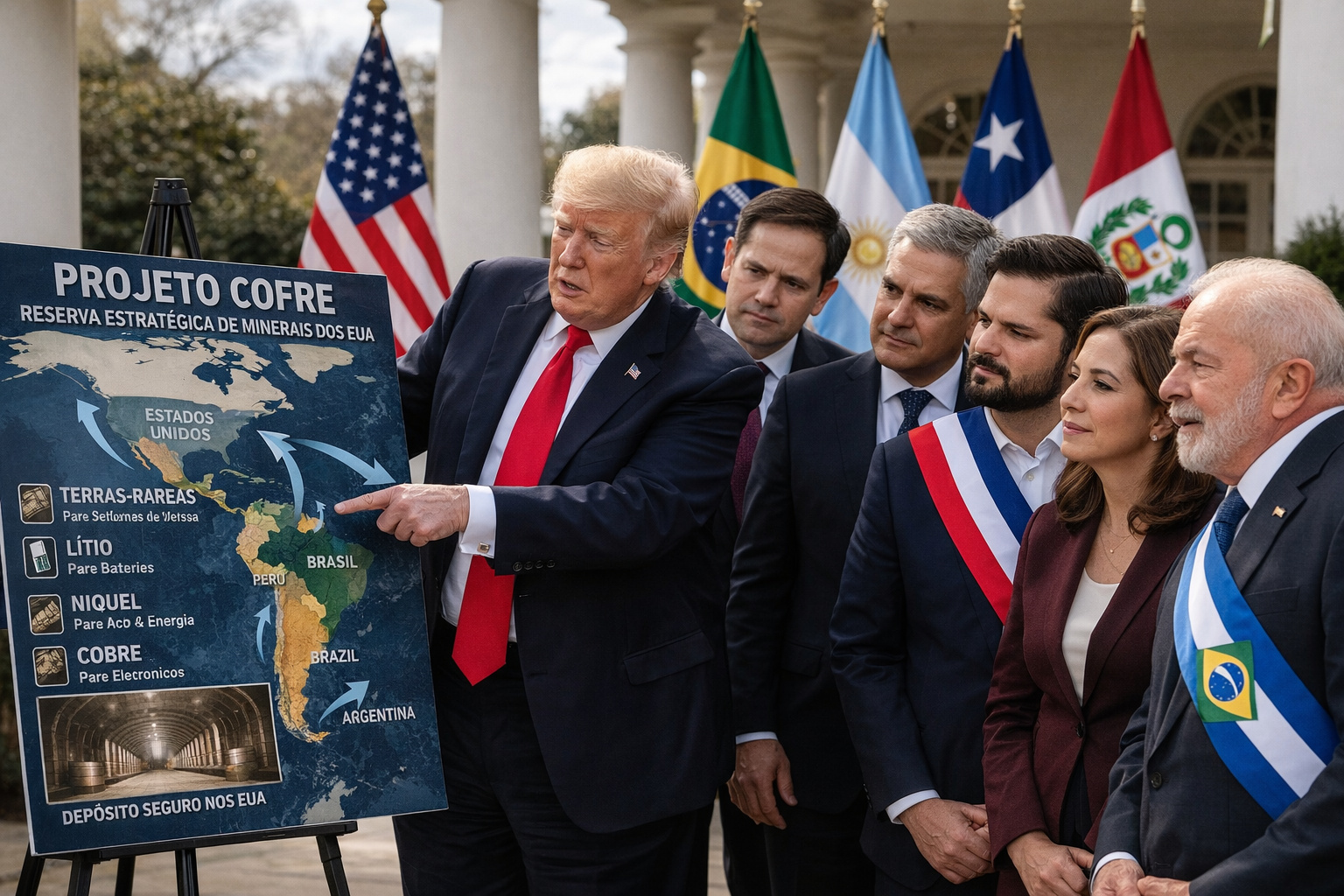
The USA announces a mysterious billion-dollar vault project to store critical minerals, but what intrigues experts is not just the plan itself, but why Latin America, including Brazil, has entered the center of this global dispute against China.
-
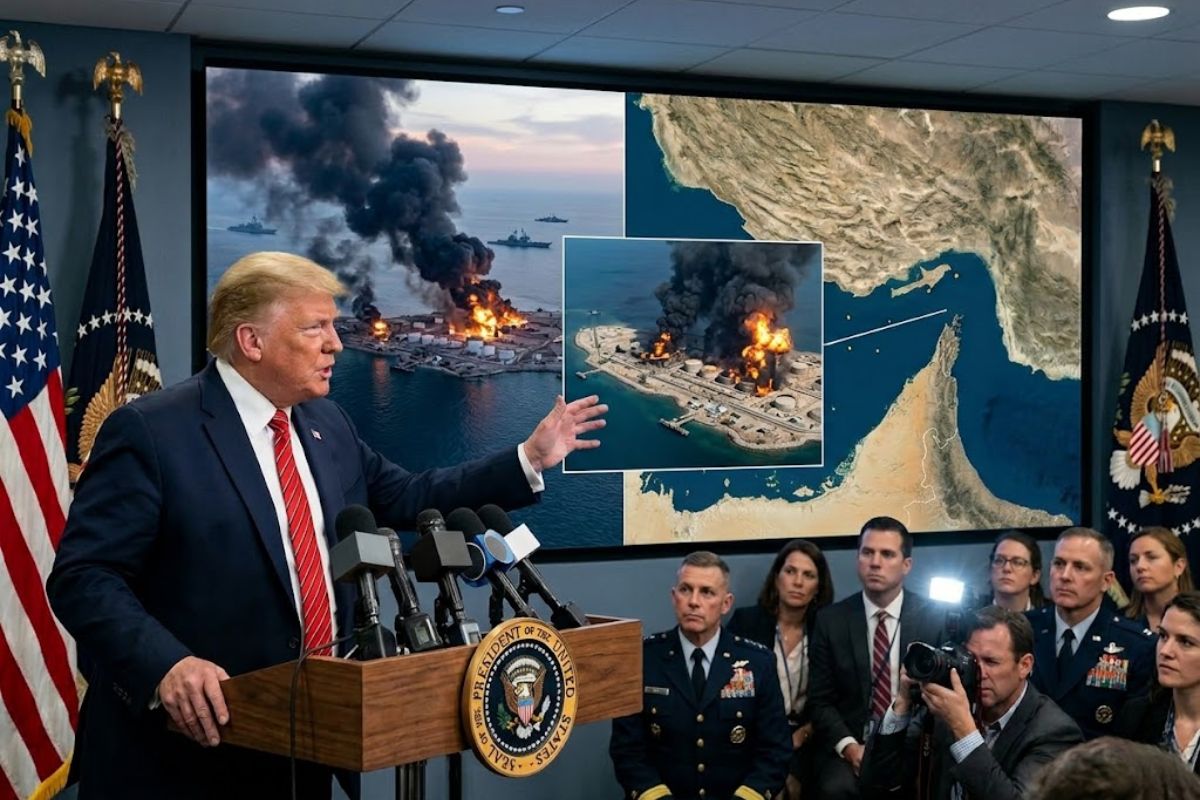
Trump Announces Bombing of U.S. Military Targets on Iranian Island Responsible for About 90% of Iran’s Oil Exports, Warns of Further Attacks if Navigation in Strategic Strait of Hormuz Is Threatened
-
At Less Than 40 Kilometers Wide, Strait of Hormuz Holds 20% of Global Oil and Becomes Epicenter of Global Crisis After Military Operation Against Iran Halts Oil Tankers and Triggers Energy Price Surge
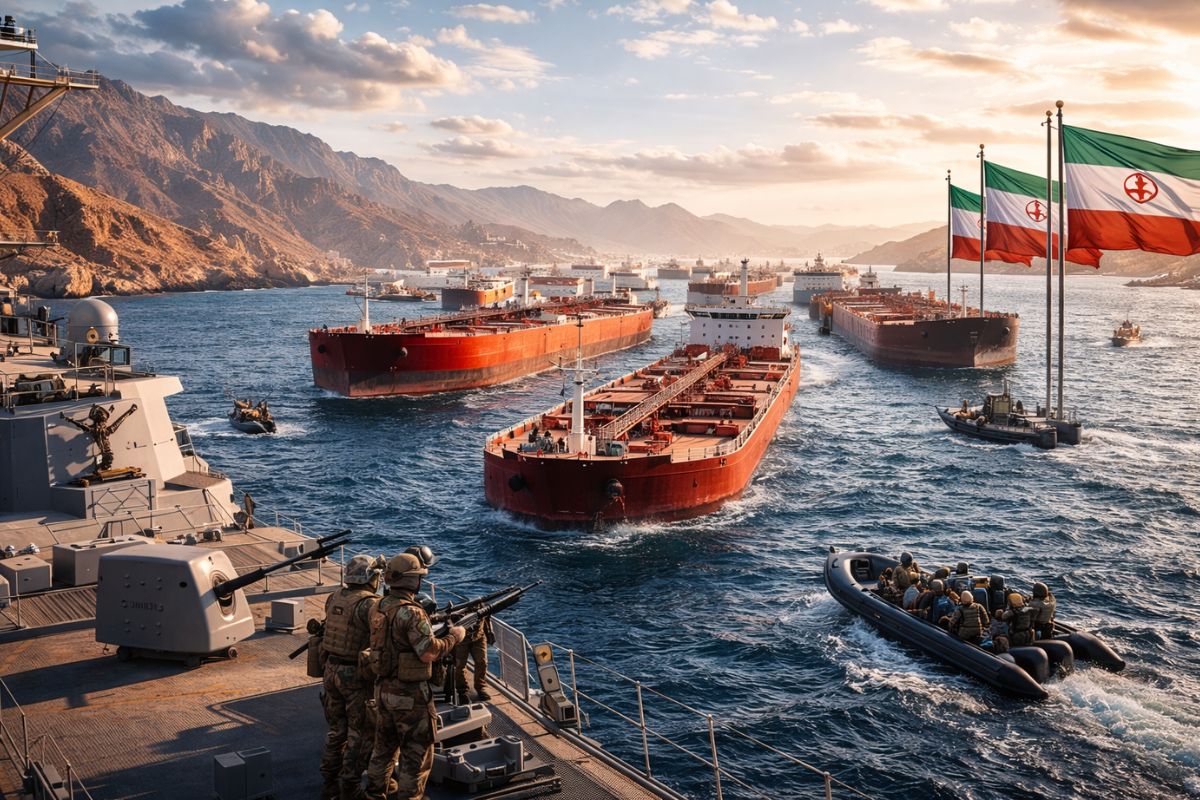

History of the Nicaragua Canal Reveals Two Centuries of Attempts and Structural Failures
The proposal to build an interoceanic canal in Nicaragua dates back to 1825, when the then Federal Republic of Central America began the first topographical studies to connect the Atlantic Ocean to the Pacific.


Throughout the 19th century, the project attracted interest from global powers. Napoleon III assessed its viability, and the United States conducted extensive studies between 1930 and 1931, with teams traversing the territory for years analyzing possible routes. Among the participants was Leslie Groves, who decades later would lead the Manhattan Project.
Wang Jing’s proposal was the 72nd documented attempt. The previous attempts failed for various reasons: technical limitations, lack of capital, political instability, and, primarily, the consolidation of the Panama Canal in 1914, which redefined the global flow of maritime trade.
Wang Jing: Billionaire Rise, Financial Collapse, and Disappearance of the Original Project
In 2013, Wang Jing emerged as the central figure of the project by obtaining the concession for the canal’s construction through the company HKND. At the time, his fortune was estimated at over US$ 10 billion.
The turning point occurred in 2015, with the collapse of the Chinese stock market, which wiped out about 85% of his wealth. In the following years, his main company faced allegations of financial irregularities, culminating in formal bankruptcy in 2024.
Wang Jing himself disappeared from the public scene. Without leadership, financing, or technical structure, the canal project collapsed even before starting any relevant construction phase.
Water Crisis in the Panama Canal Exposes Vulnerability and Reopens Global Discussion
Between 2023 and 2024, the Panama Canal faced an unprecedented crisis caused by severe drought. Lake Gatun, responsible for feeding the locks, reached critical levels, forcing a reduction in the number of vessels authorized to transit daily.
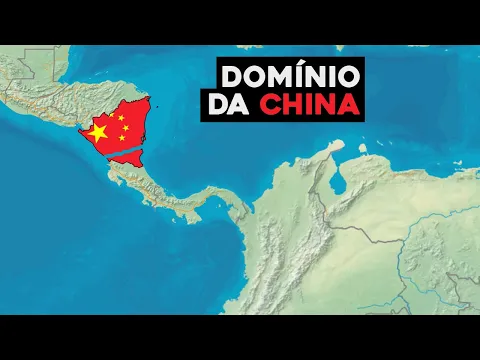
The impact was immediate on global trade. Lines of ships formed, logistics costs increased, and alternative routes began to be used, including detours around the Cape of Good Hope.
This scenario highlighted a structural fragility of the Panamanian system: the dependence on a single freshwater reservoir. With climate projections indicating an increase in the frequency of droughts, the search for alternative routes returned to the center of global strategic discussions.
New Route of the Nicaragua Canal Avoids Lake Nicaragua and Expands the Scale of the Project
The new project presented by Ortega eliminates the use of Lake Nicaragua, which had generated strong environmental opposition in the previous proposal.
The new route connects Bluefields, in the Caribbean, to the port of Corinto, in the Pacific, over approximately 445 kilometers. The layout includes Lake Xolotlán and provides infrastructure capable of accommodating large vessels, including the largest container ships currently in operation.
The estimated cost of US$ 64.5 billion places the project among the most expensive ever conceived in the history of civil engineering, significantly exceeding the country’s economic capacity.
China Assumes Protagonism with New Strategy and State Presence in the Project
The main structural change of the new project is the replacement of HKND by a Chinese state-owned company: CAMC Engineering.
Unlike the previous project, there are now initial contracts signed, including the construction of the Bluefields port. This element represents the first concrete physical advancement associated with the canal in decades.
Still, the construction of the canal itself depends on technical and economic feasibility studies that have not yet been completed, as well as a financing model that has yet to be defined.
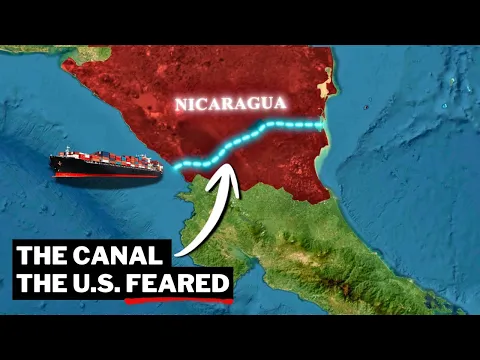
The resumption of the project occurs in a sensitive geopolitical context. Nicaragua reestablished diplomatic relations with China in 2021, breaking with Taiwan, which opened space for Chinese strategic investments in the region.
International analysts assess that the project goes beyond logistical infrastructure. The Chinese presence in Central America, especially close to the United States, has direct implications for security and regional influence. Even if the canal is not completed, the construction of ports, roads, and logistics centers already represents a significant strategic advancement.
Economic Viability of the Nicaragua Canal Faces Structural and Financial Barriers
Despite renewed interest, the challenges remain significant. The high cost, the need for international financing, and the political environment in Nicaragua create a high-risk scenario for investors.
International sanctions, low institutional transparency, and a history of instability increase uncertainty surrounding the project. Analysts highlight that transforming strategic demand into practical execution remains the main obstacle.
Nicaragua Canal Remains a Recurrent Promise Without Concrete Execution
After more than 200 years of attempts, the Nicaragua Canal remains one of the largest unfulfilled projects in modern history.
The new proposal represents yet another attempt — now with Chinese state support and the beginning of port infrastructure. However, the canal itself still does not have a defined schedule or guaranteed financing.
The history suggests caution. The project has been announced multiple times over the decades, always accompanied by high expectations and limited results.
This time, there are concrete initial advancements. But until actual excavations begin, the Nicaragua Canal remains more of a strategic promise than an ongoing project.









Seja o primeiro a reagir!