





 Portuguese
  English
  Spanish
  4 min of reading
  0 comments


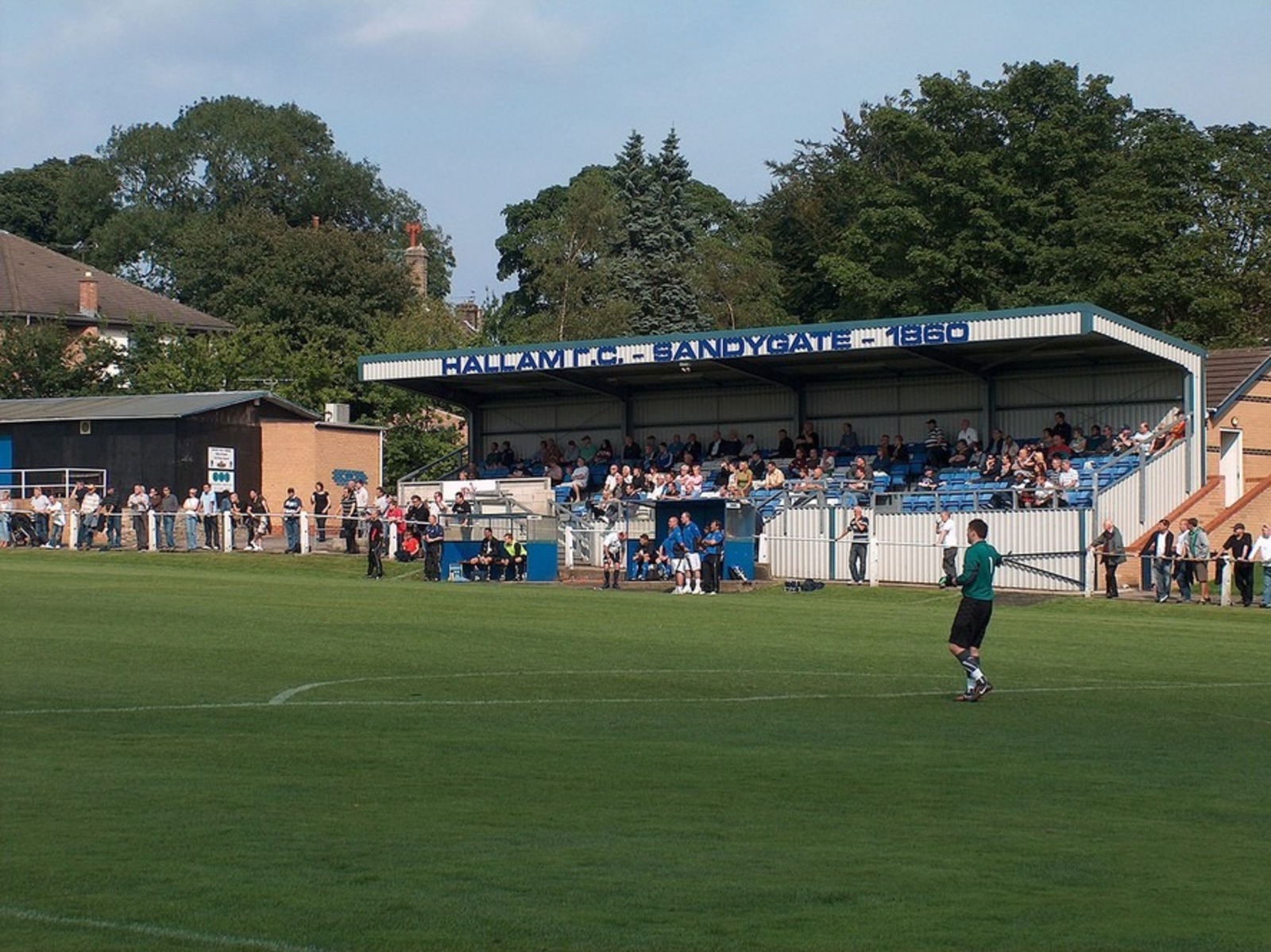
Inaugurated in 1804 and Located in Sheffield, Sandygate Road Stadium Is the Oldest Football Ground in the World Still in Use, Symbol of the Origin of the Sport and the Centuries-Old Passion of English Fans
Located in Sheffield, England, Sandygate Road is recognized as the oldest active football stadium in the world. Home to Hallam F.C., it preserves a centuries-old tradition, uniting past and present in every match played on its pitch.
A Milestone in the Birth of Football
Inaugurated in 1804, the venue was originally used for cricket matches. Only decades later did it become a symbol of modern football.
The date of December 26, 1860 marked a historic moment: it was there that the first official match between clubs took place, when Hallam F.C. faced Sheffield F.C., considered the oldest club in the world.
-
Friends have been building a small “town” for 30 years to grow old together, with compact houses, a common area, nature surrounding it, and a collective life project designed for friendship, coexistence, and simplicity.

-
This small town in Germany created its own currency 24 years ago, today it circulates millions per year, is accepted in over 300 stores, and the German government allowed all of this to happen under one condition.

-
Curitiba is shrinking and is expected to lose 97,000 residents by 2050, while inland cities in Paraná such as Sarandi, Araucária, and Toledo are experiencing accelerated growth that is changing the entire state’s map.

-
Tourists were poisoned on Everest in a million-dollar fraud scheme involving helicopters that diverted over $19 million and shocked international authorities.


The Guinness Book of Records officially recognized Sandygate as the oldest stadium still in operation in the 2000/2001 season. This recognition cemented the stadium’s importance in the history of the sport.

Small in Size, Giant in Tradition
With a capacity of around 1,300 spectators, of which only 250 are seated, the stadium is modest compared to large modern venues.
However, its atmosphere is unique. Spectators watch the games close to the pitch, surrounded by simple stands and an environment that exudes history.
Stadium Modernization with Respect for the Past
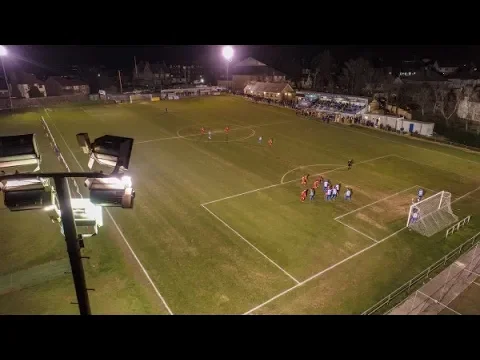
Sandygate has undergone some improvements over time. In 1992, it gained floodlighting.
Between 1999 and 2000, it received new stands and renovated changing rooms. Despite the changes, the charm and original spirit of the stadium remain preserved, keeping alive the legacy of more than a century of football on English soil.
With information from Gazeta do São Paulo.
You May Also Like: The Largest Ghost Stadium in the World, Abandoned for 15 Years, Receives Over R$ 2 Billion Investment and Now Has a Date Set for Inauguration

After more than 15 years of inactivity, the so-called “ghost stadium” of Valencia finally has a date to come to life. The Spanish club announced that it has resumed construction of the New Mestalla, its future home, thanks to funding of 322 million euros — equivalent to over R$ 2 billion.
The amount will be lent by investment bank Goldman Sachs. The club plans to repay the loan with the sale of the land where the old Mestalla stadium currently stands, which will be deactivated as soon as the new arena is inaugurated.
New Home with Capacity for 70,000 Fans
The project envisions a modern stadium, with over 70,000 seats, nearly 10% of which will be designated for boxes.
In addition to football matches, Valencia intends to use the space for entertainment events, which can generate new income and boost local tourism.
The club has set 2027 as the year for the official inauguration. The expectation is that the New Mestalla will host matches of the 2030 World Cup, which will have Spain among the host countries.
Ongoing Construction and Restart
Currently, construction is focused on the foundation of the first ring of stands. Old walls have been demolished as they no longer fit the revised project, and new structures have begun to rise.
Moreover, the construction of internal partitions and the first pieces of the façade is progressing rapidly.
After years of abandonment and financial difficulties, Valencia is beginning to see its dream materialize — brick by brick.
The History of the Ghost Stadium Mestalla
The story of the New Mestalla is also the story of one of the greatest frustrations and hopes in Spanish football. The original project was born in 2007 when Valencia was experiencing a period of sports and financial stability.
The plan was ambitious: to build an ultramodern stadium with bold design, sustainable structure, and capacity for more than 75,000 people — the largest private stadium in Spain.
Construction began with enthusiasm, but a few years later the scenario changed drastically.
The Club Felt the 2008 Crisis
The global economic crisis of 2008 hit the club hard, and it found itself unable to maintain the construction pace.
Debts accumulated, sponsorships disappeared, and the construction site was overtaken by rust and weeds.
What should have been a symbol of modernity became an urban skeleton in northern Valencia, surrounded by fencing and silence.
The Nickname “Ghost” Emerges
It was during this period that the stadium earned the nickname “ghost.” The unfinished structure became a constant reminder of the club’s financial collapse.
For over a decade, the site received only sporadic visits from curious onlookers, photographers, and nostalgic fans who, caught between pride and disappointment, saw the exposed concrete as a portrait of what Valencia could have been.
The project was revised several times. Architects and engineers had to adapt the original design to the new economic reality.
The grand concept gave way to a more functional proposal focused on energy efficiency and reduced costs.
The current design maintains modern lines but prioritizes sustainability: solar panels, water reuse systems, and recyclable materials are among the priorities.
The recent restart is, therefore, not just a matter of infrastructure, but of identity. The New Mestalla represents Valencia’s desire to reinvent itself after years of turbulence.
According to the club, the stadium is set to become a multipurpose center, ready to host not only football matches but also major shows and international events, solidifying Valencia as one of the sports and cultural capitals of Europe.
With funding secured and machinery back on the site, what was once a symbol of abandonment is now returning to be a symbol of hope. The “ghost” is finally coming back to life.
With information from NSC Total.









-

-

-

-

-

-

101 pessoas reagiram a isso.