





 Portuguese
  English
  Spanish
 3 min of reading
  0 comments


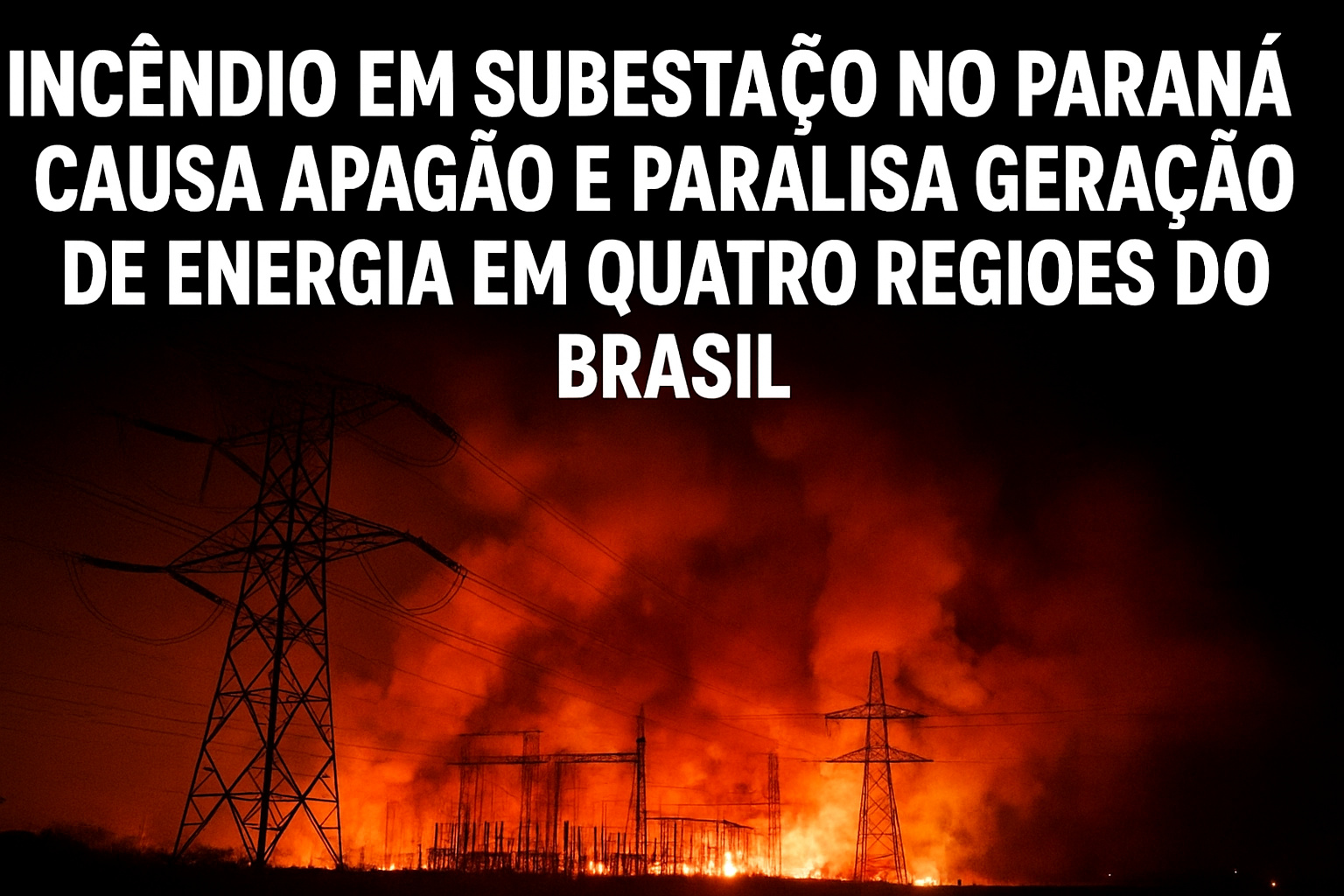
Fire at Substation in Paraná Causes Blackout in Brazil, Interrupts Power Generation and Triggers Emergency Action by ONS.
Fire at Substation Causes Large-Scale Blackout in Brazil
A fire in a reactor at the Bateias Substation, in Paraná, caused a blackout of large proportions in several regions of Brazil during the early hours of Tuesday (14). ONS identified the incident as the main circumstance that caused the accident and interrupted power generation in four subsystems of the country.
The failure occurred around midnight and shut down the entire 500 kV unit, directly affecting the interconnection between the South and Southeast/Central-West regions. As a result, the blackout interrupted approximately 10,000 MW of load across the national territory.
Four Regions Suffered from the Blackout
The blackout impacted all subsystems of the National Interconnected System (SIN) — South, Southeast/Central-West, Northeast, and North.
-
Equatorial adopts new national number for consumer units on electricity bills starting in April, following ANEEL standards and modernizing energy bills in several states.
-
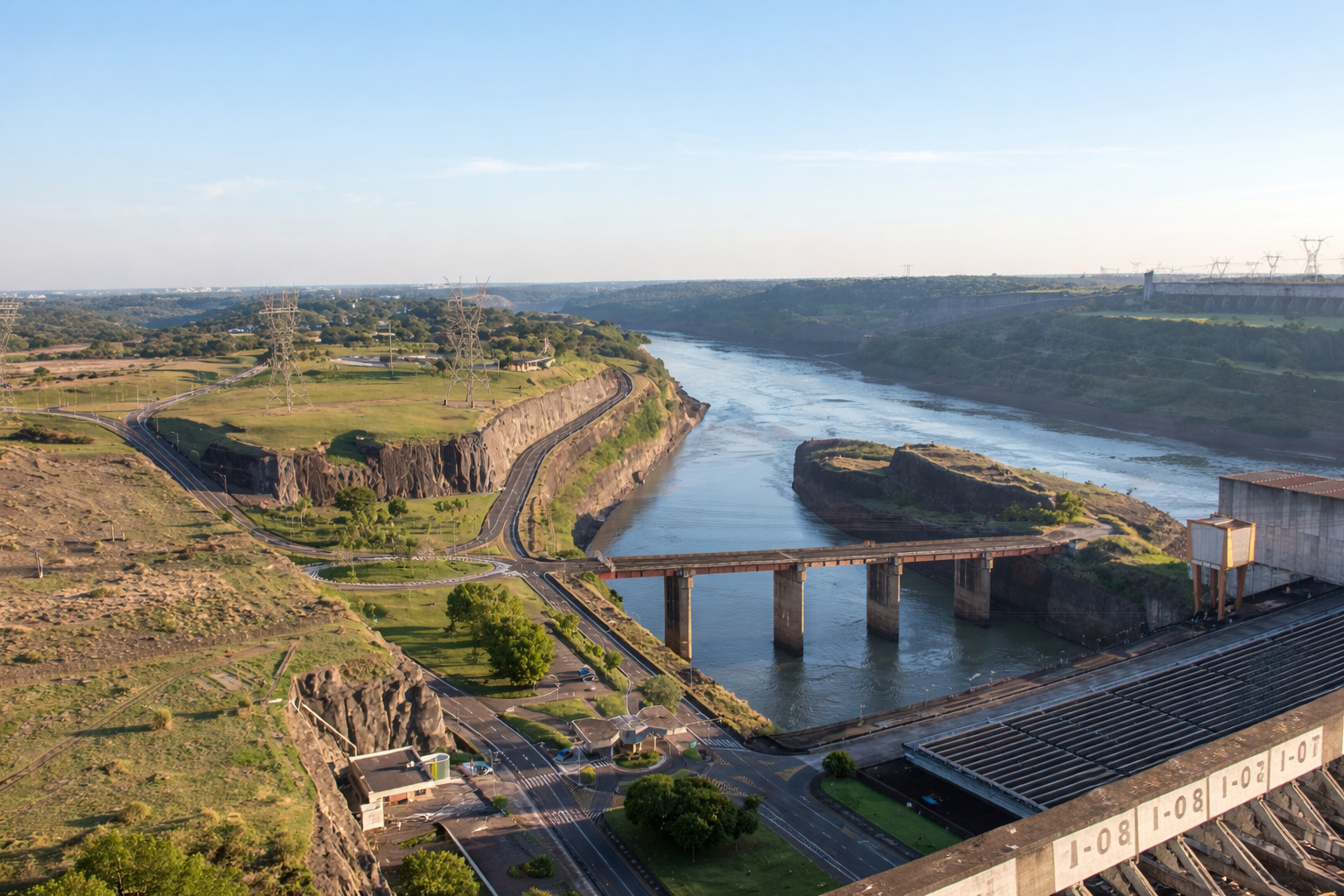
Itaipu Impresses the World: Hydroelectric Plant with 20 Turbines and 14,000 MW Generates Over 2.9 Billion MWh and Leads Global Clean Energy Production
-
Aneel Revokes CMAA Thermal Power Plants After Network Restrictions and Excess Energy in the System
-
13-Year-Old Scientist Creates Clean Energy Device For Just R$ 16, Wins $25,000 Prize And Surprises The World With Affordable Solution


According to ONS, the losses were distributed as follows: 1,600 MW in the South, 1,900 MW in the Northeast, 1,600 MW in the North, and 4,800 MW in the Southeast. At the time of the accident, the South region was exporting about 5,000 MW to other areas of the country, which further increased the impacts of the interruption.
As soon as it identified the problem, ONS immediately started actions to restore the system. By around 1:30 AM, power supply returned safely in the North, Northeast, and Southeast/Central-West regions. However, in the South, full normalization only occurred around 2:30 AM.
ONS Calls Emergency Meeting to Discuss Blackout
In addition, ONS called an emergency meeting on Tuesday (14) with the main agents of the electric system to assess the consequences of the blackout and define preventive measures.
During the meeting, the agency shared technical and operational details with the energy utilities, allowing for strategies to be defined quickly.
In a statement, ONS informed that it will present the Disturbance Analysis Report (RAP) by Friday (17), detailing the circumstances of the accident and its repercussions on power supply across the country.
Ministry of Mines and Energy Monitors the Case
The Ministry of Mines and Energy has been monitoring the incident since the first minutes of the blackout. Federal government technicians worked with ONS to immediately assess the risks of new accidents.
In an official statement, the agency declared: “We are taking all necessary measures to restore the system as quickly as possible.” It also stated that it will present all details in the technical report, prepared in partnership with the agents of the electric sector.
Power Generation Exposes Vulnerabilities in the Electric Grid
The episode also exposed vulnerabilities in the power generation of Brazil, especially in strategic interconnections between regions. Experts highlighted that, although the grid is robust, failures at critical points can lead to large-scale blackouts.
After the restoration of supply, ONS intensified preventive monitoring, ensuring that new failures were quickly detected and contained.
Technical Report Will Be Critical
Finally, the Disturbance Analysis Report (RAP) will play a central role in preventing future blackouts. Based on the collected data, ONS and the utilities will implement operational adjustments and more efficient safety strategies.









-

Uma pessoa reagiu a isso.