





 Portuguese
  English
  Spanish
 5 min of reading
  0 comments


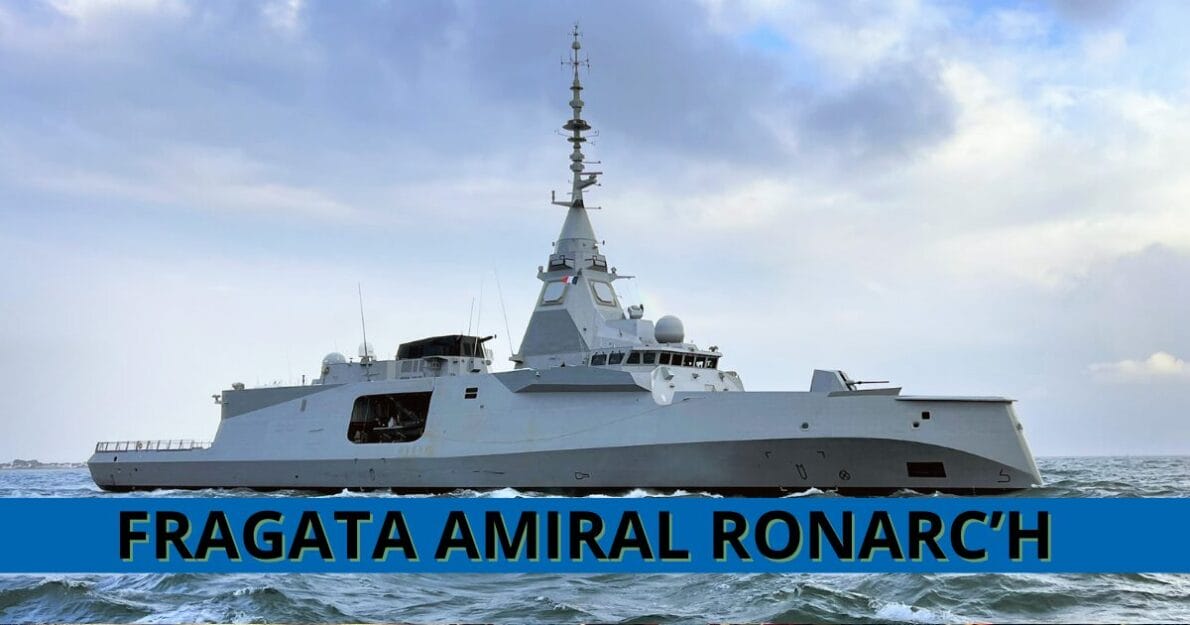
With The Frigate Amiral Ronarc’h, The French Navy Enters A New Era Of Naval Security. The Ship, Equipped With Advanced Technology, Has Begun Its Tests At Sea And Promises To Be A Revolution In The Military Field, Prepared To Face Everything From Cyber Threats To High-Intensity Combat.
The technological race in the military field has just gained a new protagonist that promises to redefine the concept of maritime security.
What seemed like something out of a science fiction movie is beginning to become reality with France’s latest and most powerful weapon, the frigate Amiral Ronarc’h.
But what does this imposing ship bring that is so revolutionary? What is being tested in the waters of Brittany could transform the future of naval defense worldwide.
-
The U.S. Army receives the first Black Hawk helicopter that can fly without pilots, be controlled by a tablet, and even land on its own during high-risk missions.

-
With 11,000 tons and sensors capable of hunting submarines at long distances, the Type 055 has become one of the most feared floating arsenals of the Chinese navy.

-
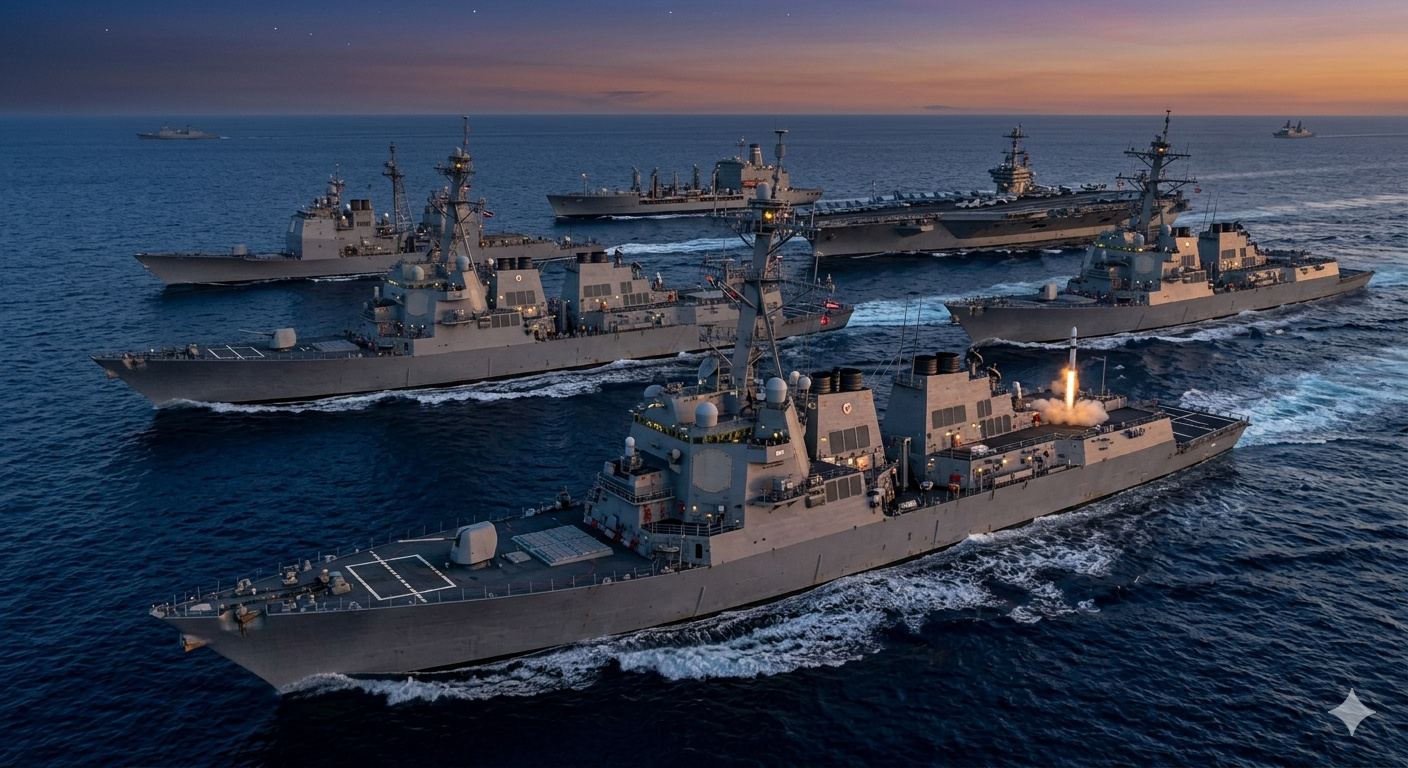
With over 15,000 tons, radars capable of tracking hundreds of targets simultaneously, and more than 120 missiles ready for launch in seconds, modern destroyers cease to be escorts and begin to dominate the naval battlefield.
-
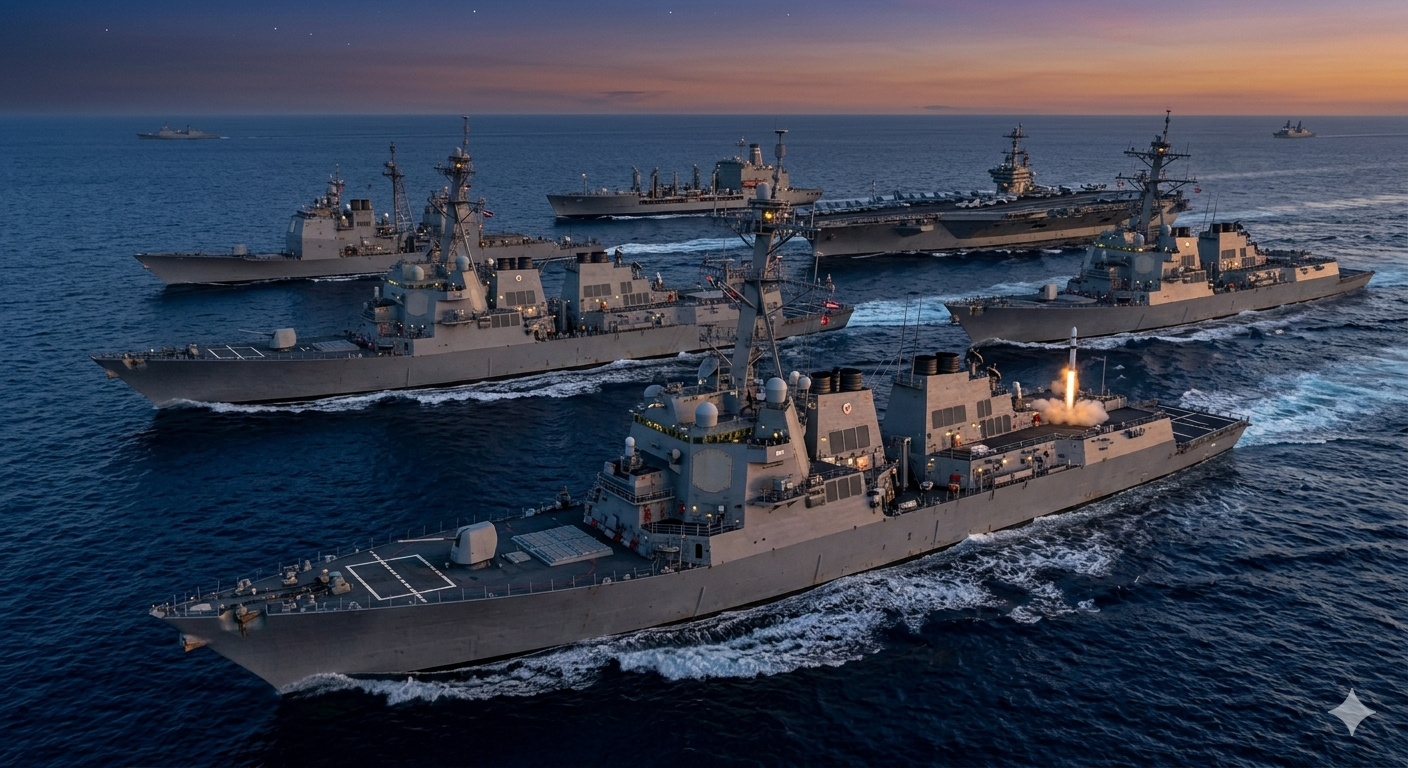
With over 15,000 tons, radars capable of tracking hundreds of targets simultaneously, and more than 120 missiles ready for launch in seconds, modern destroyers cease to be escorts and begin to dominate the naval battlefield.

What do you need to know about the vessel that is already being described as one of the most advanced in naval history?
According to the portal Poder Naval, on the last day of October 7, 2024, the Amiral Ronarc’h began its at-sea tests, marking a new era for frigates of defense and intervention (FDI).
Destined for the French Navy, this frigate, built by the renowned Naval Group, is the first of a series that will be operated by both France and Greece.
The testing process is not just a common step in the development of military vessels; it represents the debut of a new military technology that promises to elevate the level of protection against various threats, from cyber attacks to high-intensity combat.
A Crucial Phase: What Is Being Tested?
The first tests of the frigate Amiral Ronarc’h are being conducted from the Naval Group shipyard, located in Lorient, Brittany.
But unlike other tests, which usually focus solely on navigation and propulsion, here the focus is much deeper and more detailed.
In addition to testing the vessel’s displacement capability, the French Navy is assessing the ship’s combat system in real situations at sea, a crucial step to ensure that the frigate is ready to handle any threat.
The impact of these tests goes beyond the Amiral Ronarc’h. As the first unit of the FDI program, its results will provide essential feedback for future vessels of the French Navy and the Hellenic Navy.
In other words, each detected failure, each necessary adjustment, will serve to improve the other frigates ordered.
The FDI: A Technological Giant Ready For Battle
What makes the Amiral Ronarc’h so special and revolutionary? To start, it is much more than just a warship.
This frigate is a true floating technological hub, developed with the most advanced digital tools of the time.
Its ability to quickly adapt to new threats and challenges that arise on the battlefield is one of its greatest assets.
The FDI is capable of operating both independently and integrated into a fleet, ensuring flexibility in combat operations.
Whether against aerial targets, submarines, surface ships, or even in special forces projection situations, the frigate is equipped with cutting-edge technology to handle any scenario.
Among its armaments are Exocet MM40 missiles for anti-ship combat, ASTER missiles for air defense, and MU90 torpedoes for neutralizing submarines.
But the true differentiator lies in its digital architecture. For the first time, a frigate has a native cyber structure, prepared to face and mitigate virtual threats.
This means the ship can combat not only visible enemies but also invisible attacks that may occur via cyberspace.
The redundancy in the IT system, composed of two data centers, is one of the project’s significant advantages, ensuring the security of its digital operations.
Operational Innovation: Combatting New Threats
One of the most innovative concepts introduced by the frigate Amiral Ronarc’h is the portal dedicated to combating asymmetric threats.
This means that the frigate was designed to handle threats that do not follow the traditional combat pattern, such as drones or small armed boats.
In situations where threats arise unexpectedly and in hard-to-reach areas, the FDI will be able to respond with precision and agility, coordinating its actions to quickly neutralize these dangers.
Firepower And Projection Capability
In addition to its defense and combat capabilities, the frigate also possesses a significant capacity for special forces projection.
With space to transport a heavy helicopter, such as the Caïman Marine, and even aerial drones, the Amiral Ronarc’h can be used in missions that involve reconnaissance and support for special military operations.
Its autonomy for up to 45 days without refueling ensures it can operate on prolonged missions, increasing its strategic value.
Naval Group: A Giant In Naval Defense
Behind this innovation is Naval Group, one of the biggest names in the naval defense sector in the world. With a presence on five continents and an annual revenue that exceeds 4 billion euros, the company has been essential for the technological advancement of countries seeking to protect their maritime borders.
The success of the Amiral Ronarc’h is also a reflection of Naval Group’s commitment to continuous innovation, which meets the growing security needs in an increasingly volatile world.
What Can We Expect In The Future?
With France and Greece at the forefront of this new frigate program, what can we expect for the future of naval defense? How can this new technology alter the balance of power at sea? The Amiral Ronarc’h is just the beginning of a new era of military vessels, or will other countries follow suit and seek to develop their own digital and cyber-secure frigates? The fact is that the naval race has just gained new speed, and the seas are more technologically advanced than ever.
And you, do you think this technological revolution will be enough to maintain naval security in increasingly unpredictable times?








Seja o primeiro a reagir!