





 English
  Francês
  Alemão
  Italiano
  Japonês
  Norueguês
  Portuguese
  Spanish
  3 min of reading
  1 comment


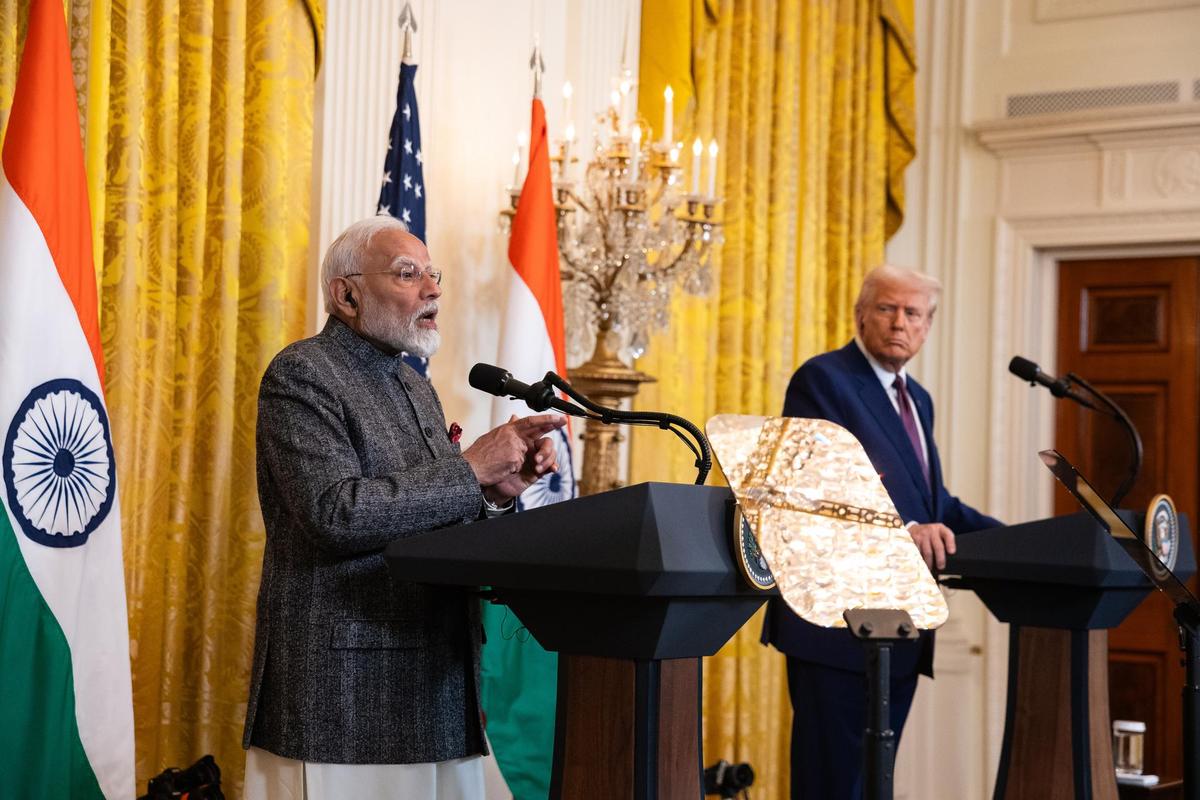

U.S. President Said Decision Was Confirmed by Modi, But Stressed That The Cessation Will Not Be Immediate
The President of the United States, Donald Trump, stated on October 15, 2025 that the Prime Minister of India, Narendra Modi, has decided to gradually cease purchases of Russian oil.
The information, released by CNBC, represents a strategic shift in India’s energy policy, historically dependent on crude oil from Russia since the beginning of the war in Ukraine.
According to Trump, Modi assured that India will stop buying Russian oil, describing the measure as “a major cessation”.
He stated: “Now we need to get China to follow the same path.”
Even so, Trump emphasized that the cessation will not be immediate and that there will be “a small process” until full implementation.
Growing Pressure from The U.S. on New Delhi
During a press conference at the White House, Trump expressed dissatisfaction with India’s continued imports of Russian oil.
He stressed that the practice strengthens Moscow in its “ridiculous war” in Ukraine.
Despite this, the U.S. President avoided setting a specific timeline and highlighted that the measure will require complex diplomatic negotiations.
-
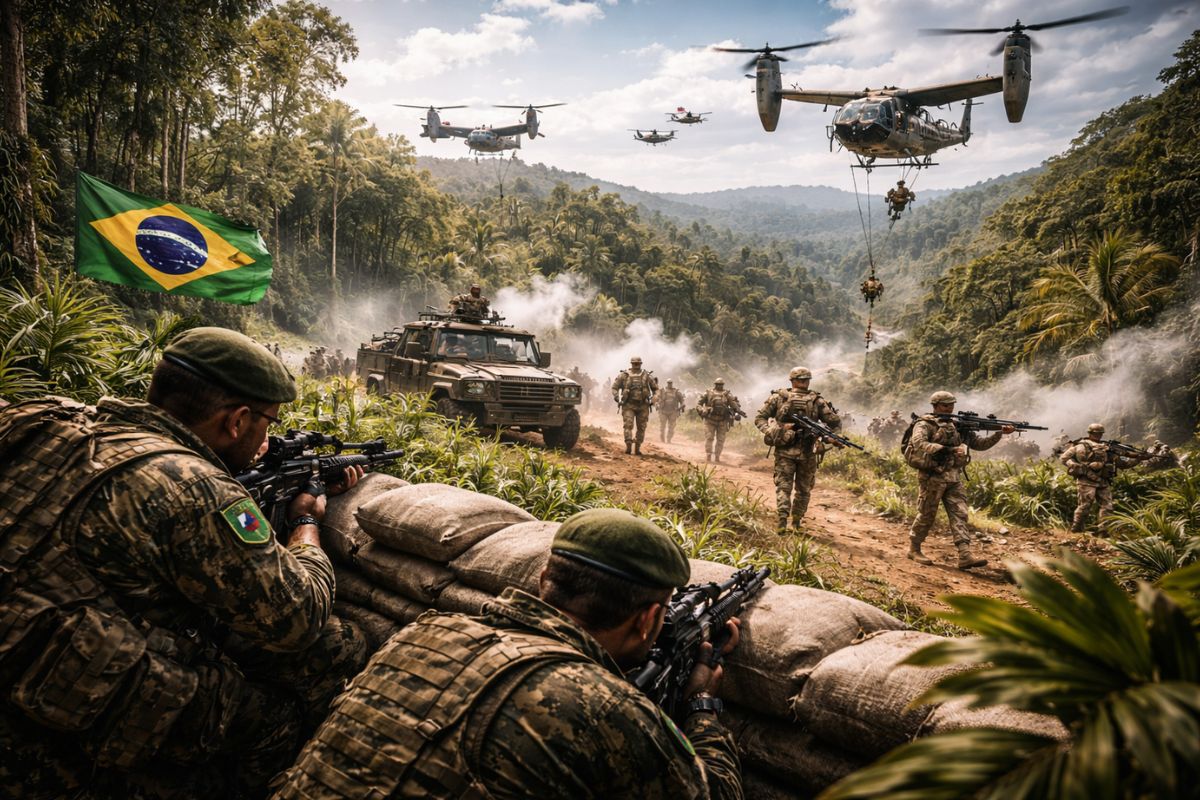
If the USA were to go to war with Brazil, Washington’s greatest fear would not be the attack itself, but facing a vast territory, prolonged resistance, and a costly, chaotic, and unpredictable occupation.
-
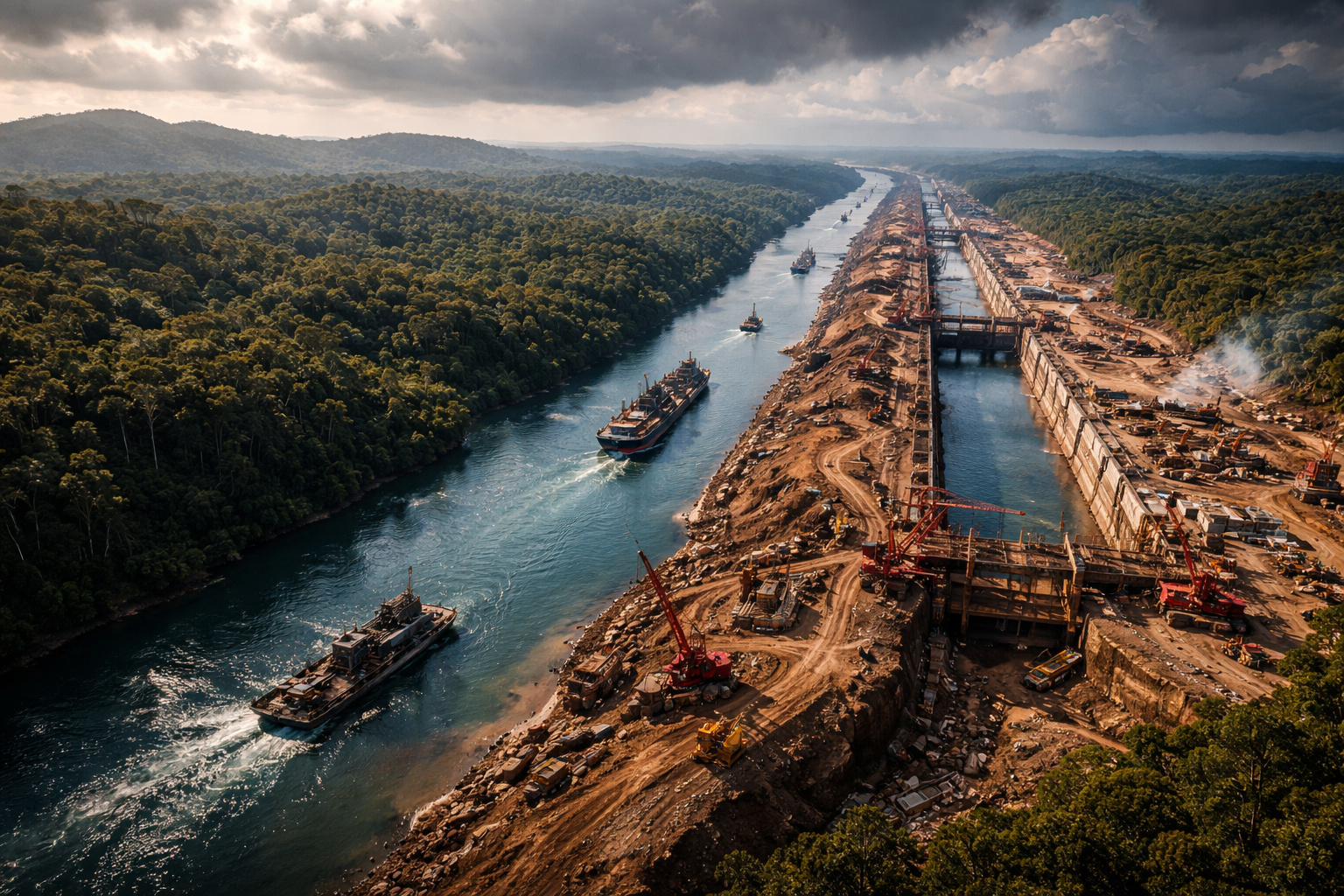
In 2013, Nicaragua sold the concession for a canal to rival Panama to a Chinese billionaire who lost 85% of his fortune, disappeared, and was declared bankrupt. Now the project resurfaces with a new route, a new Chinese partner, and a cost of $64.5 billion.
-
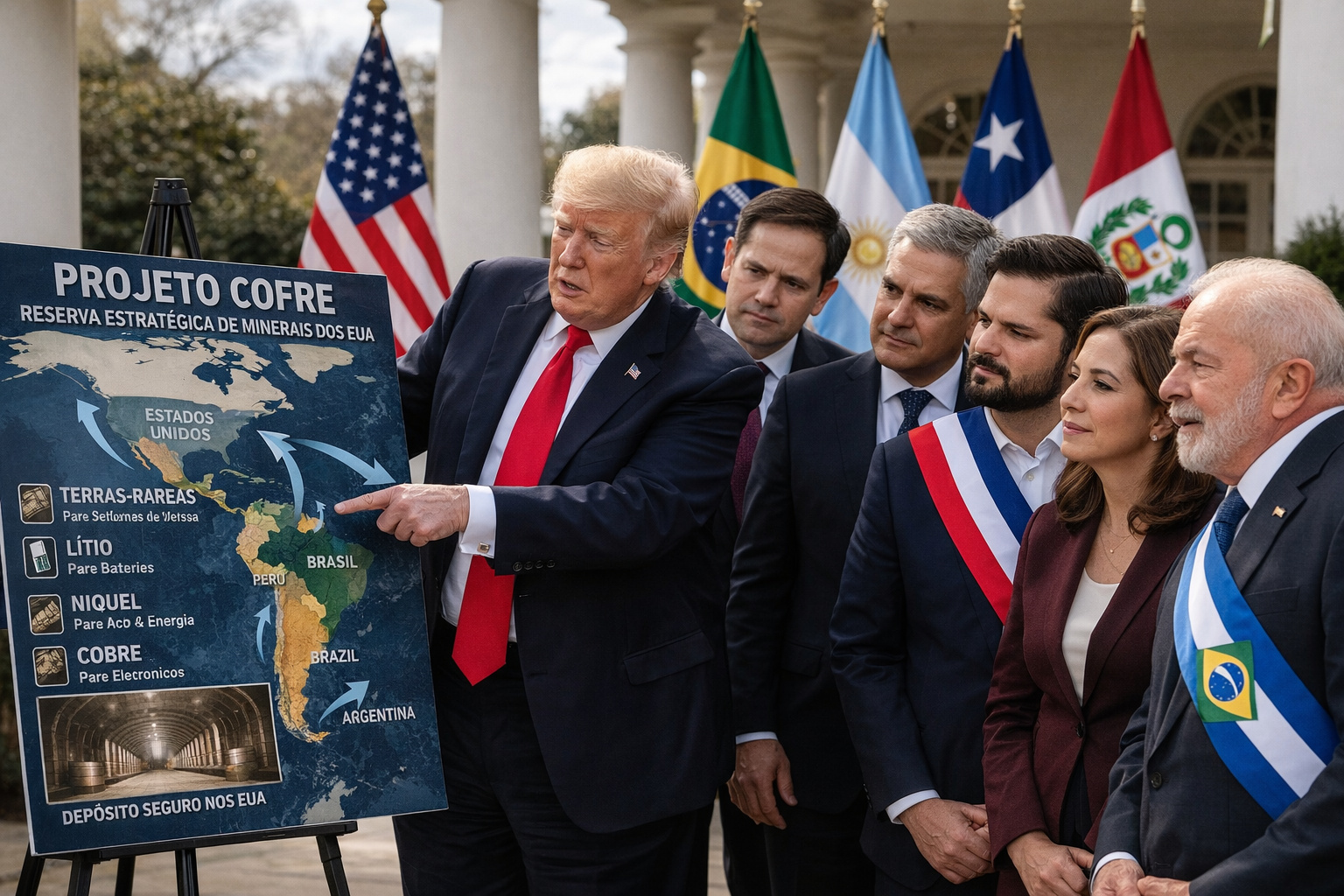
The USA announces a mysterious billion-dollar vault project to store critical minerals, but what intrigues experts is not just the plan itself, but why Latin America, including Brazil, has entered the center of this global dispute against China.
-
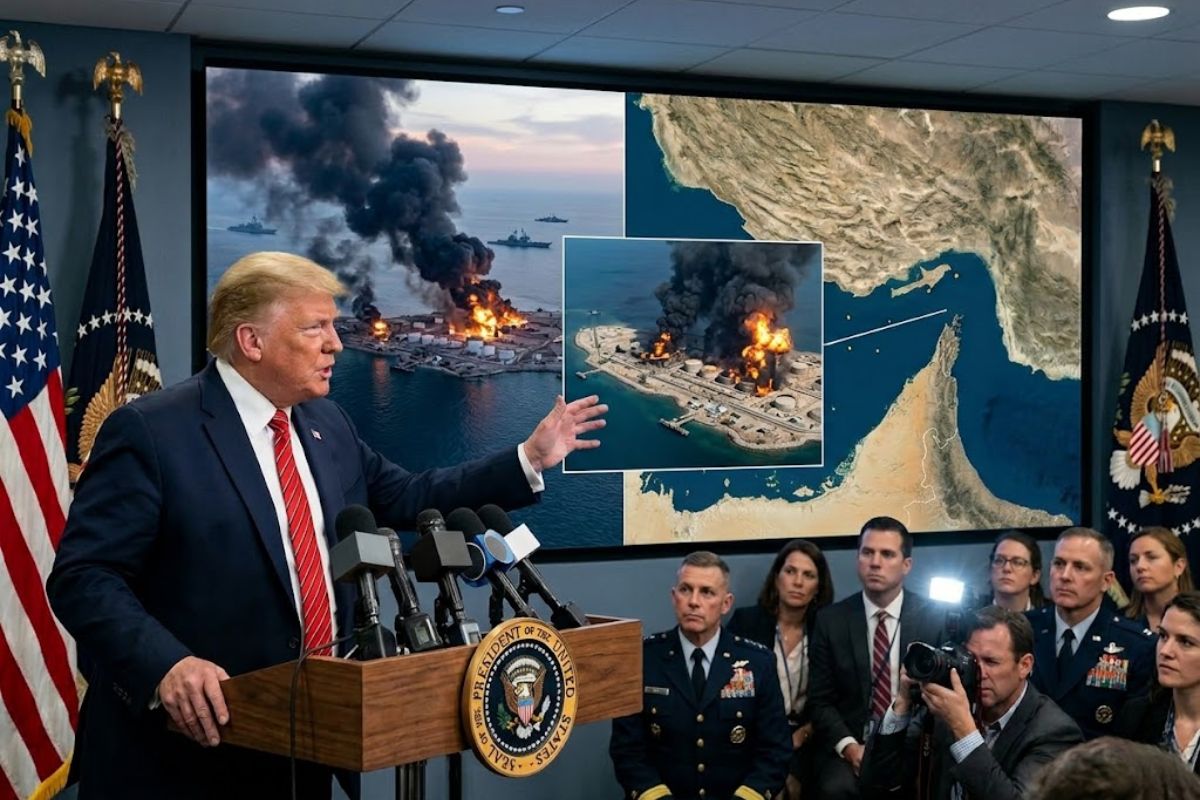
Trump Announces Bombing of U.S. Military Targets on Iranian Island Responsible for About 90% of Iran’s Oil Exports, Warns of Further Attacks if Navigation in Strategic Strait of Hormuz Is Threatened

Additionally, the White House has been intensifying pressure on New Delhi to reduce dependence on Russian oil.
In August 2025, Trump imposed additional tariffs of 25% on Indian products, raising the total tax burden to 50%.
The decision, according to the U.S. government, aims to force Indian alignment with Western sanctions against Moscow.
India Justifies The Decision With Focus on Consumers
On October 10, the Ministry of External Affairs of India declared that decisions regarding oil imports reflect efforts to protect consumers and ensure stable energy prices.
Spokesperson Randhir Jaiswal explained that the priority is to “safeguard the interests of the Indian consumer in a volatile energy scenario.”
He also emphasized that India has been expanding energy trade with the United States.
According to Jaiswal, “this progress has been occurring steadily over the last decade.”
The representative added that negotiations are ongoing and that the current government intends to deepen energy cooperation with Washington.
Global Energy Landscape in Transition
According to data from Kpler, released by CNBC, Russia exports about 3.35 million barrels of oil per day.
Of that amount, 1.7 million go to India and 1.1 million to China.
This dependence has solidified New Delhi as one of the largest buyers of Russian oil in the world, which has been a concern for Western allies since 2022.
Although the transition may take time, analysts consulted by CNBC indicate that the Indian decision could alter the balance of the international energy market.
Additionally, it could pressure global barrel prices.
Trump, however, emphasized that negotiations between Washington and New Delhi will continue in a spirit of cooperation.
According to him, “India has been a reliable and strategic partner.”
Expected Impacts on The Market and International Diplomacy
The cessation of Indian purchases of Russian oil is likely to modify trade flows between Asia and Europe.
This should occur primarily if China maintains its current pace of imports from Moscow.
Experts assess that this reorientation could benefit alternative exporters, such as the United States, Saudi Arabia, and the United Arab Emirates.
Additionally, the move should increase U.S. influence over the South Asian energy market.
With India’s new position, Washington reinforces its strategy to economically isolate Moscow.
At the same time, New Delhi seeks to balance its energy interests amid growing geopolitical pressures.
Although the official timeline has yet to be released, it is estimated that the process will occur progressively throughout 2026, as India gradually replaces Russian oil with new suppliers.









Your writing has a way of making even the most complex topics accessible and engaging. I’m constantly impressed by your ability to distill complicated concepts into easy-to-understand language.