





 English
  Francês
  Alemão
  Italiano
  Japonês
  Norueguês
  Portuguese
  Spanish
  5 min of reading
  0 comments



India plans highest railway in the world in the Himalayas with 489 km, 74 tunnels and altitude of 5,360 m, but billion-dollar work has not started yet
In June 2020, Indian and Chinese soldiers clashed directly in the Galwan Valley, in the high Himalayas, at over 4,000 meters altitude. The episode left 20 Indians dead and marked the bloodiest confrontation between the two countries in 45 years. As the crisis unfolded, engineers from the Indian Ministry of Transport continued working on a strategic project initiated years earlier: a railway that, if completed, will connect the country to its most vulnerable border for the first time by rail. The Bilaspur–Manali–Leh railway will span 489 kilometers, cross four mountain passes above 3,900 meters, and reach altitudes of up to 5,360 meters.
The estimated cost is 1.31 lakh crore rupees, about $16 billion, making it the most expensive railway project in India’s history, according to an Indian newspaper. Even with the technical report completed in 2025, the main works have not yet started.
Bilaspur-Leh railway in the Himalayas will face extreme altitudes and unprecedented engineering challenges
The railway does not go around the Himalayas; it crosses the mountain range from end to end. The route starts at about 600 meters above sea level and rises to the Tanglang La Pass, at 5,360 meters altitude, surpassing any existing railway on the planet.
-
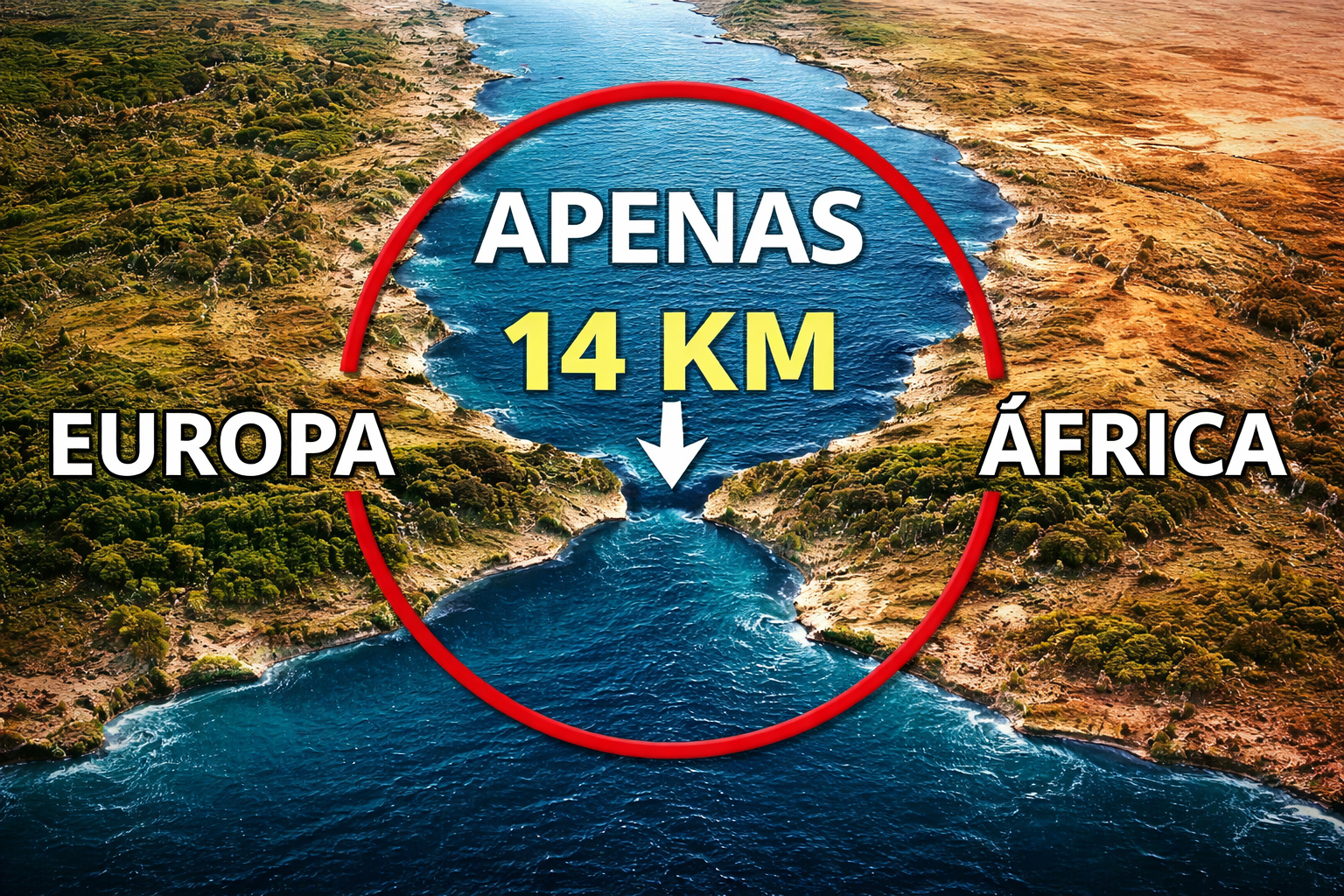
For 45 years, Spain and Morocco have been trying to connect Europe to Africa through a project of just 14 kilometers in the Strait of Gibraltar, and an active tectonic fault on the seabed continues to make the project nearly impossible.
-
Goodbye expensive water tank: residents replace traditional system with a cheaper and more efficient solution that reduces water consumption and reuses rainwater.

-
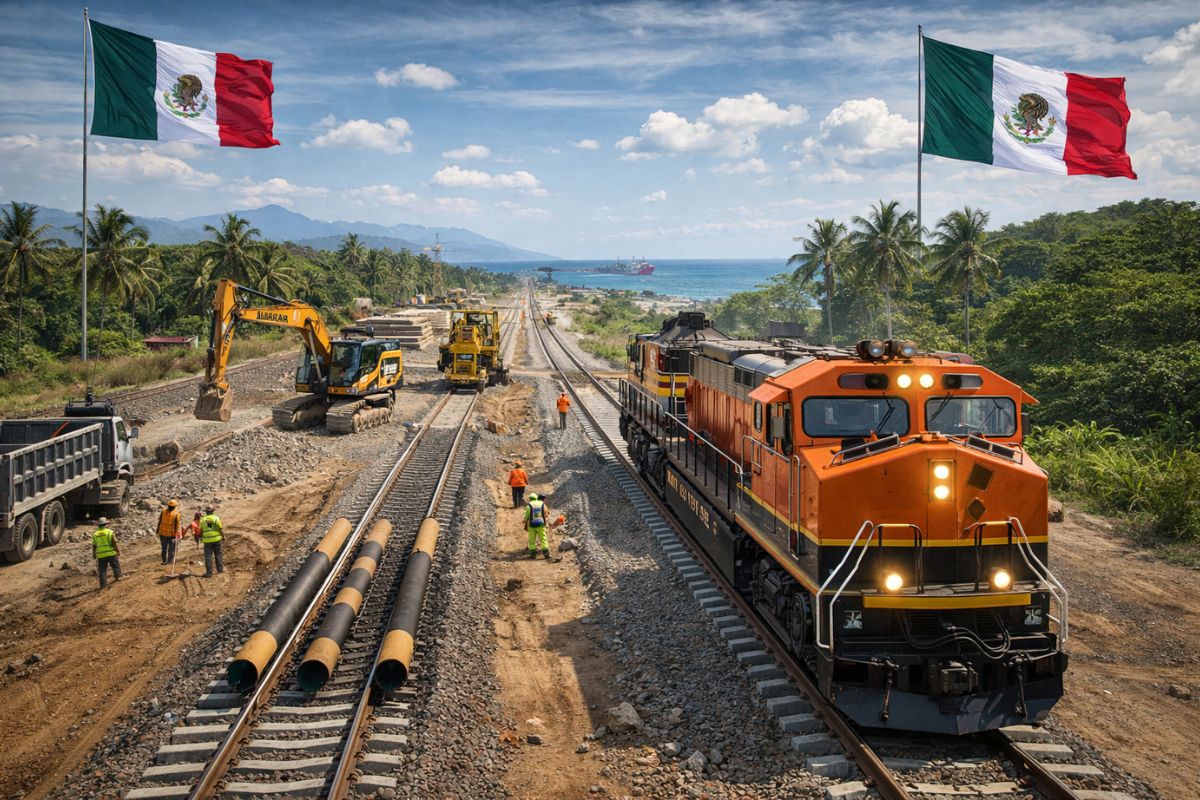
Mexico is building a 300-kilometer railway corridor that connects the Pacific to the Atlantic in just seven hours and wants to compete directly with the Panama Canal, which is already facing water scarcity issues.
-
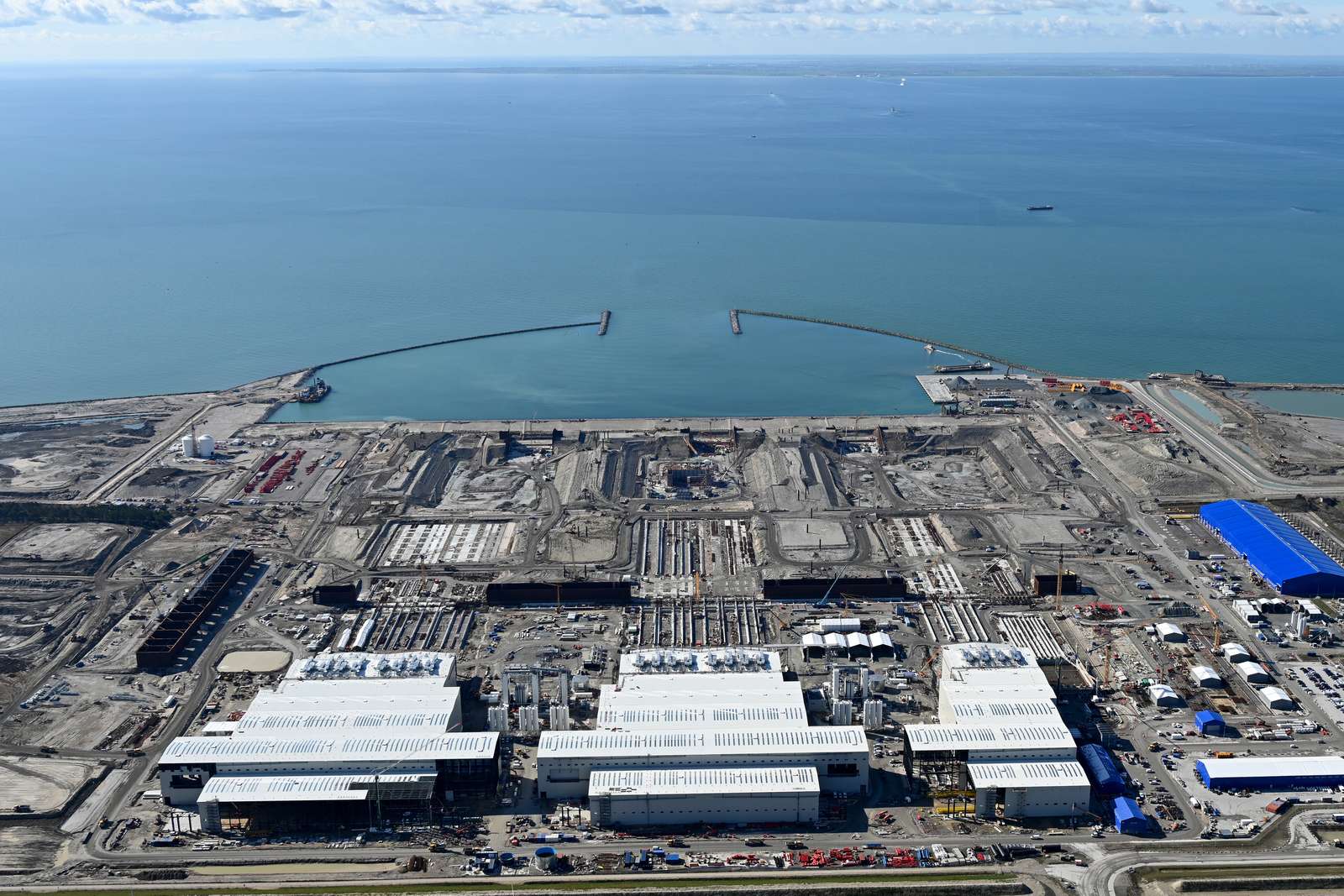
The largest tunnel module factory in the world was built from scratch on a beach in Denmark to produce 89 concrete blocks and will be demolished after the project: each structure weighs up to 10 times the Eiffel Tower and will be installed on the bottom of the Baltic Sea with an accuracy of 12 millimeters in a tunnel that will halve the travel time between Hamburg and Copenhagen.

For comparison, the Qinghai-Tibet railway in China, currently considered the highest in the world, reaches 5,072 meters. The Indian line would exceed this limit by nearly 300 meters.


The numbers of the project demonstrate the complexity of the work. There will be 74 tunnels totaling 244 kilometers, equivalent to 52% of the entire route. Additionally, 124 main bridges and 396 smaller bridges are planned. The largest tunnel will be 27 kilometers long and will house India’s first underground railway station, located at 3,000 meters altitude.
Altitudes above 5,000 meters require pressurized cars like airplanes
The extreme altitude creates challenges that go beyond structural engineering. The atmospheric pressure at altitudes above 5,000 meters is approximately half of that recorded at sea level, which can cause hypoxia in unacclimatized passengers.
To circumvent this problem, the trains will be equipped with pressurization systems similar to those used in commercial aircraft, as well as internal heating to withstand temperatures that can reach −40°C in winter.
The project does not foresee sleeper cars, as operation at extreme altitudes requires constant control of the internal environment. The proposal is to ensure physiological safety throughout the journey, even in severe environmental conditions.
Four Himalayan passes and snow for six months make the railway strategic for defense
The route follows the same corridor as the NH-3 highway, which is often blocked by snow for five to six months a year. The railway will have to cross the same natural obstacles: Rohtang La, Baralacha La, Lachulung La, and Tanglang La.

The only viable solution for these points is the construction of deep tunnels, eliminating direct exposure to extreme weather conditions. The Atal Tunnel, inaugurated in 2020 with 9 km, serves as a reference, but the new project is significantly more complex.
From a geopolitical perspective, the railway is seen as critical infrastructure. While China has connected Tibet by railway since 2006 and expanded its network to regions near the border, India still relies on roads and air transport to supply Ladakh.
Conflict with China accelerates strategic railway project in the Himalayas
The 2020 confrontation in the Galwan Valley highlighted a logistical asymmetry between India and China. The Chinese infrastructure allows for rapid mobilization of troops and equipment, while the Indian side faces seasonal limitations.
The construction of the DSDBO road had already partially reduced this disadvantage but also provoked Chinese reactions. The Bilaspur-Leh railway represents an even greater strategic leap, with a direct impact on India’s military response capability.
Analysts believe that the advancement of Indian infrastructure is likely to generate new geopolitical responses, reinforcing the importance of the railway as a national strategic asset.
The Himalayas are a young and unstable mountain range, with high seismic and geological risk
The biggest challenge of the project is geological. The Himalayas are a young mountain range, still forming, resulting from the collision between the Indian and Eurasian tectonic plates.
This dynamic generates constant seismic activity. The entire route of the railway is located in high seismic risk zones, requiring structural solutions capable of withstanding ground deformations.
Additionally, there is the presence of seasonal permafrost, landslides, avalanches, and extreme weather events associated with the monsoons. These conditions make the construction and maintenance of the railway significantly more complex.
India’s most expensive railway project faces political, environmental, and logistical hurdles
Despite being approved in 2015, the project has not yet progressed to the main construction phase. The technical report was only completed in March 2025, after years of studies.
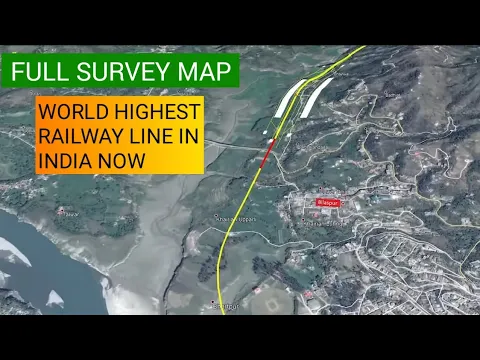
Execution depends on multiple approvals: financing, environmental licensing, land acquisition, and coordination among different ministries. The project requires about 2,200 hectares of land, including sensitive forest areas.
Political issues have also arisen, such as the participation of foreign companies in technical surveys, which raised national security concerns.
Initial section is under construction, but main railway has not yet begun
The initial section between Bhanupli and Bilaspur, measuring 63 kilometers, has been under construction since 2019 and is expected to be completed by 2027. This section represents only the preliminary phase of the project.
The main part, which crosses the Himalayas to Leh, still depends on final investment decisions and approval. This is the most complex and expensive stage, responsible for practically all the difficulty of the project.
If completed, the railway will reduce the travel time between Delhi and Leh from approximately 40 hours by road to about 10 hours by train, operating year-round.
This would completely transform the logistics of the region, allowing continuous transport of people, supplies, and military equipment, regardless of weather conditions.
Currently, the supply of Ladakh depends on seasonal windows and, during winter, on air transport.
India has not yet defined when the highest railway in the world will begin construction
The Bilaspur-Leh railway project encompasses all the necessary elements: technical planning, estimated financing, political support, and strategic relevance. However, it still does not have a defined date for the start of the main works.
China has been operating its railway at extreme altitudes since 2006 and continues to expand its infrastructure in the region. India, on the other hand, is still in the preparation phase to begin construction.
The project exists, resources are planned, and the need is clear. What still does not exist is the definitive timeline to turn the plan into the highest railway in the world in operation.










Seja o primeiro a reagir!