





 Português
  Inglês
  Espanhol
  2 min de leitura
  0 comentários


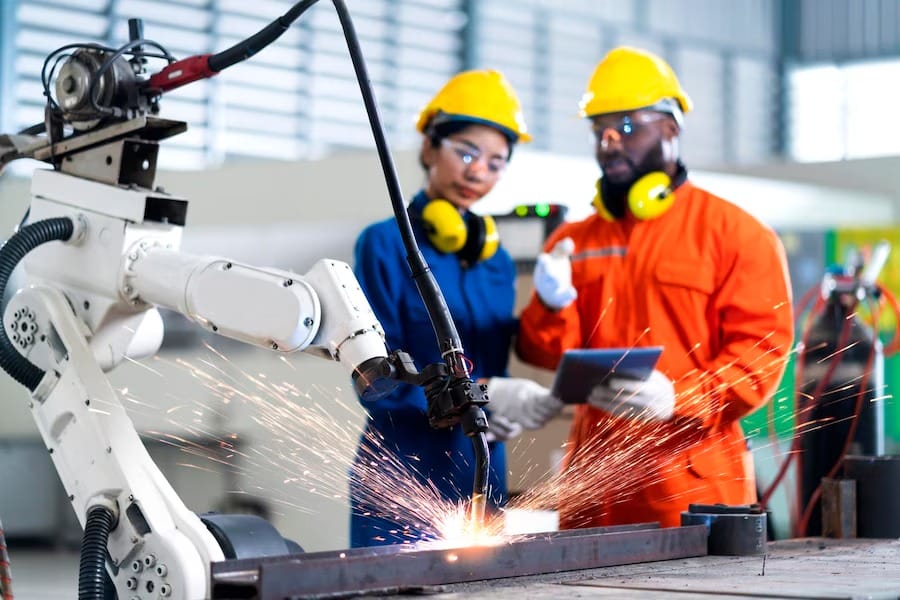
Technological Advances Drive Efficiency in Manufacturing
Industry 4.0 is radically transforming the field of industrial automation, introducing new technologies that make manufacturing processes more efficient and intelligent. This technological movement is not only changing the face of factories around the world but also how companies operate and compete in the global landscape. The ability of machines to communicate and perform real-time data analysis is opening new pathways to an era of advanced production.
The Rise of the Internet of Things and Artificial Intelligence
The advent of Industry 4.0 is revolutionizing industrial automation with a series of technological innovations. The Internet of Things (IoT), for example, enables continuous data collection through smart sensors and connected devices, facilitating remote monitoring and control of machine operations. Meanwhile, cloud computing provides the foundation for large-scale data storage and processing, enabling complex analyses and strategic decision-making in real time.
Artificial Intelligence (AI) and Machine Learning (ML) are essential in empowering systems to learn and automatically adapt, enhancing industrial processes and identifying patterns to improve efficiency. Furthermore, technologies such as Augmented Reality (AR) and Virtual Reality (VR) are providing workers with valuable information in real time, optimizing operational efficiency and facilitating predictive maintenance.
-
Historic bankruptcy of Centauro shocks the market, and the century-old company puts more than 500,000 products, machines, and complete infrastructure up for online auction.

-
New shoe factory in Ceará is expected to create 400 jobs and strengthen the local economy.

-
No one imagined it, but a mixture of sawdust with a mineral that fights fires surprises scientists with a result that changes the course of fire-resistant construction.

-
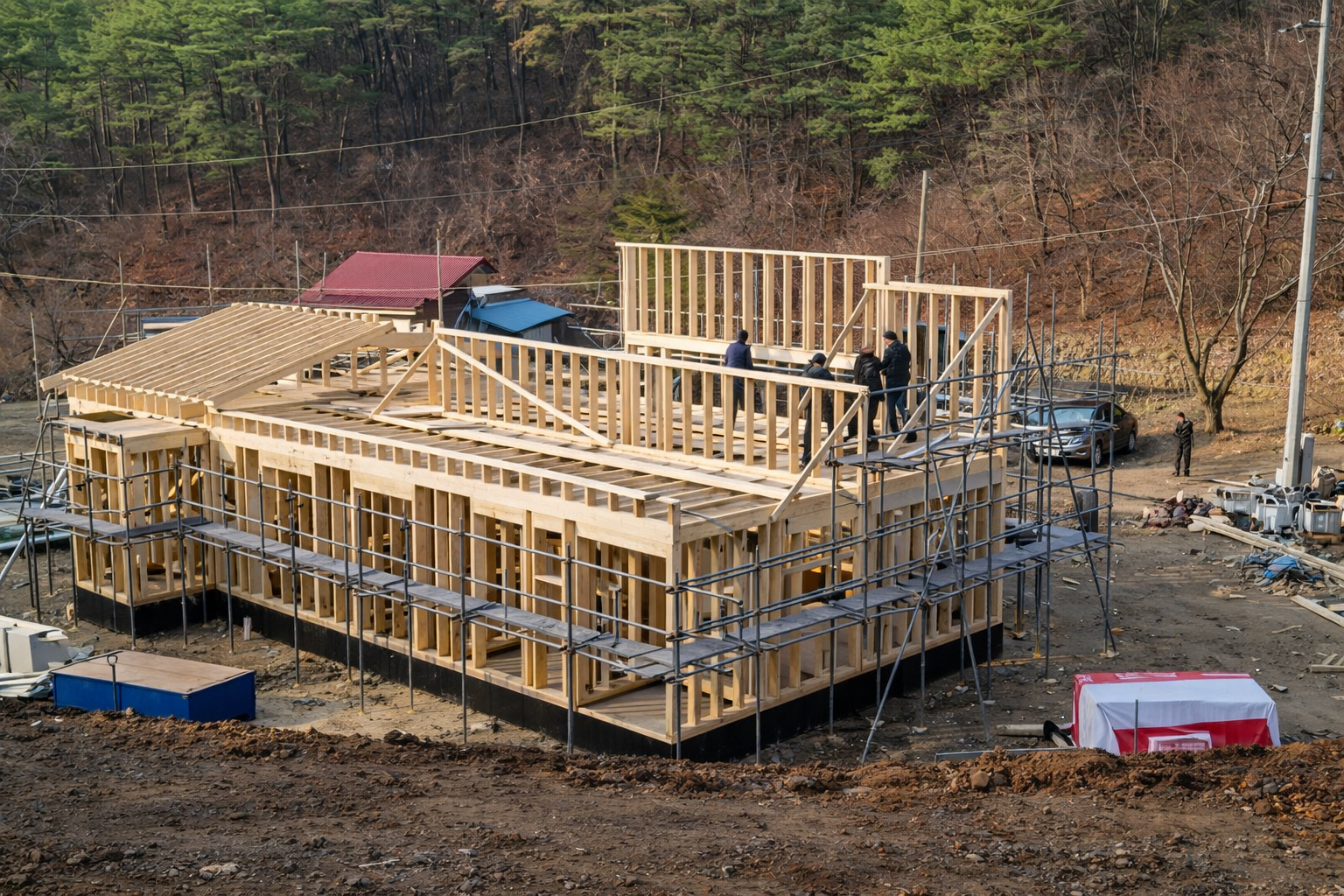
From empty land to a high-end house, wooden construction uses a lightweight system, metal structure for the foundation, ventilated ceramic cladding, and special windows to create an efficient and comfortable living space throughout the year.

Tangible Benefits of Smart Automation
The implementation of cyber-physical systems in industrial automation, a central facet of Industry 4.0, is significantly contributing to reduced downtime, increased productivity, and improved operational efficiency across various sectors. With real-time data analysis, it is possible to quickly detect and correct failures, ensuring higher quality production and less waste.
These technologies also enable process optimization and predictive maintenance, resulting in lower operational and maintenance costs and making companies more competitive. Flexible automation, a characteristic of Industry 4.0, also allows for smaller batch production and mass customization, effectively meeting customer demands.
Challenges and Perspectives for the Future of Industrial Automation
While Industry 4.0 offers numerous advantages, the adoption of its technologies also presents significant challenges. Integrating legacy systems with new technologies can be complex and costly, requiring a meticulous approach to ensure compatibility and interoperability. Increased connectivity also heightens the risk of cyberattacks, necessitating robust security measures to protect both systems and data.
The shift in employee mindset and acceptance of automation is equally challenging, requiring effective communication and strategic change planning. However, successful examples of applying Industry 4.0 in industrial automation demonstrate the substantial potential of these technologies to transform factories, improving efficiency, product quality, and competitiveness in the market.
Source: Alan Santana – Press Officer.









Seja o primeiro a reagir!