





 Português
  Inglês
  Espanhol
  3 min de leitura
  0 comentários



Argentina’s Industry Aims for Brazil’s Efficiency to Diversify Production at the Sugar Cane Mill and Boost the Local Economy.
The sugar industry in Argentina is seeking inspiration from Brazil’s model to become one of the country’s main economies. The focus is on diversifying production in the energy sector, especially in sugar cane. Recently, the mill awaited the announcement of a new genetically modified sugar cane variety, which has been in development for about ten years. This new variety of cane can be cultivated in regions facing drought.
Expansion and Opportunities for the Sugar Cane Industry
The president of Los Balcanes Sugar Company, Jorge Rocchia Ferro, emphasized that the new cane variety is resistant to glyphosate and drought.
He also mentioned that agreements have been made with Brazil to develop cane that can withstand frosts and the Diatraea pest.
-
Historic bankruptcy of Centauro shocks the market, and the century-old company puts more than 500,000 products, machines, and complete infrastructure up for online auction.

-
New shoe factory in Ceará is expected to create 400 jobs and strengthen the local economy.

-
No one imagined it, but a mixture of sawdust with a mineral that fights fires surprises scientists with a result that changes the course of fire-resistant construction.

-
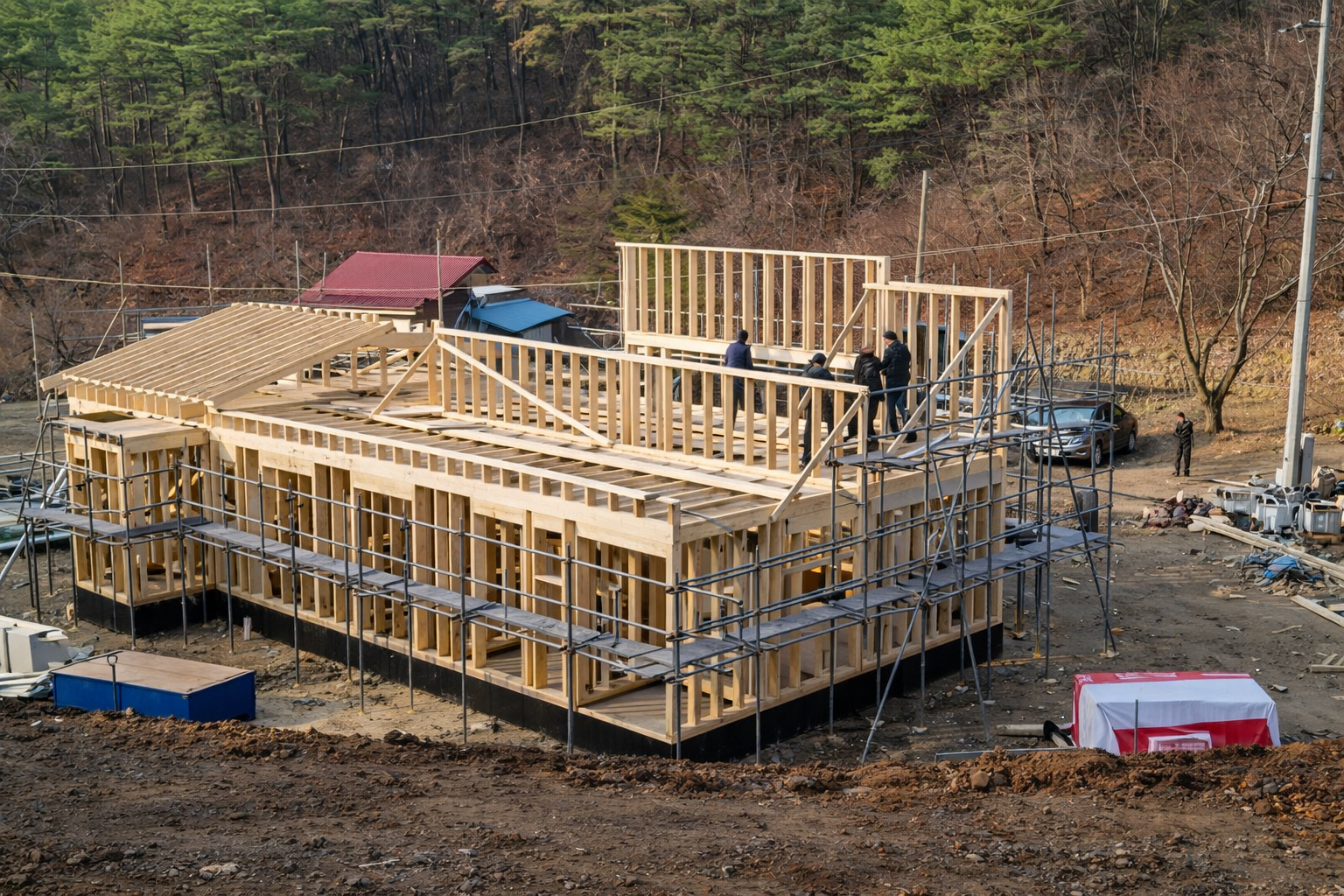
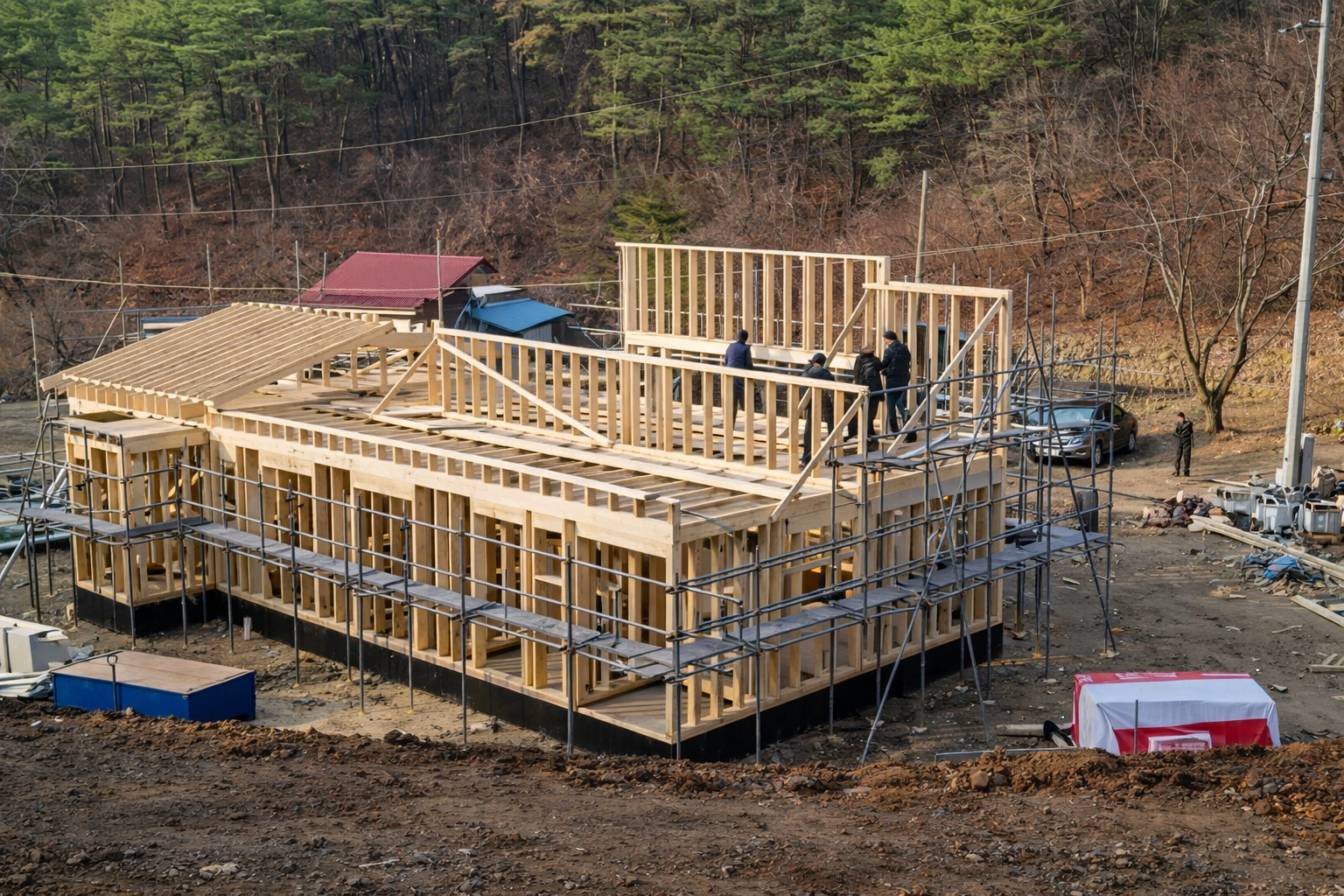
From empty land to a high-end house, wooden construction uses a lightweight system, metal structure for the foundation, ventilated ceramic cladding, and special windows to create an efficient and comfortable living space throughout the year.

Ferro believes that the implementation of this technology could significantly increase the agricultural area, predicting an investment of around US$ 2 billion in Tucumán, where the mill is located.
The strategy of the sugar industry in Argentina also involves expanding the diversification of sugar cane uses, reducing dependency on food consumption.
This dependency can pressure sugar prices. One of the focuses of this strategy is to increase the production of bioethanol, a biofuel that is mixed with gasoline.
Although bioethanol has been present in the Argentine market for many years, the last decade has been marked by instability due to frequent changes in regulations affecting the industry.
Sugarcane producers face challenges with prices not covering the minimum production costs.
Currently, sugarcane producers receive about 657 pesos per liter, an amount below what is necessary, which should be above 900 pesos.
The cane sector is calling for a price increase to at least 720 pesos per liter. This number is considered viable with the Biofuel Bill project currently under discussion in Congress.
New Rules and Expectations for the Sector
The proposed new legislation would reduce the influence of the Ministry of Energy in price setting, allowing these prices to be determined through bids among participants in the sugarcane production chain.
Additionally, the law would progressively increase the blending percentage of bioethanol and open space for new companies, such as oil companies, to enter.
The governor of Tucumán, Osvaldo Jaldo, expressed the need for clear rules that promote fair and balanced competition in the industry.
The Argentine sugar industry, in addition to focusing on sugar production for the domestic market and export, also invests in using sugarcane waste to generate renewable energy.
Recently, the fourth power cogeneration project using sugarcane bagasse was inaugurated.
After juice extraction, the dry fiber is processed and used to generate steam that drives turbogenerators, resulting in about 20 MW of electricity.
This generated energy is sufficient to supply the industrial plant, and the surplus is injected into the national interconnected system.









Seja o primeiro a reagir!