





 Português
  Inglês
  Espanhol
  3 min de leitura


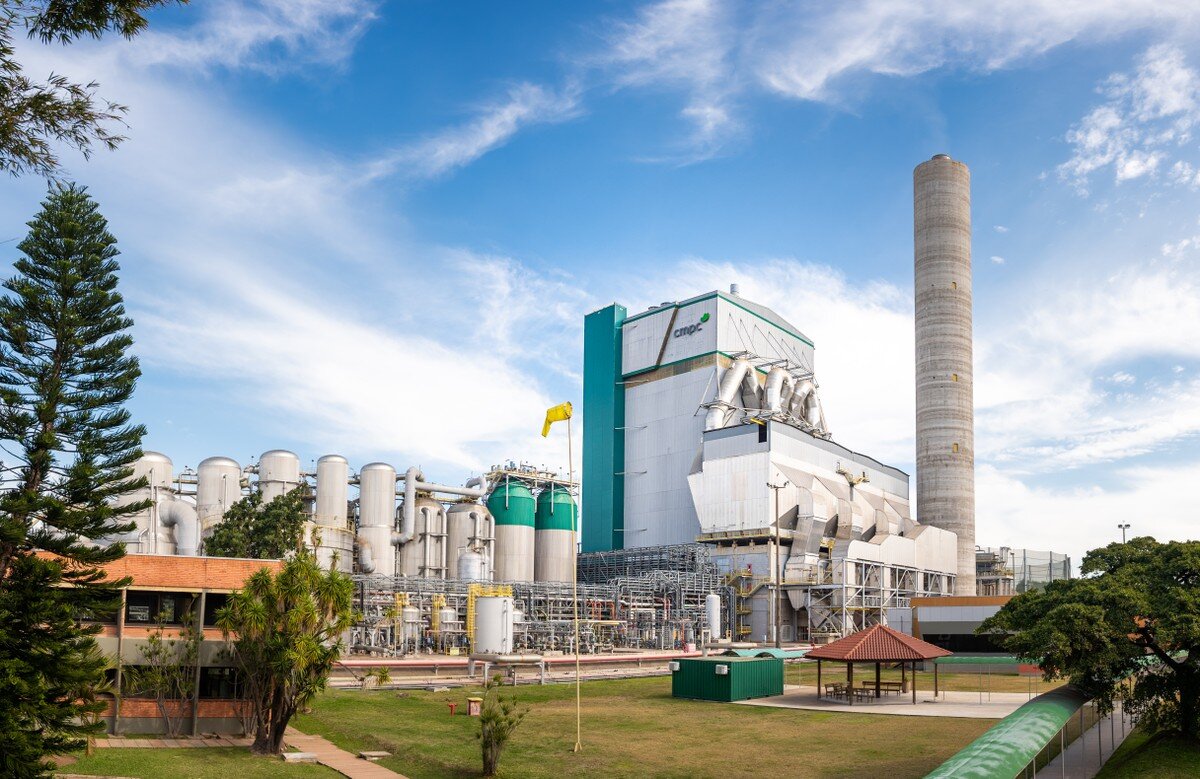
Keeping Focus on Innovation While Respecting the Culture of Sustainability, Pulp and Paper Industry Is Undergoing Transformations Through ESG Practices.
As one of the largest in the world, with 220 companies spread across 540 municipalities, the Brazilian pulp and paper industry has been positively expanding and sustainably. Brazil is the second-largest producer of pulp, accounting for 11% of world production, second only to the United States. Given such responsibility, sustainability presents itself as a necessity. Thus, alignment with the ESG theme (an acronym for environment, social, and governance) has been adding value to good practices related to the environment, social aspects, management, and innovation in the production process.
Learn Everything Behind the ESG Acronym


Alexandre Ribas, Director of the Business Unit at Falconi Consultores, Discusses the Importance of Focusing on Sustainability While Maintaining Production Excellence in the Pulp and Paper Industries
The Director of the Business Unit at Falconi Consultores, Alexandre Ribas, states that the challenges involved in the sustainability agenda are gathered in three dimensions: communication, innovation, and resource efficiency.
“The sector in Brazil plays a key role in the ESG agenda as a protagonist now and in the coming decades. In terms of communication, it has the mission of showcasing all innovations, such as work done with biofibers, for example, and demystifying the industry regarding the climate, as it is a Carbon Negative segment, meaning it generates carbon credits for others. It is an industry that seeks constant evolution of processes and the development of substitute products for non-sustainable materials that leverage the context of the sector,” he explains.
-
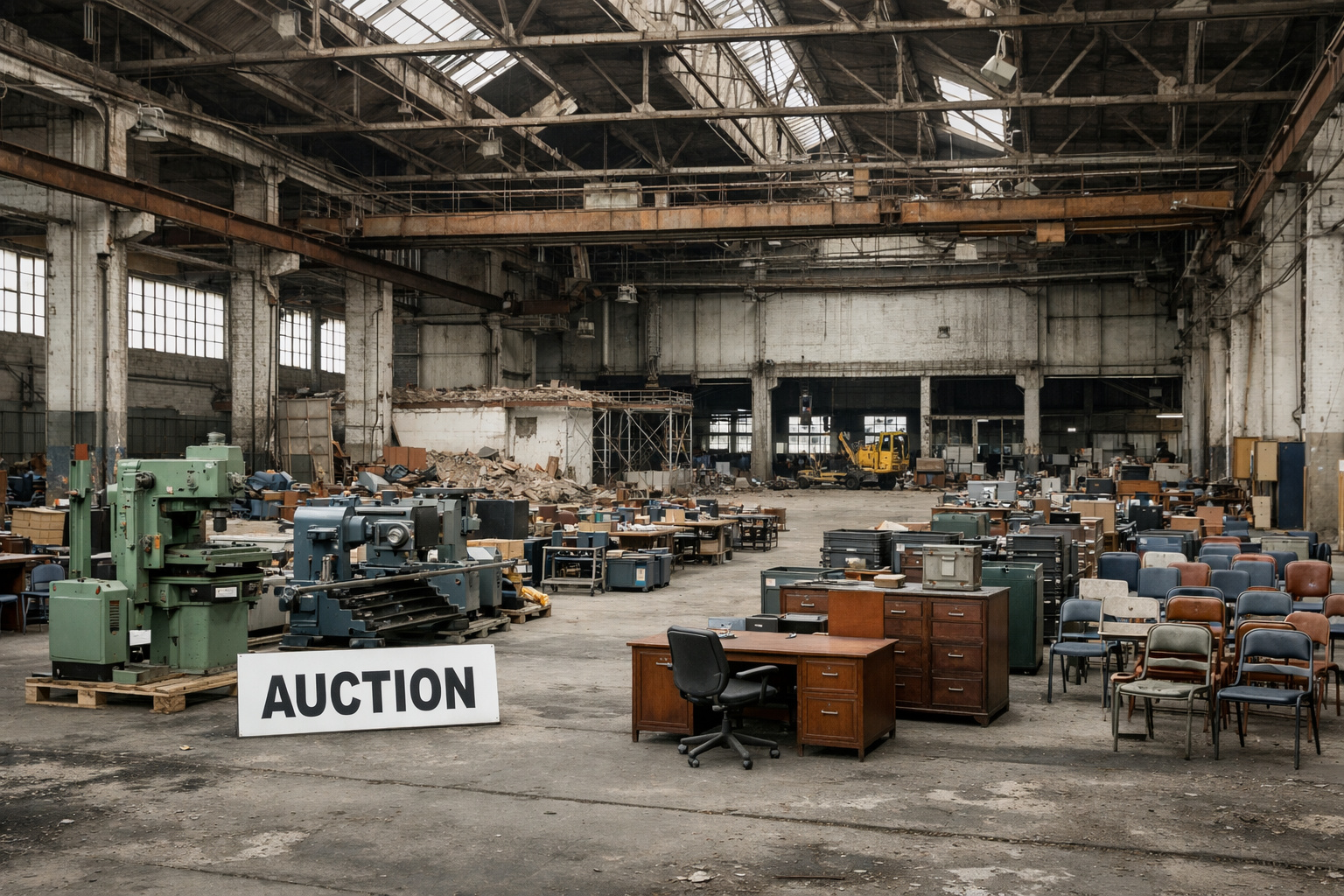
Historic bankruptcy of Centauro shocks the market, and the century-old company puts more than 500,000 products, machines, and complete infrastructure up for online auction.
-
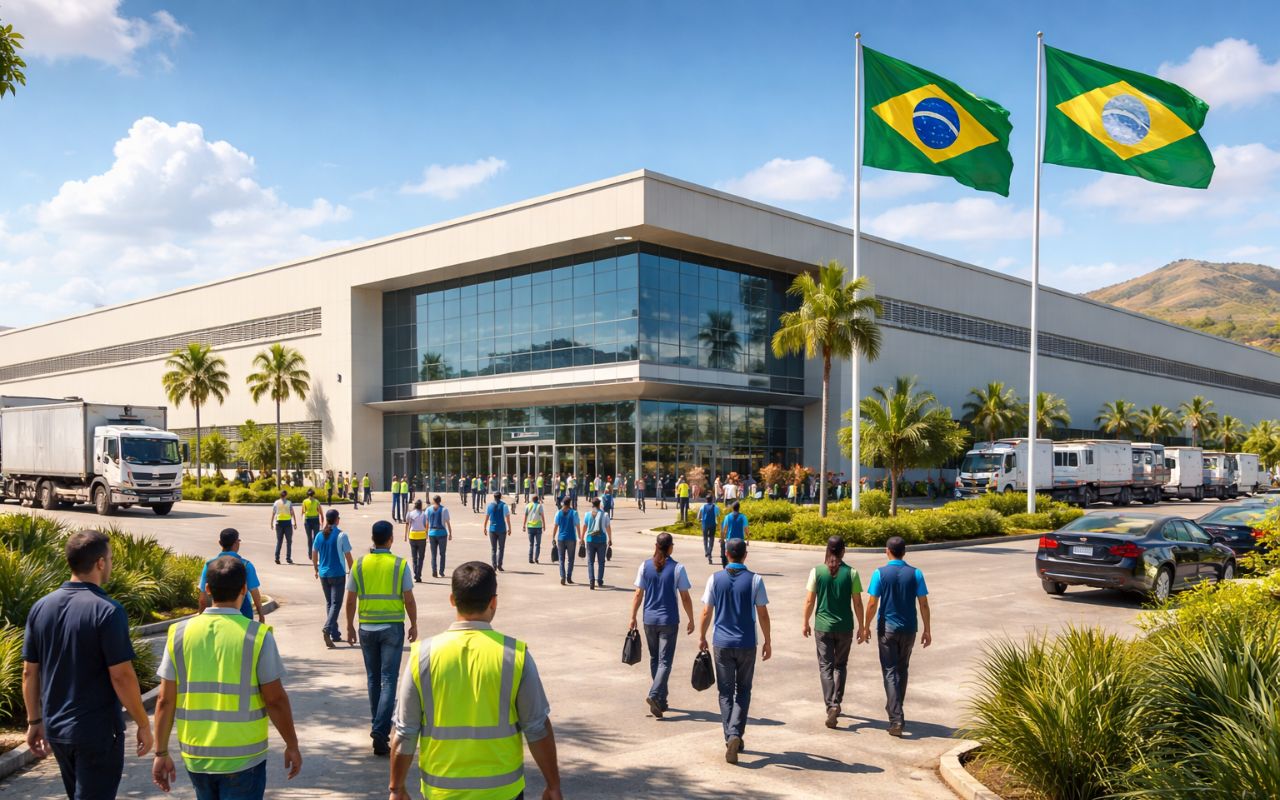
New shoe factory in Ceará is expected to create 400 jobs and strengthen the local economy.
-
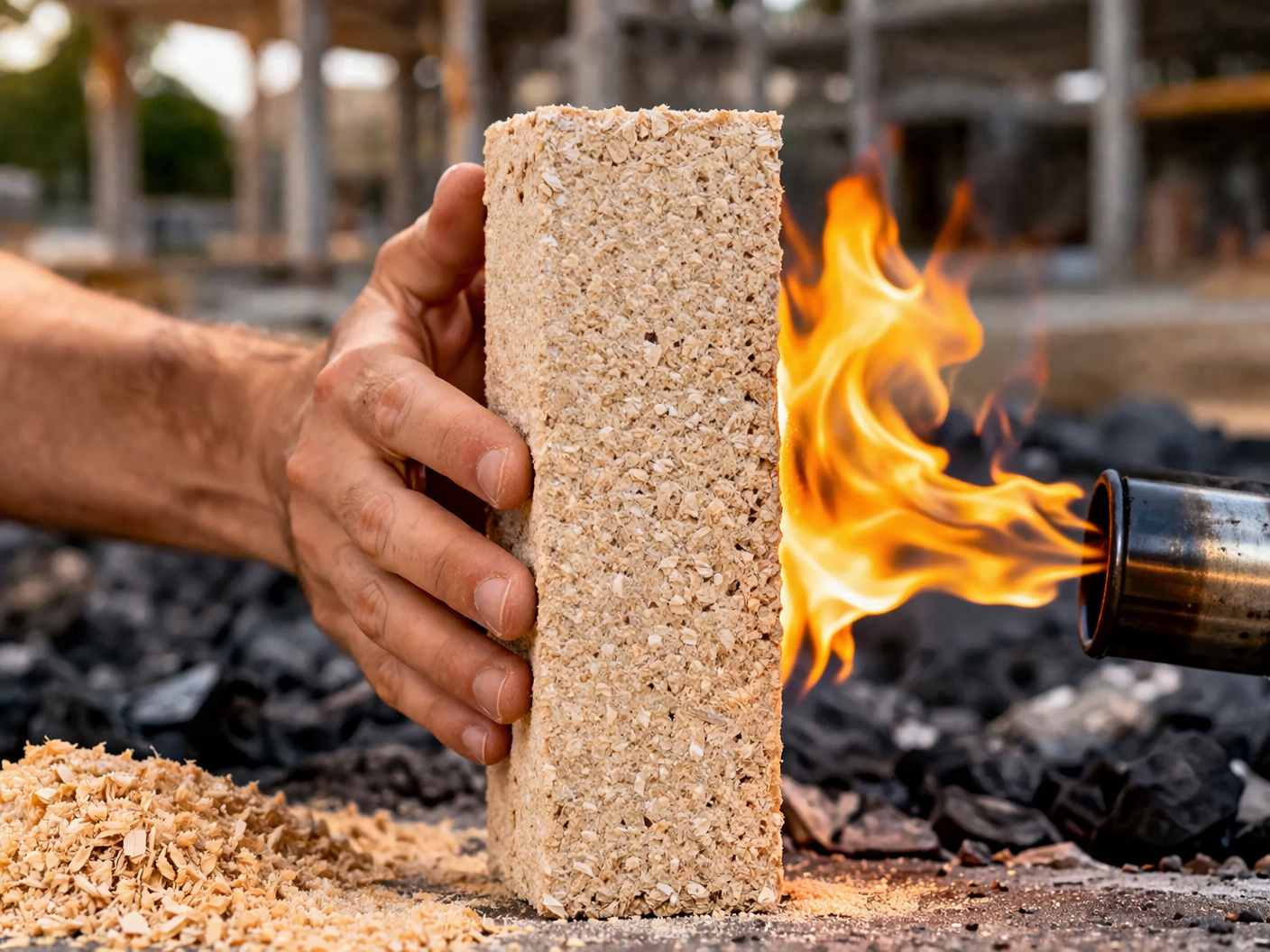
No one imagined it, but a mixture of sawdust with a mineral that fights fires surprises scientists with a result that changes the course of fire-resistant construction.
-
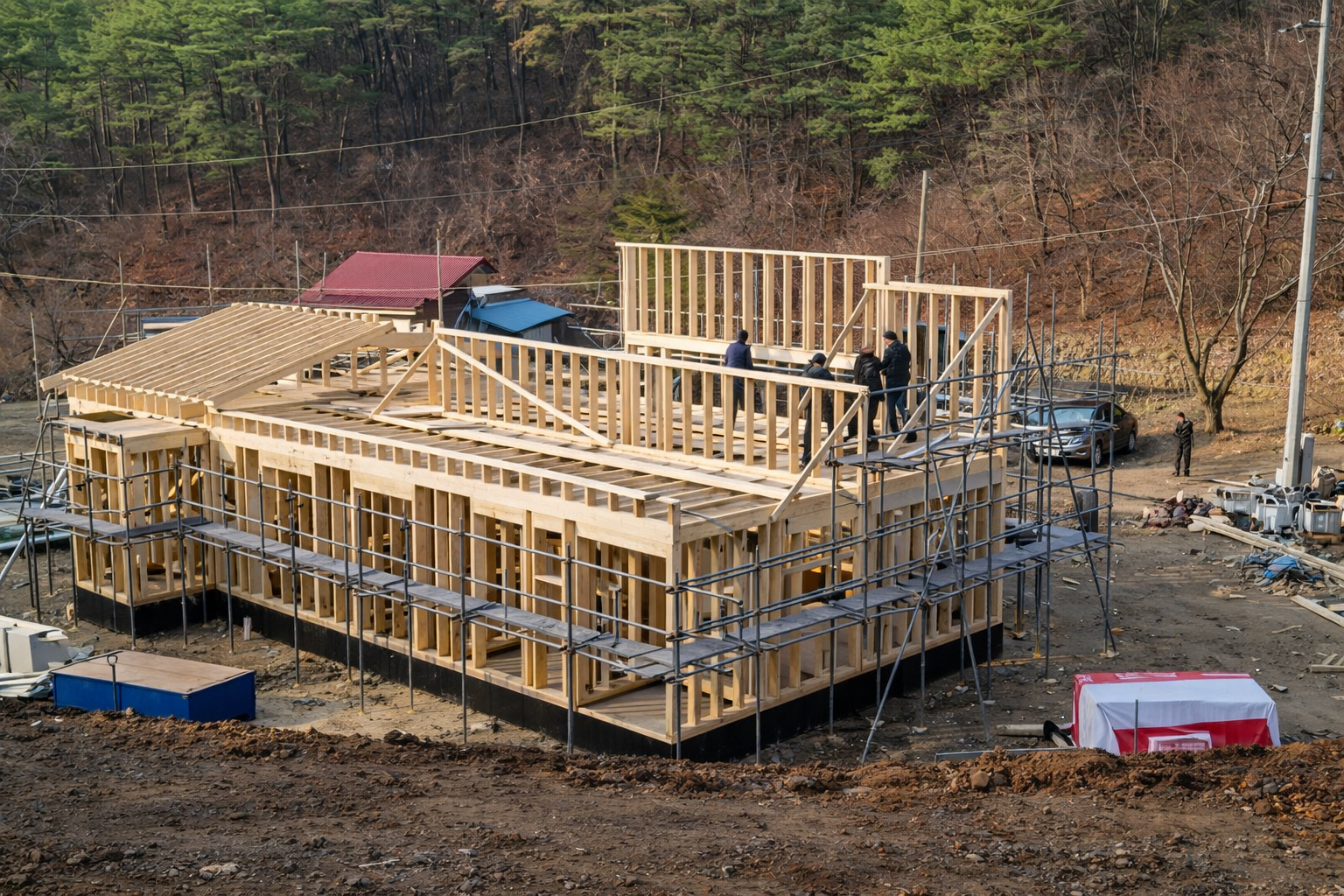
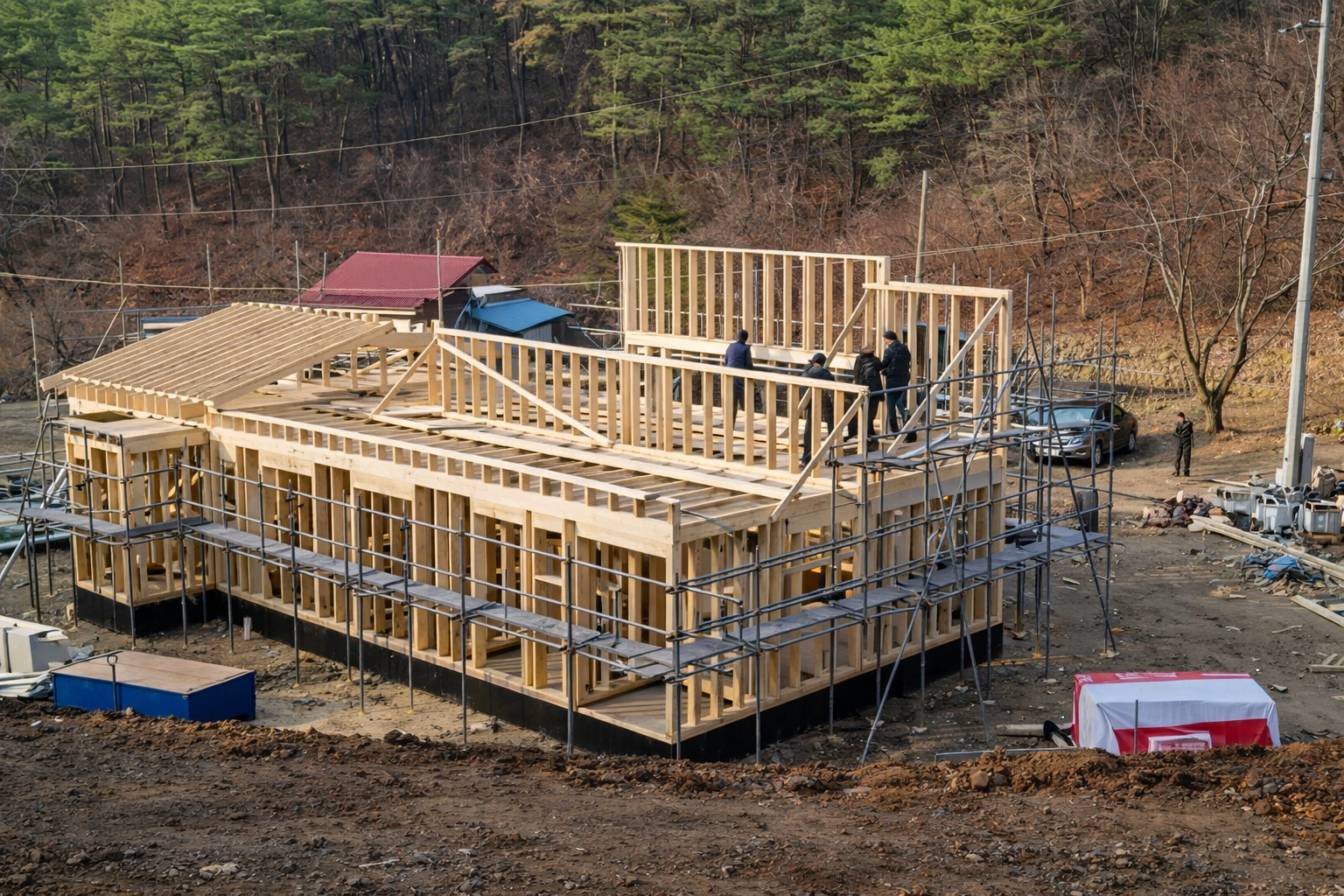
From empty land to a high-end house, wooden construction uses a lightweight system, metal structure for the foundation, ventilated ceramic cladding, and special windows to create an efficient and comfortable living space throughout the year.

Regarding resource utilization, Ribas adds that the industry is marked by productivity, recovery, recycling of waste, and reduction of water usage. He emphasizes that producing sustainably and with quality is the main challenge for the pulp and paper sector.
“It is the responsibility of companies to seek excellence in mitigating impacts, as the true environmental potential of the forestry-based industry is its capacity to absorb carbon, offset emissions, and generate credits for the market,” claims the executive.
Innovation and Sustainability-Oriented Practices
Operating since 2009, CMPC Brazil has a firm commitment to environmental management within its production network.
The CEO of CMPC, Mauricio Harger, reinforces that the ESG theme has become a central pillar for business and a social requirement.
Harger points out that the strategic planning is “to bring the environmental, social, and governance triad to the center of discussions.”
“There is a growing demand from society for more sustainable products, and pulp performs well in this role compared to other materials, such as plastic, and offers many possibilities for growth. Today, companies place ESG as their main focus,” says the executive, also emphasizing the importance of companies being transparent.
CMPC Brazil maintains the “BioCMPC” project, which combines operational efficiency and control measures geared towards environmental management.
Of the total solid waste generated in pulp production, 100% is recycled. Each year, about 600 thousand tons of waste are transformed into 13 different products for commercialization.
Additionally, about 85% of the energy used for pulp production is generated by the industrial plant itself. The water used in the production process is taken from Lake Guaíba and, after use, is returned to the lake, purified.









Seja o primeiro a reagir!