





 Portuguese
  English
  Spanish
  7 min of reading
  0 comments


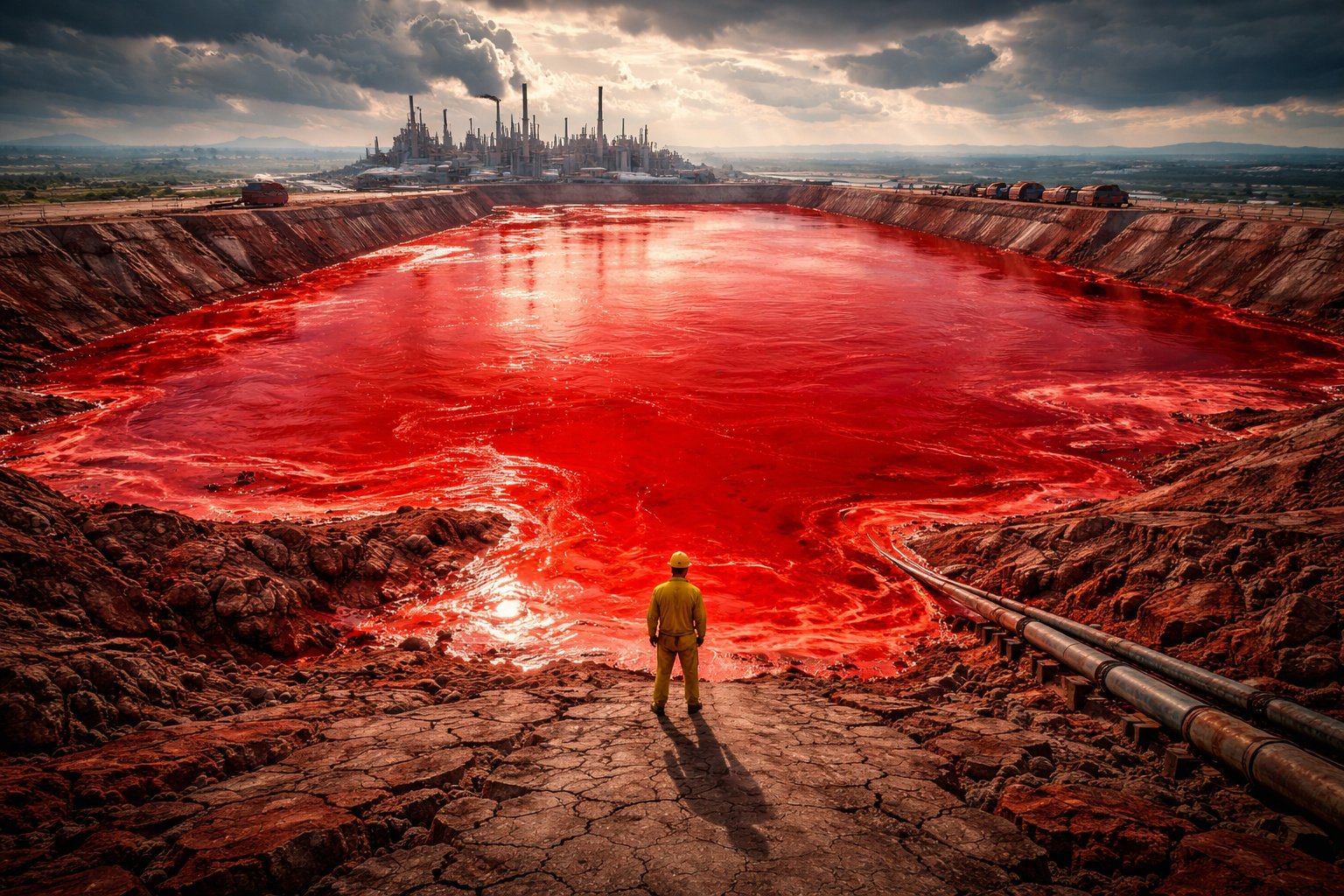
Aluminum Production Generates Red Mud, A Highly Alkaline Waste That Accompanies Bauxite Extraction And Represents One Of The Greatest Environmental Challenges Of The Industry.
Aluminum is one of the most important metals in the modern economy. It is present in airplanes, cars, electrical cables, packaging, wind turbines, solar panels, satellites, and practically all sectors of the industry. Light, corrosion-resistant, and highly recyclable, it has become an indispensable material for the technological and energy infrastructure of the 21st century. However, the production of this metal carries a gigantic environmental cost that rarely appears in discussions about energy and sustainability. For every ton of alumina — the white powder that will later be transformed into metallic aluminum — generated from bauxite, a similar amount of a highly alkaline waste known as red mud is formed.
This material, technically called bauxite residue, is produced in the Bayer process, a chemical method developed in the 19th century that is still responsible for almost all of the world’s alumina production today. The problem is the scale. The global aluminum industry produces about 160 million tons of red mud every year, and the material does not disappear. It continuously accumulates in enormous industrial reservoirs known as tailings ponds.
Over decades of production, these ponds have accumulated an estimated volume of over 4.4 billion tons of red mud scattered across the planet, forming one of the largest deposits of industrial waste ever created by human activity.
-
Historic bankruptcy of Centauro shocks the market, and the century-old company puts more than 500,000 products, machines, and complete infrastructure up for online auction.

-
New shoe factory in Ceará is expected to create 400 jobs and strengthen the local economy.

-
No one imagined it, but a mixture of sawdust with a mineral that fights fires surprises scientists with a result that changes the course of fire-resistant construction.
-
From empty land to a high-end house, wooden construction uses a lightweight system, metal structure for the foundation, ventilated ceramic cladding, and special windows to create an efficient and comfortable living space throughout the year.

How Bauxite Is Transformed Into Aluminum And Why Red Mud Arises
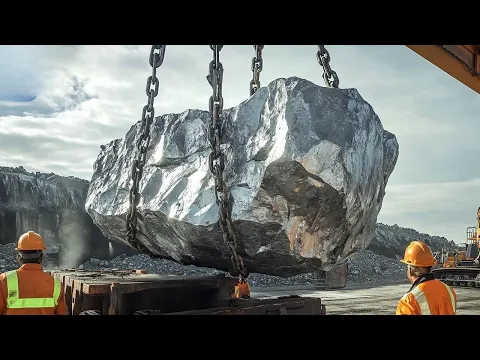
The basic raw material for aluminum is bauxite, a rock rich in aluminum hydroxides found mainly in tropical and subtropical regions. Large deposits are located in countries like Australia, Brazil, Guinea, India, and Indonesia. To transform this rock into usable aluminum, the industry uses a chemical process called the Bayer process, developed by Austrian chemist Karl Josef Bayer in 1888.
In this process, crushed bauxite is mixed with caustic soda (sodium hydroxide) at high temperature and pressure. This solution dissolves the minerals that contain aluminum, separating them from other components of the rock.

After dissolving, the insoluble material that remains is removed. This solid waste is precisely the red mud.
It gets its name because it has an intense reddish color, resulting from the high concentration of iron oxides present in the original ore. In addition to iron, red mud contains other mineral compounds such as silica, titanium, residual aluminum, and various traces of metals. The material also remains highly alkaline due to the presence of caustic soda used in the process.
This high pH is what makes the waste potentially dangerous to the environment.
Why Red Mud Is Considered A Hard-To-Treat Waste
The main difficulty associated with red mud is not only its chemical composition but mainly the gigantic volume generated by the aluminum industry. Depending on the quality of the bauxite used, the production of one ton of alumina can generate between 1 and 1.5 tons of red mud.
Considering that global alumina production exceeds 140 million tons per year, the result is a colossal amount of waste continuously accumulating.
Another factor complicating the management of this material is its high alkalinity. The pH of fresh red mud can exceed 13, a level akin to that of extremely corrosive chemicals. If this material comes into direct contact with rivers, agricultural soils, or groundwater, it can cause severe environmental impacts.
For this reason, most of the red mud produced worldwide is stored in large industrial reservoirs designed to contain the material safely.
Tailings Ponds That Have Become Permanent Industrial Landscapes
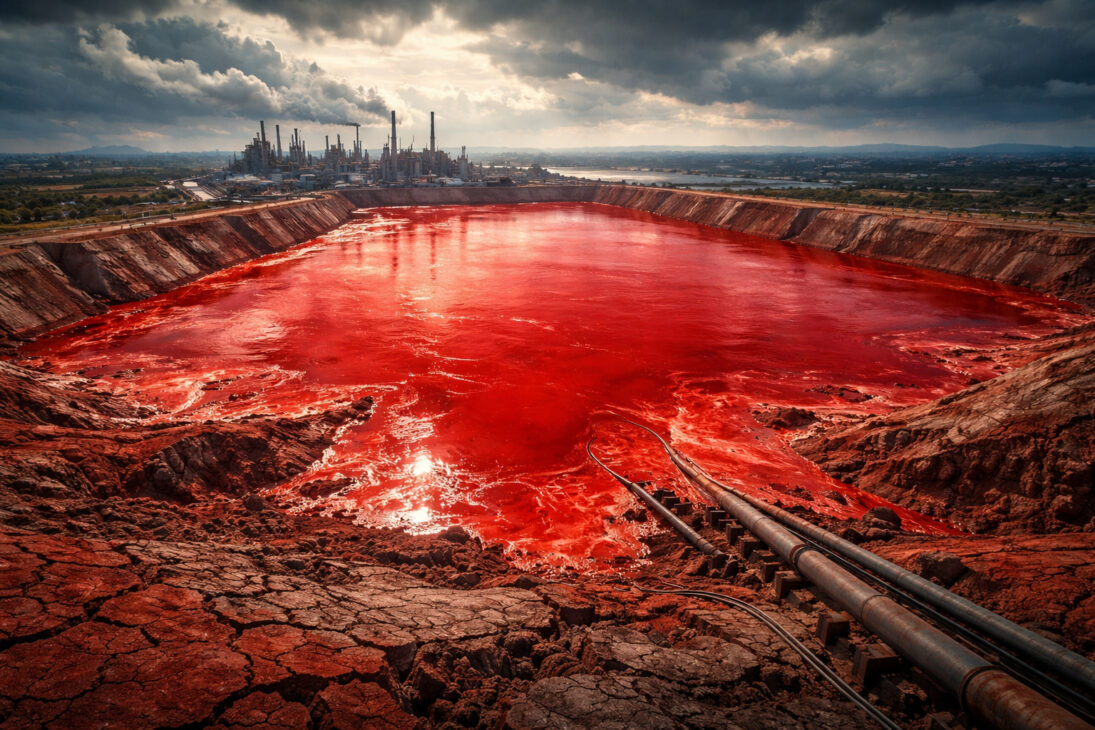
The traditional solution adopted by the industry is to deposit red mud in large artificial ponds surrounded by containment dikes.
In these reservoirs, the waste is generally stored in the form of slurry — a mixture of mud and water — that slowly settles to the bottom of the pond. Over time, successive layers accumulate, forming deposits that can reach several meters in depth.
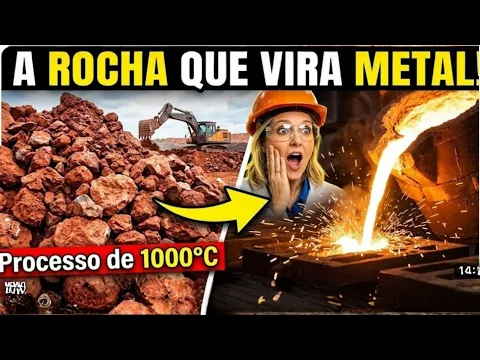
In regions with large aluminum production, these reservoirs can reach gigantic dimensions. In some cases, they occupy areas comparable to small natural lakes.
In satellite images, many of these ponds appear as enormous red or orange spots on the landscape, often surrounded by earth containment structures. These deposits can remain active for decades and need to be continuously monitored to prevent leaks or structural failures.
The Red Mud Disaster In Hungary In 2010
One of the most well-known industrial accidents involving red mud occurred on October 4, 2010, in the city of Ajka, Hungary. That afternoon, a dam containing a reservoir of red mud from the alumina plant of the MAL Hungarian Aluminium company suddenly ruptured.
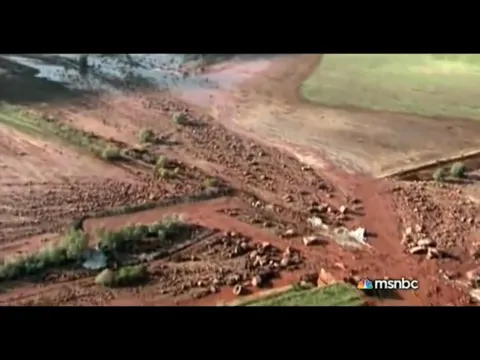
About 1 million cubic meters of highly alkaline red mud were released in just a few minutes, forming a wave of waste that surged through neighboring communities. The towns of Kolontár and Devecser were quickly flooded by a toxic mudflow that destroyed homes, roads, and crops.
The disaster caused 10 deaths, left more than 150 people injured, and contaminated an area of approximately 40 square kilometers. The mud also reached the Marcal River, threatening the water quality in an important watershed in the region.
Emergency teams had to apply large quantities of gypsum and other chemical neutralizers to reduce the alkalinity of the contaminated water. The accident became a global landmark regarding the risks associated with the storage of large volumes of industrial waste.
Where Are The Largest Red Mud Deposits In The World
Today, red mud ponds are scattered across practically all regions of the planet where alumina production exists. Among the countries with the largest accumulated volumes are:
- Australia, the world’s largest producer of bauxite
- China, the global leader in aluminum production
- Brazil, with large alumina refineries in the Amazon
- India, which has several bauxite processing plants
- Jamaica, a traditional exporter of alumina
In some of these locations, red mud deposits have existed for over fifty years and have reached gigantic volumes. In certain industrial regions, the presence of these ponds has become a permanent part of the landscape.
Researches Are Trying To Transform Red Mud Into Industrial Raw Material
Given the scale of the problem, scientists and companies have been seeking ways to reuse red mud in industrial applications.
Among the studied possibilities are:
- production of cement and construction materials
- manufacturing of bricks and industrial ceramics
- recovery of rare metals present in the waste
- use as a material for environmental remediation
Some studies also investigate the extraction of scandium, a rare metal used in high-strength aluminum alloys and aerospace technologies. Although the concentration of these elements is relatively low, the enormous global volume of red mud can make recovery economically viable.
Challenges To Reuse A Waste Generated On A Gigantic Scale
Despite these initiatives, only a small fraction of the red mud produced in the world is effectively reused.
The main obstacle is the scale of the problem. Even if new industrial applications are developed, the annual volume generated remains extremely high. Another challenge is the chemical variability of the material. The composition of red mud depends on the type of bauxite processed, which can hinder the standardization of industrial processes for reuse.
Additionally, many potential applications are still in experimental stages or are not economically competitive on a large scale. As a result, most of the waste continues to be stored in industrial reservoirs.
Aluminum Production Continues To Grow
Despite these challenges, global demand for aluminum continues to rise. The metal is considered essential for the energy transition and low-carbon technologies. It is widely used in electric vehicles, wind turbines, electrical grids, and renewable energy infrastructure.
Its lightness also helps reduce fuel consumption in transportation, making it important for decarbonization strategies. However, as long as the Bayer process continues to be the dominant method for producing alumina, the generation of red mud will remain an inevitable consequence of the industry.
A Waste That Accompanies The History Of Modern Aluminum
More than a century after the development of the Bayer process, red mud remains one of the greatest environmental challenges associated with metal production. With billion of tons accumulated in industrial ponds around the world, this waste has become a kind of invisible legacy of the expansion of the global economy based on aluminum.
Although new technologies and environmental policies are seeking to reduce the impacts of this material, the problem is still far from being solved. As long as the demand for aluminum continues to grow, red mud will remain an inevitable part of the industrial equation that supports much of the modern infrastructure of the planet.









Seja o primeiro a reagir!