





 Portuguese
  English
  Spanish
 5 min of reading
  0 comments


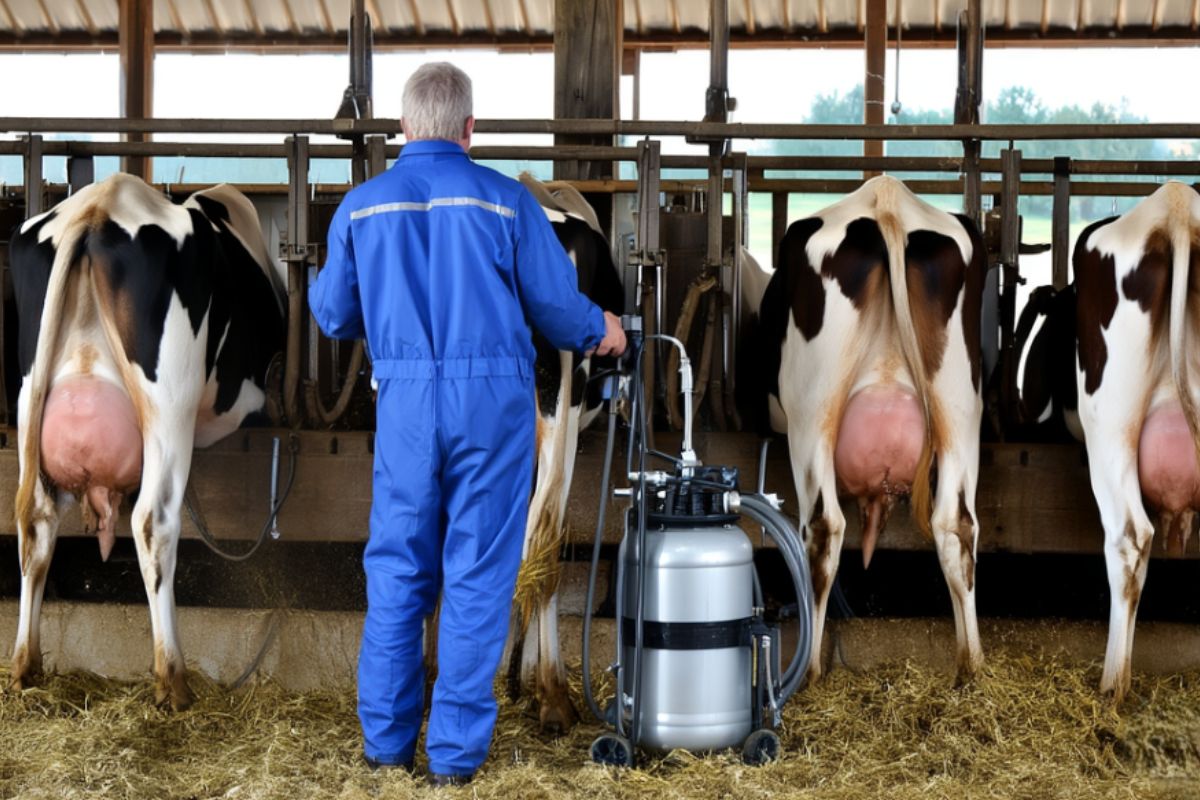
Santa Catarina Extended The Suspension Of Tax Incentives For The Importation Of Milk And Dairy Products, Protecting The Local Dairy Industry. The Measure Lasts Until July 2026 And Ensures Market Balance, Support For Rural Producers, And Strengthening Companies In The Sector In The State
The dairy industry in Santa Catarina has gained an important new chapter with the state government’s decision to maintain the suspension of tax incentives for the importation of milk and dairy products, according to an article published on the Imprensa News Sul portal.
This measure, which had been in place since July of last year, has been renewed and will continue until July 2026. The central idea is simple: to prevent imported products from entering the State at lower prices, thus harming local producers.
When we talk about dairy industry, we are referring to thousands of families who wake up early, face the challenges of the field, and depend on this activity to secure their income.
-
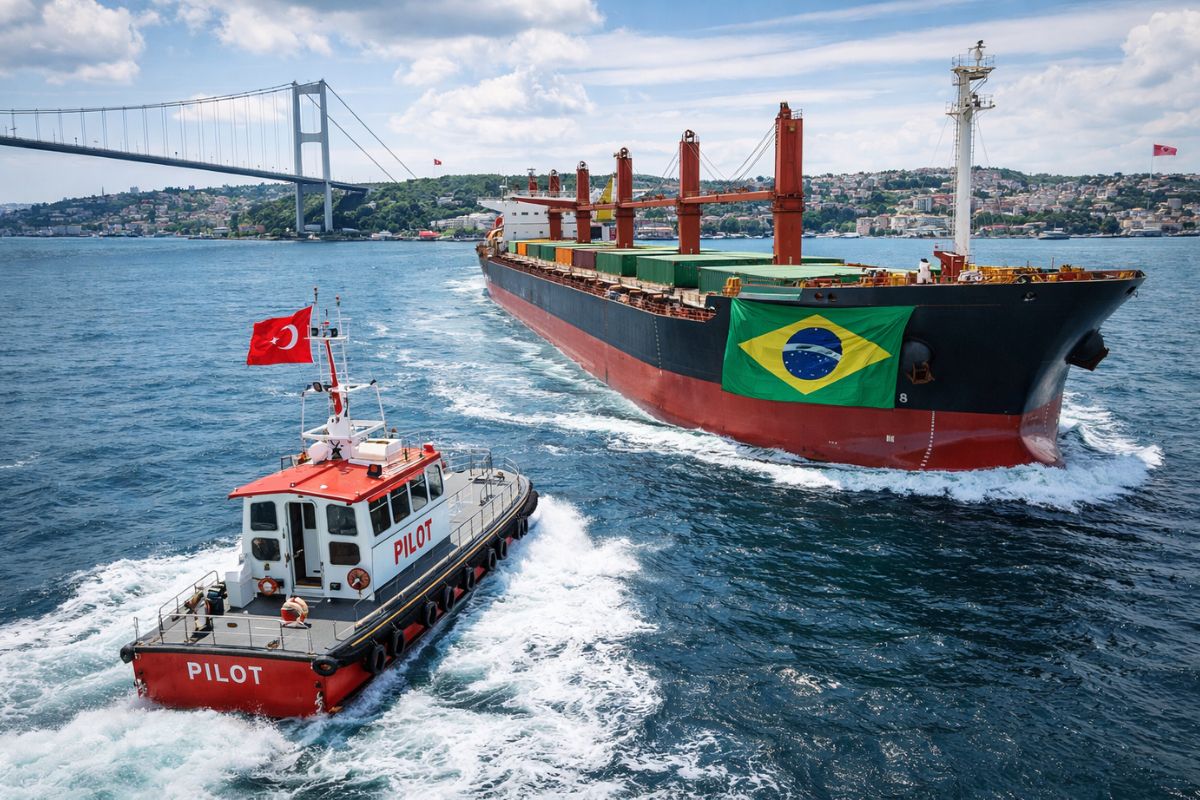
Brazil has just secured a secret route through Turkey to save agribusiness exports that were threatened by the closure of the Strait of Hormuz amid violent clashes in the Middle East.
-
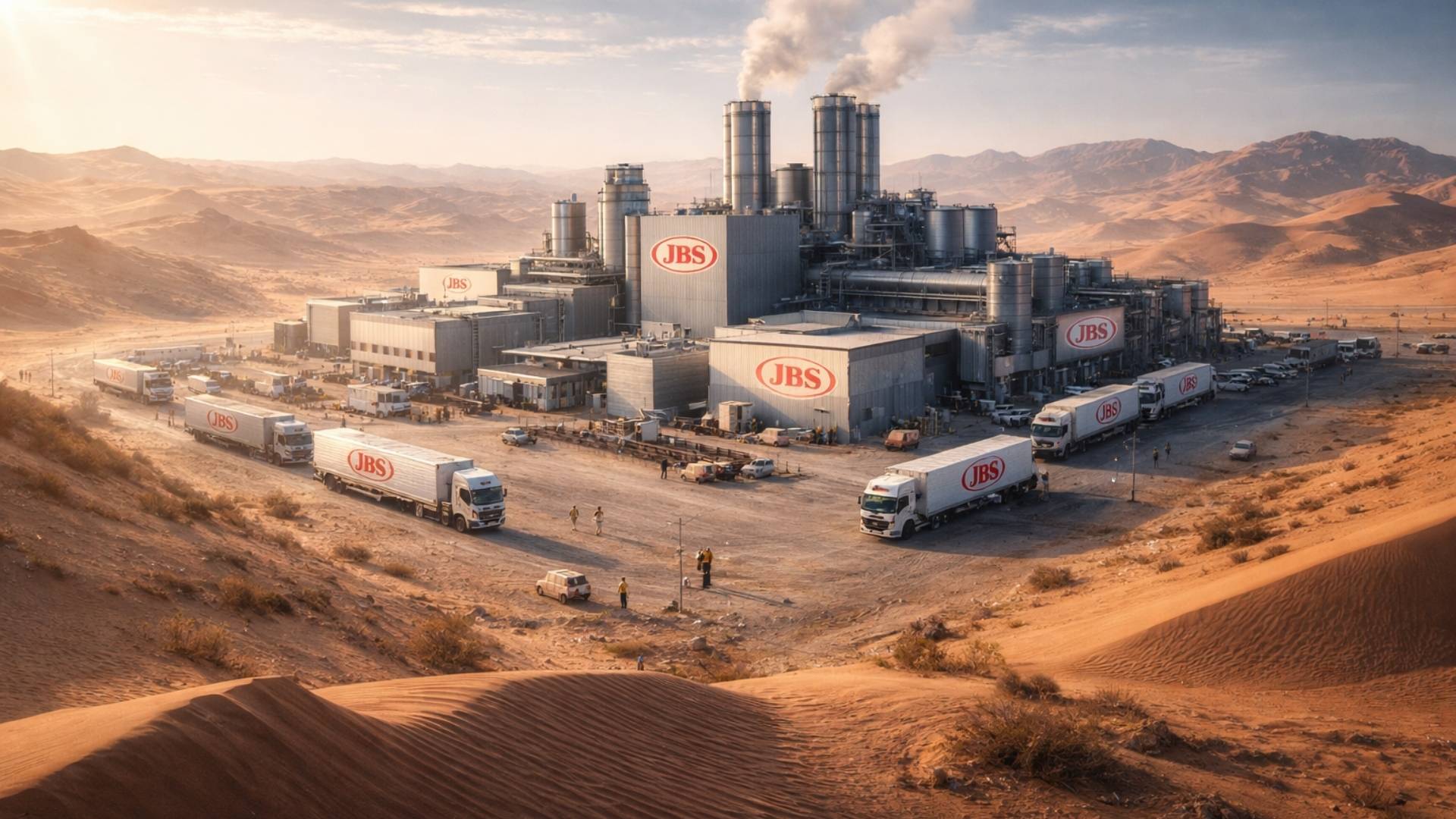
JBS, founded by the Batista brothers, continues to conquer the world: the entrepreneurs built a ‘factory in the desert’ with 3,000 jobs.
-
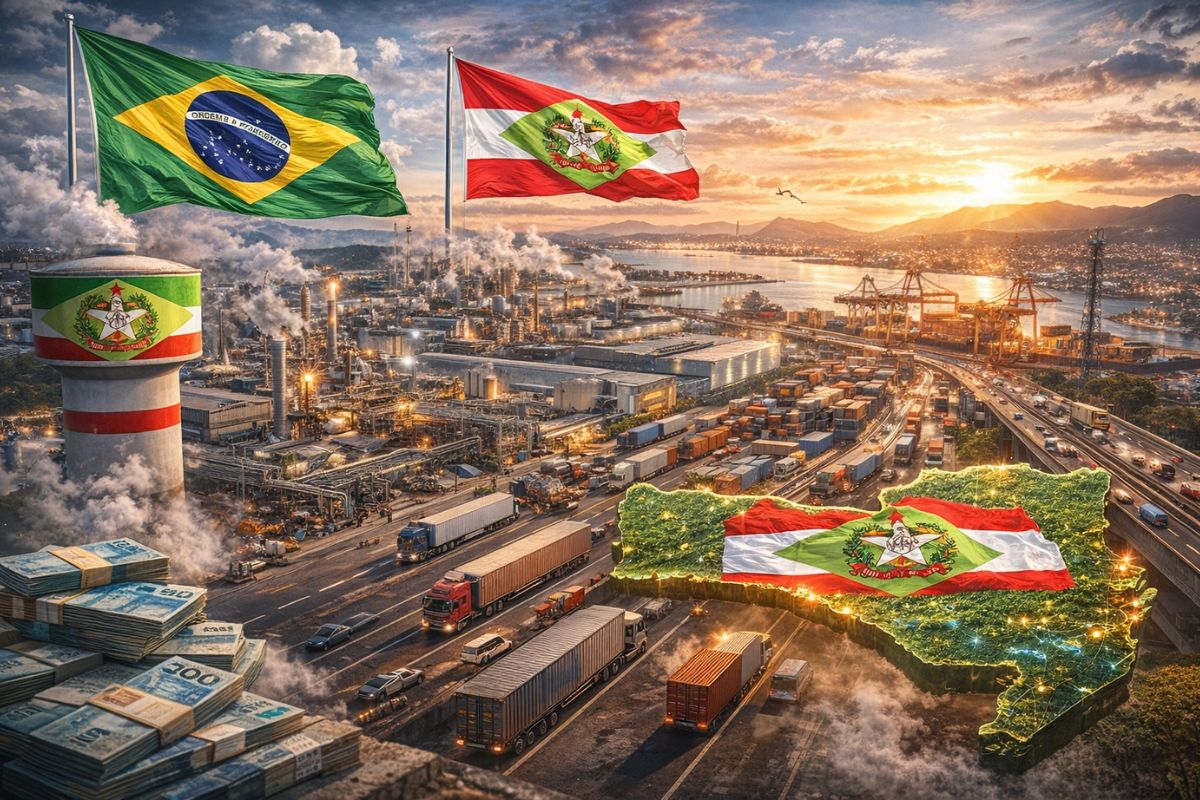
With only 1% of Brazilian territory, Santa Catarina has built one of the most competitive industrial parks in the country with 64,000 companies, nearly 1 million jobs, and a growth of 5.3% while the national industry is practically stagnant.
-
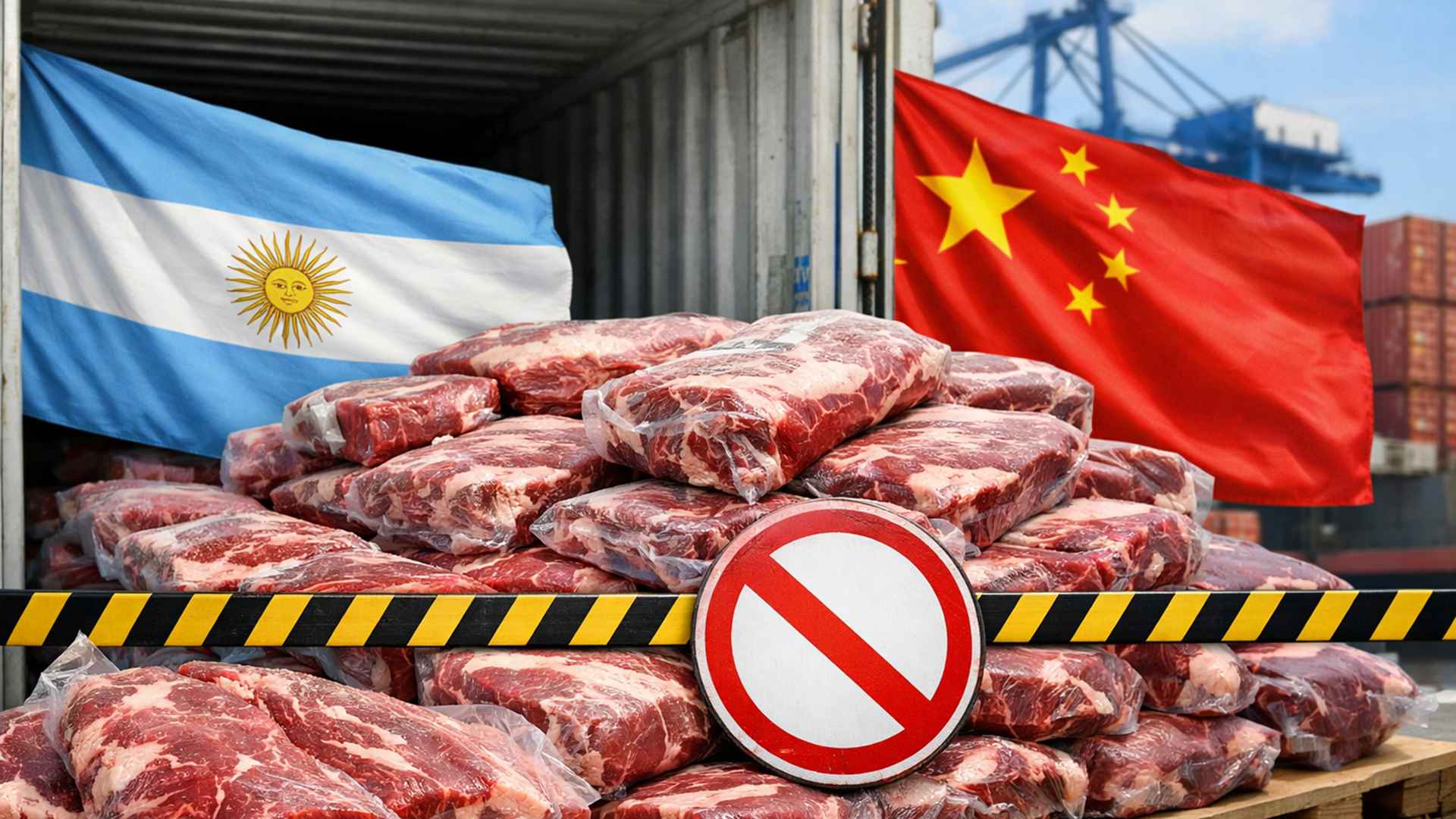
China banned the export of 22 tons of meat from Argentina.

Governor Jorginho Mello emphasized that the goal is to acknowledge this effort, bringing more balance to the market and providing security for producers to continue their work.
The decision was officialized on July 30 through a state decree. With it, imported milk continues to pay the full ICMS tax rate, which varies between 7% and 17%, depending on the type of product.
Previously, with the incentives, the charge was only 1.4%, which favored the entry of goods from neighboring countries, such as Argentina and Uruguay.
What seems like just a change in taxation makes a direct difference in the dairy industry in Santa Catarina. Without this protection, local producers were at a disadvantage, as exporting countries offer subsidies that lower production costs outside of Brazil.
Immediate Impacts On The Dairy Industry In Santa Catarina
The impacts of the measure began to appear right in the first months. Data from the State Department of Finance (SEF/SC) show that, in the first half of 2025, imports of milk and dairy products fell by almost 75% compared to the same period the previous year.
The imported value dropped from R$ 512.5 million to R$ 135.2 million.
Meanwhile, the dairy industry in Santa Catarina saw its production grow significantly. In the same period, local production rose by 26%, increasing from R$ 5.4 billion in 2024 to R$ 6.8 billion in the first six months of 2025.
According to the Secretary of Finance, Cleverson Siewert, the numbers prove that the decision brought practical results. On one hand, the influx of products from outside has been reduced. On the other, the local dairy industry gained momentum to produce more and meet the domestic market.
This change was considered a response to a long-standing request from producers, who faced difficulties competing with the subsidized prices from neighboring countries.
An example that highlights the seriousness of the situation was whole milk powder. Before the state measure, imports of this product in Santa Catarina had increased by 249% in the previous two years.
This increase represented a direct pressure on the state’s dairy industry, reducing the market space for local producers.
Direct Support For The Dairy Industry With The Leite Bom Program
In addition to the suspension of import incentives, the Government of Santa Catarina also initiated actions to further strengthen the local dairy industry. In August 2024, the Legislative Assembly approved a project that granted tax benefits to the dairy agroindustry. This measure was incorporated into the Leite Bom Program.
The program’s goal was to provide equal conditions for companies in Santa Catarina against competition from other states, such as Paraná and Rio Grande do Sul, which already offered similar incentives.
As a result, over 100 companies linked to the dairy industry benefited. Together, they employ around 7,300 workers across the State.
One of the main points of the program is the presumed credit for UHT milk, cheeses, and other dairy products. This financial support was planned to be applied in three phases, totaling R$ 150 million over three years: R$ 75 million in the first year, R$ 50 million in the second, and R$ 25 million in the third.
The dairy industry holds a prominent position in Santa Catarina. Currently, it is the third-largest production chain in the State, involving around 80,000 producers.
The annual production volume reaches 3.2 billion liters, making Santa Catarina the fourth-largest milk producer in Brazil, behind only Minas Gerais, Paraná, and Rio Grande do Sul.
For the Secretary of Agriculture and Livestock, Carlos Chiodini, the Leite Bom Program reinforces the importance of keeping producers on the field and encouraging investments. The vision is that by supporting the dairy industry, the State helps rural producers increase their income and remain active in the sector.
Credit Lines And Financing For The Dairy Industry
Another important aspect of the Leite Bom Program are credit mechanisms aimed directly at producers. Two fronts were created: Pronampe Leite SC and Financia Leite SC, both linked to the State Rural Development Fund.
These programs allocated more than R$ 150 million, also over three years, to meet the needs of the dairy industry. Part of this amount was used to subsidize interest on bank loans, reducing costs for those who need financing for improvements.
Another portion was allocated for interest-free financing, facilitated by the state fund itself.
With these resources, producers can invest in the production system, improve the property’s structure, and thereby increase the quality and quantity of milk delivered to the dairy industry in Santa Catarina.
This policy creates a positive cycle: the producer grows, the industry gains competitiveness, and consumers have access to local products in a balanced manner.







Seja o primeiro a reagir!