





 Portuguese
  English
  Spanish
  6 min of reading
  0 comments


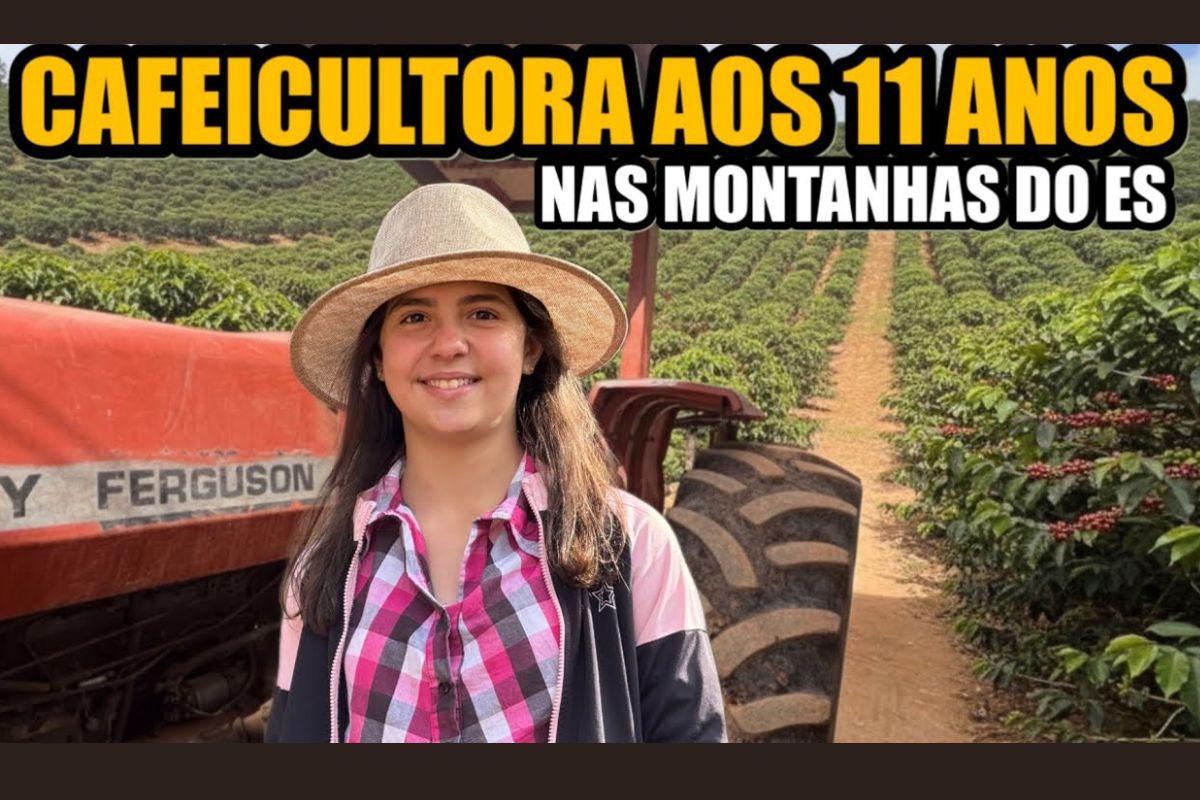
With An Entire Childhood Spent In The Fields, Luna Transforms Coffee Routine Into Identity, Conquers Social Media, And Becomes A Symbol Of Strength, Simplicity, And Pride In Rural Espírito Santo
Having spent her entire childhood in the coffee fields of Brejetuba, Luna grew up among sieves, drying yards, and pigs, transforming rural work into a life project, strengthening family tradition, and today inspiring those who see farming as a real path to dignity and a future for rural youth in general.
From a young age, Luna learned that the sound of the tractor at dawn, the smell of coffee drying in the yard, and the dust from the road are part of a routine that is not a sacrifice but a continuation of a story. An entire childhood spent in the fields, surrounded by family, shaped a girl who cannot imagine being far from the countryside and coffee. Between studying, recording for social media, and managing the farm, she transformed the rural everyday life into identity, purpose, and pride.
Entire Childhood Spent In The Fields And Ties To The Land

Luna’s journey literally begins on the ground of the farm. From her early years, she accompanied her parents in the coffee harvest.
-
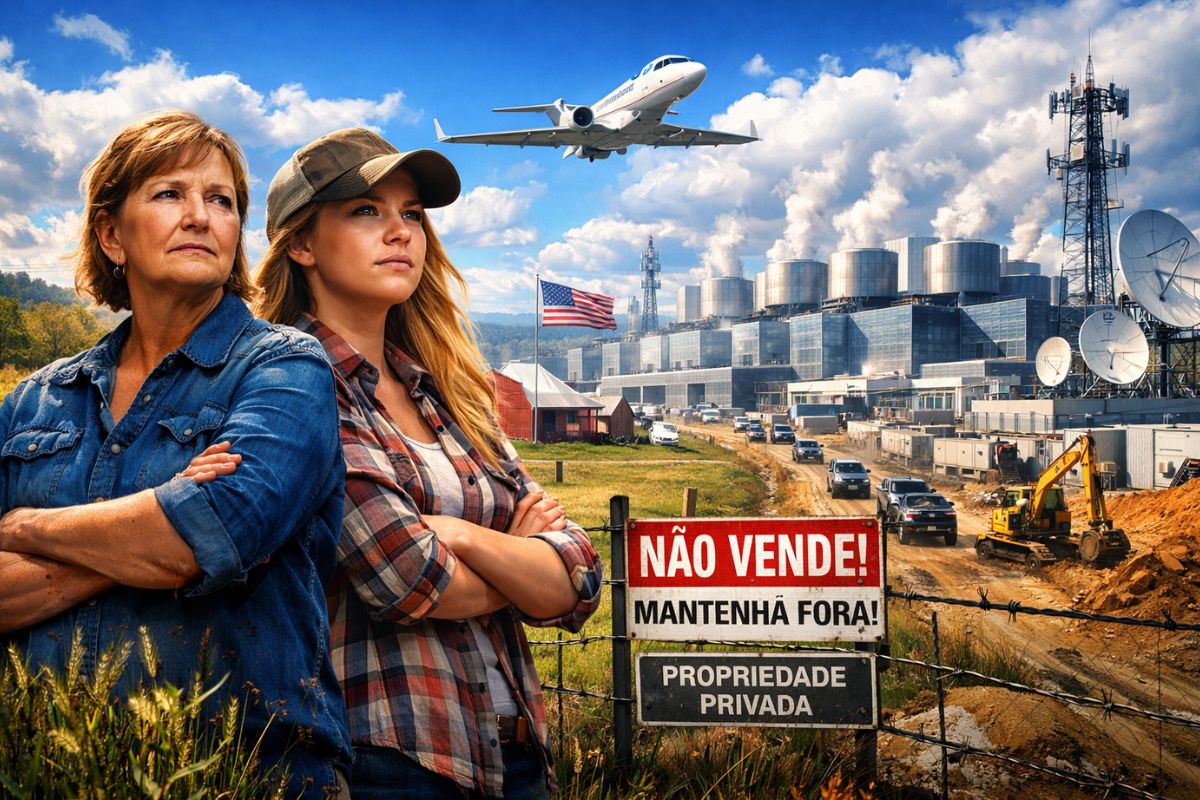
They said no to 26 million dollars and would do it all over again: mother and daughter from Kentucky reject a million-dollar offer from a mysterious company that wants to build the largest data center in the state on more than 2,000 acres of rural land.
-
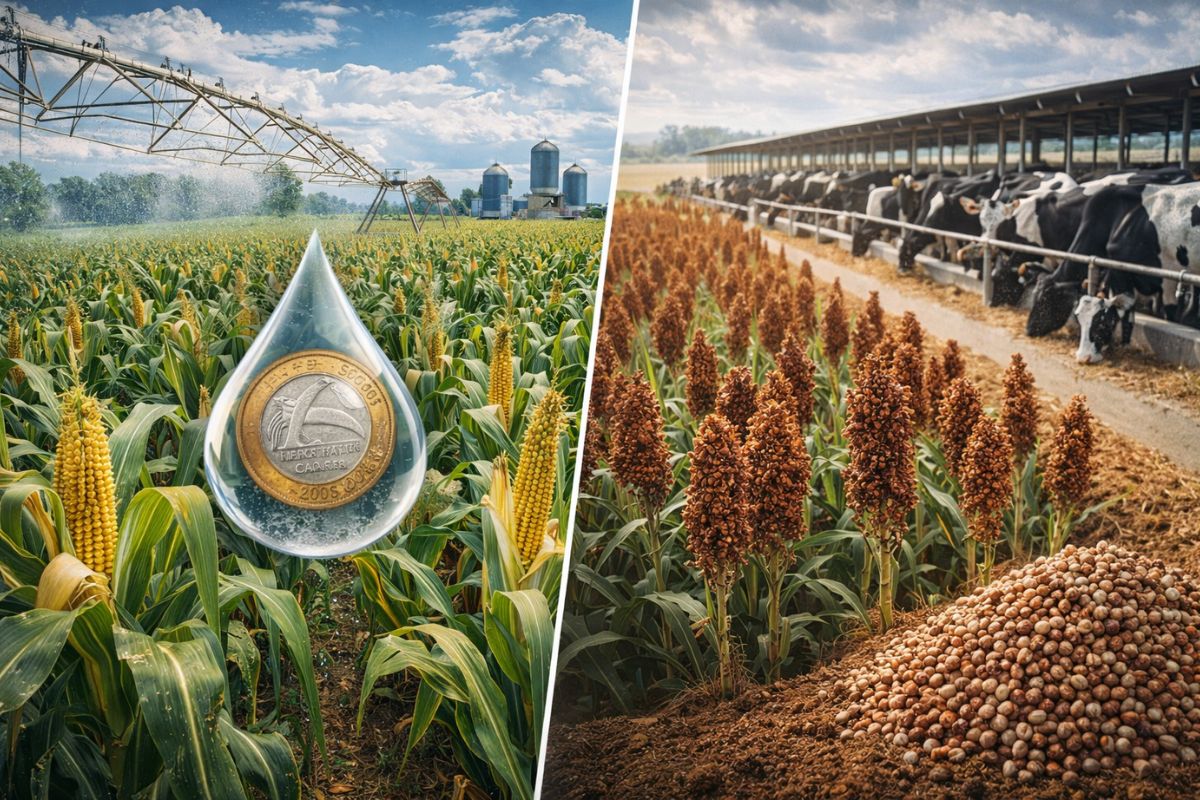
While corn requires rain and is expensive, sorghum produces almost the same volume per hectare at a cost up to 80% lower and uses less water, and it is revolutionizing dairy farming in the Triângulo Mineiro, where producers save hundreds of reais per hectare.
-
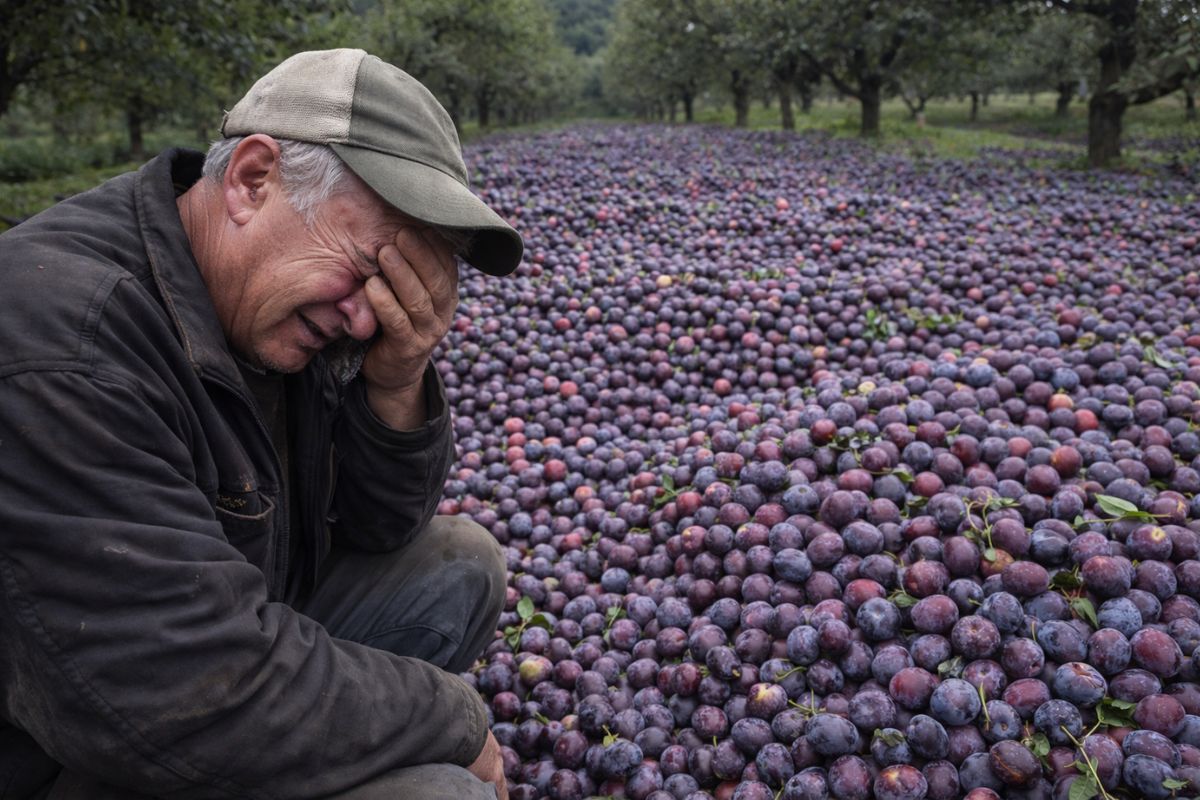
A rural producer from Urubici cries as he shows 50 tons of plums thrown on the ground because no one wanted to buy them, and in desperation, he records a video asking anyone to come to the property to pick the fruits before they rot.
-
Unable to pass through Hormuz, Brazil activated a plan B that uses Turkey as a gateway to the Middle East: the route through Gibraltar and the Mediterranean is longer and more expensive but ensures that chicken, beef, and corn continue to reach Arab markets.


When tired, she would sleep inside the sieve, covered with coffee branches to protect herself from the strong sun and morning chill.
An entire childhood spent in the fields was not a coincidence, it was her and her family’s choice to keep her close, learning in practice the value of work.
Her parents even tried to leave her in the care of others, but she simply would not accept it.
She wanted to be among the plants, listening to conversations about the weather, coffee prices, and harvest planning.
This constant presence in the fields built a deep connection with the property, the agricultural routine, and the cycles of the coffee crop, which define the rhythm of life for her family in Brejetuba, Espírito Santo.
Routine Between School, Coffee Fields, And Recordings

Today, Luna studies in the afternoon.
The mornings are divided between household chores, helping on the property, and recordings for social media, where she is known as Luna Bermon.
She shows, with naturalness, that it is possible to balance study, digital communication, and rural work without losing the essence of farming.
The days start early: family breakfast, organizing the content to be recorded, and, when necessary, support in the field activities.
Before leaving for school, around 11:30, Luna has already participated in farm management, helped in some stage of production, or accompanied her parents in decisions about planting, harvesting, or drying.
This routine practically reinforces how an entire childhood spent in the fields can form a mature perspective on responsibility, time, and effort.
Special Coffee Production And Family Tradition
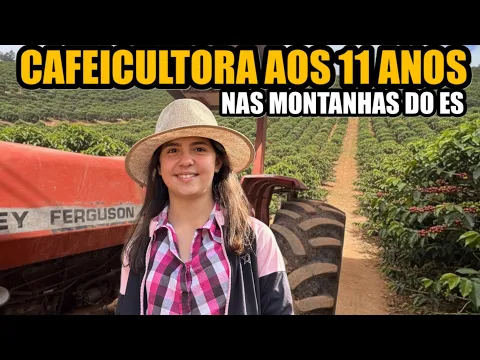

The property where Luna lives is, at the same time, memory and future. The land belonged to her grandfather, passed to her father and uncles and was recently divided, maintaining the family origin as the base of the business.
Some crops are old, planted during the grandparents’ time, while another part was established by the current generation, in a movement that combines tradition and renewal.
In the coffee area, the family works with varieties like yellow catuaí and red catuaí.
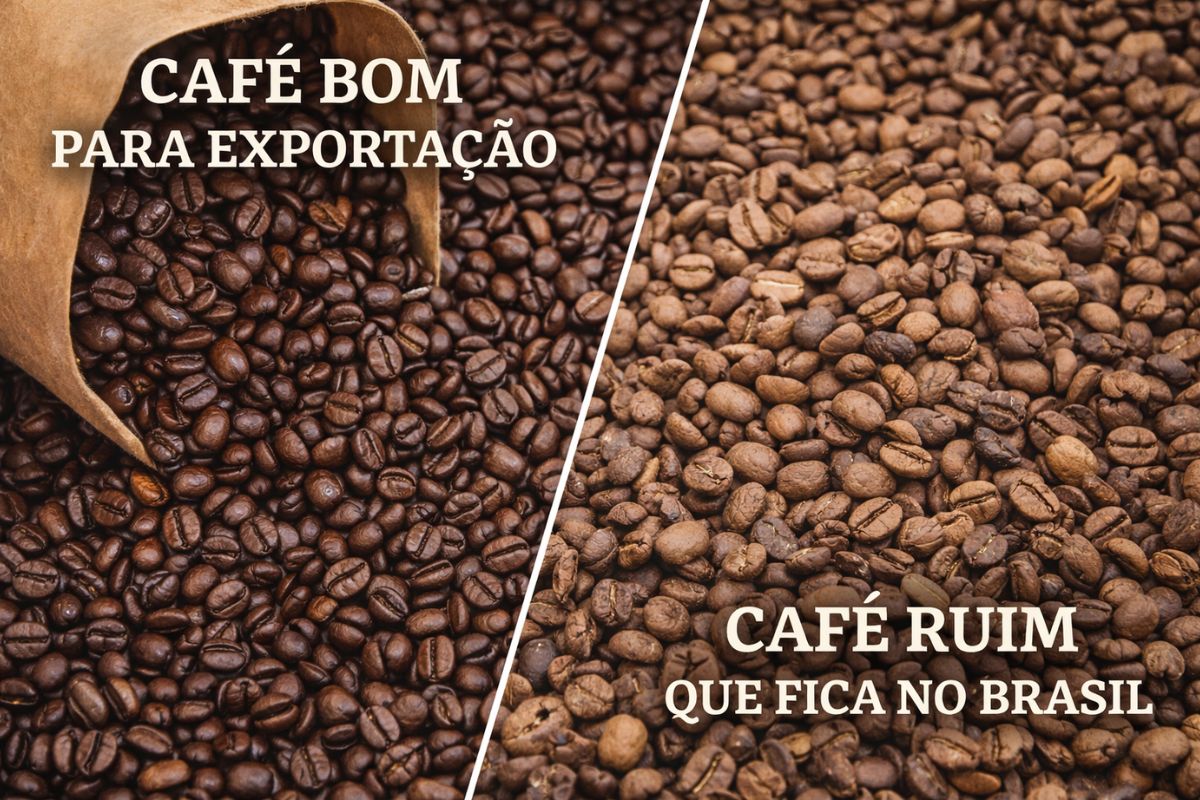
The quality of the product is evident in the numbers: the coffee has already reached around 89 points, being sold even outside Brazil.
Each lot is treated separately, identified, and dried individually to preserve quality and honor the effort of those who have spent their entire childhood in the fields.
Lots with different scores are not mixed, which reinforces the technical care with the final product.
From Tree To Yard: Simple Technology And Precision In The Process
The harvest routine begins still in the fields, with the selection of the fruits. Part of the coffee is depulped to add quality and value.
The process involves equipment that separates the ripe coffee, the unripe, and the so-called floaters, each directed to a specific destination.
The peeled ripe coffee goes to greenhouses with screen structures, allowing drying from above and below, speeding up the process and preserving sensory characteristics.
The floaters, on the other hand, are dried on concrete yards or earth yards when the structure is already occupied.
Nothing is treated as simple “waste”: even the coffee husk is used in composting, returning to the soil as fertilizer and closing a productive cycle coherent with those who spent their entire childhood in the fields.
The energy that powers some of the machines comes from solar panels shared by the family, a solution that reduces costs and increases the autonomy of the property.
This balance between traditional techniques and modern resources shows that the countryside can be efficient without abandoning its identity.
Animals, Garden, And Autonomy In The Daily Life Of The Farm
Luna’s life does not revolve solely around coffee.
Pigs, chickens, and a garden compose the scenery of the house and ensure a good part of the family’s daily consumption.
Newborn pigs, laying hens, always available eggs, and a routine of cooking food for the animals help balance the budget and decrease dependency on the supermarket.
This daily coexistence with animals, plants, and production cycles strengthens the perception that an entire childhood spent in the fields is also a school of practical sustainability.
Everything that can be repurposed goes back into the productive system, whether as food or organic input for the land.
Autonomy is not only economic but also cultural and emotional: the family builds its own path based on what it produces.
Rural Identity, Social Media, And New Paths
Luna transformed her daily life into a narrative.
On social media, she shares scenes from the farm, records with her younger brother, shows the yard, the fields, and behind-the-scenes of special coffee production.
Additionally, she has participated in web series, films, and even a commercial, always bringing along her accent, simple demeanor, and reference to the countryside as an inseparable part of her identity.
For her, the future does not mean abandoning the fields but expanding possibilities.
An entire childhood spent in the fields has become a differentiator, not an obstacle, in building her own life project.
Coffee, which was once just the work of her grandparents and parents, is now also language, content, and a gateway for dialogues with those living in the city and who know little about rural reality.
Strength, Simplicity, And Pride In Espírito Santo’s Interior
Luna’s story synthesizes a reality that often goes unnoticed: behind every cup of coffee are families, generations, and children growing up among coffee plants, sieves, yards, and dirt roads.
In the interior of Espírito Santo, this entire childhood spent in the fields translates into discipline, respect for the rhythms of nature, and pride in keeping alive a productive culture that sustains local economies and life stories.
More than romanticizing the countryside, Luna’s journey shows that strength and simplicity can walk hand in hand, as long as there is family support, educational opportunities, and space for rural youth to also engage in public debate, whether on social media or in other projects.
In this context, farming ceases to be seen as a “lack of options” and becomes perceived as a conscious choice, full of challenges, but also with concrete possibilities for the future.
And you, upon learning Luna’s story, do you believe you would want to live a childhood as close to the fields as hers?









-

-

-

-

9 pessoas reagiram a isso.