





 Português
  Inglês
  Espanhol
  4 min de leitura
  0 comentários



Inflation in Argentina Slows to 1.9% in August, but Political Crisis and Peso Decline Put Javier Milei’s Economic Adjustment at Risk.
Argentina’s inflation registered 1.9% in August, according to data from the Consumer Price Index (CPI) released by the National Institute of Statistics and Censuses (Indec). The result was slightly below market expectations, which anticipated a rate of 2%.
The figure matches July’s level, when the country also recorded 1.9%. In the 12-month period leading up to August, inflation reached 33.6%, down from 36.6% the previous month, reflecting a gradual slowdown following the first months of Javier Milei’s government.
Sectors with Highest Increases for the Month
Among the segments that most pressured prices in August were transportation, with an increase of 3.6%, and alcoholic beverages and tobacco, which rose by 3.5%.
-
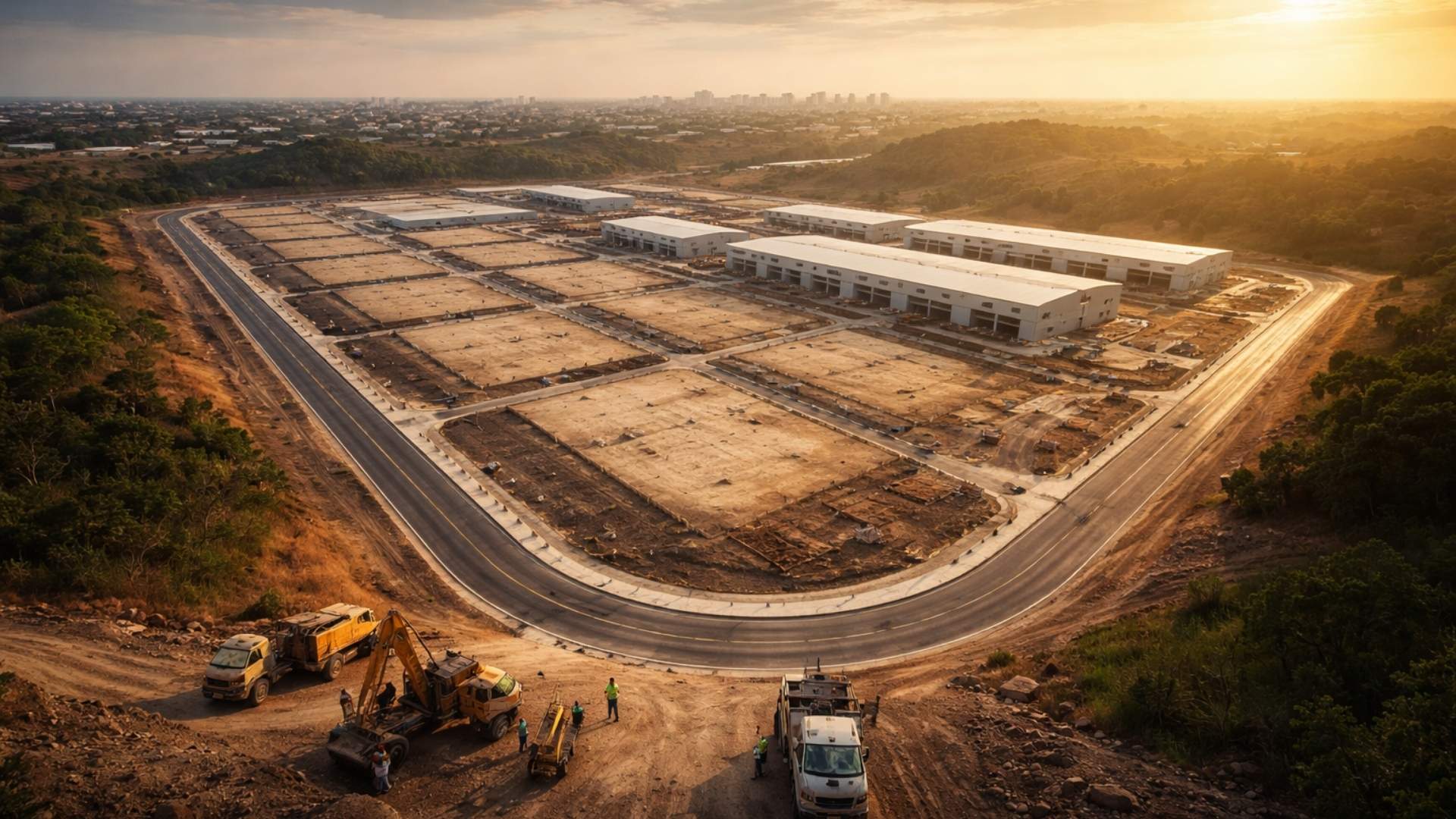
Brazilian city gains industrial hub for 85 companies that is equivalent to 55 football fields.

-
Peugeot and Citroën factory in Argentina cuts production by half and opens a layoff program for more than 2,000 employees after Brazil drastically reduced purchases of Argentine vehicles.

-
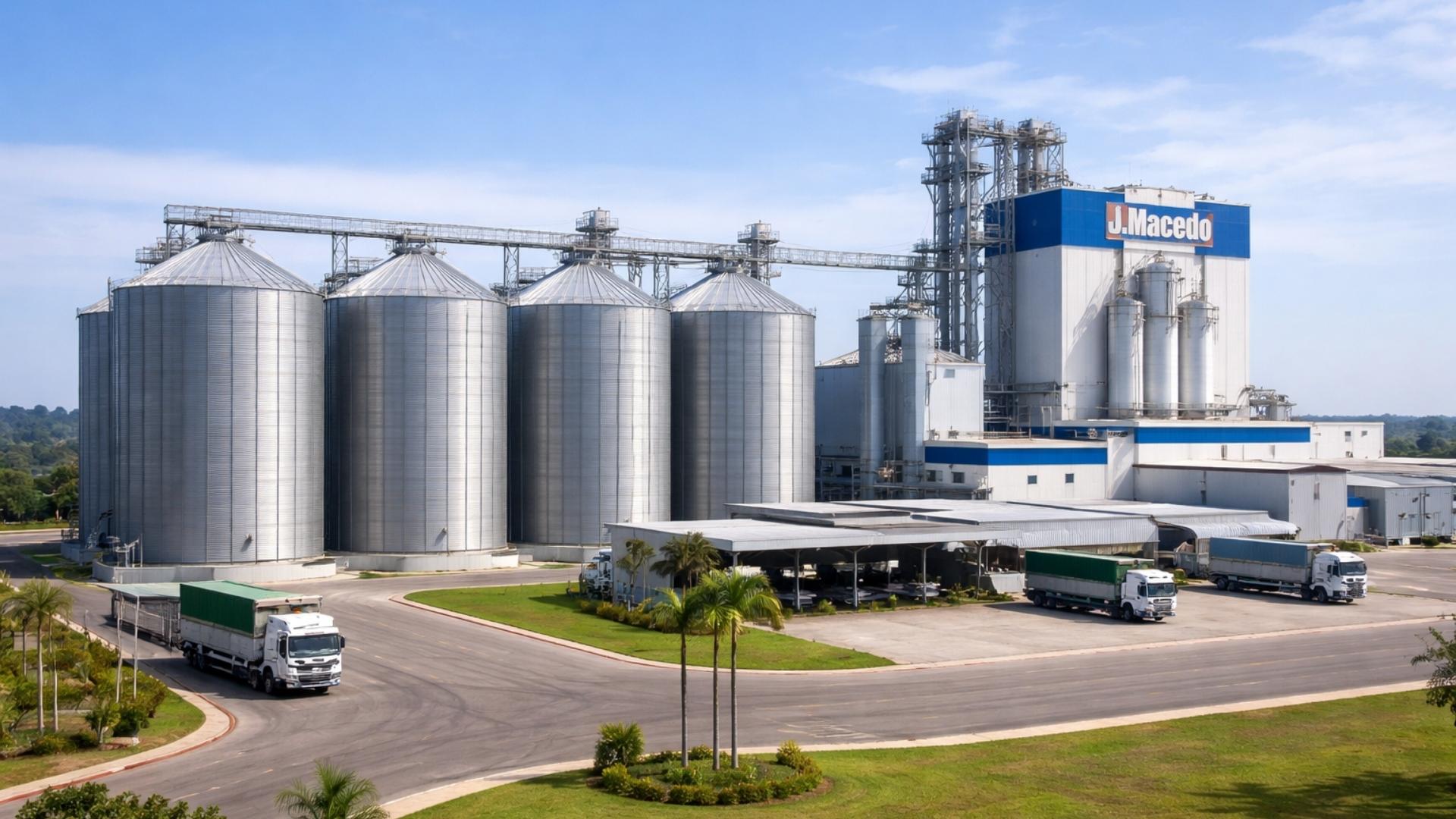
A Brazilian city gains a factory worth R$ 300 million with the capacity to process 200 thousand tons of wheat per year, a mill of 660 tons/day, silos for 42 thousand tons, and an industrial area of 276 thousand m².
-
Havan will leave the shopping mall in Blumenau to inaugurate something that the chain has never done before: a megastore in half-timbered style in the Historic Center of the city, which is expected to be completed in May and change the landscape of local retail.


Restaurants and hotels saw a rise of 3.4%, while housing, water, electricity, gas, and other fuels increased by 2.7%. Education recorded a variation of 2.5%.
Despite the overall slowdown, data from Indec shows that inflation in Argentina remains resistant to consistently falling below 2% per month.
In 2025, monthly indices have fluctuated between 2% and 3%, following sharper declines in the first year of Milei’s administration.
Economic Adjustment and Social Effects
Since taking office in December 2023, Javier Milei has adopted a severe economic adjustment. Federal projects have been suspended, and funding transfers to the states have been halted.
Subsidies for water, gas, electricity, public transport, and other essential services have also been removed, leading to a significant increase in consumer prices in the initial months of his term.
The adjustment policy coincided with a rise in poverty in early 2024, when 52.9% of the population began living in that condition.
In the second half of the year, the percentage dropped to 38.1%, equivalent to 11.3 million people, but popular protests intensified.
Political Crisis Worsens the Scenario
While attempting to keep inflation in Argentina under control, Milei faces a political crisis that has shaken his support base.
In recent weeks, a scandal involving Karina Milei, his sister and secretary-general of the Presidency, triggered a judicial investigation.
An audio attributed to Diego Spagnuolo, former head of the National Agency for Disability (Andis), accuses Karina Milei and the Undersecretary of Institutional Management, Eduardo “Lule” Menem, of soliciting bribes from pharmaceutical companies for the purchase of medications for the public health system.
The accusation undermined the government’s credibility and occurred just before the Buenos Aires provincial elections, in which Javier Milei suffered a significant defeat. The province accounts for nearly 40% of the national electorate.
Impact on the Market and the Argentine Peso
The electoral setback intensified pressure on the country’s financial assets. On the Monday following the election, government bonds and shares of Argentine companies plummeted.
The Argentine peso fell 27% against the dollar, reaching a historic low of 1,423 per dollar.
The devaluation forced the president to call his cabinet to discuss emergency measures in light of the loss of investor confidence.
The exchange rate instability poses a direct risk to inflation in Argentina, which depends on maintaining the peso’s value to avoid pass-through to internal prices.
Billion-Dollar Agreement with the IMF
Despite recent turbulence, Milei secured significant external support in April 2025 by striking a $20 billion agreement with the International Monetary Fund (IMF).
The first installment, amounting to $12 billion, was released just a few days after the announcement.
The funds add to Argentina’s existing debts with the IMF, which already exceeded $40 billion.
The agreement signals the fund’s confidence in Milei’s economic program, which aims to eliminate capital controls and attract private investments.
The government considers it essential to maintain inflation below 2% per month to proceed with the exchange rate liberalization. Following the agreement, the Central Bank of Argentina announced the end of the fixed parity of the peso and introduced a floating exchange rate.
Monetary and Exchange Measures
To support the program with the IMF, the government launched a series of monetary, fiscal, and exchange measures.
In May, it authorized the use of dollars held outside the financial system without requiring proof of origin.
In June, it implemented relaxations for transactions with pesos and dollars in the public bond market and planned to raise $2 billion through new issuances. It also promised to reduce the issuance of currency by the Central Bank of Argentina.
In light of the sharp decline of the peso before the Buenos Aires elections, the National Treasury announced on September 2 that it would start intervening directly in the exchange market, buying and selling dollars to avoid abrupt devaluations.
Javier Milei’s government seeks to contain inflation in Argentina while attempting to stabilize the exchange rate and regain market confidence.
The success of these measures will be decisive for maintaining the agreement with the IMF and advancing the economic adjustment initiated in 2023.
However, the political crisis and the recent devaluation of the peso cast uncertainties over the government’s ability to sustain the downward trajectory of inflation in the coming months.









-

-

-

-

-

-

15 pessoas reagiram a isso.