





 Portuguese
  English
  Spanish
  4 min of reading
  0 comments


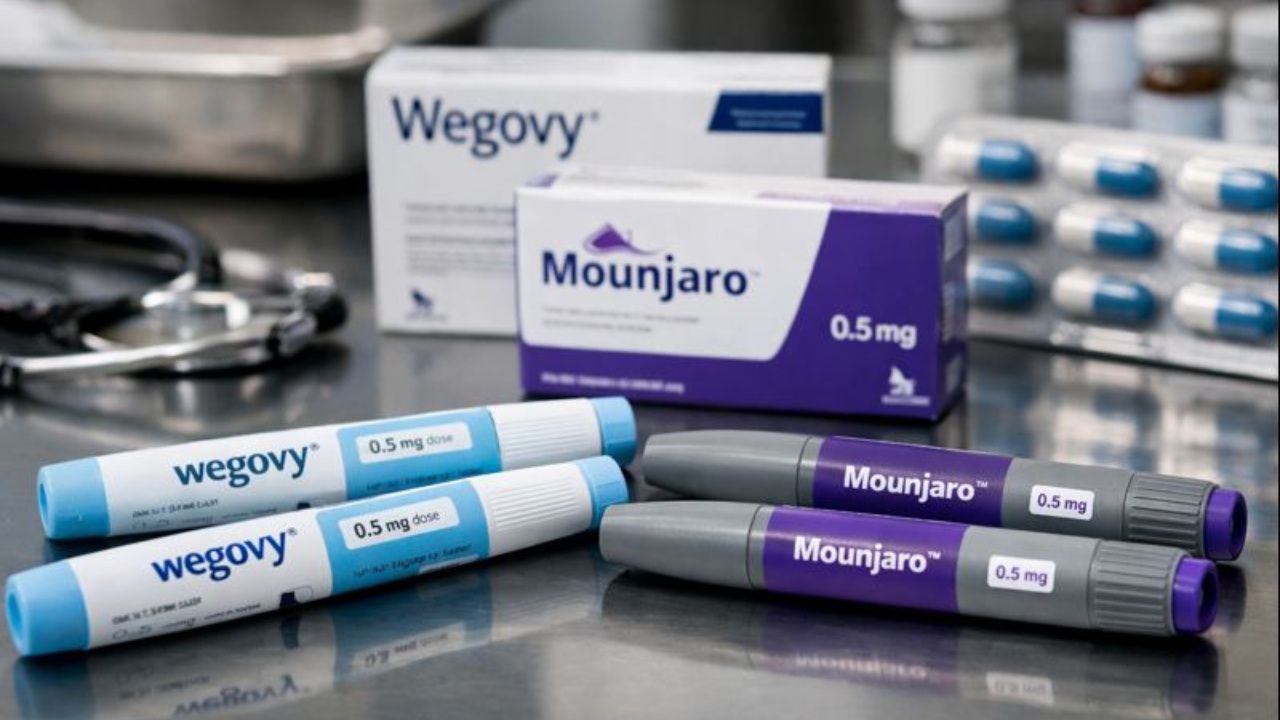
Study Warns That Stopping Weight Loss Injections May Cause Accelerated Weight Gain, Like the Rebound Effect of Wegovy and Mounjaro.
A recent scientific analysis indicates that weight loss injections, such as Wegovy and Mounjaro, may be associated with an accelerated return of body weight after treatment discontinuation.
The survey, published in the British Medical Journal, assessed when, how, and why patients regain weight, comparing the use of GLP-1 medications with traditional diets and exercises.
According to the data, the phenomenon primarily occurs after stopping the injections, raising alarms about obesity treatment and its long-term management.
-
A “silent skill” is allowing Brazilians to earn up to R$ 22,000 per month without a degree and become indispensable for companies that rely on millions of data to survive.

-
Researchers at the Toyota Research Institute found that if a human uses robotic arms to flip a pancake 300 times in an afternoon, the robot learns to do it on its own the next morning, and this is currently the most promising method to solve the biggest bottleneck in modern robotics.

-
Goodbye iron: a common item in households is starting to lose space to technology that smooths clothes in minutes without an ironing board and with less energy consumption.

-
Antarctica reveals an unusual clue high in the Hudson Mountains, and what appeared to be just an isolated rock began to expose a secret hidden under the ice for ages.


Weight Recovery After Stopping Weight Loss Injections
According to the study, overweight individuals lost about 20% of their body weight while using weight loss injections.
However, upon stopping the treatment, weight began to rise at an average rate of 0.8 kg per month.
This pattern indicates that, in approximately a year and a half, many patients return to their initial weight.
In comparison, those who only follow diet and exercise tend to regain weight at a slower pace, around 0.1 kg per month, though results vary among individuals.
Scientific Evidence and Limitations of the Study
The researchers analyzed 37 clinical studies involving more than 9,000 patients. Only eight of these works specifically evaluated the latest GLP-1 medications, such as Wegovy and Mounjaro.
Furthermore, the maximum follow-up after stopping the injections was one year.
For this reason, specialists stress that the figures represent estimates and do not fully reflect weight behavior in real life.
Expert Warning About the Rebound Effect of Wegovy
“People who buy these products need to be aware of the risk of rapid weight gain after the end of treatment,” warned Dr. Susan Jebb of the University of Oxford.
According to her, more studies are needed to understand the long-term effects of the injections.
The so-called rebound effect of Wegovy worries doctors because it can frustrate expectations and compromise patients’ emotional health.
Why Does Mounjaro Weight Gain Occur After Discontinuation
Dr. Adam Collins, a nutrition expert at the University of Surrey, explains that Mounjaro weight gain after discontinuation may be linked to how the GLP-1 hormone works.
The injections mimic this natural hormone, which is responsible for regulating hunger.
“Providing artificially high levels of GLP-1 may reduce the body’s natural hormone production and its sensitivity to it,” he said.
Thus, when the medication is stopped, appetite is no longer controlled, increasing the likelihood of overeating.
For many patients, stopping abruptly becomes a significant challenge.
Patient Reports and Relapse Risk
Some people describe the feeling of stopping use as “a switch turning on,” leading to intense hunger. One patient reported:
“It was like something opened in my mind and said, ‘Eat everything.’”
These reports reinforce the view that obesity treatment should not rely solely on appetite suppression, but also on lasting behavioral changes.
Medical Recommendations and the Role of the Health System
In the United Kingdom, the NHS recommends injections only for people with obesity associated with health risks.
Moreover, doctors should prescribe balanced nutrition and physical activity to assist in weight maintenance.
Experts argue that, in many cases, treatment needs to be ongoing, given the chronic nature of obesity.
Increasing Use and Public Interest
Estimates from University College London indicate that about 1.6 million adults in the UK used these injections in the past year.
The majority obtained the medications through private prescriptions.
Additionally, 3.3 million people stated they are interested in using weight loss injections in the coming year. Use is more common among women and individuals aged 40 to 50.
Potential Benefits and Pharmaceuticals Positioning
Professor Naveed Sattar from the University of Glasgow states that even use for two or three years can provide additional health benefits, such as less impact on joints, heart, and kidneys.
Eli Lilly, the manufacturer of Mounjaro, emphasized that treatment should always be accompanied by healthy habits.
Meanwhile, Novo Nordisk, responsible for Wegovy, stated that the results reinforce the chronic nature of obesity, indicating that ongoing treatment may be necessary, just as in diseases like diabetes and hypertension.
In summary, the study reinforces that weight loss injections can be effective but require medical supervision and long-term strategies to prevent weight gain after discontinuation.







-

-

2 pessoas reagiram a isso.