





 Portuguese
  English
  Spanish
  2 min of reading
  0 comments


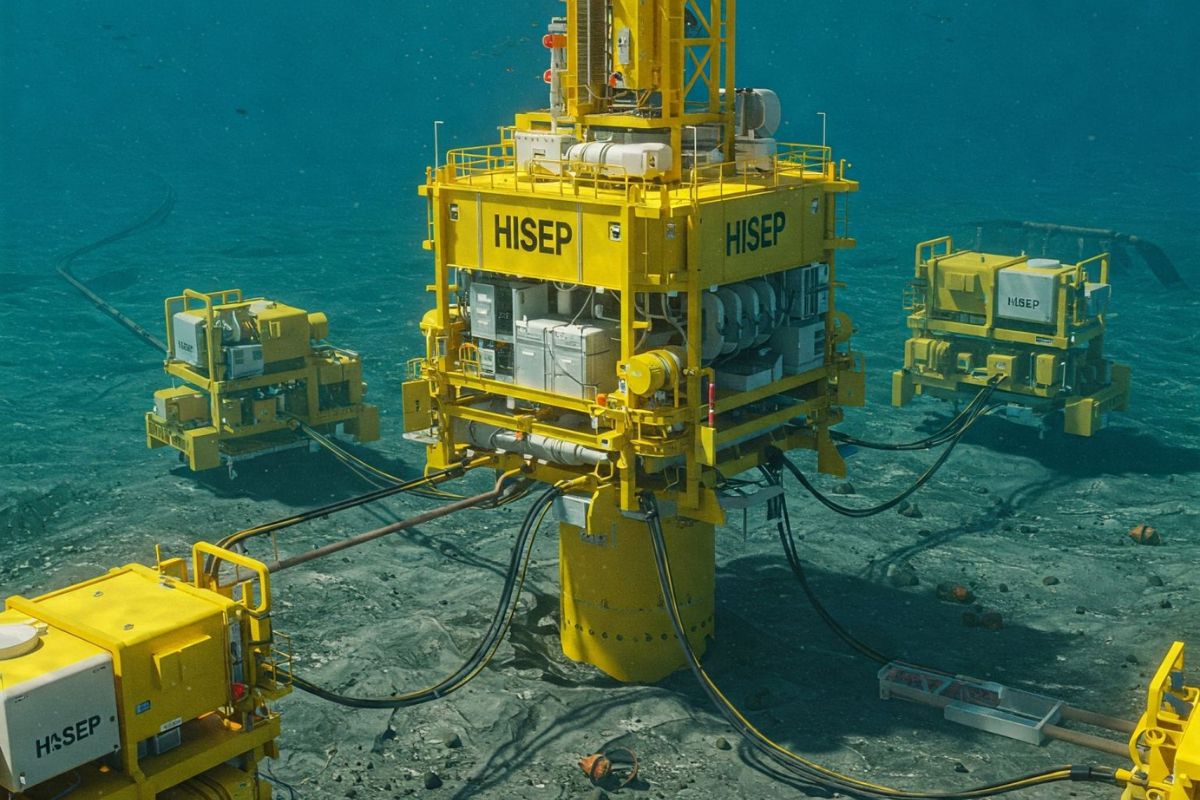
Brazilian Innovation from Petrobras for Submarine CO2 Separation Aims to Optimize Production, Reduce Costs and Emissions in Oil and Gas Exploration in Deep Waters.
An important Brazilian innovation is under development for the oil and gas sector. It is the HISEP (High Pressure Separation) technology. Led by Petrobras, it has strategic partners such as TechnipFMC.
According to Ivan Delduga, HISEP enables the separation of CO2-rich gases directly on the seabed. It also allows for the reinjection of these gases into the reservoir. This approach can redefine underwater processing in deep waters.
What Is HISEP Technology? CO2 Separation on the Seabed
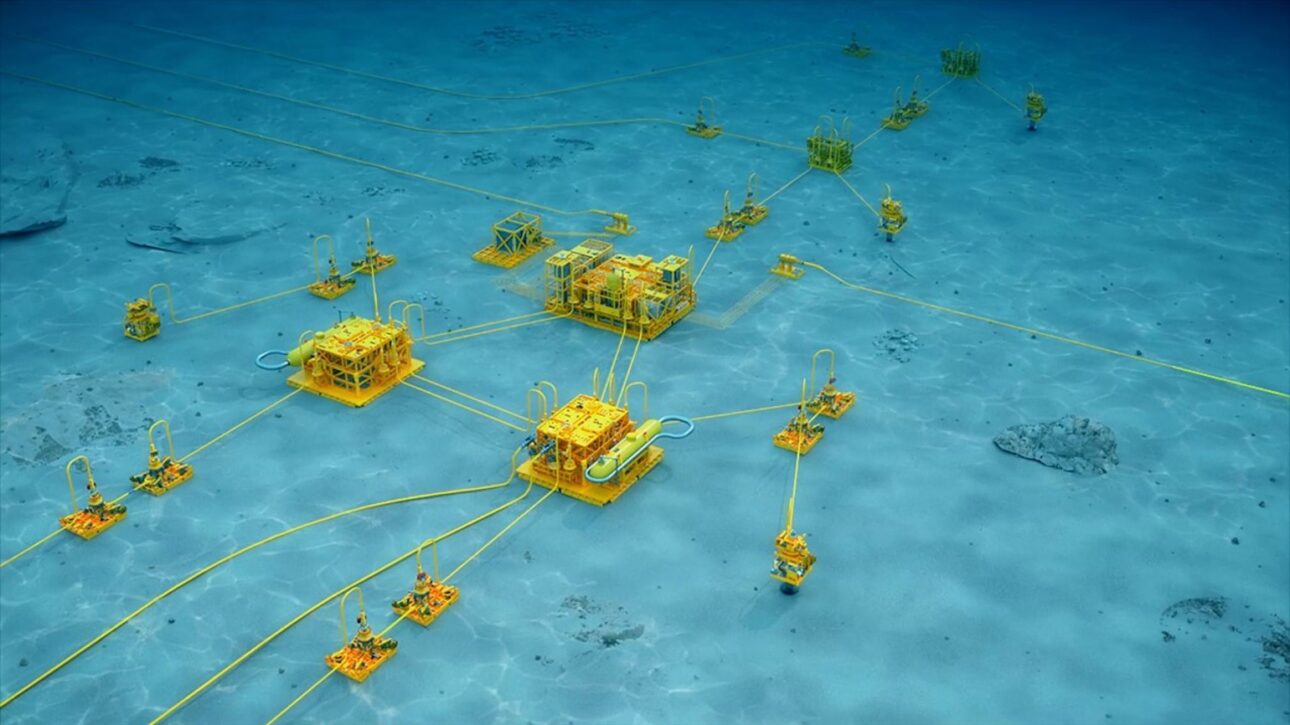
The Brazilian innovation HISEP represents an advance in offshore processing methods. Its main function is to separate the carbon dioxide (CO2) present in natural gas. The big difference is that this separation occurs on the seabed. This transfers part of the processing that is currently done on platforms (FPSOs) to the underwater environment. The separated CO2 can then be reinjected directly into the original reservoir.
-
Offshore industrial demand in Macaé skyrockets with the recovery of oil and gas and could grow by up to 396% by 2026 in the Campos Basin.
-
Offshore industrial demand in Macaé surges with the recovery of oil and gas and could grow by up to 396% by 2026 in the Campos Basin.
-
Brazilian giant expands borders in the Southeast: Petrobras confirms new oil discovery in ultra-deep waters in the pre-salt of the Campos Basin.

-
Alert in the global energy market: Severe tropical cyclone hits the coast and disrupts gas production at major plants in Australia, threatening global supply.


Direct Impact on Decarbonization and Production Optimization
The implementation of the Brazilian innovation HISEP brings significant environmental and operational benefits. Firstly, it contributes to decarbonization. By separating and reinjecting CO2 on the seabed, it reduces the intensity of greenhouse gas emissions from operations. This is crucial for the energy transition and represents a competitive advantage.
In addition, the technology optimizes production. It helps to reduce bottlenecks in gas processing on the platforms. This increases the capacity for oil and gas production and improves overall operational efficiency.
Less Space on Platforms, More Efficiency and Reduced Costs
Another significant impact of HISEP is space optimization. By moving CO2 separation to the seabed, it decreases the need for large processing equipment on the platforms (FPSOs). Although HISEP requires new underwater structures (such as separation systems, pumps, lines, and umbilicals), these installations are designed to be more compact. This enables the use of smaller FPSOs. Consequently, there is a significant reduction in operational (OPEX) and capital (CAPEX) costs. The cost reduction makes new exploration and production projects viable.
HISEP in Practice: The Brazilian Innovation Mero 3 as an Example
The HISEP technology is already being implemented in real projects. One example is the Mero 3 project. In this venture, TechnipFMC is working on delivering the HISEP solution. Projects like this demonstrate the transformative potential of this Brazilian innovation for the future of the offshore industry.








Seja o primeiro a reagir!