





 Português
  Inglês
  Espanhol
  3 min de leitura
  0 comentários



INSS May Be Required to Pay BPC for Women in Vulnerability. STF Decision Could Expand the Social Protection Network and Ensure Financial Support for Victims of Domestic Violence.
The debate over whether the INSS may be required to pay BPC for women in vulnerability has reached the Supreme Federal Court (STF) and promises to significantly alter social protection policy in Brazil. The trial, interrupted after a request for a view by Minister Kássio Nunes Marques, assesses whether the Continuous Cash Benefit can also be granted to victims of domestic violence in economic risk situations.
Currently, the BPC is intended only for low-income elderly individuals and people with disabilities. However, the possible expansion to women in vulnerability opens the door for structural change in public policies, ensuring financial autonomy in critical moments and reducing dependence on the aggressor.
The Importance of the STF Decision
The trial at the STF goes far beyond a legal interpretation. It involves social, economic, and human rights issues. If approved, the benefit would become a fundamental financial protection tool, especially for women without formal employment ties.
-
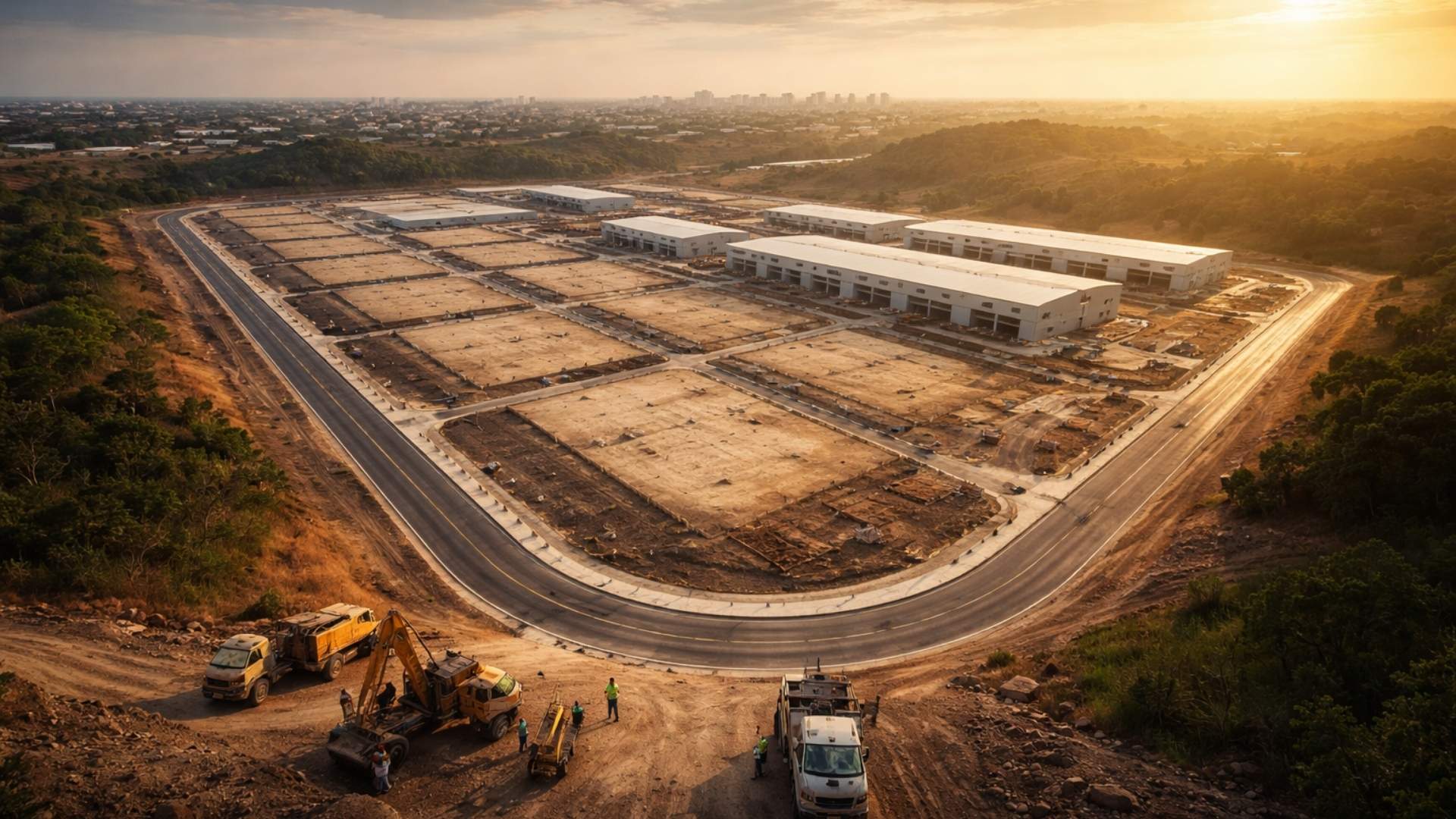
Brazilian city gains industrial hub for 85 companies that is equivalent to 55 football fields.

-
Peugeot and Citroën factory in Argentina cuts production by half and opens a layoff program for more than 2,000 employees after Brazil drastically reduced purchases of Argentine vehicles.

-
A Brazilian city gains a factory worth R$ 300 million with the capacity to process 200 thousand tons of wheat per year, a mill of 660 tons/day, silos for 42 thousand tons, and an industrial area of 276 thousand m².

-
Havan will leave the shopping mall in Blumenau to inaugurate something that the chain has never done before: a megastore in half-timbered style in the Historic Center of the city, which is expected to be completed in May and change the landscape of local retail.


According to the rapporteur Flávio Dino, the measure acknowledges that leaving work due to violence requires quick and effective responses from the State. If the INSS assumes this responsibility, the impact will be twofold: offering immediate safety for victims and reinforcing the role of Social Security as a protection network.
What Changes for the INSS and for Victims
If the decision is confirmed, the INSS will need to adjust its internal processes and increase the budget to meet the new demand. In the first 15 days of leave, the responsibility will continue to lie with the employer; after that, the benefit will be funded by Social Security.
For victims, access to the BPC can mean a fresh start with dignity, allowing them to break the cycle of violence and report it with greater safety. Furthermore, the benefit would serve as an incentive for autonomy, reducing financial dependence on the aggressor — one of the main obstacles to breaking free from domestic violence.
Accountability for Aggressors
Another point under discussion is the implementation of regressive actions against aggressors. The idea is that the State, after granting the benefit, seeks to recover the amounts from the aggressor, a practice already adopted in cases of death pension.
This measure would have a pedagogical character, imposing direct financial consequences on aggressors and discouraging new occurrences of violence. Additionally, it would help preserve the sustainability of Social Security and ensure reparative justice for victims.
Social Benefits of the BPC for Women in Vulnerability
The granting of the benefit would represent more than financial support. Among the direct impacts are:
- Immediate financial protection, preventing the victim from being left without income.
- Autonomy to seek new paths, including reentering the job market.
- Reduction of recidivism in domestic violence, as economic dependence is decreased.
Experts believe that this change could become a model for public policy in other contexts of social risk, consolidating a broader protection network.
Implementation Challenges
Despite the positive potential, the measure will require strong coordination among the Federal Government, States, and Municipalities. Among the main challenges are:
- Training INSS staff to deal with the new public.
- Defining clear and accessible criteria for proving violence.
- Integration with other public policies, such as legal assistance and shelters.
- Preventing fraud and ensuring that the benefit reaches those who truly need it.
The expectation is that the STF will resume the trial in 2025. If the decision is favorable, Brazil may witness an unprecedented expansion of social rights for women victims of domestic violence.
This change may also influence other debates about Social Security, reinforcing the role of the State in combating vulnerability and promoting citizenship.
Do you believe that the INSS should take on this role and pay the BPC for women in vulnerable situations? Do you think this could change the way Brazil combats domestic violence? Leave your opinion in the comments — your perspective is essential for this debate.









-

Uma pessoa reagiu a isso.