





 English
  Francês
  Alemão
  Italiano
  Japonês
  Norueguês
  Portuguese
  Spanish
  3 min of reading


Brazilian Petroleum and Gas Institute Has No Restrictions on the Direct Sale of Hydrated Ethanol. Meanwhile, It Believes That Fuel Prices Will Not Benefit Consumers with the End of Brand Loyalty
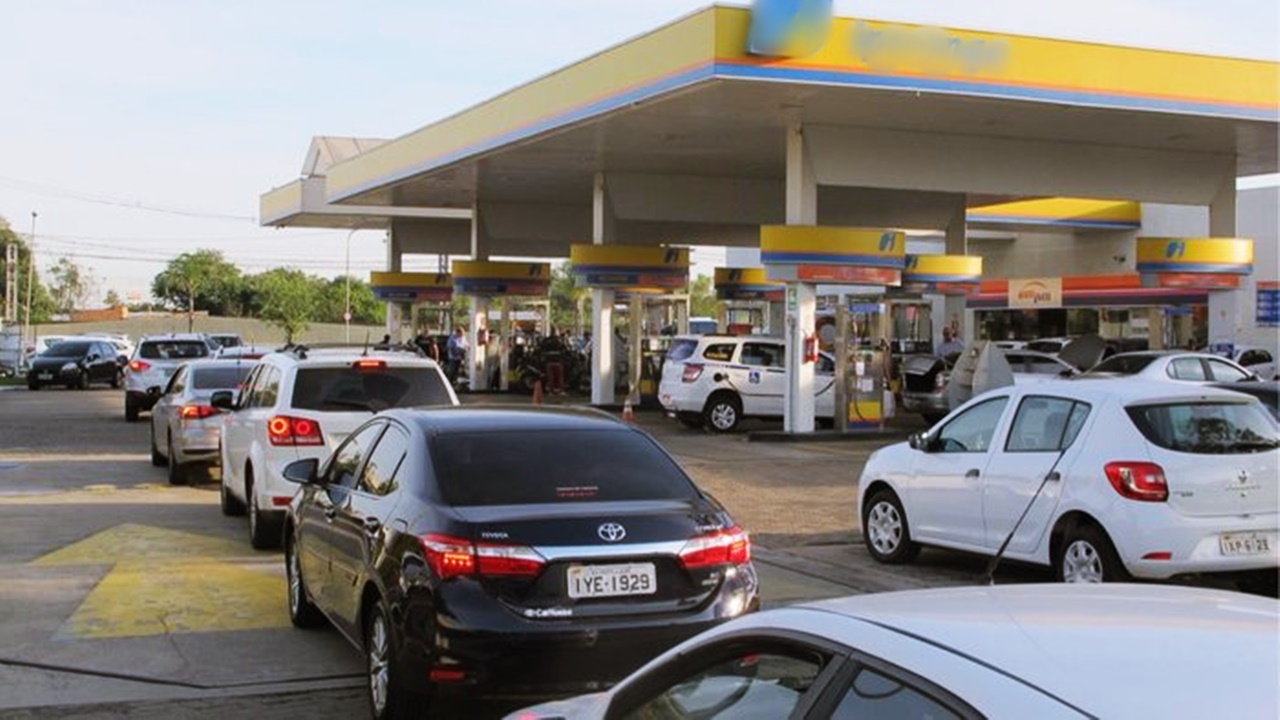
The Brazilian Petroleum and Gas Institute (IBP) positions itself regarding the changes in fuel commercialization approved yesterday (11/08) by the Government, which advocates for the direct sale of ethanol from refineries and the end of brand loyalty at gas stations. The agency supports the current rules governing the resale market for derivatives, which allows coexistence between non-exclusive brand models and exclusive ones, ensuring consumers of fuels across the country that the products of the brand displayed at the stations come from the distributor with which the reseller has a commercial partnership. This point is a premise for transparent and fair competition.
Read Also
- End of Brand Loyalty at Gas Stations and Direct Sale of Ethanol from Refineries Approved; Measures Promises to Stimulate Competition and Curb Gasoline Price Increases
- Coconut Husk Ethanol Developed by Brazilian University Promises to Change the World of Renewable Energy
- Reduction of Biodiesel in Fuel May Backfire and Trigger Industry Bankruptcies and Unemployment
- Ethanol Price Reaches Nearly 5 Reais at Pumps and Filling Up with Gasoline Becomes More Advantageous in Some Brazilian Regions
- Biodiesel Blending in Diesel May Damage Engines and Raise Fuel Prices, Say Entities Representing Over 200,000 Businesses in the Sector
- Raízen Announces Acquisition of Paraguayan Company for US$ 130 Million and Celebrates Sales of 460 Million Liters of Cellulosic Ethanol Over Nine Years
In this sense, the Institute expresses surprise regarding the Provisional Measure presented this Wednesday (11.08), which opens up the possibility of commercializing products from other suppliers at stations with specific brands, considering the current regulatory review process being conducted by the ANP (National Agency of Petroleum, Natural Gas and Biofuels).
Brazilian Petroleum and Gas Institute Believes the Proposal Offers No Benefits in Terms of Price and Information to the Consumer
We believe that the legislative proposal does not offer benefits in terms of price and information to the consumer but increases regulatory and fiscal costs and creates a disruption in a very mature and complex market.
-
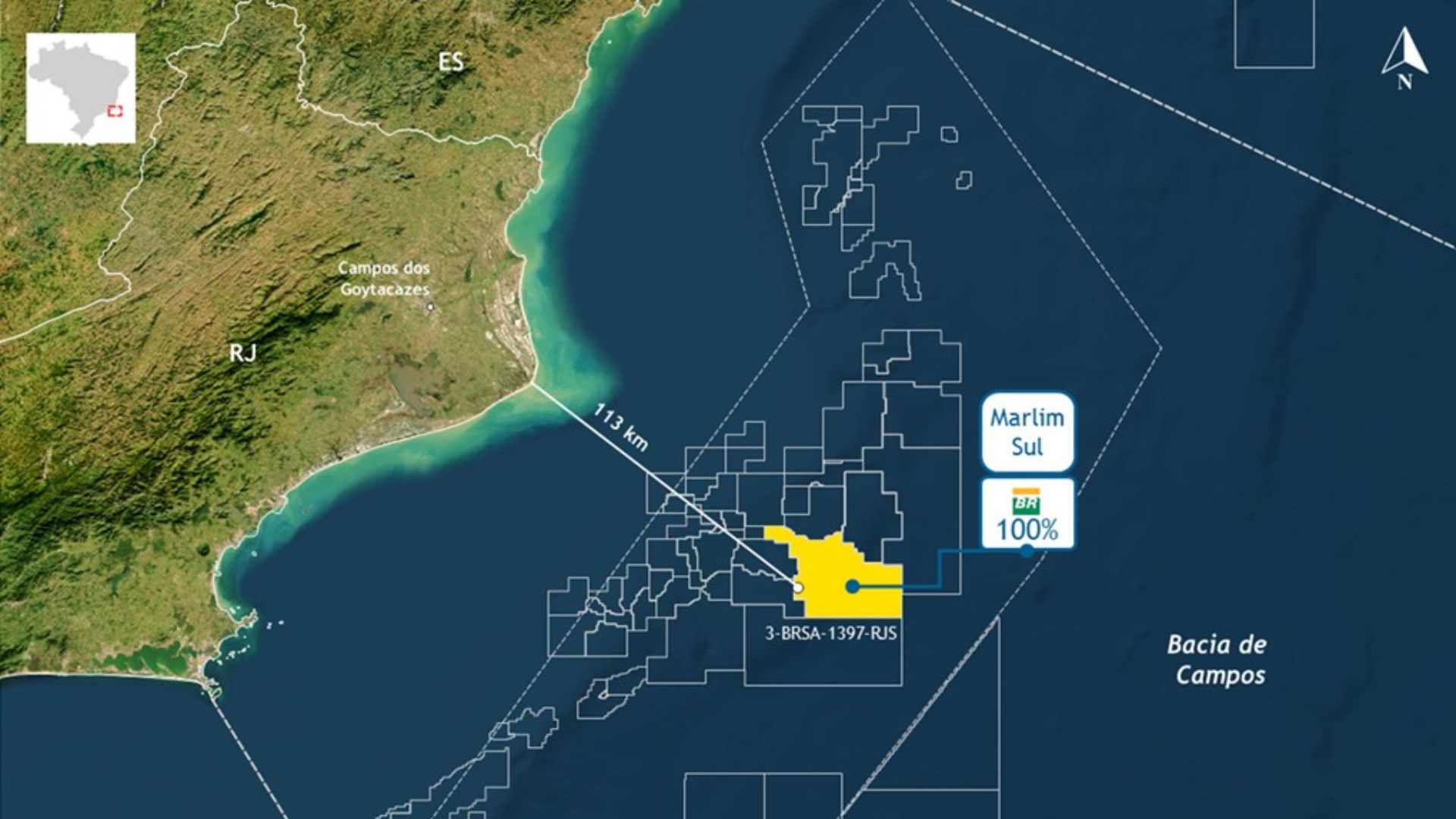
Brazilian giant expands borders in the Southeast: Petrobras confirms new oil discovery in ultra-deep waters in the pre-salt of the Campos Basin.

-
Alert in the global energy market: Severe tropical cyclone hits the coast and disrupts gas production at major plants in Australia, threatening global supply.

-
Petrobras finds high-quality oil in the pre-salt at 113 km from RJ and reignites expectations about strategic reserves in the Campos Basin.

-
Ocyan opens registrations for startups focused on innovation in the oil and gas sector and will select projects for Innovation Day with the support of Nexio.


In Brazil, gas stations already have the option to display or not display commercial brands from distributors. The so-called “white flag” stations represent about 47% of the market, showing competition between models.
The maintenance of brand loyalty displayed at reseller stations gives consumers certainty about the origin of the products. The customer has the right, guaranteed by the Consumer Defense Code, to identify the commercial brand of the distributor with whom they frequently interact and have more confidence in the products and services offered. In addition to the operational difficulties in segregating products of different origins in tanks and pumps and the virtually impossible separation of any added in-person and digital services, the clarity of communication to consumers will be compromised.
IBP Has No Restrictions on the Direct Sale of Hydrated Ethanol
IBP reinforces the need to respect brands for the benefit of consumers and the contracts and business models established as a fundamental pillar for the legal and competitive security necessary for making investments and ensuring supply across the vast national territory.
Regarding the direct sale of hydrated ethanol, IBP has no restrictions on its release as long as it includes the necessary tax treatment to preserve commercial and competitive equality among economic agents, pillars for an efficient and healthy market. The measure addresses PIS/Cofins taxation, but the ICMS regulation still needs to be settled by the Federal States.
The Institute also emphasizes the essential role of the ANP in regulating this important sector through established regulatory processes transparently and continues to believe that there are priorities for regulatory evolutions in the sector, particularly regarding the divestment process of Petrobras refineries, the fight against tax evasion of R$ 24 billion annually, and the structured inclusion of increasing biofuels in the transportation matrix.






Seja o primeiro a reagir!