





 English
  Francês
  Alemão
  Italiano
  Japonês
  Norueguês
  Portuguese
  Spanish
 4 min of reading
  0 comments


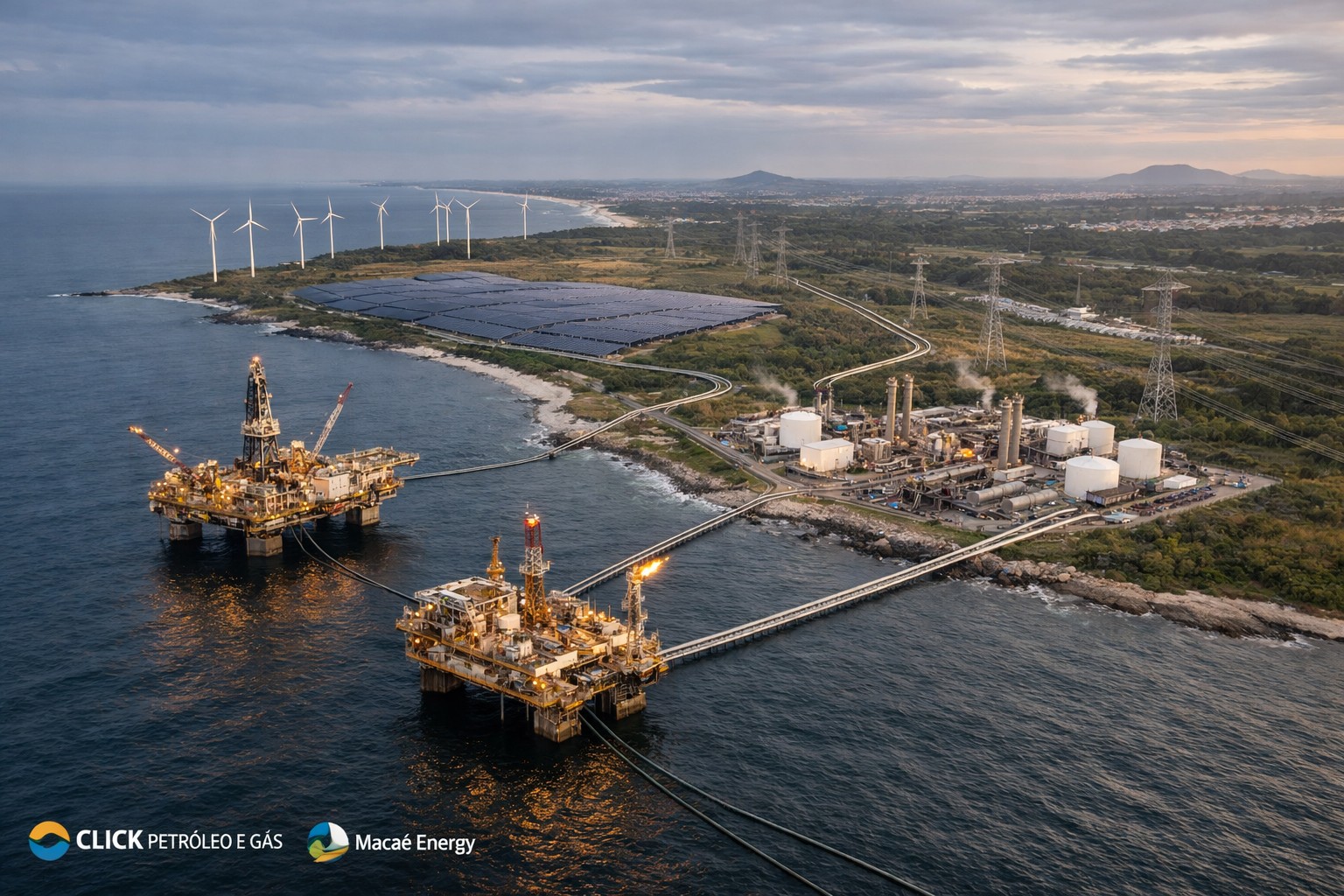
Experts Will Discuss How The Integration of Energy Sources and Systems Can Make The Sector More Efficient, Resilient, and Connected
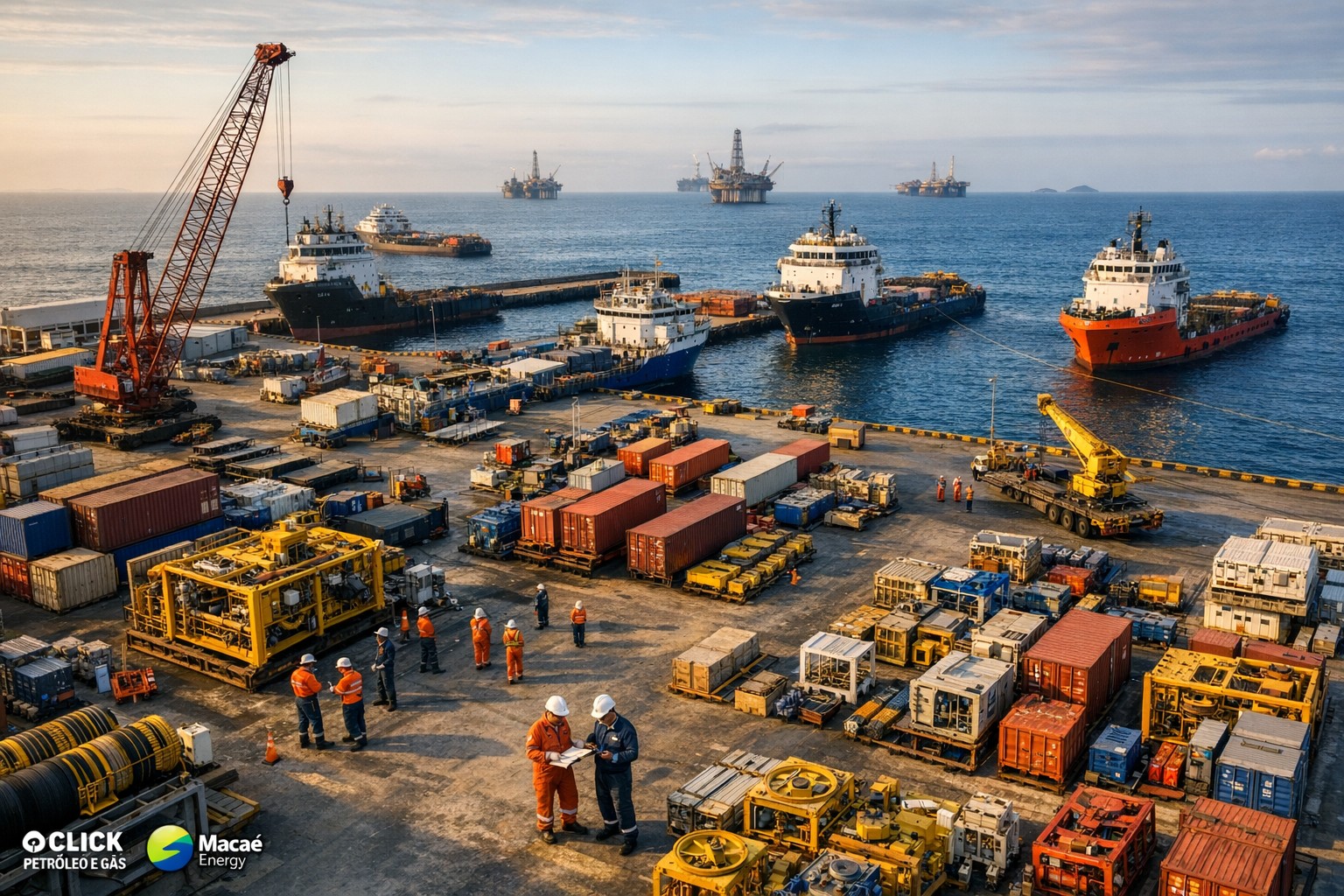
The energy integration has solidified itself as one of the main global trends in the energy industry and will be one of the strategic topics debated at Macaé Energy 2026, an event that will take place from March 17 to 19, 2026, at the Centro de Convenções Jornalista Roberto Marinho in Macaé, Rio de Janeiro, with special coverage by CLICK PETROLEUM AND GAS.
The concept involves the connection between different energy sources, production systems, logistical infrastructure, and consumer markets, creating a more efficient, resilient, and technologically integrated energy model.
This movement comes at a time of profound transformation in the global energy sector. According to the International Energy Agency (IEA), global energy demand is expected to grow by approximately 23% by 2040, mainly driven by economic growth and population expansion.
-
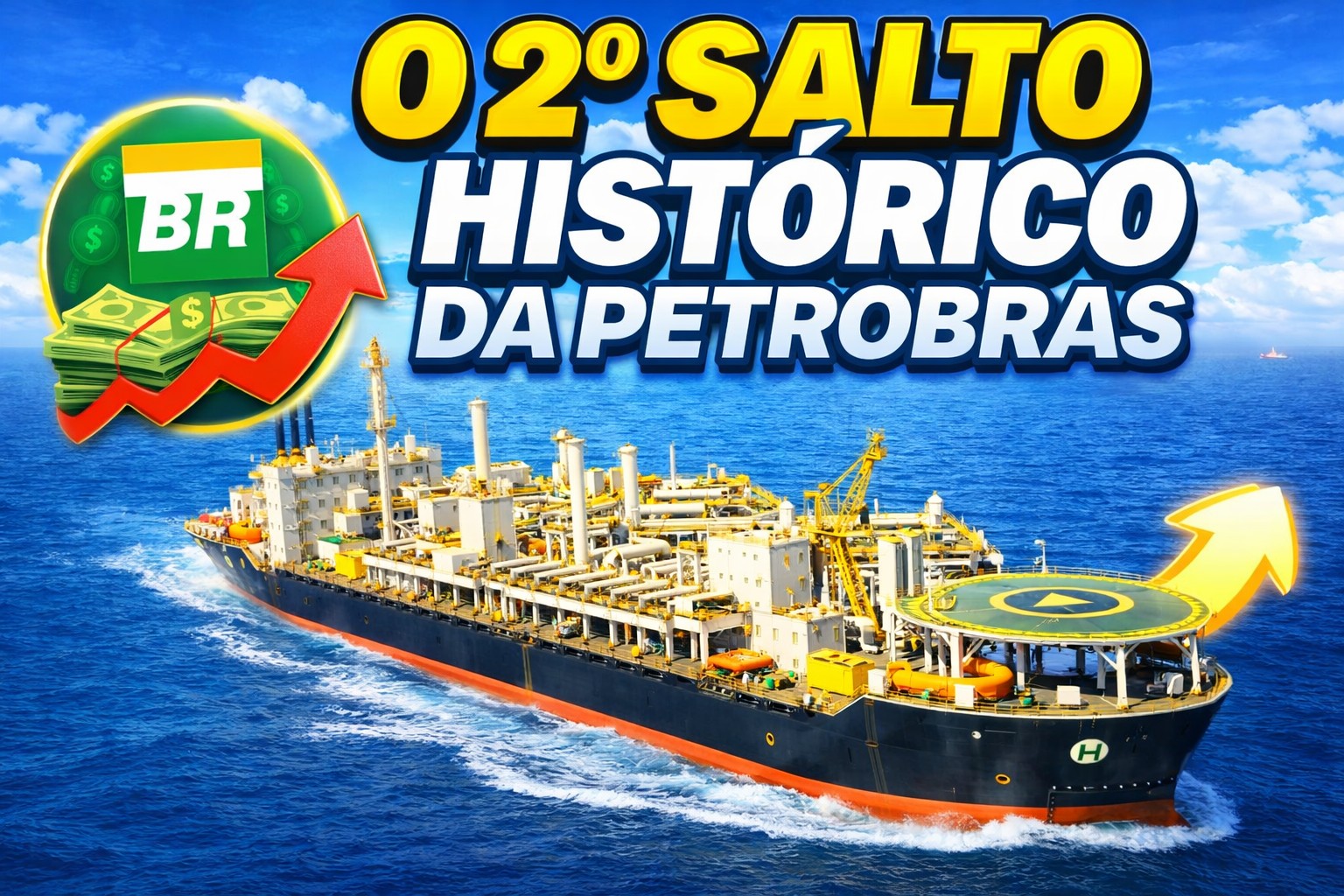
The largest South American oil company, Petrobras, is preparing for a historic leap in production with new FPSO platforms and the expansion of refining — projects that could add up to 900,000 barrels per day and strengthen Brazil’s energy security.
-
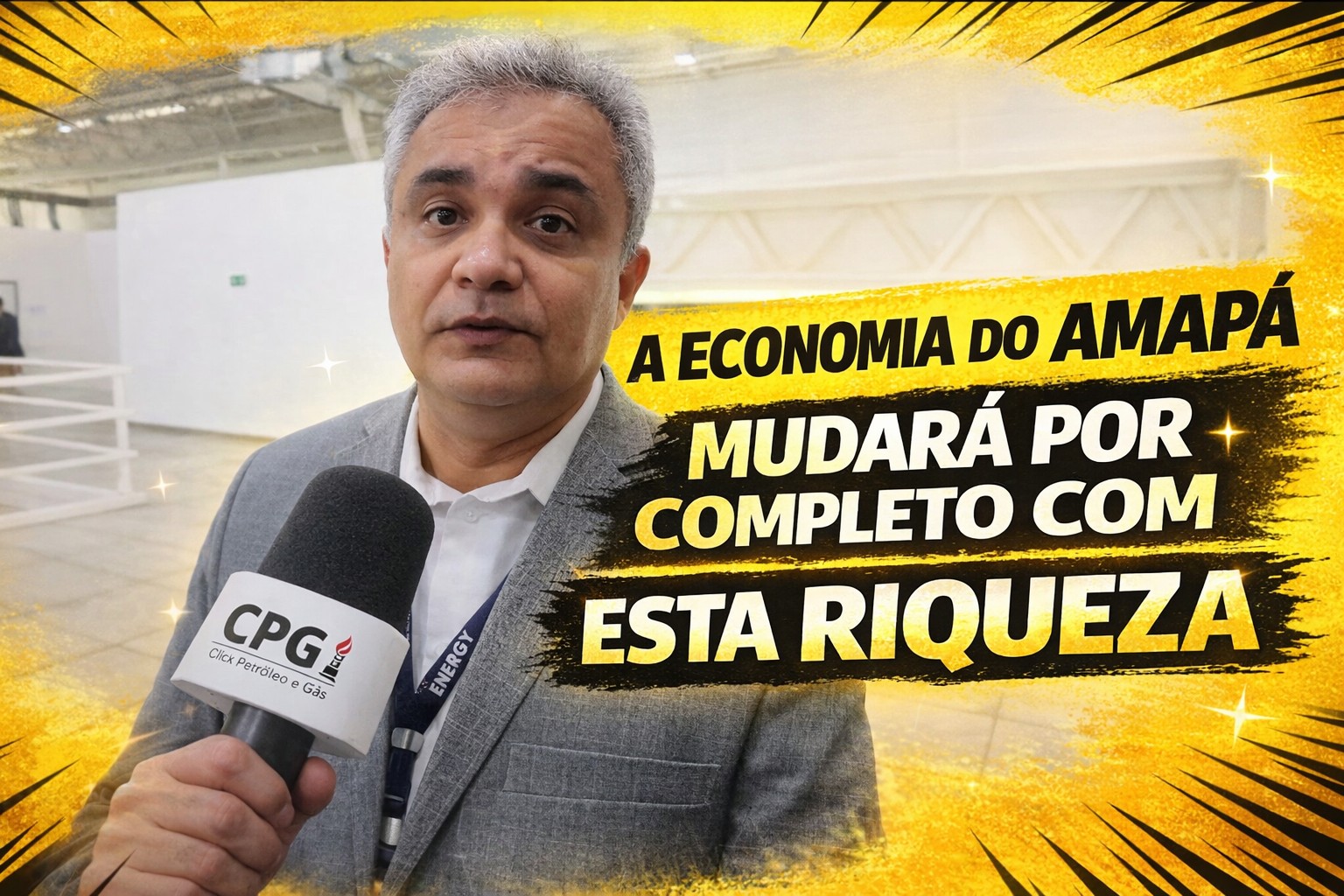
Billions of barrels in the Equatorial Margin could double Amapá’s oil production in Brazil and attract companies from the Campos Basin.
-
Mature Fields Take Center Stage and Are Expected to Generate New Opportunities in the Oil and Gas Sector
-
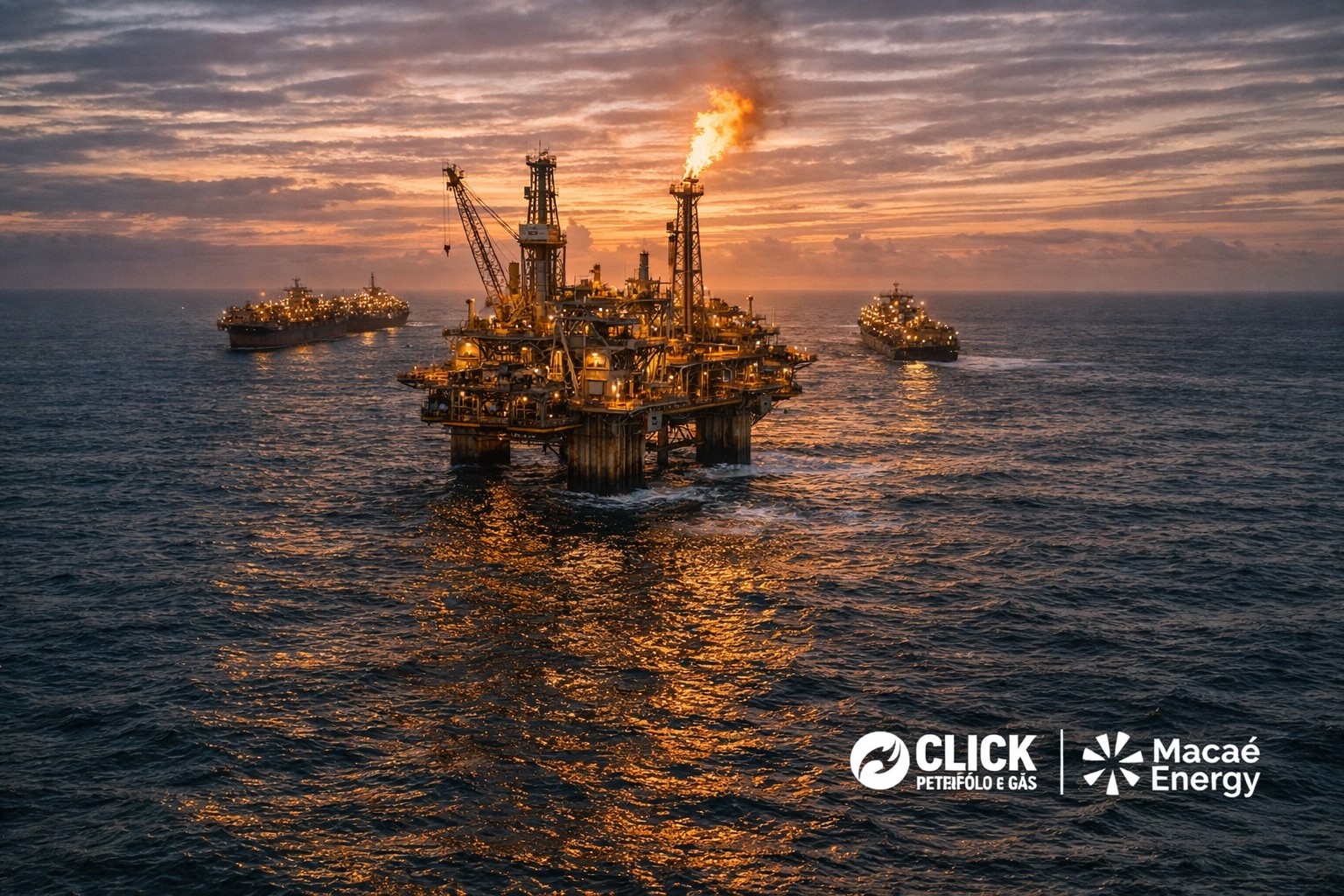
Offshore And New Investment Opportunities Will Be At The Center Of Discussions At Macaé Energy 2026


In this context, the integration between different energy matrices has been seen as an essential solution to ensure energy security, operational efficiency, and emission reduction.
Brazil Has A Strategic Position In Global Energy Integration
Brazil has one of the most diversified energy matrices in the world. According to data released by the Energy Research Company (EPE) in the National Energy Balance 2024, about 49% of the Brazilian energy matrix is already composed of renewable sources, while the global average is around 15%.
Additionally, the country combines several relevant energy sources, such as oil, natural gas, hydropower, wind energy, solar energy, and biofuels. This diversity creates favorable conditions for the development of integrated energy systems.
According to the National Agency of Petroleum, Natural Gas and Biofuels (ANP), Brazil produced about 4.3 million barrels of oil equivalent per day in 2024, establishing itself as one of the largest energy producers in the world. At the same time, the expansion of natural gas has been considered a key element in energy integration.
Natural Gas Market Drives Energy Integration In The Country
In recent years, Brazil has started a process of opening up and modernizing the natural gas market.
In 2021, Law No. 14.134, known as the New Gas Law, was enacted, which established the foundations to enhance sector competitiveness and encourage investments in infrastructure.
According to the EPE, the national production of natural gas reached approximately 150 million cubic meters per day in 2024, much of it coming from the pre-salt layer of the Santos Basin.
This growth has allowed for the expansion of energy integration projects, including electricity generation from natural gas, industrial supply, fertilizer production, and the expansion of the liquefied natural gas (LNG) market.
The expectation is that new pipelines, terminals, and processing units will further enhance this integration in the coming years.
Brazilian Offshore Also Undergoing Energy Transformation
Energy integration is also gaining ground in offshore operations.
New platform projects are being planned with a focus on energy efficiency and emission reduction.
According to data released by Petrobras in its Strategic Plan 2024-2028, the company expects to invest around US$ 102 billion by 2028, with approximately 67% allocated to oil and natural gas exploration and production, mainly in the pre-salt layer.
Among the initiatives being studied are the electrification of offshore platforms, integration with renewable energy systems, and optimization of the energy consumption of FPSO units.
Additionally, Petrobras announced in 2023 projects to reduce operational emissions by 30% by 2030, which requires new energy integration solutions in operations.
Topic Will Be Debated At Macaé Energy 2026
Energy integration will be discussed during Macaé Energy 2026, which will bring together executives, specialists, and authorities from the energy sector.
Among the expected participants are representatives from institutions such as Petrobras, Equinor, ANP, Energy Research Company (EPE), and IBP – Brazilian Institute of Oil and Gas.
The discussions will address topics such as integration between oil, gas, and electricity, digitalization of the energy industry, new models of energy production and distribution, and energy and logistical infrastructure.
The city of Macaé, historically regarded as the oil capital of Brazil due to its connection with the Campos Basin, has become a strategic environment for discussing the future of the energy sector.
Energy Integration Is Set To Mark The Next Decade Of The Sector
Experts point out that integration between different energy systems will be one of the pillars of the sector’s transformation in the coming decades.
According to a report released in 2023 by McKinsey consulting, integrated energy systems can reduce operational costs by up to 20%, in addition to improving the security of energy supply.
For countries with diversified matrices like Brazil, this model can represent a relevant competitive advantage in the global scenario.
Events like Macaé Energy 2026 reinforce this discussion by bringing together different stakeholders from the energy chain to discuss solutions that make the sector more efficient, connected, and prepared for the challenges of the energy transition.








-

Uma pessoa reagiu a isso.